
Is Homemade Granola Healthier? Nutrition Tips and Recipes
The granola aisle at your local grocery store is packed with options, each claiming to be the healthiest choice for your morning routine. But here’s the truth: homemade granola gives you complete control over ingredients, sugar content, and nutritional value in ways that store-bought versions simply cannot match. When you make granola at home, you decide exactly what goes into every bite—from the type of oats and nuts to the sweetener and oil used. This transparency and customization make homemade granola not just potentially healthier, but also more cost-effective and delicious.
Many commercial granola products hide added sugars, unhealthy oils, and artificial ingredients beneath marketing claims of wellness. A typical store-bought granola serving can contain 12-15 grams of sugar—nearly as much as a dessert. By crafting your own granola recipes, you can reduce sugar content, increase fiber, boost protein, and incorporate whole food ingredients that nourish your body. Whether you’re looking to improve your breakfast routine or explore new best breakfast food recipes, homemade granola is an excellent starting point.
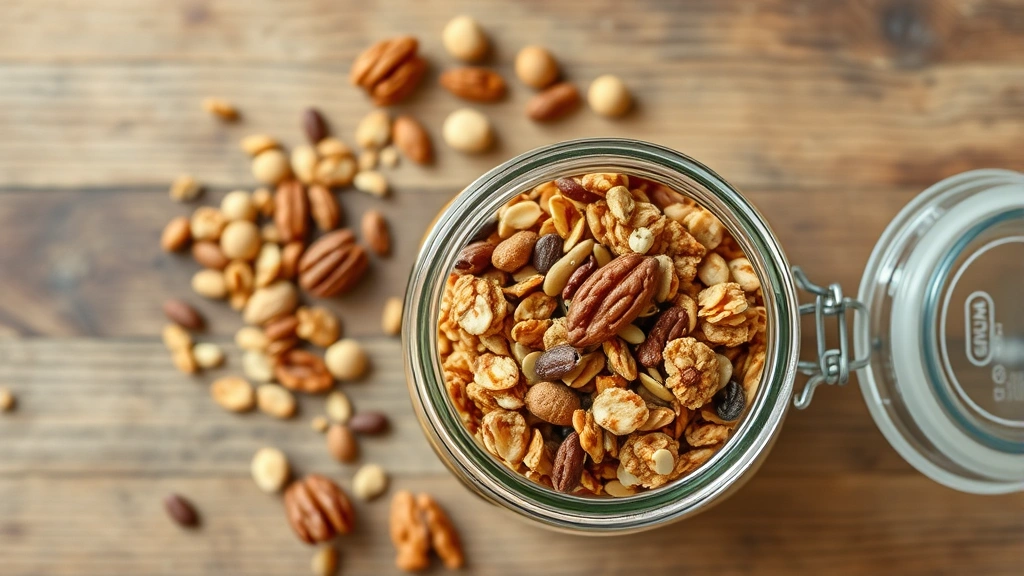
Why Homemade Granola Wins on Nutrition
When you compare homemade granola to commercial brands, the nutritional advantages become immediately clear. Homemade versions allow you to eliminate artificial additives, preservatives, and excessive sweeteners that manufacturers use to extend shelf life and enhance flavor. Most store-bought granolas contain refined vegetable oils, high-fructose corn syrup, and synthetic vitamins that your body has to work harder to process.
The nutritional superiority of homemade granola extends to macronutrient balance. You can increase protein content by selecting specific nuts and seeds, boost healthy fats with high-quality oils, and control carbohydrate sources. A single serving of well-made homemade granola can provide 4-7 grams of protein, 3-5 grams of dietary fiber, and beneficial minerals like magnesium, zinc, and iron. Additionally, when you make granola at home, you can customize it for dietary restrictions—creating dairy-free, gluten-free, or nut-free versions as needed.
Research from Harvard School of Public Health emphasizes that whole food granolas with minimal processing provide superior nutrient bioavailability compared to heavily processed commercial options. Your digestive system can access and utilize nutrients more efficiently when they come from whole food sources.
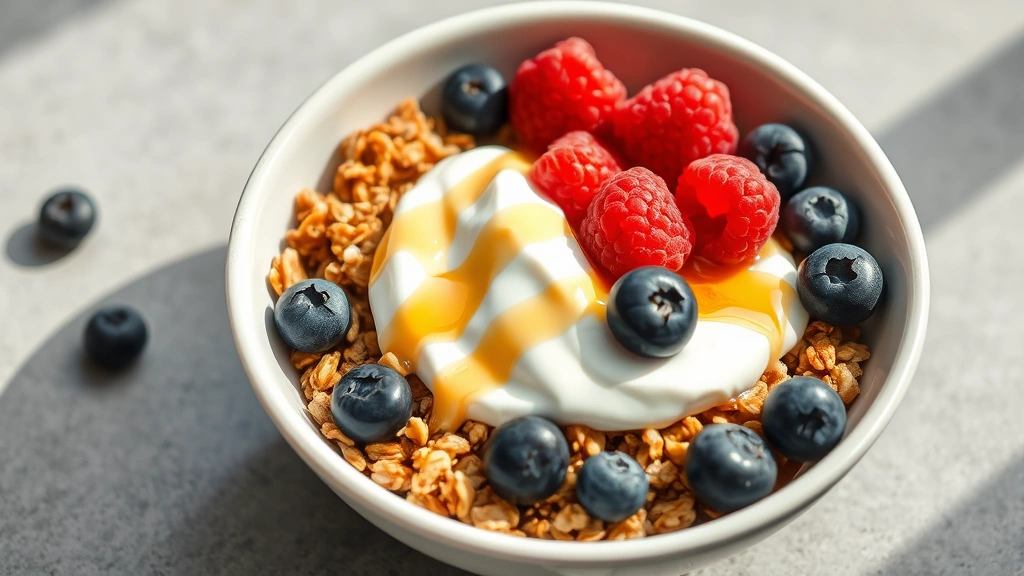
Understanding Granola Ingredients
The foundation of exceptional homemade granola starts with understanding what each ingredient contributes to your final product. Rolled oats serve as the base, providing complex carbohydrates, beta-glucans for heart health, and a hearty texture. Steel-cut oats create a chunkier granola, while old-fashioned rolled oats blend more smoothly into clusters.
Nuts and seeds are where granola truly shines nutritionally. Almonds deliver vitamin E and magnesium, walnuts provide omega-3 fatty acids, and pumpkin seeds offer zinc and manganese. Pecans add richness, cashews contribute minerals, and sunflower seeds provide selenium. By rotating your nut and seed selections, you ensure diverse micronutrient intake across the week. Combining at least three different nuts or seeds maximizes nutritional density while creating complex flavor profiles.
The binding agent—typically honey, maple syrup, or coconut nectar—should be chosen carefully. Raw honey contains enzymes and antimicrobial properties destroyed during high-heat processing, making it superior to processed honey. Maple syrup offers genuine mineral content including manganese and zinc. Coconut nectar provides inulin, a prebiotic fiber that supports gut health. These natural sweeteners contain nutrients, unlike refined sugar or artificial sweeteners.
Healthy fats deserve special attention in granola formulation. Coconut oil adds satiety and medium-chain triglycerides, while extra virgin olive oil provides polyphenols and anti-inflammatory compounds. Almond butter or tahini can replace some oil, increasing protein and creating better texture. The quality of your fat source directly impacts your granola’s nutritional profile and how your body processes it.
Sugar Content: The Hidden Enemy
Perhaps the most significant difference between homemade and commercial granola is sugar content. Store-bought varieties often contain 10-15 grams of added sugar per serving—sometimes more. This excess sugar causes blood glucose spikes, increases inflammation, contributes to weight gain, and promotes dental decay. When you make granola at home, you control exactly how much sweetener enters your mixture.
A truly healthy homemade granola should contain no more than 4-6 grams of sugar per serving. This is achievable by using modest amounts of natural sweeteners and relying on the inherent sweetness of dried fruits like raisins, cranberries, and dates. Adding dried fruit after baking prevents sugar caramelization and maintains nutrient integrity, while also reducing the overall sweetness of the final product.
The glycemic impact of your granola matters significantly, especially if you’re managing blood sugar or weight. Granola with whole oats, nuts, and minimal added sugar has a moderate glycemic index, meaning it won’t cause dramatic blood sugar fluctuations. Pairing your granola with Greek yogurt or cottage cheese further reduces glycemic response by adding protein and fat, which slow carbohydrate absorption.
Many people unknowingly consume excessive sugar by choosing seemingly healthy granola. A study from the National Institutes of Health found that granola products average 13 grams of sugar per serving, contributing significantly to daily sugar intake. Making your own granola ensures this doesn’t happen.
Creating Balanced Homemade Granola
Developing a truly nutritious homemade granola recipe requires understanding proper proportions and techniques. The ideal granola formula includes approximately 3 cups of oats, 1 cup of mixed nuts and seeds, 1/4 cup of binding sweetener, 1/4 cup of healthy oil, and 1 teaspoon of vanilla extract with desired spices. This base recipe yields approximately 6 servings with balanced macronutrients.
Proper baking technique is crucial for creating even clusters and preventing burnt edges. Spread your mixture on a large baking sheet lined with parchment paper, then bake at 325°F for 20-25 minutes, stirring every 5 minutes. This lower temperature preserves heat-sensitive nutrients compared to the 375°F temperatures often used in commercial production. The goal is achieving golden-brown color and slight clumping, not crispy individual pieces.
Flavor combinations transform basic granola into something extraordinary. Consider these nutritionally-optimized combinations:
- Maple Pecan: Rolled oats, pecans, pumpkin seeds, maple syrup, coconut oil, cinnamon, and sea salt
- Tropical Almond: Oats, almonds, macadamia nuts, unsweetened coconut flakes, coconut oil, honey, and vanilla
- Berry Walnut: Steel-cut oats, walnuts, sunflower seeds, tahini, raw honey, dried blueberries, and lemon zest
- Chocolate Hazelnut: Oats, hazelnuts, almonds, cocoa nibs, almond butter, maple syrup, and dark chocolate chips
Each variation provides different micronutrient profiles while maintaining nutritional integrity. Rotating through variations ensures comprehensive nutrient intake and prevents flavor fatigue from eating the same breakfast repeatedly.
Temperature and timing impact nutritional retention significantly. Baking at moderate temperatures preserves heat-sensitive B vitamins and antioxidants, while excessive heat destroys these beneficial compounds. Additionally, adding delicate ingredients like chocolate chips, coconut flakes, or dried berries after baking prevents nutrient degradation and improves texture.
Essential Granola Recipes
Now that you understand granola nutrition, let’s explore practical recipes you can implement immediately. These recipes are designed for maximum nutrition while maintaining delicious flavor that keeps you satisfied throughout the morning.
Classic High-Protein Granola Recipe
This recipe prioritizes protein content, making it ideal for muscle maintenance and satiety. Combine 3 cups rolled oats, 1 cup raw almonds (chopped), 1/2 cup raw sunflower seeds, 1/2 cup raw pumpkin seeds, 1/4 cup unsalted natural almond butter, 1/4 cup raw honey, 2 tablespoons coconut oil, 1 teaspoon vanilla extract, 1 teaspoon cinnamon, 1/2 teaspoon sea salt, and 1/4 teaspoon nutmeg. Mix wet and dry ingredients separately, then combine thoroughly. Spread on parchment-lined baking sheet and bake at 325°F for 22 minutes, stirring every 5 minutes. Cool completely before adding 1/2 cup dried cranberries and 1/2 cup unsweetened coconut flakes. This yields approximately 10 servings with 6 grams protein per serving.
Low-Sugar Berry Granola Recipe
Perfect for those monitoring sugar intake, this recipe contains only 3 grams added sugar per serving. Combine 3 cups steel-cut oats, 3/4 cup raw walnuts (chopped), 1/2 cup raw pecans (chopped), 1/4 cup sesame seeds, 3 tablespoons tahini, 2 tablespoons raw honey, 2 tablespoons extra virgin olive oil, 1 tablespoon maple syrup, 1 teaspoon vanilla extract, 1 teaspoon cinnamon, 1/2 teaspoon ginger, and 1/4 teaspoon sea salt. Mix and bake as described above for 25 minutes. After cooling, fold in 1/2 cup dried blueberries, 1/4 cup dried goji berries, and 1/4 cup unsweetened coconut. This provides excellent antioxidant content with minimal sugar impact.
Tropical Coconut Granola Recipe
This variation celebrates warm flavors and healthy tropical fats. Combine 3 cups rolled oats, 1 cup raw macadamia nuts (chopped), 1/2 cup raw almonds (chopped), 1/2 cup unsweetened coconut flakes, 1/4 cup coconut oil, 1/4 cup raw honey, 1 tablespoon vanilla extract, 1 teaspoon turmeric, 1/2 teaspoon sea salt, and 1/4 teaspoon cardamom. Bake at 325°F for 24 minutes, stirring frequently. Cool completely, then add 1/2 cup dried mango pieces and 1/4 cup dried pineapple chunks. The turmeric provides curcumin, a powerful anti-inflammatory compound.
Consider pairing your homemade granola with other nutritious breakfast options. Try it alongside German pancakes recipe variations for weekend brunch, or combine it with homemade ice cream recipes for a creative dessert application. Your granola versatility extends far beyond traditional breakfast bowls.
The nutritional science behind these recipes comes from understanding how whole foods interact. Oats provide beta-glucans and resistant starch for sustained energy. Nuts deliver monounsaturated and polyunsaturated fats that support heart health and hormone production. Seeds contribute minerals and lignans for antioxidant protection. Together, these components create a synergistic nutritional profile superior to any single ingredient alone.
Storage and Freshness Tips
Proper storage ensures your homemade granola maintains nutritional quality and delicious texture throughout the week. Store cooled granola in airtight glass containers at room temperature for up to two weeks, or freeze for up to three months. Glass containers protect nutrients better than plastic, which can leach chemicals into food over time.
Humidity is granola’s enemy, as moisture causes clumping and promotes mold growth. Include a food-grade silica gel packet in your storage container to maintain optimal moisture levels. If your granola becomes slightly soft, spread it on a baking sheet and warm in a 275°F oven for 5 minutes to restore crispness without damaging heat-sensitive nutrients.
Consider making granola in batches every two weeks rather than monthly. Fresher granola retains more antioxidants, and frequent small batches prevent nutrient degradation from extended storage. Label containers with preparation dates so you consume granola within optimal freshness windows.
Granola can be customized based on seasonal ingredient availability. Summer versions might emphasize light nuts and dried berries, while winter versions feature warming spices and heartier nuts. This seasonal approach naturally diversifies your nutrient intake throughout the year.
Beyond breakfast bowls, homemade granola serves multiple purposes. Crumble it over summer salad recipes for textural contrast and nutrition, or use it as a crust for cheesecake and pie. You can even incorporate granola into French recipes like granola-crusted fish or as a topping for French yogurt parfaits. The versatility of homemade granola extends your investment across multiple meals.
FAQ
Is homemade granola really healthier than store-bought?
Yes, when made with whole ingredients and minimal added sugar. Homemade granola typically contains 3-6 grams of sugar per serving compared to 10-15 grams in commercial versions. You also eliminate artificial additives, preservatives, and unhealthy oils. The difference in nutrient density is significant, especially regarding micronutrient content and antioxidant preservation.
How much sugar should be in healthy granola?
Truly healthy granola should contain no more than 4-6 grams of added sugar per serving. This includes sweeteners like honey, maple syrup, and coconut nectar. Additional natural sugars from dried fruit are acceptable, as they come packaged with fiber and nutrients. Avoid granola with more than 8 grams total sugar per serving.
What’s the best oil for homemade granola?
Extra virgin olive oil and coconut oil are both excellent choices. Olive oil provides polyphenols and supports heart health, while coconut oil offers satiety and medium-chain triglycerides. Many people use a combination of both for balanced nutrition and flavor. Avoid vegetable oil, canola oil, and other refined seed oils due to high omega-6 content and inflammatory properties.
Can I make granola without any added sweetener?
While possible, granola without any added sweetener tends to lack palatability for most people. However, you can minimize sweetener by relying on naturally sweet dried fruits like dates, raisins, and figs. A small amount of honey or maple syrup (1-2 tablespoons per batch) combined with generous dried fruit creates satisfying sweetness with minimal added sugar.
How long does homemade granola last?
Properly stored in airtight glass containers at room temperature, homemade granola lasts 10-14 days while maintaining optimal freshness. Frozen granola remains fresh for up to three months. The shelf life depends on oil type used—granola made with extra virgin olive oil lasts slightly longer than coconut oil varieties due to different oxidation rates.
Is granola appropriate for weight loss?
Homemade granola can support weight loss when consumed in appropriate portions (1/4 to 1/3 cup) and paired with protein. The combination of whole grains, healthy fats, and protein promotes satiety, preventing overeating later. However, portion control is essential, as granola is calorie-dense. A serving of well-made granola typically contains 150-180 calories, which is reasonable when combined with yogurt or milk.
Can I make granola without nuts?
Absolutely. Nut-free granola uses seeds instead: sunflower seeds, pumpkin seeds, sesame seeds, and hemp seeds provide similar nutrition and texture. You can also add legume-based options like roasted chickpeas for protein. Nut-free granola is equally nutritious and accommodates people with nut allergies or preferences.
What’s the difference between granola and muesli?
Granola is baked with oil and sweetener until crispy, creating clusters, while muesli combines raw or toasted grains with dried fruit and nuts without baking. Granola typically contains more fat and sweetener, making it denser in calories but often more satisfying. Muesli is lighter but may lack the cohesive clusters that make granola so appealing.


