
Ultimate Green Goddess Salad: Chef’s Favorite Recipe
The green goddess salad has become a culinary staple for good reason. This vibrant dish combines fresh, nutrient-dense ingredients with a creamy, herbaceous dressing that transforms simple greens into something extraordinary. Whether you’re preparing a light lunch, an elegant dinner side, or a satisfying main course, this green goddess salad recipe delivers restaurant-quality results in your own kitchen.
What makes this salad truly special is the balance of flavors and textures. The rich, tangy dressing coats tender greens and crisp vegetables, while fresh herbs provide an aromatic complexity that elevates the entire dish. Professional chefs have perfected this recipe over decades, and now you can recreate their magic at home with these straightforward techniques and quality ingredients.
This comprehensive guide walks you through every step of creating the ultimate green goddess salad, from selecting the finest ingredients to mastering the dressing technique that professional kitchens use. You’ll learn the secrets that transform this dish from ordinary to extraordinary.
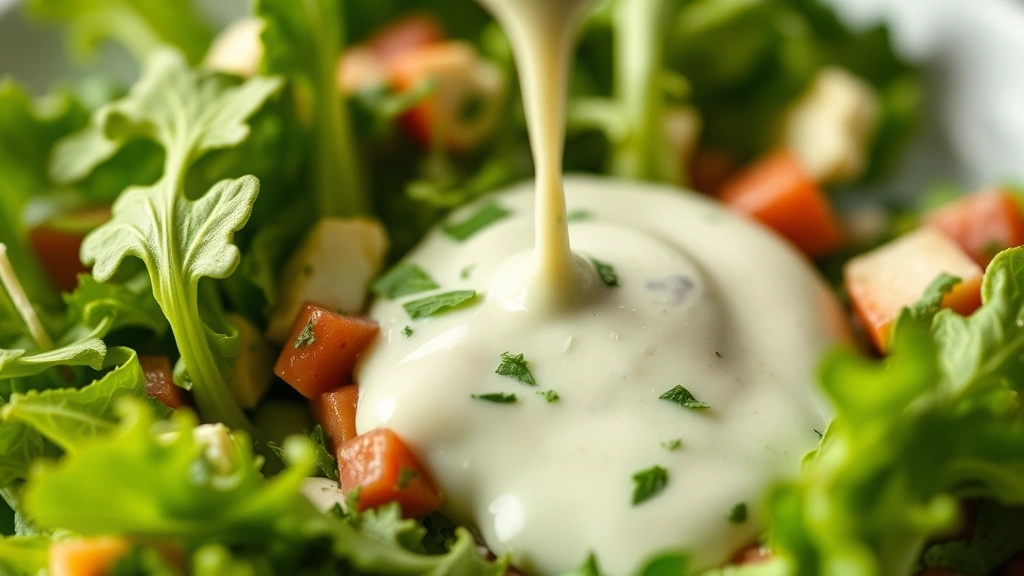
Essential Ingredients for Green Goddess Salad
Building the ultimate green goddess salad begins with understanding each ingredient’s role in the final dish. Professional chefs carefully select components that work harmoniously together, creating layers of flavor and texture that keep you coming back for more.
For the Salad Base:
- 6 cups mixed tender greens (romaine, butter lettuce, spinach, or arugula)
- 1 cup fresh basil leaves
- 1/2 cup fresh parsley, loosely packed
- 1/4 cup fresh tarragon or dill
- 2 ripe avocados, sliced
- 1 cucumber, thinly sliced or ribboned
- 1 cup cherry tomatoes, halved
- 1/2 red onion, thinly sliced
- 1/2 cup radishes, sliced
- 1/4 cup pumpkin seeds or sunflower seeds
For the Green Goddess Dressing:
- 1 cup fresh basil leaves, packed
- 1/2 cup fresh parsley
- 1/4 cup fresh chives, chopped
- 2 tablespoons fresh tarragon
- 1/2 cup Greek yogurt or sour cream
- 1/4 cup mayonnaise (quality matters here)
- 2 tablespoons fresh lemon juice
- 1 tablespoon white wine vinegar
- 2 garlic cloves, minced
- 1/4 teaspoon sea salt
- 1/8 teaspoon black pepper
- 2-3 tablespoons water or vegetable broth
Quality ingredients make an enormous difference in this salad. Choose organic greens when possible, and select herbs that are vibrant and fragrant. The fresher your herbs, the more dynamic your dressing will be. This attention to detail separates home cooks from professional chefs.
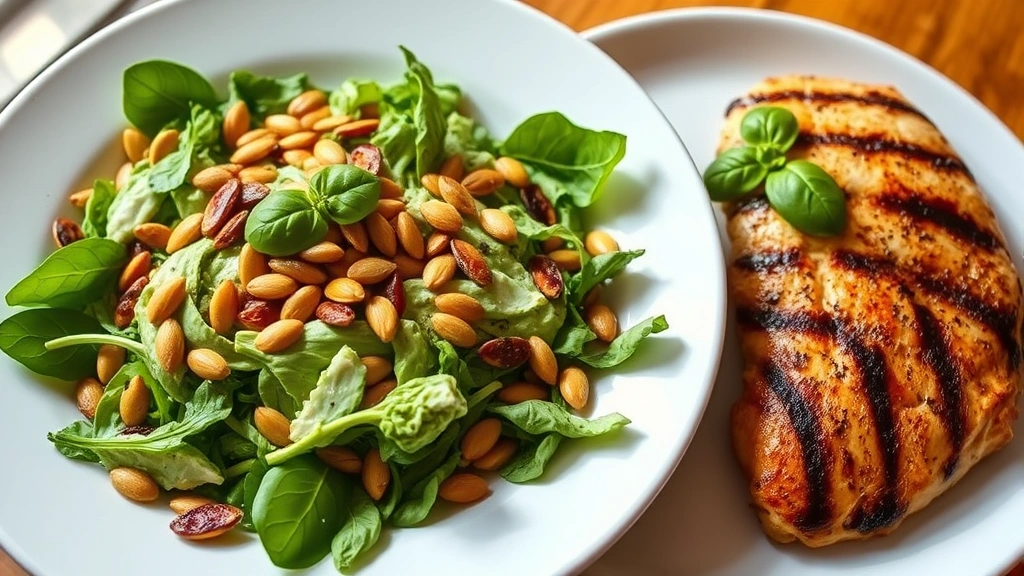
Crafting the Perfect Green Goddess Dressing
The dressing is where this salad truly shines. Creating a creamy herb dressing that balances richness with brightness requires technique and patience. Professional kitchens understand that emulsification and herb infusion are critical to achieving that signature green goddess flavor.
Step 1: Prepare Your Herbs
Begin by washing and thoroughly drying all fresh herbs. Moisture is the enemy of vibrant color and clean flavor in dressings. Pat herbs dry with paper towels or use a salad spinner. The drying step prevents oxidation and ensures your dressing maintains its beautiful green color throughout storage.
Step 2: Create the Herb Base
In a food processor, combine basil, parsley, chives, tarragon, and minced garlic. Pulse until herbs are finely chopped but not pulverized—you want a textured consistency, not a paste. This usually takes 8-10 pulses. Over-processing releases bitter compounds and diminishes the fresh herb flavor that defines this dressing.
Step 3: Build the Creamy Base
Transfer your herb mixture to a medium bowl. Whisk together Greek yogurt, mayonnaise, lemon juice, and white wine vinegar in a separate bowl until smooth. The combination of yogurt and mayo creates the ideal texture—tangy and rich without being heavy. The acid from lemon juice and vinegar brightens the dressing and prevents it from tasting flat.
Step 4: Combine and Season
Fold the herb mixture into the yogurt base gently, preserving the bright green color and herb texture. Season with sea salt and freshly ground black pepper. Taste and adjust seasonings—this is crucial. Add water or vegetable broth one tablespoon at a time until you reach your desired consistency. The dressing should coat a spoon but still pour smoothly.
Pro Chef Tip: Make your dressing at least 30 minutes before serving. This resting period allows flavors to meld and intensify. The dressing actually improves if made several hours ahead, making this a perfect make-ahead salad for entertaining.
Step-by-Step Preparation Guide
Proper preparation ensures every element of your salad reaches the table in perfect condition. Professional kitchens follow systematic preparation protocols that maximize freshness and flavor.
Washing and Drying Greens
Rinse your mixed greens thoroughly under cool running water, removing any dirt or debris. Use a salad spinner to remove excess moisture—wet greens dilute your dressing and become limp quickly. Pat dry with clean kitchen towels. Dry greens are essential for proper dressing adherence and maintaining crisp texture throughout the meal.
Preparing Vegetables
Slice cucumbers into thin rounds or use a vegetable peeler to create delicate ribbons. Halve cherry tomatoes and slice radishes thinly on a mandoline for uniform thickness. Thinly slice red onion and immediately place in ice water for 10 minutes—this reduces sharpness and adds crispness. Slice avocados just before assembly to prevent browning. These preparation steps ensure every bite contains properly textured vegetables.
Toasting Seeds
If using pumpkin or sunflower seeds, toast them lightly in a dry skillet over medium heat for 2-3 minutes, stirring frequently. Toasting enhances nutty flavor and improves texture. Store toasted seeds in an airtight container until ready to use. This simple step dramatically improves the final dish’s complexity.
Assembling Your Salad
Assembly technique matters more than most home cooks realize. Professional chefs understand that how ingredients are arranged affects both presentation and flavor distribution.
Creating the Foundation
Place mixed greens in a large salad bowl or on individual plates. Arrange in a loose pile, allowing air circulation that keeps greens crisp. Avoid packing greens tightly, which crushes delicate leaves and prevents proper dressing distribution.
Adding Vegetables and Proteins
Arrange prepared vegetables artfully over the greens. Place avocado slices, cucumber ribbons, tomato halves, radish slices, and drained red onion in distinct sections. This presentation approach, called composed salad arrangement, makes the dish visually stunning and allows diners to control ingredient ratios with each bite.
Dressing Application
Drizzle dressing over the salad just before serving. Start with three-quarters of the desired amount—you can always add more. Gently toss or allow diners to mix their own portions. This prevents over-dressing and maintains textural contrast between creamy dressing and crisp vegetables.
Final Garnish
Top with toasted seeds and a small handful of fresh basil or parsley leaves. This final garnish adds visual appeal and reinforces the fresh herb profile. Serve immediately while greens are crisp and flavors are at their peak.
Delicious Variations and Modifications
While this classic recipe is perfect as written, professional chefs understand that variations expand appeal and accommodate different preferences. Consider these modifications:
Protein Additions
Transform this salad into a satisfying main course by adding grilled chicken breast, seared salmon, hard-boiled eggs, or crispy chickpeas. These proteins complement the herbaceous dressing beautifully. If you’re looking for hearty side dish inspiration, explore our collection of best mac and cheese recipe and chicken noodle casserole recipe options for complete meal planning.
Dairy-Free Version
Replace Greek yogurt and mayonnaise with silken tofu, cashew cream, or dairy-free mayo. Use fresh lemon juice and a touch of maple syrup to balance flavors. This version maintains the creamy texture and herbaceous profile while accommodating dietary preferences.
Lighter Variation
Substitute half the mayo and yogurt with additional fresh herbs and a touch of honey for sweetness. This creates a lighter dressing that coats greens beautifully without heaviness. Perfect for warm weather dining.
Ingredient Swaps
Experiment with different fresh herbs based on availability and preference. Mint, cilantro, or dill create distinctly different flavor profiles while maintaining the salad’s essence. Substitute seeds with nuts—toasted walnuts or almonds work wonderfully. If you enjoy exploring ingredient-based cooking, check our Trader Joe’s recipes for convenient ingredient options.
Storage and Make-Ahead Tips
Professional chefs understand the value of strategic preparation. This salad components can be prepared ahead, making entertaining easier and reducing last-minute stress.
Dressing Storage
The green goddess dressing keeps refrigerated for up to 5 days in an airtight container. The dressing actually develops deeper flavor after 24 hours, making it ideal for advance preparation. If dressing thickens during storage, thin with a tablespoon of water or lemon juice before serving.
Prepping Vegetables
Wash and dry greens up to 2 days ahead, storing in breathable containers lined with paper towels. Prepare other vegetables up to 8 hours in advance, storing in separate airtight containers. Keep avocado slicing for the last possible moment to prevent browning. This systematic preparation transforms entertaining from stressful to seamless.
Assembled Salad Storage
If you must assemble the salad ahead, keep dressing separate until serving time. Undressed salad stays fresh for up to 4 hours when covered and refrigerated. Add dressing just before serving to maintain optimal texture and flavor.
Batch Preparation
This recipe scales beautifully for feeding crowds. Double or triple ingredients while maintaining proportions. Professional kitchens use this approach for catering and large events. The dressing actually improves when made in larger batches, as flavors have more time to meld.
Perfect Food Pairings
Understanding how to pair this salad with other dishes elevates your entire meal. Professional chefs consider complementary flavors and textural balance when building menus.
As a Side Dish
This salad pairs beautifully with grilled fish, roasted chicken, or vegetarian mains. The bright, herbaceous dressing complements rich proteins without overwhelming delicate flavors. Serve alongside easy Instant Pot recipes for convenient weeknight dinners, or explore calico beans recipe for vegetarian protein options.
As a Main Course
Add grilled chicken, salmon, or crispy tofu to create a satisfying, nutritionally balanced meal. The dressing’s richness supports substantial proteins while vegetables maintain lightness and freshness.
Seasonal Considerations
In summer, serve this salad chilled alongside grilled vegetables and crusty bread. During cooler months, pair with warm grain bowls or roasted root vegetables. The salad’s versatility makes it appropriate year-round, though peak flavor comes when herbs are at their freshest.
Beverage Pairings
The herbaceous profile pairs wonderfully with crisp white wines like Sauvignon Blanc or Pinot Grigio. Non-alcoholic options include sparkling water with fresh lemon or cucumber-infused water. The dressing’s richness also complements herbal teas served chilled.
Frequently Asked Questions
Can I make green goddess salad dressing without mayonnaise?
Absolutely. Greek yogurt alone creates a tangy dressing, though you may lose some richness. Alternatively, use silken tofu, cashew cream, or avocado as the base. Each creates a different flavor profile while maintaining the creamy texture that defines this dressing.
How long does green goddess dressing last in the refrigerator?
Properly stored in an airtight container, the dressing keeps for up to 5 days. The dressing actually develops deeper flavor after 24 hours, making advance preparation ideal. If it thickens during storage, simply thin with water or lemon juice.
Can I use frozen herbs to make this salad?
While fresh herbs are strongly preferred for optimal flavor and color, frozen herbs work in a pinch. Thaw frozen herbs completely and squeeze out excess moisture before using. The dressing will lack the vibrant color and fresh flavor of the fresh herb version, but it will still be delicious.
Is this salad appropriate for meal prep?
The dressing stores beautifully for up to 5 days, but keep it separate from greens and vegetables. Store salad components in separate containers and assemble just before eating to maintain crisp texture. This approach makes weekday lunches convenient while preserving quality.
What protein works best with green goddess salad?
Grilled chicken breast, seared salmon, and hard-boiled eggs are classic pairings. Crispy chickpeas or roasted tofu provide vegetarian protein options. The herbaceous dressing complements virtually any protein, so choose based on personal preference and available ingredients.
Can I make this salad vegan?
Yes! Replace Greek yogurt and mayonnaise with silken tofu, cashew cream, or dairy-free mayo. The dressing will be equally delicious while accommodating vegan dietary preferences. All vegetable and herb components are naturally vegan.
How can I prevent my avocado from browning?
Slice avocado immediately before assembly and drizzle lightly with lemon juice. The acid prevents oxidation and browning. If preparing ahead, store avocado with the pit intact and slice only when ready to serve.
What’s the best way to store leftover salad?
Keep dressing and salad components separate in airtight containers. Greens and vegetables last up to 4 hours when refrigerated. Dressing keeps for 5 days. Assemble just before eating to maintain optimal texture and flavor. For creative leftover inspiration, explore Betty Crocker recipes for additional serving ideas.
Can I substitute different fresh herbs?
Absolutely. Mint, cilantro, dill, or oregano create distinctly different flavor profiles. Experiment to find your preferred combination. The key is using fresh, fragrant herbs and maintaining the balance between basil, parsley, and additional herbs.


