
Easy Grilled Eggplant? Chef’s Favorite Recipe That’s Surprisingly Simple
Grilled eggplant is one of those dishes that intimidates home cooks but absolutely delights restaurant diners. The secret isn’t complicated techniques or exotic ingredients—it’s understanding how to properly prepare the eggplant and master a few fundamental grilling principles. This chef’s favorite recipe transforms humble eggplant into a smoky, tender masterpiece that rivals any upscale bistro preparation.
Whether you’re a vegetarian seeking protein-rich sides, a health-conscious cook looking to expand your vegetable repertoire, or simply someone who wants to impress dinner guests, grilled eggplant delivers on all fronts. The beauty of this recipe lies in its simplicity: quality eggplant, proper seasoning, correct heat management, and a touch of technique create extraordinary results every single time.
Choosing the Perfect Eggplant
The foundation of exceptional grilled eggplant starts at the grocery store. Most home cooks grab whatever eggplant looks biggest, but size isn’t the primary consideration. Instead, focus on firmness and weight relative to size. A quality eggplant should feel heavy for its dimensions, indicating fewer seeds and less water content—precisely what you want for grilling.
Japanese eggplants and Italian varieties are your best friends here. Japanese eggplants are slender, tender-skinned, and cook faster than their larger globe cousins. Italian eggplants offer a classic appearance and consistent texture throughout. Avoid eggplants with soft spots, wrinkled skin, or a dull appearance. The skin should be glossy and firm, with a deep purple hue that indicates maturity and optimal flavor development.
When selecting multiple eggplants, choose ones of similar size so they grill evenly. This prevents some slices from burning while others remain undercooked. A medium globe eggplant typically weighs one to one-and-a-half pounds and serves four people as a side dish or two as a main course component.
Preparation and Salting Technique
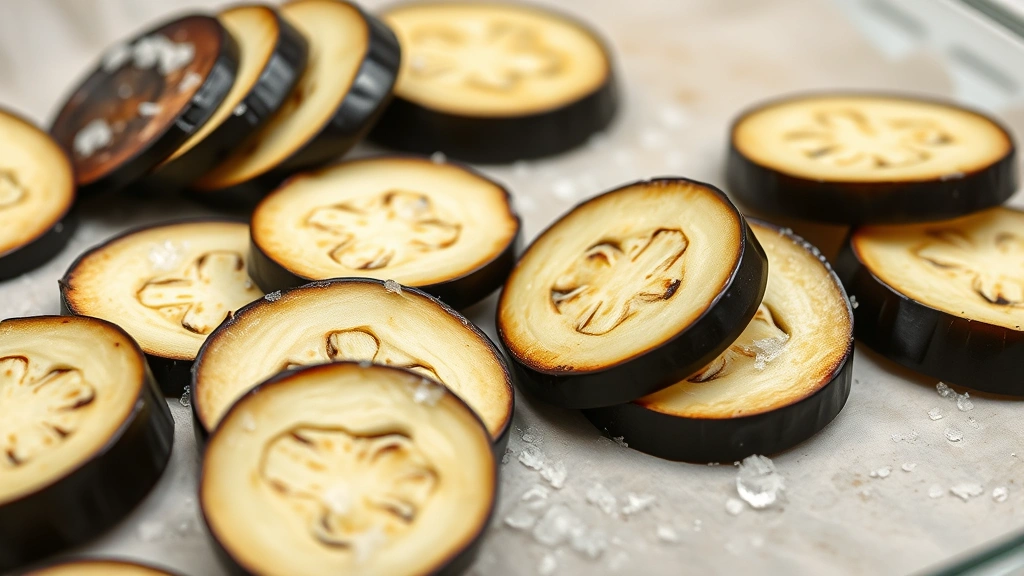
Here’s where most home cooks miss the mark: they skip the salting step. This ancient technique, called degorging, removes excess moisture and bitterness while concentrating flavors. Slice your eggplant into quarter-inch rounds—thick enough to hold together on the grill but thin enough to cook through properly.
Arrange slices on paper towels and generously salt both sides. Let them sit for thirty minutes. You’ll notice moisture beading on the surface; this is exactly what you want. The salt draws out water and compounds that can make eggplant taste bitter. After thirty minutes, pat the slices thoroughly dry with fresh paper towels. This drying step is crucial—excess moisture prevents proper browning and creates steam instead of those desirable caramelized, smoky flavors.
Don’t skip this preparation step, even if you’re short on time. The thirty-minute wait is the difference between mediocre grilled eggplant and restaurant-quality results. While the eggplant sits, prepare your grill and gather your seasonings and oils.
Seasoning and Oil Application
Oil is essential for grilled eggplant—it prevents sticking, promotes browning, and carries flavors. Use high-heat stable oils like avocado oil, grapeseed oil, or refined olive oil. Extra virgin olive oil burns at grill temperatures, so save it for finishing drizzles instead.
Create a simple seasoning blend: kosher salt, freshly ground black pepper, and optional garlic powder or smoked paprika. Some chefs prefer Italian seasoning for Mediterranean vibes or cumin for global flavor profiles. The beauty of grilled eggplant is its versatility—your seasoning choice depends on what you’re serving alongside it.
Brush both sides of each eggplant slice with oil using a pastry brush. Don’t be shy; eggplant is a sponge that absorbs oil beautifully. Season immediately after oiling while the oil helps seasonings adhere. This combination of proper oiling and seasoning creates a flavorful crust that develops during grilling.
The Grilling Method
Preheat your grill to medium-high heat, around 400-425°F. If you’re using a charcoal grill, allow coals to reach a consistent white-ash stage. For gas grills, preheat for ten to fifteen minutes until the grate is hot enough that water droplets immediately sizzle and evaporate.
Clean your grill grates thoroughly with a grill brush. This prevents sticking and ensures those beautiful char marks that make grilled eggplant visually stunning. Oil the grates lightly by dipping a paper towel in oil and rubbing it across the hot grates using long-handled tongs.
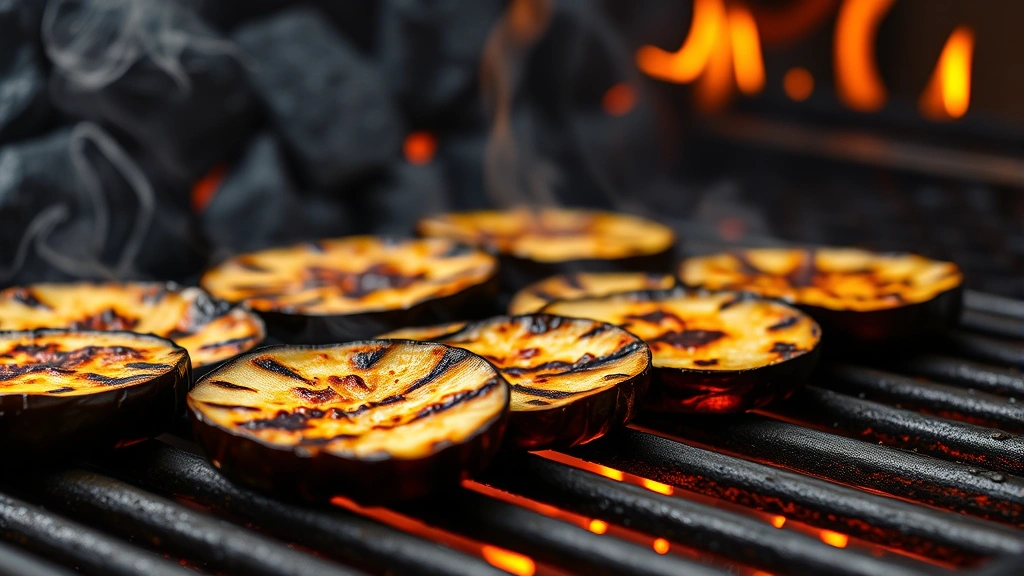
Place eggplant slices directly on the grill, perpendicular to the grates. Resist the urge to move them immediately. Let them sit undisturbed for four to five minutes. You’re looking for golden-brown char marks and slight softening. Flip each slice and grill the second side for another four to five minutes until the eggplant is tender when pierced with a fork and both sides display appetizing caramelization.
The entire grilling process takes ten to fifteen minutes depending on slice thickness and grill temperature. Eggplant is done when you can easily pierce it with a fork and the flesh is creamy and soft. The exterior should be caramelized with visible char marks, not burnt.
If your eggplant is browning too quickly while the interior remains firm, move slices to a cooler section of the grill or reduce heat slightly. Conversely, if after eight minutes the eggplant shows minimal browning, increase heat or move slices closer to the heat source. Learning your specific grill’s hot and cool zones takes practice but dramatically improves results.
Transfer cooked eggplant to a serving platter. If you’re grilling large batches, keep finished slices warm in a low oven (200°F) while completing remaining batches. This prevents food temperature drop while ensuring everything finishes grilling properly.
Flavor Variations and Toppings
The beauty of grilled eggplant is its chameleon-like ability to complement virtually any flavor profile. After grilling, while eggplant is still warm, apply your chosen finishing touches.
Mediterranean Style: Drizzle with extra virgin olive oil, scatter fresh basil, crumbled feta cheese, and a squeeze of fresh lemon juice. Add diced tomatoes and minced garlic for brightness and depth.
Asian-Inspired: Brush with a mixture of soy sauce, rice vinegar, and sesame oil. Top with sesame seeds, sliced green onions, and a pinch of white pepper. This preparation pairs beautifully with lemon pepper wings for a complete meal.
Middle Eastern: Top with tahini sauce (tahini thinned with lemon juice and water), pomegranate seeds, pine nuts, and fresh mint. This creates a sophisticated side dish worthy of special occasions.
Italian Garden: Layer with roasted red peppers, fresh mozzarella, and basil. Drizzle with aged balsamic vinegar for acidity and complexity.
Smoky Chipotle: Combine sour cream with adobo sauce and lime juice, then dollop on warm eggplant. Add cilantro, cotija cheese, and diced red onion for textural contrast.
These variations showcase how the same grilled eggplant base transforms completely based on toppings and seasonings. Experiment with combinations that complement your meal’s other components.
Serving Suggestions
Grilled eggplant works as a standalone side dish, a component in larger composed plates, or even as a vegetarian main course. Here are proven serving approaches:
- As a side: Serve alongside grilled proteins like chicken, fish, or lamb. The eggplant’s meaty texture and smoky notes complement virtually any protein.
- Vegetarian main: Arrange grilled eggplant slices on a bed of couscous or quinoa, top with a yogurt-based sauce, and add roasted vegetables for a complete meal.
- Sandwich component: Layer grilled eggplant on toasted brioche buns with pesto, roasted red peppers, and fresh mozzarella for a gourmet vegetarian sandwich.
- Salad topper: Cut grilled eggplant into chunks and toss with mixed greens, cherry tomatoes, and vinaigrette for a warm-and-cool salad.
- Appetizer: Serve room-temperature grilled eggplant slices as part of an antipasto board alongside olives, cured meats, and cheeses.
- Stacked presentation: Create impressive stacks by layering eggplant with tomato slices, fresh mozzarella, and basil for an elegant plated presentation.
The versatility of grilled eggplant means it fits seamlessly into numerous meal scenarios. Consider what flavors and textures your other dishes provide, then choose toppings and seasonings that create harmony rather than competition.
Storage and Make-Ahead Tips
Grilled eggplant can be prepared several hours ahead, making it ideal for entertaining. Store cooled eggplant in an airtight container in the refrigerator for up to four days. The flavor actually improves slightly as oils and seasonings permeate the flesh.
To reheat, place eggplant on a baking sheet and warm in a 350°F oven for five to ten minutes until heated through. Alternatively, briefly grill cold eggplant over medium heat to refresh it and re-establish those beautiful char marks. Some cooks prefer serving grilled eggplant at room temperature, which is perfectly acceptable and arguably more flavorful since chilling mutes flavors.
For meal prep enthusiasts, grilled eggplant freezes reasonably well for up to two months. Cool completely, arrange slices on a baking sheet, freeze until solid, then transfer to freezer bags. Thaw in the refrigerator before reheating. Frozen-then-thawed eggplant has a slightly softer texture but remains delicious in composed dishes or when topped with flavorful sauces.
Make grilled eggplant the foundation of weekly meal prep. Grill a large batch on Sunday, portion into containers with different toppings, and enjoy throughout the week. This approach provides variety while minimizing daily cooking time. Pair grilled eggplant with proteins like boiled eggs or homemade yogurt for complete, balanced meals.
FAQ
Why is my grilled eggplant mushy?
Mushiness typically results from inadequate salting and patting dry before grilling. Excess moisture creates steam rather than caramelization. Additionally, overcooking causes eggplant to lose structure. Ensure you salt slices thirty minutes ahead, pat completely dry, and grill until just tender—not falling apart. The eggplant should hold its shape when moved with a spatula.
Can I grill eggplant without salting it first?
Technically yes, but you’ll miss the concentration of flavors and the improved texture that salting provides. The salting step removes bitter compounds and excess water, resulting in superior grilled eggplant. If time is extremely limited, even fifteen minutes of salting improves results significantly compared to skipping it entirely.
What’s the best oil for grilling eggplant?
Use oils with high smoke points: avocado oil (520°F), grapeseed oil (420°F), or refined olive oil (465°F). These oils withstand grill temperatures without burning or imparting off-flavors. Extra virgin olive oil has a lower smoke point (375°F) and burns at typical grilling temperatures, so reserve it for finishing drizzles only.
How do I prevent eggplant from sticking to the grill?
Thoroughly clean grill grates before cooking, preheat the grill completely, oil both the grates and the eggplant slices, and allow the first side to develop a crust before attempting to flip. A properly crusted exterior releases more easily from the grate. If sticking occurs, loosen gently with a long-handled spatula rather than forcing movement.
Can I grill eggplant indoors on a stovetop grill pan?
Absolutely. Preheat a cast-iron grill pan or griddle over medium-high heat until very hot. Oil it lightly and grill eggplant slices as directed, allowing four to five minutes per side. The results won’t have quite the same smoky character as outdoor grilling, but indoor methods produce delicious caramelized eggplant that satisfies completely.
What if I don’t have fresh eggplant?
Fresh eggplant is ideal, but in a pinch, frozen eggplant works. Thaw it completely and pat very dry to remove excess moisture from the freezing process. However, frozen eggplant has a softer texture that doesn’t grill as crisply. If using frozen eggplant, consider it for dishes where softer texture is acceptable, like eggplant parmesan rather than grilled presentations.
How thick should I slice the eggplant?
Quarter-inch thickness is ideal—thick enough to maintain structural integrity during grilling but thin enough to cook through without excessive exterior charring. Slices thinner than one-eighth inch risk falling apart, while thicker slices may not cook through completely before the exterior burns. A sharp knife or mandoline slicer achieves consistent thickness.
Can I marinate eggplant before grilling?
Yes, but only briefly. After salting and patting dry, marinate eggplant for fifteen to thirty minutes in oil-based marinades. Longer marinating times result in waterlogged eggplant that doesn’t grill well. Acidic components like lemon juice or vinegar in marinades help prevent browning, so brush on fresh oil and seasonings just before grilling for optimal caramelization.


