Tasty Ground Bison Chili? Expert-Approved Recipe
Ground bison chili represents a modern twist on a classic comfort dish, offering leaner protein and a richer, more complex flavor profile than traditional beef versions. If you’ve been wondering whether ground bison recipes can deliver restaurant-quality results at home, the answer is a resounding yes. Bison meat contains less fat and fewer calories than beef while maintaining impressive nutritional density, making it an excellent choice for health-conscious home cooks who refuse to compromise on taste.
This expert-approved ground bison chili recipe has been tested and refined to highlight the meat’s natural flavors while building layers of depth through carefully selected spices, aromatics, and cooking techniques. Whether you’re serving this at a casual weeknight dinner or bringing it to a gathering where you need to impress, this recipe delivers consistent, outstanding results every time. The combination of ground bison with kidney beans, tomatoes, and a sophisticated spice blend creates a chili that tastes like it came from a professional kitchen.
Why Choose Ground Bison for Chili
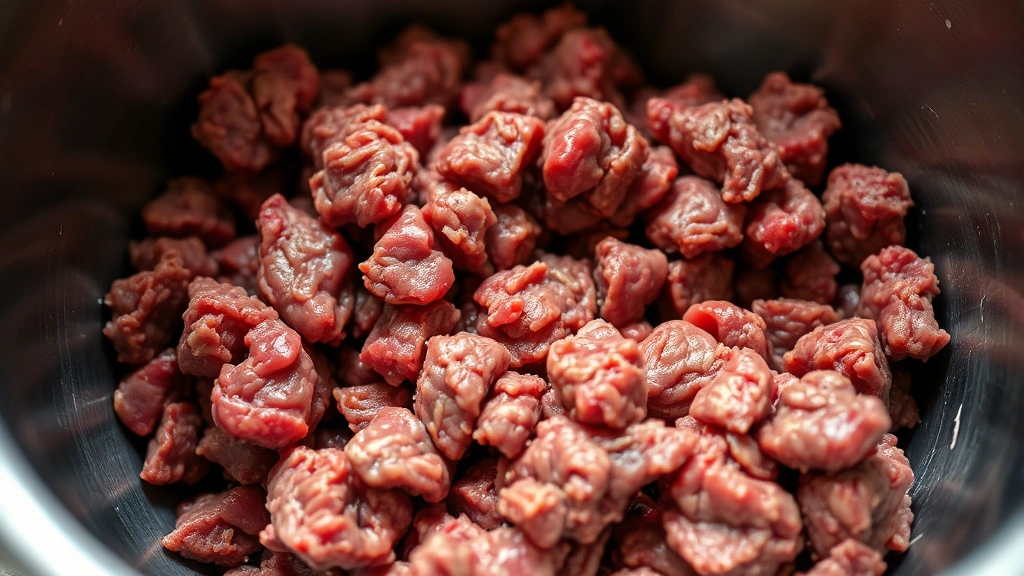
Ground bison meat offers distinct advantages over conventional beef when preparing chili. The meat is naturally leaner, containing approximately 40% less fat than ground beef, yet it delivers superior flavor complexity. This leanness means your chili won’t develop an unappetizing grease layer on top, and you’ll achieve a cleaner, more refined final dish. Bison’s flavor profile is subtly sweet with earthy undertones, which complements traditional chili spices beautifully.
From a nutritional standpoint, bison provides higher concentrations of omega-3 fatty acids, iron, and B vitamins compared to beef. The meat is also typically sourced from grass-fed herds, meaning it hasn’t been treated with the antibiotics and hormones common in conventional cattle farming. This makes ground bison an ethical choice that aligns with sustainable eating practices.
When cooking with bison, you’ll notice it requires slightly different handling than beef. The meat is more delicate and benefits from gentler cooking methods to prevent toughening. This recipe accounts for bison’s unique properties, using lower heat and longer simmering times to develop a tender, flavorful chili that showcases the meat’s best qualities.
Ingredients You’ll Need
This ground bison chili recipe serves 6-8 people and requires quality ingredients that work together harmoniously:
- 2 pounds ground bison meat – the foundation of your chili
- 3 tablespoons olive oil – for browning the meat and aromatics
- 2 large yellow onions – diced into uniform pieces
- 4 cloves garlic – minced finely
- 3 tablespoons chili powder – use a high-quality blend or single-origin variety
- 2 tablespoons ground cumin – adds earthiness
- 1 tablespoon smoked paprika – contributes depth and subtle smokiness
- 1 teaspoon oregano – dried Mexican oregano preferred
- 1/2 teaspoon cayenne pepper – adjust based on heat preference
- 2 cans (28 ounces each) crushed San Marzano tomatoes – superior flavor to regular canned tomatoes
- 2 cans (15 ounces each) kidney beans – drained and rinsed
- 1 can (6 ounces) tomato paste – concentrate for umami depth
- 2 cups beef or bison broth – homemade preferred
- 1 tablespoon apple cider vinegar – brightens flavors
- Sea salt and freshly ground black pepper – to taste
- 1 teaspoon sugar – optional, balances acidity
For serving, consider preparing white queso recipe as a complementary topping, or offer avocado crema recipe for richness and freshness. These accompaniments transform the chili experience.
Step-by-Step Cooking Instructions
Preparation Phase (15 minutes): Before cooking begins, gather and prepare all ingredients. This mise en place approach prevents scrambling during cooking and ensures consistent results. Dice onions into quarter-inch pieces, mince garlic finely, and combine all dry spices in a small bowl. Having everything ready allows you to focus on technique rather than preparation.
Step 1 – Brown the Ground Bison: Heat olive oil in a large, heavy-bottomed pot or Dutch oven over medium-high heat. Once shimmering, add ground bison meat in batches, breaking it apart with a wooden spoon. Brown the meat for 6-8 minutes, working in batches to avoid overcrowding the pot. Overcrowding causes the meat to steam rather than brown, resulting in pale, less flavorful results. Once all bison is browned, transfer it to a clean plate using a slotted spoon, leaving approximately 2 tablespoons of rendered fat in the pot.
Step 2 – Build the Aromatics Base: Reduce heat to medium and add diced onions to the pot. Sauté for 8-10 minutes, stirring frequently, until onions become translucent and develop light golden edges. This caramelization creates foundational sweetness that balances the chili’s spices. Add minced garlic and cook for another 2 minutes until fragrant. Be careful not to burn garlic, as this creates bitter flavors that persist throughout the dish.
Step 3 – Bloom the Spices: Add your pre-mixed spices (chili powder, cumin, smoked paprika, oregano, and cayenne) directly to the onion mixture. Stir constantly for 1-2 minutes, allowing the heat to activate the spices’ essential oils. This blooming process intensifies flavor compounds and creates a more cohesive taste profile. You’ll notice the pot’s aroma becoming noticeably richer and more complex.
Step 4 – Add Tomato Products: Stir in tomato paste and cook for 2 minutes, allowing it to caramelize slightly. Add crushed San Marzano tomatoes with their juice, scraping the pot’s bottom to incorporate any browned bits (fond) that contain concentrated flavor. Return the browned bison meat to the pot and stir thoroughly to combine all ingredients.
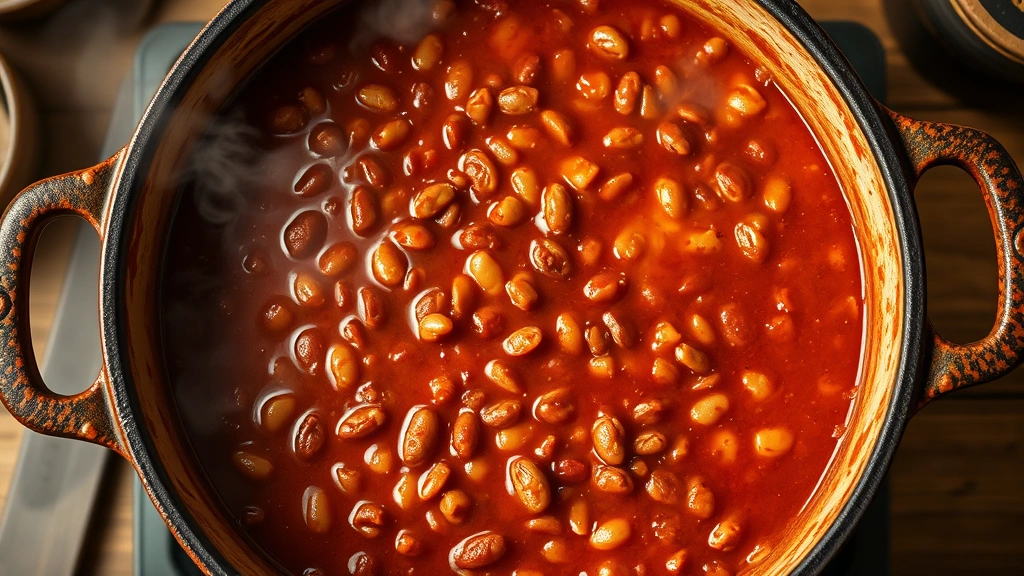
Step 5 – Introduce Beans and Broth: Add drained kidney beans and beef or bison broth, stirring well. Bring the mixture to a gentle simmer over medium heat. Do not allow it to boil vigorously, as this can toughen the bison meat. Once simmering, reduce heat to medium-low and partially cover the pot with a lid, leaving it slightly ajar to allow steam to escape.
Step 6 – Simmer and Develop Flavors: Allow the chili to simmer gently for 45 minutes to 1 hour. During this time, flavors meld and deepen significantly. Stir occasionally, every 15 minutes or so, to prevent sticking and ensure even cooking. The longer simmering time allows the ground bison to become incredibly tender while the spices fully integrate with the tomato and bean base.
Step 7 – Final Seasoning Adjustments: After 45 minutes of simmering, taste the chili and adjust seasonings. Add apple cider vinegar, which brightens flavors and adds subtle tang. If the chili tastes acidic, add 1 teaspoon of sugar to balance it. Season with sea salt and freshly ground black pepper to your preference. Remember that seasoning should evolve gradually; add small amounts and taste frequently rather than over-seasoning at once.
Flavor Development Techniques
Professional chefs employ specific techniques to maximize depth and complexity in chili. Understanding these methods elevates your cooking from basic to exceptional.
Spice Blooming: As mentioned earlier, blooming spices in fat activates their volatile compounds, making flavors more pronounced. This single technique creates noticeably more flavorful chili than simply adding spices to liquid. The heat breaks down cell walls in spice molecules, releasing aromatic compounds that would otherwise remain locked inside.
Layered Flavoring: Rather than adding all seasonings at once, consider a two-stage approach. Add half your spices with the onions and garlic, then add the remaining spices after the tomatoes. This creates complexity because different spices develop at different rates. Some compounds dissolve quickly into acidic tomato juice, while others need fat-based blooming to fully express themselves.
Umami Building: Umami—the savory fifth taste—makes chili deeply satisfying. Tomato paste, bison meat, and kidney beans all contribute umami compounds. By using San Marzano tomatoes (which contain higher glutamate levels than standard canned tomatoes) and including tomato paste, you’re layering umami sources. Some chefs add a pinch of fish sauce or soy sauce for additional umami depth, though this should be used sparingly to avoid overpowering the dish.
Temperature Control: Gentle simmering rather than boiling preserves the bison’s tender texture and allows flavors to develop gradually. Vigorous boiling causes proteins to contract and toughen, resulting in stringy, less pleasant meat. Low and slow cooking extracts maximum flavor while maintaining optimal texture.
Serving Suggestions and Toppings
Ground bison chili’s versatility shines in how you present it. Consider these serving options that transform the basic recipe into complete meals:
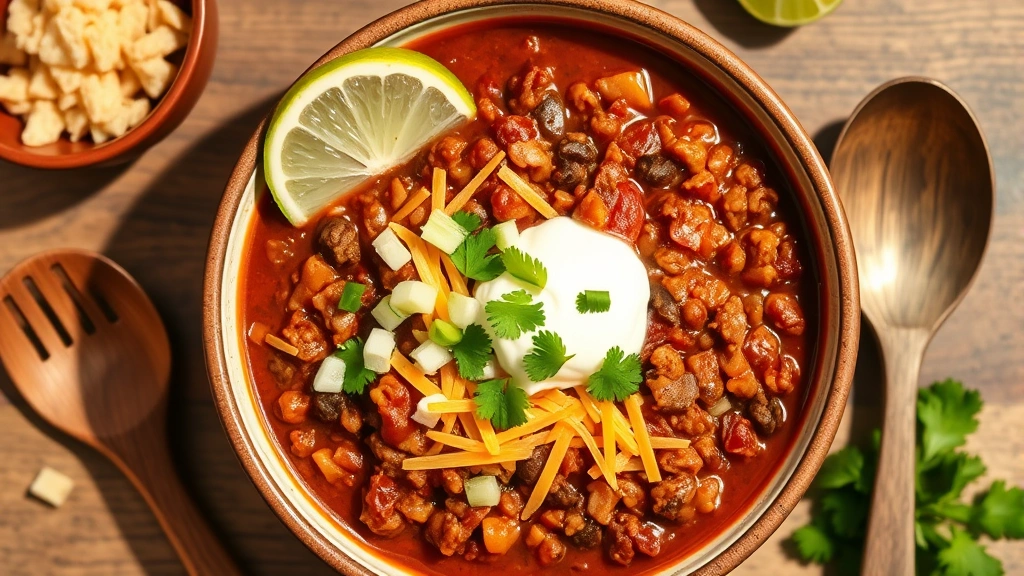
Classic Bowl Presentation: Serve chili in warmed bowls with traditional toppings: diced onions, shredded cheddar cheese, sour cream, and fresh cilantro. This straightforward approach lets the chili’s quality shine through without distraction.
Build-Your-Own Topping Bar: Set up multiple toppings allowing guests to customize their bowls. Include shredded cheese varieties, diced jalapeños, sliced radishes, crispy tortilla strips, lime wedges, and fresh herbs. This interactive approach works well for casual gatherings and family meals.
Chili Cheese Fries: Serve ground bison chili over crispy oven-baked fries with melted cheese for a hearty, indulgent dish. This presentation works beautifully for casual entertaining or game-day gatherings.
Southwestern Bowls: Layer chili with rice, black beans, corn, and top with white queso recipe for a complete meal. Add avocado crema recipe and fresh lime for brightness.
Chili-Stuffed Peppers: Use this bison chili to fill halved bell peppers, top with cheese, and bake at 375°F for 25-30 minutes. This presentation is elegant enough for dinner parties while remaining approachable for weeknight cooking.
Complement with Sides: Serve alongside Mexican chicken recipes for a protein-forward feast, or pair with summer potluck recipes for balanced entertaining. Green goddess dressing recipe drizzled over fresh greens provides a refreshing counterpoint to the chili’s richness.
Storage and Make-Ahead Tips
Refrigerator Storage: Ground bison chili keeps excellently in the refrigerator for 4-5 days when stored in airtight containers. The flavors actually improve after sitting overnight, as ingredients continue melding and developing. Simply reheat gently over medium-low heat, adding a splash of broth if the consistency has thickened too much.
Freezing for Future Meals: This chili freezes beautifully for up to 3 months. Portion it into individual containers or quart-sized freezer bags for convenient future meals. Leave half an inch of headspace in containers to allow for expansion during freezing. Thaw overnight in the refrigerator and reheat gently before serving. Frozen chili is perfect for busy weeknights when you need a complete meal without cooking from scratch.
Make-Ahead Strategy: Prepare this chili through step 5 (adding beans and broth) up to 8 hours ahead. Store in the refrigerator, then simply bring to a simmer and continue with step 6 when ready to serve. This approach lets you handle time-intensive preparation during calmer moments, then finish cooking when guests arrive.
Slow Cooker Method: After browning the bison and building aromatics (steps 1-4), transfer everything to a slow cooker with beans and broth. Cook on low for 6-8 hours or high for 3-4 hours. This hands-off approach yields equally delicious results with minimal active cooking time, making it perfect for busy days.
FAQ
Can I substitute ground bison with other meats?
Yes, though results will differ slightly. Ground beef works as a direct substitute but will yield a fattier, less refined chili. Ground turkey or chicken creates a lighter version but lacks bison’s distinctive flavor. For best results with substitutes, use 85/15 or 90/10 ground beef to minimize excess fat. The cooking technique remains the same regardless of meat choice.
Where can I purchase ground bison meat?
Ground bison is increasingly available at specialty grocery stores, natural foods markets, and through online retailers specializing in grass-fed meats. The National Bison Association provides a directory of bison suppliers. Some farmers’ markets feature bison producers. Purchasing directly from ranches often provides better pricing for bulk orders.
How can I make this chili vegetarian?
Replace ground bison with crumbled extra-firm tofu or cooked lentils. Use vegetable broth instead of beef broth. Increase tomato paste to 1.5 cans for additional umami depth. Add mushrooms (cremini or shiitake) sautéed with the onions for meaty texture and umami flavor. The cooking time remains the same.
What’s the best chili powder for this recipe?
Single-origin chili powders from specialty spice retailers offer superior flavor to mass-market blends. Look for pure chili powders like ancho, guajillo, or New Mexico varieties. Avoid pre-mixed chili seasoning packets, which contain fillers and salt that cloud flavors. Freshly ground chili powder (grinding dried chiles yourself) delivers the most vibrant results.
Can I adjust the heat level?
Absolutely. For milder chili, reduce cayenne pepper to 1/4 teaspoon or omit entirely. For spicier versions, increase cayenne to 1 teaspoon and add 1/4 teaspoon chipotle powder for smoky heat. Fresh jalapeños or serranos sautéed with onions add fresh heat. Remember that heat intensifies during storage, so season conservatively initially.
How do I know when the chili is properly cooked?
The bison meat should be tender and break apart easily when stirred. The sauce should coat a spoon without running off. Flavors should be well-integrated without distinct spice notes standing out individually. A properly cooked chili tastes harmonious, with balanced heat, acidity, and savory depth. When in doubt, cook longer—extended simmering rarely harms chili quality.
What’s the difference between this and beef chili?
Ground bison delivers leaner meat without the heavy fat layer that accumulates during cooking. The flavor is subtly sweeter and more complex, with earthy undertones that complement traditional chili spices beautifully. Bison requires gentler cooking to prevent toughening, which this recipe accounts for through lower heat and longer simmering. Nutritionally, bison provides more omega-3 fatty acids and minerals than beef.
Can I make this in larger quantities?
This recipe doubles and triples easily. When increasing batch size, use the same cooking times—no need to extend simmering for doubled recipes. Just ensure your pot is large enough to hold all ingredients comfortably without crowding. A 6-8 quart Dutch oven accommodates a triple batch easily.


