
Healthy Overnight Oats? Nutritionist Approved!
Overnight oats have become a breakfast staple for health-conscious individuals seeking convenience without compromising nutrition. This no-cook method transforms raw oats into a creamy, satisfying meal that sits in your refrigerator overnight, ready to eat the moment you wake up. Whether you’re rushing out the door or enjoying a leisurely morning, overnight oats deliver sustained energy, fiber, and essential nutrients in every spoonful.
What makes overnight oats truly special is their versatility and science-backed nutrition profile. Unlike traditional cooked oatmeal, the overnight soaking process breaks down complex starches and increases bioavailability of minerals like iron and zinc. This means your body can absorb more nutrients from each serving. Combined with protein-rich additions and healthy fats, you’re creating a breakfast that satisfies hunger for hours and stabilizes blood sugar levels throughout your morning.
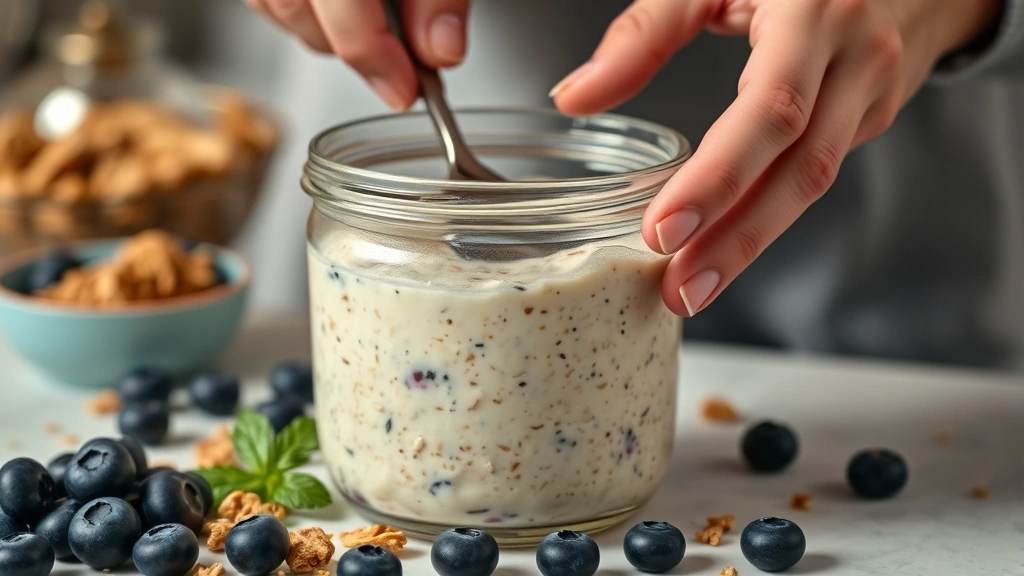
Why Overnight Oats Are Nutritionist-Approved
Nutritionists recommend overnight oats for several compelling reasons rooted in food science and practical nutrition. The overnight soaking process activates enzymes and reduces anti-nutrients like phytic acid, which can inhibit mineral absorption. This enzymatic action makes your breakfast more bioavailable, meaning your body works more efficiently to extract vitamins and minerals from the oats.
The combination of soluble fiber from oats (beta-glucan) with protein and healthy fats creates an ideal macronutrient balance for sustained energy. This trio of nutrients slows digestion, preventing blood sugar spikes that lead to energy crashes and cravings. Research from institutions like the American College of Sports Medicine demonstrates that high-fiber breakfasts improve cognitive function, mood, and metabolic performance throughout the day.
Unlike many quick breakfast options, overnight oats require minimal processing and no added refined sugars unless you choose to include them. You control every ingredient, eliminating mysterious additives and excessive sodium found in commercial breakfast cereals. This makes overnight oats perfect for anyone managing blood sugar, following anti-inflammatory diets, or simply seeking whole-food nutrition.
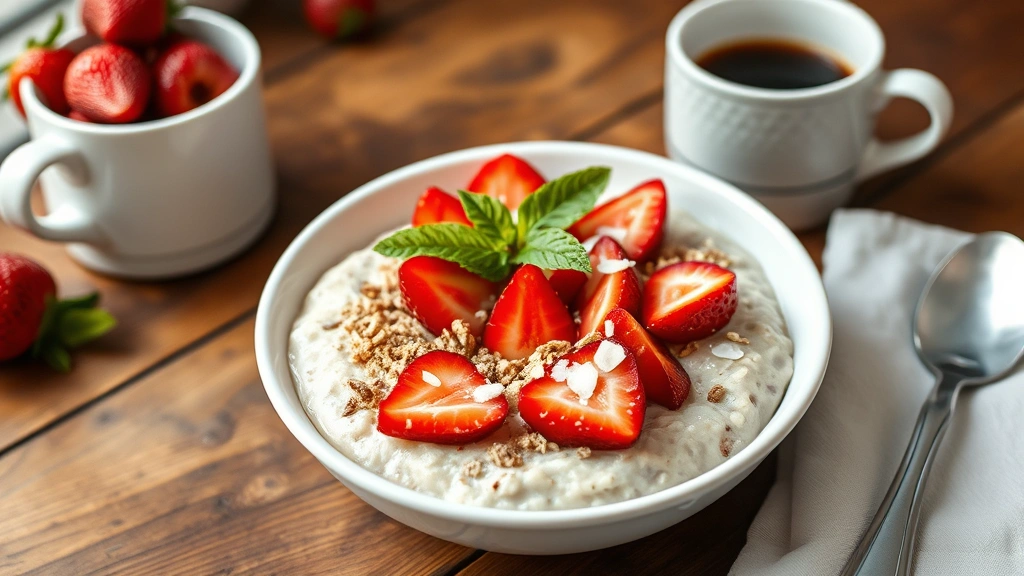
Essential Ingredients for Healthy Overnight Oats
Creating nutritionist-approved overnight oats starts with selecting quality base ingredients. Your foundation consists of three critical components: oats, liquid, and protein sources. Let’s break down each category to help you make informed choices.
Oat Selection: Use rolled oats (old-fashioned) rather than instant varieties, which contain more processed ingredients and break down too quickly. Steel-cut oats work too but require additional soaking time. Avoid instant oatmeal packets loaded with added sugars and flavorings. One cup of rolled oats provides approximately 10 grams of protein, 8 grams of fiber, and essential minerals including manganese, phosphorus, and magnesium.
Liquid Base Options: Your liquid ratio should be roughly 1:1 oats to liquid, though consistency preferences vary. Dairy options include whole milk (adds calcium and natural protein), Greek yogurt (boosts protein to 20+ grams), or a combination of both. Plant-based alternatives include unsweetened almond milk, oat milk, coconut milk, or soy milk. Each brings unique nutritional profiles—soy milk rivals dairy for protein content, while coconut milk adds healthy medium-chain triglycerides. Choose unsweetened varieties to control sugar intake.
Protein Additions: Beyond liquid dairy, incorporate protein sources like Greek yogurt, cottage cheese, hemp seeds, chia seeds, or plant-based protein powder. Aim for 15-20 grams of total protein per serving to maximize satiety and muscle support. Chia seeds additionally provide omega-3 fatty acids and expand with liquid, creating a pudding-like texture.
Healthy Fats: Include sources like nut butters, nuts, seeds, coconut oil, or avocado. These fats slow carbohydrate digestion and improve fat-soluble vitamin absorption. Just two tablespoons of almond butter adds 7 grams of protein and healthy monounsaturated fats while keeping calories reasonable.
Flavor and Nutrient Boosters: Vanilla extract, cinnamon, cocoa powder, and unsweetened matcha powder add depth without empty calories. Cinnamon specifically helps regulate blood sugar and provides antioxidants. Fresh or frozen berries, banana slices, and chopped nuts add fiber, vitamins, and textural interest.
Step-by-Step Recipe Instructions
Basic Healthy Overnight Oats Recipe (Serves 1)
Ingredients:
- ½ cup rolled oats (old-fashioned)
- ½ cup unsweetened Greek yogurt
- ½ cup unsweetened milk of choice
- 1 tablespoon almond butter
- ½ frozen banana, sliced
- ½ teaspoon vanilla extract
- ¼ teaspoon ground cinnamon
- 1 tablespoon ground flaxseed
- Pinch of sea salt
- Optional: ½ teaspoon raw honey or maple syrup
Instructions:
- Combine dry ingredients: In a mason jar or container, add rolled oats, ground flaxseed, cinnamon, and sea salt. Stir to distribute spices evenly, ensuring cinnamon doesn’t clump at the bottom.
- Add wet ingredients: Pour Greek yogurt and milk directly into the jar. Add almond butter and vanilla extract. Stir thoroughly until well combined, breaking up any yogurt clumps. The mixture should resemble thick porridge.
- Layer fruit: Arrange frozen banana slices on top. Frozen fruit works better than fresh because it won’t release excess liquid and maintains texture throughout the night.
- Seal and refrigerate: Cover the jar tightly with a lid or plastic wrap. Refrigerate for at least 4 hours, though overnight (8-12 hours) is ideal for maximum texture development and enzyme activation.
- Check consistency in morning: Remove from refrigerator and stir. If too thick, add 2-3 tablespoons additional milk. If too thin, stir in more oats or yogurt.
- Customize toppings: Transfer to a bowl if desired, or eat directly from the jar. Add fresh berries, granola, coconut flakes, or additional nut butter just before eating.
Nutritional Profile (approximate): 320 calories, 14g protein, 38g carbohydrates, 12g fat, 7g fiber. This balanced ratio provides sustained energy for 4-5 hours.
Flavor Combinations and Variations
The beauty of overnight oats lies in endless customization possibilities. Here are scientifically-balanced combinations that work wonderfully:
Berry Blast Variation: Combine ½ cup mixed berries (fresh or frozen), ½ cup Greek yogurt, ½ cup coconut milk, 1 tablespoon ground flaxseed, and ¼ teaspoon cardamom. Berries provide anthocyanins—powerful antioxidants linked to improved heart health and cognitive function. This variation pairs perfectly with quick breakfast prep routines.
Chocolate Peanut Butter Variation: Mix 1 tablespoon natural peanut butter, 1 tablespoon unsweetened cocoa powder, ½ cup milk, ½ cup Greek yogurt, and optional ½ teaspoon honey. This satisfies sweet cravings while providing polyphenols from cocoa that support cardiovascular health. The combination mimics dessert while maintaining nutritional integrity.
Tropical Coconut Variation: Combine ½ cup coconut milk, ½ cup Greek yogurt, ½ frozen mango, 1 tablespoon shredded unsweetened coconut, and ¼ teaspoon turmeric. Turmeric contains curcumin, a potent anti-inflammatory compound. This variation works excellently for meal prep planning since tropical flavors remain vibrant after refrigeration.
Apple Cinnamon Variation: Layer diced apple, 1 tablespoon almond butter, ½ cup milk, ½ cup Greek yogurt, ½ teaspoon vanilla, and ¾ teaspoon cinnamon. Apples provide quercetin, a flavonoid with anti-inflammatory properties. The combination evokes comforting apple pie while delivering genuine nutrition.
Matcha Green Tea Variation: Whisk ½ teaspoon matcha powder with 2 tablespoons hot water until smooth. Cool slightly, then add to ½ cup milk and ½ cup Greek yogurt with oats. Matcha provides L-theanine, an amino acid promoting calm focus. This variation appeals to coffee alternatives seekers.
Storage and Meal Prep Tips
Overnight oats excel as meal prep breakfasts, allowing you to prepare 3-5 days’ worth simultaneously. This strategy ensures consistent nutrition even during hectic weeks, eliminating breakfast decision fatigue.
Optimal Storage Conditions: Store prepared overnight oats in airtight glass jars or containers at 35-40°F (standard refrigerator temperature). Glass containers prevent flavor absorption that can occur with plastic. Properly stored overnight oats maintain quality for 4-5 days, though most people prefer eating them within 3 days when texture remains optimal.
Texture Preservation Strategy: Keep crunchy toppings (granola, nuts, seeds) separate until eating. Add them just before consumption to maintain crunch. If you prefer softer nuts, mix them in during jar preparation. Freeze-dried fruit works beautifully mixed in advance since it maintains texture and won’t release excess moisture.
Separation and Settling: Overnight oats naturally separate during refrigeration, with liquid settling to the bottom. This is completely normal and desirable—it indicates proper hydration. Simply stir well before eating. If you prefer more uniform consistency, shake the jar vigorously for 30 seconds.
Temperature Preferences: Eat straight from the refrigerator for cool, refreshing breakfasts, or microwave for 60-90 seconds for warm comfort-food vibes. Add 2-3 tablespoons milk before microwaving to prevent drying out. Some people prefer room temperature, which works well during warmer months.
Batch Preparation Method: Prepare 5 jars simultaneously by measuring dry ingredients into all containers first, then adding liquids and proteins. This assembly-line approach reduces total prep time to 10-15 minutes. Label jars with preparation dates using waterproof markers.
Customizing for Dietary Restrictions
Overnight oats accommodate virtually every dietary need with thoughtful substitutions and ingredient selections.
Gluten-Free: While oats are naturally gluten-free, cross-contamination during processing affects some people. Purchase certified gluten-free oats, which cost slightly more but guarantee safety for celiac disease and gluten sensitivity. All other ingredients remain unchanged.
Dairy-Free and Vegan: Replace Greek yogurt with coconut yogurt or silken tofu (provides similar creaminess and protein). Use plant-based milk exclusively. Add vegan protein powder to reach 15+ grams protein. Chia seeds, hemp seeds, and nut butters provide complete amino acid profiles. This approach suits plant-forward meal planning beautifully.
Nut Allergies: Substitute nut butters with sunflower seed butter or tahini, offering similar nutritional profiles and creamy texture. Include sunflower seeds, pumpkin seeds, or hemp seeds for healthy fats and minerals. These alternatives contain comparable protein and fat content.
Low-FODMAP (IBS Management): Use lactose-free milk or oat milk, limit fruit to blueberries and strawberries (well-tolerated), avoid honey, and skip garlic-containing ingredients. Maple syrup works as a low-FODMAP sweetener. This variation requires careful ingredient selection but remains delicious and nourishing.
High-Protein for Athletes: Increase Greek yogurt to ¾ cup, add 1 scoop plant-based or whey protein powder, and include 2 tablespoons nut butter. This combination reaches 25-30 grams protein, supporting muscle recovery and adaptation. Time consumption within 1-2 hours post-workout for optimal muscle protein synthesis.
Low-Sugar for Diabetics: Eliminate added sweeteners entirely, relying on natural fruit sweetness. Use berries rather than bananas or dried fruit. Include cinnamon and vanilla for perceived sweetness without blood sugar impact. This approach provides stable energy for 4-5 hours without insulin spikes.
The comprehensive nutrition science behind overnight oats supports their adoption across diverse dietary frameworks. Whether managing health conditions or optimizing athletic performance, overnight oats adapt seamlessly.
FAQ
Can I eat overnight oats without refrigerating them?
Technically yes, though refrigeration is strongly recommended. The cold temperature slows bacterial growth and activates enzymatic processes that improve digestibility. Room temperature overnight oats may develop off-flavors or texture changes within hours. Always refrigerate for food safety and optimal taste.
Why do my overnight oats taste gritty?
Grittiness typically indicates insufficient liquid or inadequate soaking time. Ensure your liquid-to-oat ratio is at least 1:1, preferably 1.2:1. Soak for minimum 4 hours; overnight (8-12 hours) produces creamier results. Stir thoroughly before eating to distribute liquid evenly. Using steel-cut oats instead of rolled oats may also cause grittiness.
How can I make overnight oats less thick?
Simply add more liquid—milk, yogurt, or non-dairy alternatives. Start with 2-3 tablespoons and stir until reaching desired consistency. You can adjust thickness each morning without affecting other ingredients. Some people prefer adding liquid each morning rather than during preparation.
Are overnight oats safe during pregnancy?
Absolutely. Overnight oats provide excellent prenatal nutrition including fiber, iron, folate, and protein. Use pasteurized dairy products and ensure all ingredients are fresh. The balanced macronutrient profile supports healthy weight gain and fetal development. Consult your healthcare provider about specific dietary needs.
Can I use instant oats instead of rolled oats?
While possible, instant oats produce mushy, less-appealing texture due to their pre-processing. They also often contain added sugars and sodium. Rolled oats maintain pleasant texture after overnight soaking. If you only have instant oats available, reduce soaking time to 2-3 hours and expect softer results.
How much protein should overnight oats contain?
Aim for 15-20 grams per serving for optimal satiety and muscle support. This typically requires combining Greek yogurt or cottage cheese with additional protein sources like seeds, nuts, or protein powder. Check nutrition labels to verify total protein content.
Can I freeze overnight oats?
Yes! Freeze in individual jars or containers for up to 3 months. Thaw overnight in the refrigerator or microwave for 90-120 seconds. Texture may change slightly with freezing, becoming slightly grainier, but nutritional value remains intact. This strategy extends meal prep convenience significantly.
What’s the difference between overnight oats and regular oatmeal?
Overnight oats use raw oats soaked in cold liquid overnight, requiring no cooking. This cold-soaking process increases enzyme activity and reduces anti-nutrients differently than heat-cooking. The resulting texture is creamier and more pudding-like. Overnight oats require no morning preparation, making them ideal for busy schedules. Both methods provide excellent nutrition with different flavor and texture profiles.


