
Healthy Waffle Recipe: Nutritionist Approved
Waffles don’t have to be guilty indulgences. With the right ingredient swaps and preparation techniques, you can create fluffy, satisfying waffles that align with your nutritional goals. This nutritionist-approved healthy waffle recipe delivers on taste while keeping calories, sugar, and unhealthy fats in check. Whether you’re managing your weight, optimizing athletic performance, or simply prioritizing wellness, these waffles prove that breakfast can be both delicious and nutritious.
The key to mastering healthy waffles lies in understanding how to substitute traditional refined ingredients without sacrificing texture or flavor. By combining whole grains, natural sweeteners, and protein-rich additions, you’ll create a breakfast that sustains energy levels throughout your morning. This recipe serves 4-6 people and takes approximately 20 minutes from start to finish.
Ingredient Breakdown & Nutritional Benefits
Creating a healthy waffle recipe requires understanding what each ingredient contributes to both nutrition and texture. Unlike traditional waffles made with all-purpose flour and refined sugar, this recipe emphasizes whole food components that provide sustained energy and essential nutrients.
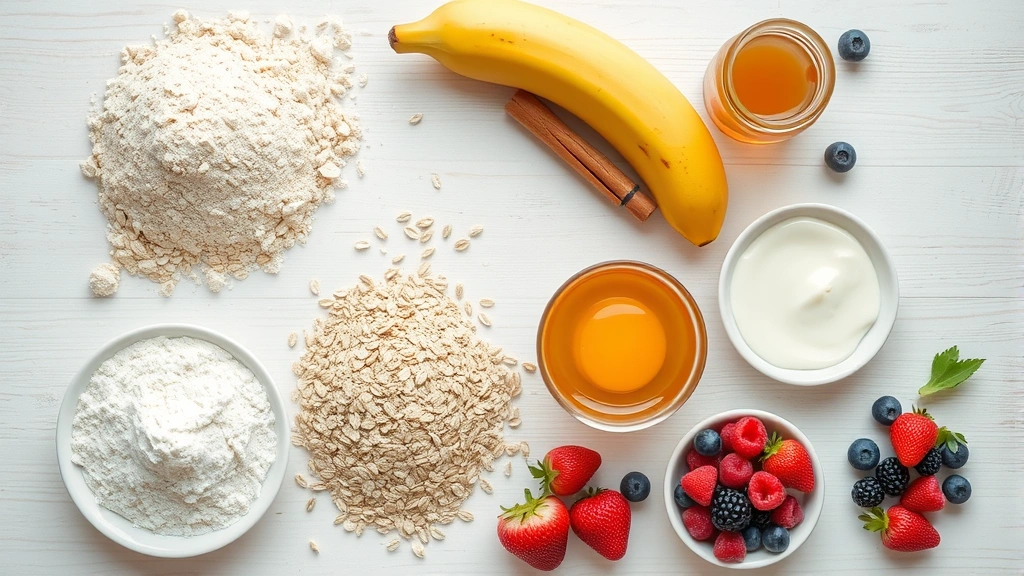
Dry Ingredients: This recipe uses a combination of whole wheat flour and oat flour as the base. Whole wheat flour contains significantly more fiber and B vitamins than refined white flour, while oat flour adds beta-glucans—soluble fiber that supports heart health. You’ll also incorporate ground flaxseed, which provides omega-3 fatty acids and additional fiber. A touch of baking powder and baking soda ensures proper rise and texture without relying on excessive sugar for browning.
Wet Ingredients: Instead of butter and whole milk, this recipe uses Greek yogurt and unsweetened almond milk. Greek yogurt contributes protein (approximately 15-20g per serving) while creating a tender crumb structure. The almond milk keeps calories minimal while maintaining moisture. A single egg binds ingredients together while adding choline for brain health.
Sweetening: Rather than granulated sugar, this recipe relies on mashed banana and pure vanilla extract for natural sweetness. Bananas provide potassium, resistant starch, and a subtle sweetness that requires no processing. If additional sweetness is desired, a small amount of honey or maple syrup can be added—both contain trace minerals and phytonutrients absent in refined sugar.
Flavor Enhancers: Cinnamon adds warmth while helping regulate blood sugar levels. Research from the American College of Sports Medicine suggests spices like cinnamon may improve glucose metabolism. A pinch of sea salt balances sweetness and enhances overall flavor complexity.
Understanding these ingredients helps you appreciate why each component matters. When you’re looking to create high protein low calorie recipes, whole food ingredients become your foundation for success.
Step-by-Step Recipe Instructions
Ingredients (Makes 12-16 waffles):
- 1 cup whole wheat flour
- ¾ cup oat flour
- 2 tablespoons ground flaxseed
- 2 teaspoons baking powder
- ½ teaspoon baking soda
- 1 teaspoon ground cinnamon
- ¼ teaspoon sea salt
- 1 cup plain Greek yogurt (non-fat or 2%)
- ¾ cup unsweetened almond milk
- 1 large egg
- 1 ripe banana, mashed
- 2 teaspoons pure vanilla extract
- 1 tablespoon honey (optional, for extra sweetness)
- Cooking spray or coconut oil for waffle iron
Step 1: Prepare Your Waffle Iron Preheat your waffle iron according to manufacturer instructions, typically 5-7 minutes. This ensures even cooking and proper browning. While waiting, lightly coat the iron with cooking spray or a small amount of coconut oil. This prevents sticking without adding excessive fat.
Step 2: Combine Dry Ingredients In a large mixing bowl, whisk together whole wheat flour, oat flour, ground flaxseed, baking powder, baking soda, cinnamon, and sea salt. This step aerates the flour and distributes leavening agents evenly. The combination of baking powder and baking soda creates lift while the flaxseed adds structural support and nutrition. Take your time whisking—approximately 30-45 seconds ensures proper incorporation.
Step 3: Mix Wet Ingredients Separately In a separate medium bowl, combine Greek yogurt, almond milk, egg, mashed banana, vanilla extract, and honey if using. Whisk vigorously for 1-2 minutes until the mixture becomes smooth and well-combined. The mashed banana should be fully incorporated with no visible chunks. This wet mixture will be slightly thicker than traditional waffle batter due to the Greek yogurt—this is intentional and creates a denser, more protein-rich waffle.
Step 4: Create the Batter Create a well in the center of your dry ingredients and pour in the wet mixture. Using a spatula or wooden spoon, gently fold the ingredients together until just combined. The batter should have some small lumps remaining—do not overmix. Overmixing develops gluten excessively, resulting in tough, dense waffles rather than light, fluffy ones. The batter will be thicker than conventional waffle batter, which is correct for this recipe.
Step 5: Cook the Waffles Working in batches, pour approximately ½ to ¾ cup batter into your preheated waffle iron, depending on your iron’s size. Close the lid gently and cook for 4-5 minutes, or until steam stops flowing from the sides and the exterior achieves a light golden brown color. Resist the urge to open the waffle iron prematurely, as this disrupts cooking and can result in undercooked centers.
Step 6: Transfer and Keep Warm Carefully remove each finished waffle using a fork or tongs, placing it on a wire rack rather than a plate. Using a rack prevents steam from accumulating underneath, which would soften the exterior. If you need to keep waffles warm while cooking remaining batches, place finished waffles in a 200°F oven on a baking sheet.
The entire cooking process should take approximately 15-20 minutes for a full batch. This recipe yields 12-16 waffles depending on your waffle iron size, making it perfect for meal prep or feeding a family.
When you’ve mastered this basic healthy waffle recipe, you might explore complementary dishes. A burger bowl recipe offers a completely different meal option for balanced nutrition throughout your week.
Customization & Topping Ideas
The beauty of this healthy waffle recipe lies in its versatility. The base recipe provides a neutral canvas for countless flavor variations and toppings, allowing you to match your waffles to seasonal ingredients and personal preferences.
Flavor Variations: Add ½ teaspoon of nutmeg and ¼ teaspoon of ginger for autumn-inspired waffles. For chocolate lovers, incorporate 2 tablespoons of unsweetened cocoa powder into the dry ingredients—this adds only 12 calories per waffle while providing antioxidants. Blueberry enthusiasts can fold ¾ cup of fresh or frozen blueberries into the batter just before cooking. These variations maintain the nutritional integrity of the base recipe while adding excitement and variety.
Protein Boosters: To increase protein content further, add 2-3 tablespoons of vanilla protein powder to your dry ingredients. This is particularly beneficial if you’re following high protein low calorie recipes for fitness goals. Alternatively, add 2 tablespoons of natural peanut butter to your wet ingredients for both protein and healthy fats.
Smart Topping Choices: Rather than traditional whipped cream and syrup, choose toppings that complement the nutritional profile of these waffles. Fresh Greek yogurt (2-3 tablespoons) provides additional protein and creaminess with only 20-30 calories. Top with fresh berries—strawberries, raspberries, and blueberries add vitamins, minerals, and natural sweetness. A drizzle of pure maple syrup (1 tablespoon) offers authentic flavor without the refined sugar of pancake syrup. Sliced almonds or walnuts (¼ cup) add crunch and omega-3 fatty acids. For those who enjoy savory breakfast options, try a fried egg on top with a sprinkle of everything bagel seasoning.
Sauce Alternatives: Create a quick berry compote by simmering 1 cup of mixed berries with 1 tablespoon of honey and ½ teaspoon of lemon juice for 3-4 minutes. This provides natural sweetness and antioxidants without added sugars. Alternatively, mix plain Greek yogurt with cinnamon and vanilla extract for a creamy topping that requires no cooking.
Complete Nutritional Analysis
Understanding the nutritional content of your breakfast helps you make informed dietary decisions and track macronutrients effectively. This analysis is based on the recipe yielding 14 waffles without optional honey.
Per Waffle (without toppings):
- Calories: 95-110
- Protein: 4.5-5.5g
- Carbohydrates: 14-16g
- Dietary Fiber: 2-2.5g
- Fat: 2-2.5g (mostly unsaturated)
- Sodium: 180-200mg
- Sugar: 2-3g (primarily from banana)
These numbers demonstrate how dramatically different these waffles are from traditional versions. A typical restaurant waffle contains 400-600 calories, 8-12g of fat, and 15-25g of added sugar. This recipe achieves satisfaction with a fraction of the calories while providing superior nutritional value.
The protein content deserves particular attention. At 4.5-5.5g per waffle, you’re getting approximately 9-11g of protein per serving (two waffles), which provides sustained satiety and supports muscle recovery. This makes these waffles particularly suitable for active individuals or those following high protein low calorie recipes as part of their fitness regimen.
The fiber content—approximately 4-5g per serving—contributes to digestive health and helps maintain stable blood sugar levels. This is significant because it means these waffles provide sustained energy rather than the blood sugar spike-and-crash cycle associated with refined grain waffles.
Macronutrient Ratios: This recipe follows a balanced macronutrient distribution: approximately 50-55% carbohydrates, 20-25% protein, and 20-25% fat. These ratios support sustained energy, muscle maintenance, and satiety—ideal for most people’s nutritional needs.
Resources like the Academy of Nutrition and Dietetics recommend whole grains, lean proteins, and natural sweeteners—exactly what this recipe provides.

Storage & Make-Ahead Tips
One of the greatest advantages of this healthy waffle recipe is its meal-prep potential. Unlike store-bought frozen waffles containing preservatives and additives, homemade waffles can be prepared in advance and stored easily.
Refrigerator Storage: Cooked waffles can be stored in an airtight container in the refrigerator for up to 4 days. To reheat, place waffles in a toaster oven at 350°F for 3-4 minutes until warmed through and slightly crispy. Avoid using a microwave, which creates a rubbery texture. Alternatively, toast them in a regular toaster on a medium setting.
Freezer Storage: This is where meal prep truly shines. Allow cooked waffles to cool completely on a wire rack, then arrange them in a single layer on a baking sheet and freeze for 2-3 hours. Once frozen solid, transfer them to a freezer bag or airtight container where they’ll keep for up to 3 months. This method prevents waffles from sticking together. To reheat frozen waffles, simply pop them into a toaster on a medium-high setting—they’ll thaw and crisp simultaneously, taking approximately 3-4 minutes.
Batter Preparation: While the batter is best used fresh, you can prepare the dry ingredients the night before, storing them in an airtight container. Keep wet ingredients separate in the refrigerator. Combine them just before cooking for optimal texture and rise.
Batch Cooking Strategy: Dedicate one weekend morning to making a full batch—this yields 12-16 waffles. Freeze half for busy weekdays when breakfast time is limited. This approach ensures you always have a nutritious breakfast option available, eliminating the temptation to resort to less healthy alternatives.
This make-ahead capability makes healthy breakfast achievable even during hectic weeks. You’ll find that having prepared healthy options reduces overall meal prep stress and improves dietary consistency.
FAQ
Can I use all-purpose flour instead of whole wheat flour?
While you can substitute all-purpose flour, the nutritional benefits diminish significantly. All-purpose flour lacks the fiber, B vitamins, and mineral content of whole wheat flour. If you must substitute, use a 1:1 ratio, but expect slightly less nutritional value and potentially a less robust flavor. For optimal results, stick with whole wheat flour or try a combination of whole wheat and spelt flour for variety.
What if I don’t have a waffle iron?
This batter can be adapted for pancakes or crepes, though cooking times will differ. For pancakes, use a slightly thinner batter (add ¼ cup additional almond milk) and cook on a griddle over medium heat for 2-3 minutes per side. The nutritional content remains essentially the same, though the texture will differ—pancakes will be slightly fluffier while waffles have crispier exteriors.
Is this recipe suitable for people with gluten sensitivity?
This recipe contains gluten from whole wheat flour and regular oat flour. For a gluten-free version, substitute with certified gluten-free oat flour (use 1½ cups total) and gluten-free all-purpose flour (¾ cup). Add ½ teaspoon of xanthan gum to replace gluten’s binding properties. The cooking time may need slight adjustment—monitor carefully as gluten-free batters sometimes cook slightly faster.
Can I make this recipe dairy-free?
Absolutely. Replace Greek yogurt with dairy-free Greek yogurt alternatives (several brands now offer this) or use silken tofu for protein content. Almond milk is already dairy-free. The nutritional profile remains comparable, though you may need to adjust liquid content slightly depending on which yogurt alternative you choose. Ensure your chosen products aren’t loaded with added sugars.
How can I increase the protein content further?
Several methods work effectively. Add 2-3 tablespoons of vanilla or plain protein powder to dry ingredients. Add 2 tablespoons of natural almond or peanut butter to wet ingredients. Use full-fat Greek yogurt instead of non-fat (adds approximately 2-3g protein per waffle). Combine multiple methods for maximum protein—just monitor that batter consistency remains appropriate for cooking.
What’s the best way to reheat frozen waffles?
A regular toaster provides the best results, delivering crispy exteriors and warm interiors in 3-4 minutes. Toaster ovens at 350°F work well for reheating multiple waffles simultaneously (3-4 minutes). Avoid microwaves, which create rubbery texture. Air fryers set to 350°F for 2-3 minutes also work beautifully if you have access to one.
Can I prepare the batter the night before?
Separate dry and wet ingredients—dry ingredients can sit overnight in an airtight container. Keep wet ingredients refrigerated separately. Combine just before cooking for best results. If you must combine them, do so no more than 2-3 hours ahead, and stir gently before cooking as some separation may occur.
What toppings pair best with these waffles?
Fresh berries, Greek yogurt, sliced almonds, pure maple syrup, and cinnamon create a classic pairing. For savory options, try a fried egg with everything bagel seasoning. Nut butters, coconut flakes, and fresh fruit also complement the subtle sweetness beautifully. Avoid heavy cream and sugary syrups to maintain the nutritional integrity you’ve worked to achieve.


