
Ultimate Hibachi at Home? Chef-Approved Method
Hibachi cooking brings the theatrical excitement and precision of Japanese teppanyaki directly to your kitchen. This ancient griddle technique, perfected by professional chefs over decades, transforms simple ingredients into restaurant-quality meals with dramatic flair and exceptional flavor. Whether you’re hosting a dinner party or seeking a new weeknight cooking method, mastering hibachi at home elevates your culinary repertoire while creating unforgettable dining experiences.
The beauty of hibachi lies in its versatility and speed. High-heat cooking seals proteins instantly, vegetables retain their crisp texture, and aromatics bloom with intensity. Unlike traditional stovetop cooking, hibachi’s flat surface and concentrated heat create distinctive caramelization and flavor development that’s difficult to replicate elsewhere. This comprehensive guide walks you through every aspect of hibachi cooking, from equipment selection to advanced technique, ensuring you achieve professional results consistently.
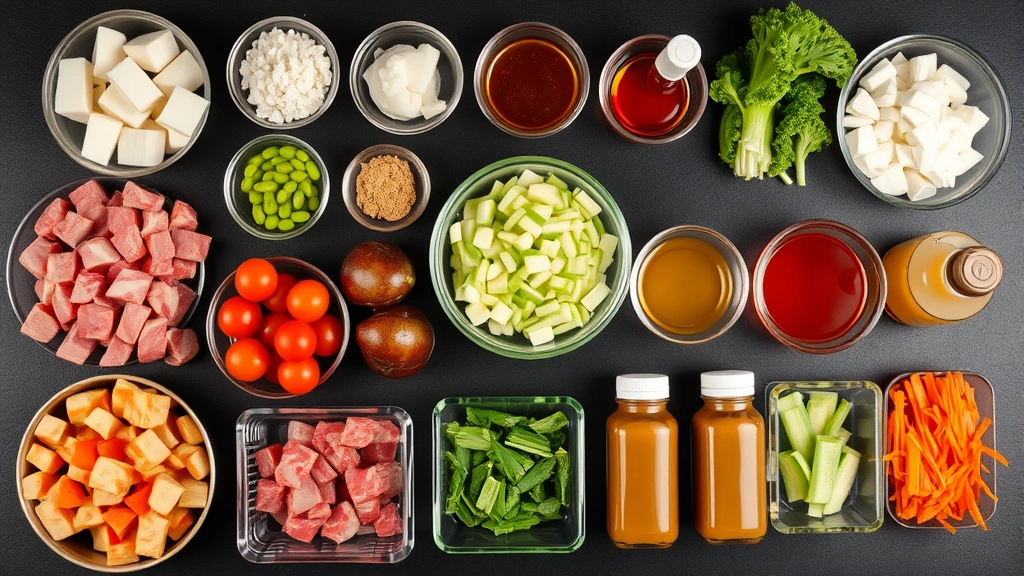
Understanding Hibachi Cooking Fundamentals
Hibachi, derived from Japanese words meaning “fire” and “bowl,” represents far more than a cooking method—it’s a culinary philosophy emphasizing precision, timing, and respect for ingredients. Professional hibachi chefs spend years perfecting their craft, developing muscle memory for temperature control and ingredient placement that ensures optimal results every single time.
The fundamental principle behind hibachi cooking involves high-temperature contact between food and a flat metal surface, creating a Maillard reaction that develops complex flavors and attractive browning. Unlike grilling, which relies on radiant heat from below, hibachi uses direct conduction heat from the griddle itself. This distinction matters significantly because it allows precise control over cooking intensity and enables the simultaneous preparation of multiple components without flavor transfer.
Temperature management separates amateur attempts from professional-quality hibachi. The griddle surface should reach 375-400°F for most proteins and vegetables, though this varies based on ingredient type and desired doneness. Understanding how different foods respond to this intense heat—when they release moisture, when they begin caramelizing, when they achieve ideal doneness—forms the foundation of hibachi mastery.
Japanese culinary tradition emphasizes minimizing waste through thoughtful preparation and cooking. This philosophy aligns perfectly with modern food waste reduction tips, where every trim and scrap finds purpose in stocks, sides, or accompanying dishes.
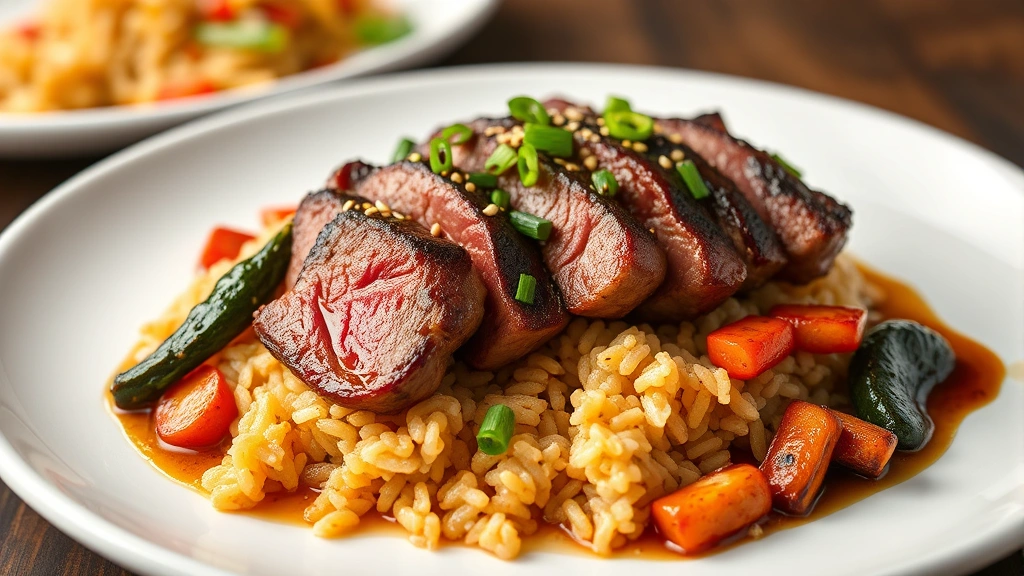
Essential Equipment and Setup
Investing in proper equipment determines your hibachi success more than any other factor. While restaurants use massive commercial-grade griddles with sophisticated ventilation systems, home hibachi can be achieved through several viable options, each with distinct advantages and limitations.
Tabletop Electric Griddles offer the most accessible entry point for home hibachi enthusiasts. Quality models like the Waring or Cres Core provide even heat distribution, precise temperature control, and compact storage. Look for models featuring stainless steel construction, adjustable thermostats, and flat cooking surfaces measuring at least 20 inches wide. These griddles typically cost $100-300 and handle most home hibachi needs effectively.
Cast Iron or Carbon Steel Griddles work beautifully over gas stovetops or portable burners, though they require more active temperature management. These traditional surfaces develop seasoning over time, improving non-stick properties and flavor development. Cast iron retains heat exceptionally well, maintaining consistent temperature even as cool ingredients contact the surface.
Outdoor Flat-Top Grills represent the premium option for serious enthusiasts. Blackstone and similar brands manufacture dedicated flat-top grills specifically designed for hibachi-style cooking. These larger surfaces accommodate multiple proteins and vegetables simultaneously, making them ideal for entertaining.
Beyond the primary cooking surface, assemble supporting tools: long-handled metal spatulas (minimum 18 inches), cooking chopsticks, a fine-mesh strainer, squeeze bottles for oils and sauces, and heat-resistant gloves. Professional hibachi chefs often use specialized equipment including metal doming lids for steaming components and angled scrapers for precise chopping and movement.
Ventilation matters critically. Hibachi cooking generates significant smoke and steam. If using an indoor griddle, position it near a range hood or open windows to maintain comfortable air quality. Outdoor setups eliminate this concern entirely while adding theatrical appeal to your presentation.
Ingredient Preparation and Organization
Japanese cuisine emphasizes mise en place—having all ingredients prepared and organized before cooking begins. This principle becomes absolutely essential for hibachi, where cooking happens rapidly and adjusting mid-process becomes difficult.
Protein Selection and Cutting
Choose high-quality proteins with good fat marbling. Premium beef cuts like ribeye, New York strip, or filet mignon work beautifully, as do chicken breast, shrimp, and scallops. Thickness matters significantly: aim for 1-1.5 inch pieces that cook through while developing exterior browning. Partially freeze proteins 30 minutes before cutting—this makes slicing cleaner and more uniform.
Vegetable Preparation
Cut vegetables into uniform pieces ensuring even cooking. Onions should be quartered and separated into individual petals, mushrooms sliced 1/4 inch thick, zucchini bias-cut into ovals, and broccoli cut into florets. Consistency in sizing prevents some vegetables from finishing while others remain undercooked. Keep prepared vegetables in separate containers, maintaining cool temperatures until cooking begins.
Sauce and Seasoning Organization
Fill squeeze bottles with cooking oils, clarified butter, and prepared sauces. This presentation style aligns with traditional hibachi theater while enabling precise sauce application. Arrange salt, pepper, and specialty seasonings within arm’s reach. Many home cooks create a simple quick pickle recipe or vegetable sides like an easy coleslaw recipe to serve alongside hibachi mains, adding textural contrast and flavor complexity.
Consider preparing roasted garlic recipe components in advance—minced roasted garlic becomes a sublime hibachi finishing element, adding depth without overpowering other flavors.
Mastering Heat Control and Timing
Professional hibachi chefs develop intuitive understanding of temperature management through thousands of repetitions. As a home cook, you can accelerate this learning through deliberate practice and understanding the science underlying heat control.
Temperature Zones
Divide your griddle into three temperature zones: high heat (400°F+) for searing proteins, medium heat (325-375°F) for vegetables, and low heat (200-250°F) for finishing or keeping components warm. This zoning strategy allows simultaneous cooking of different ingredients with optimal results for each.
Sequence and Timing
Always begin with proteins, which require the highest heat and longest cooking time. Sear steaks 3-4 minutes per side for medium-rare, chicken breast 5-6 minutes per side, and shrimp 2-3 minutes per side. Once proteins reach target doneness, push them to a cooler zone and begin vegetables. This sequence prevents overcooking while maximizing flavor development.
Moisture Management
Proteins release moisture when first contacting the hot griddle. Resist the urge to move them constantly—allow this moisture to evaporate before attempting to flip, typically 2-3 minutes for most proteins. This patience enables proper browning and crust development. Vegetables also release water; stir them occasionally to encourage evaporation and caramelization.
Resting and Carryover Cooking
Remove proteins from the griddle 5°F below target temperature, accounting for carryover cooking as residual heat continues raising internal temperature. A steak reaching 125°F on the griddle will rise to 130°F during the 3-minute rest, achieving perfect medium-rare.
Classic Hibachi Recipes
Hibachi Steak and Vegetables
The foundational hibachi dish combines premium beef with an array of vegetables in a choreographed cooking sequence. Select a 12-ounce ribeye steak, cutting it into 1-inch cubes. Prepare zucchini, onion, mushrooms, and broccoli according to specifications outlined in the preparation section.
Heat your griddle to 400°F. Place butter on the surface, allowing it to foam and brown slightly. Add steak pieces in a single layer, seasoning generously with salt and pepper. Sear undisturbed for 3 minutes, then flip and sear another 3 minutes for medium-rare. Push to a warm zone.
Add more butter and begin vegetables, starting with items requiring longest cooking: onions first (4 minutes), then mushrooms and zucchini (3 minutes), finishing with broccoli (2 minutes). Toss vegetables occasionally, creating movement that encourages caramelization. Season progressively throughout cooking rather than all at once, allowing flavors to develop in layers.
Return steak to center of griddle, combine with vegetables, and drizzle with your chosen sauce. Toss everything together for 30 seconds, creating a harmonious final dish where proteins and vegetables have developed complementary flavors and textures.
Hibachi Shrimp and Scallop Medley
Seafood hibachi offers lighter options with equally impressive results. Use large shrimp (16-20 count) and diver scallops (U-10 size, meaning fewer than 10 per pound). Pat seafood completely dry before cooking—moisture prevents proper browning.
Heat griddle to 375°F. Add clarified butter and arrange shrimp and scallops in a single layer without crowding. Cook shrimp 2 minutes per side, scallops 3 minutes per side. Season with salt, white pepper, and a hint of garlic powder. The quick cooking preserves delicate texture while developing a golden exterior.
Prepare vegetables using the timing outlined above. Combine seafood with vegetables during the final minute, tossing gently to avoid breaking delicate proteins. Finish with a squeeze of fresh lemon and a drizzle of garlic butter sauce.
Hibachi Chicken with Fried Rice
Chicken hibachi provides an economical yet elegant option perfect for weeknight entertaining. Use boneless, skinless chicken breast, cut into 1-inch cubes for even cooking. Prepare vegetables and cooked rice in advance—fried rice cooking happens simultaneously with protein preparation.
Heat griddle to 375°F. Sear chicken 5-6 minutes total, turning occasionally for even cooking. Season with salt, pepper, and a touch of garlic powder. Push to a warm zone.
Add oil to a cleared section of the griddle and begin fried rice preparation. Break up cold cooked rice, allowing individual grains to separate and make contact with the hot surface. Add diced vegetables, a beaten egg, and soy sauce, tossing continuously for 3-4 minutes until rice becomes fragrant and develops light browning. Combine with chicken and serve immediately.
Professional Techniques and Tricks
The Art of Griddle Manipulation
Professional hibachi chefs execute dramatic moves that appear effortless but require significant practice. The most fundamental skill involves using two metal spatulas simultaneously—one in each hand—to flip, chop, and move ingredients with precision. Begin practicing with one spatula, developing comfort and control before introducing the second.
Creating an Onion Volcano
This iconic hibachi presentation involves stacking onion rings into a tower, creating a well at the center. Pour butter and soy sauce into this well, allowing it to simmer and caramelize. The visual drama captivates diners while the caramelized onion becomes an exceptional flavor component. Practice this technique with patient repetition—perfecting the stacking and sauce application takes dedicated effort.
Egg Fried Rice Technique
The secret to exceptional fried rice involves pushing cooked rice to the griddle’s perimeter, cracking eggs directly onto the hot surface, and allowing them to cook partially before mixing with the rice. This creates pockets of slightly set egg throughout the rice, adding richness and textural interest. Work quickly and confidently—hesitation results in overcooked, rubbery eggs.
Flavor Layering Through Butter and Oil
Professional chefs layer different fats throughout cooking rather than adding everything at once. Begin with clarified butter for proteins, switch to neutral oil for vegetables, and finish with a final butter addition infused with garlic or other aromatics. This progression builds complexity without overwhelming individual flavors.
Temperature Control Through Griddle Positioning
If your griddle lacks precise temperature control, create heat zones through strategic positioning relative to the heat source. Items requiring high heat stay centered; items needing gentler treatment move toward the edges. This spatial organization provides sophisticated temperature management without complex equipment.
Creating Signature Sauces
Hibachi sauces transform cooked proteins and vegetables into memorable dishes. While many restaurants guard proprietary sauce recipes, understanding basic flavor principles enables you to create exceptional versions at home.
Classic Hibachi Butter Sauce
Combine 4 tablespoons unsalted butter with 2 tablespoons soy sauce, 1 tablespoon mirin, 1 teaspoon sesame oil, and minced garlic. Heat gently until butter melts and aromatics bloom, approximately 2 minutes. This sauce provides savory depth with subtle sweetness, complementing virtually any hibachi protein.
Garlic Ginger Sauce
Whisk together 3 tablespoons soy sauce, 2 tablespoons rice vinegar, 1 tablespoon mirin, 1 teaspoon sesame oil, 2 teaspoons minced fresh ginger, and 3 cloves minced garlic. This sauce works beautifully with seafood and vegetables, adding brightness and complexity. Prepare it in advance—flavors deepen as ingredients meld.
Spicy Mayo Sauce
Combine 1/2 cup Japanese mayonnaise with 1 tablespoon sriracha, 1 teaspoon rice vinegar, and 1/2 teaspoon sesame oil. Adjust heat level to preference. This creamy, spicy sauce provides luxurious coating for proteins and vegetables, adding richness without heaviness.
Teriyaki Glaze
Simmer 1/2 cup soy sauce with 1/4 cup mirin, 2 tablespoons sugar, and 1 tablespoon sake until reduced by one-third, approximately 5 minutes. This concentrated glaze provides intense umami and slight sweetness, perfect for finishing grilled proteins. Brush onto items during the final minute of cooking, allowing the sauce to caramelize slightly.
Experiment with incorporating fig preserves recipe elements into sweet-savory sauces, or add complexity through apple cider vinegar drink recipe inspiration by incorporating small amounts of quality vinegar into your sauce bases.
FAQ
What’s the difference between hibachi and teppanyaki?
While often used interchangeably, these terms describe distinct cooking styles. Hibachi refers to smaller, more intimate cooking, while teppanyaki typically involves larger griddles and more theatrical presentation. Both use flat griddle surfaces and high-heat cooking techniques, but teppanyaki emphasizes showmanship and performance elements more prominently.
Can I use a regular griddle for hibachi cooking?
Yes, absolutely. Any flat cooking surface heated to appropriate temperatures works for hibachi-style cooking. Electric griddles, cast iron, carbon steel, and flat-top grills all produce excellent results. The key involves understanding your specific equipment’s heat characteristics and adapting technique accordingly.
How do I prevent food from sticking to the griddle?
Proper heat and adequate fat prevent sticking. Allow the griddle to reach full temperature before adding food, use sufficient butter or oil, and avoid moving items excessively. Proteins naturally release from the surface once a crust forms—forcing movement before this point causes sticking.
What’s the best oil for hibachi cooking?
High-heat cooking requires oils with high smoke points. Clarified butter (ghee), avocado oil, and refined vegetable oil all work beautifully. Many hibachi chefs prefer clarified butter for its flavor contribution, though it has a slightly lower smoke point than refined oils. Use neutral oils for high-temperature searing, reserving specialty oils for finishing.
How can I achieve professional-looking plating at home?
Arrange proteins and vegetables thoughtfully on the plate, creating height and visual interest. Keep components slightly separated rather than piling everything together. Drizzle sauces artfully rather than pooling them. Garnish with fresh herbs, sesame seeds, or microgreens to add color and sophistication. Remember that hibachi’s theatrical cooking process becomes part of the dining experience—the presentation extends beyond the final plate.
Can I prepare hibachi components in advance?
Yes, thorough advance preparation separates successful hibachi entertaining from stressful experiences. Cut proteins and vegetables several hours ahead, storing them separately in the refrigerator. Prepare sauces the day before, allowing flavors to develop. Cook rice in advance if planning fried rice. The actual cooking happens quickly once ingredients reach the griddle, but this speed becomes possible only through meticulous preparation.
What temperature should my griddle reach for cooking?
Aim for 375-400°F for most hibachi cooking. Proteins benefit from the higher end of this range, while vegetables cook beautifully at 350-375°F. If your griddle lacks a thermometer, test temperature by sprinkling water droplets on the surface—they should immediately evaporate and dance across the surface.
How do I clean my hibachi griddle properly?
Allow the griddle to cool slightly, then scrape away food debris using a metal spatula or specialized griddle scraper. Wipe with a damp cloth, using a bit of oil to prevent rust if using cast iron or carbon steel. For electric griddles, follow manufacturer instructions regarding water exposure. Regular cleaning prevents buildup and maintains optimal cooking performance.


