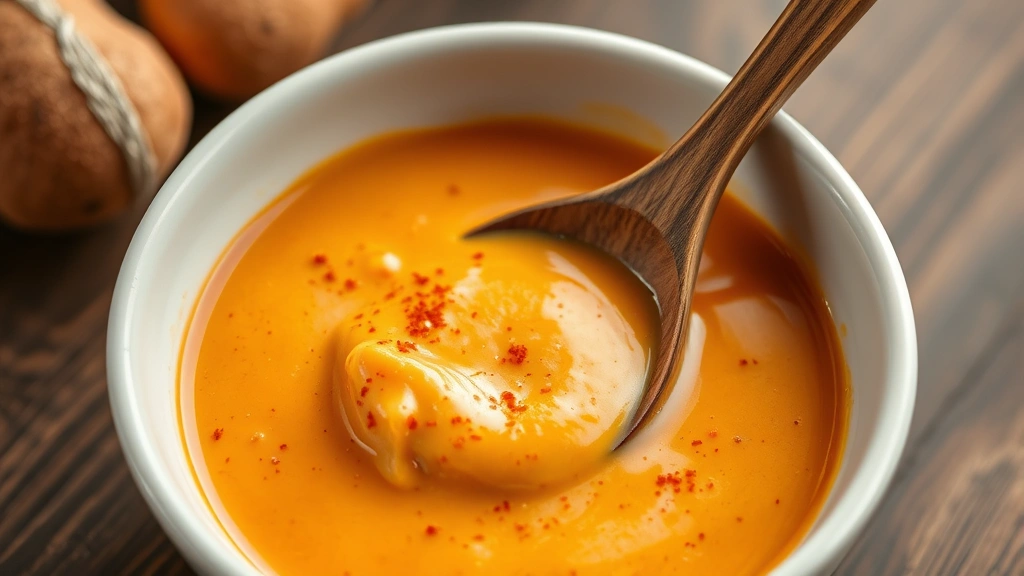
Easy Yum Yum Sauce Recipe: Fan Favorite Condiment That’s Better Homemade
Yum yum sauce has become a beloved condiment at Japanese steakhouses and teppanyaki restaurants across America, but here’s the secret: you can make this creamy, slightly sweet, and utterly addictive sauce right in your own kitchen. Whether you’re drizzling it over fried rice, dipping shrimp, or topping grilled vegetables, homemade yum yum sauce delivers restaurant-quality flavor in minutes. This easy recipe requires just a handful of pantry staples and no special cooking skills, making it perfect for weeknight dinners and entertaining.
The beauty of making your own yum yum sauce lies in controlling the ingredients and customizing the flavor profile to suit your preferences. Store-bought versions often contain preservatives and excessive amounts of sugar, while this homemade version tastes fresher and brighter. Once you master this simple recipe, you’ll find yourself making it regularly for easy dinner recipes for beginners and special occasions alike.
Ingredients You’ll Need
Creating authentic yum yum sauce requires surprisingly few ingredients, most of which you likely have on hand. The base combines mayonnaise with ketchup and other simple additions that create the signature creamy-tangy flavor profile. Here’s what you’ll gather:
- Mayonnaise (1 cup) – The creamy foundation that gives yum yum sauce its luxurious texture
- Ketchup (3 tablespoons) – Provides sweetness and tangy tomato notes
- Butter (2 tablespoons, melted) – Adds richness and helps emulsify the sauce
- Paprika (1 teaspoon) – Contributes subtle smokiness and color
- Garlic powder (1/2 teaspoon) – Enhances savory depth
- Onion powder (1/4 teaspoon) – Adds complexity without chunks
- Water or chicken broth (2-3 tablespoons) – Adjusts consistency to your preferred thickness
- Salt and white pepper (to taste) – Balances flavors
- Optional: cayenne pepper or sriracha (pinch to 1/4 teaspoon) – For those who prefer added heat
The beauty of this ingredient list is its simplicity and accessibility. No exotic components or hard-to-find items required—just quality basics that transform into something extraordinary. Many home cooks already stock these essentials in their pantry, making yum yum sauce an accessible condiment for any skill level.
Step-by-Step Instructions
Creating restaurant-quality yum yum sauce at home takes just five minutes and requires no cooking equipment beyond a mixing bowl. Follow these straightforward steps for perfect results every time:
- Gather your base ingredients. In a medium mixing bowl, combine 1 cup of mayonnaise with 3 tablespoons of ketchup. Use a whisk or fork to blend these together until the mixture achieves a uniform light pink color. This creates the creamy foundation that defines yum yum sauce.
- Add the melted butter. Pour 2 tablespoons of melted butter into the mayo-ketchup mixture. Whisk thoroughly to incorporate the butter completely. The fat from the butter enriches the sauce and helps achieve a silky, pourable consistency that clings beautifully to food.
- Combine dry seasonings. Measure out 1 teaspoon of paprika, 1/2 teaspoon of garlic powder, 1/4 teaspoon of onion powder, and a pinch each of salt and white pepper. Add these to your bowl and whisk vigorously for about 30 seconds until the spices are evenly distributed and no streaks remain.
- Adjust the consistency. Add 2 tablespoons of water or chicken broth and stir well. The sauce should coat the back of a spoon but still pour smoothly. If it’s too thick, add another tablespoon of liquid. If it’s too thin, add a tablespoon of mayonnaise. This step is crucial for achieving the perfect restaurant texture.
- Taste and adjust. Sample a small spoonful and evaluate the flavor balance. Add more salt if needed, extra paprika for deeper color, or a pinch of cayenne if you want heat. Remember that flavors intensify slightly as the sauce sits, so go easy at first.
- Transfer to serving vessel. Pour your finished yum yum sauce into a small bowl or squeeze bottle. The squeeze bottle option makes drizzling over dishes much easier during service. If storing for later, use an airtight container.
The entire process takes less time than ordering takeout, and the results taste significantly better than most restaurant versions. The key to success lies in thorough whisking to ensure even spice distribution and proper emulsification of the ingredients.
Flavor Variations and Customizations
While the classic recipe delivers authentic yum yum sauce flavor, creative variations allow you to tailor this condiment to your specific preferences. Here are popular modifications that expand your sauce repertoire:
Spicy Yum Yum Sauce – For heat lovers, add 1/4 to 1/2 teaspoon of cayenne pepper or sriracha to the base recipe. Some cooks prefer mixing in red pepper flakes for a more textured heat. This version pairs exceptionally well with seafood and spicy vegetables.
Sriracha-Infused Version – Replace the water with 2 tablespoons of sriracha sauce for a more complex spicy profile with Asian undertones. This variation works wonderfully for best healthy food recipes featuring shrimp or chicken.
Smoky Chipotle Variation – Add 1 tablespoon of finely minced chipotle peppers in adobo sauce along with an extra 1/2 teaspoon of smoked paprika. This creates a completely different flavor profile that’s exceptional for grilled meats and vegetables.
Garlic-Forward Version – Increase garlic powder to 1 teaspoon and add 1/2 teaspoon of roasted garlic powder for an intense, savory sauce. Some cooks add a tablespoon of minced fresh garlic for even more punch.
Honey-Sweetened Variation – For a slightly sweeter sauce, reduce ketchup to 2 tablespoons and add 1 tablespoon of honey. This version appeals to those who prefer milder, dessert-like undertones.
Asian-Inspired Fusion – Add 1/2 teaspoon of sesame oil and 1/4 teaspoon of ginger powder to create an East-meets-West variation. A splash of rice vinegar (1 teaspoon) adds brightness and complexity.
These variations demonstrate the sauce’s versatility. Start with the classic recipe, then experiment with these modifications to discover your favorite version. Keep detailed notes on your adjustments so you can replicate successful batches.
Understanding flavor balance helps you create custom variations successfully. Remember that salt enhances other flavors, acid (vinegar, lemon) adds brightness, fat (mayo, butter) carries flavor, and heat (spices, peppers) adds complexity. By adjusting these elements, you can create signature sauces tailored to your preferences.
Storage and Make-Ahead Tips
One of yum yum sauce’s greatest advantages is its incredible shelf life and make-ahead convenience. Proper storage ensures your sauce stays fresh and flavorful for extended periods:
Refrigerator Storage – Store finished yum yum sauce in an airtight glass container in the refrigerator where it keeps for up to two weeks. The cool temperature prevents bacterial growth while the sealed environment prevents flavor absorption from surrounding foods. Avoid storing near strong-smelling items like onions or garlic.
Freezer Storage – For longer storage, freeze yum yum sauce in ice cube trays for up to three months. Once frozen solid, transfer cubes to a freezer bag for convenient portioning. Thaw cubes in the refrigerator before using, or warm gently in a small saucepan over low heat.
Make-Ahead Strategy – Prepare double or triple batches when making yum yum sauce. The ingredients are inexpensive and the preparation is quick, making batch cooking practical. This approach ensures you always have sauce ready for impromptu meals or entertaining.
Separation Prevention – If your sauce separates during storage, whisk it vigorously for 30 seconds or place it in a blender for 10 seconds. The emulsion will re-combine, restoring the creamy texture. This separation doesn’t indicate spoilage—it’s simply a natural result of ingredient settling.
Container Selection – Glass containers preserve flavor better than plastic, which can absorb odors and stains. Squeeze bottles work wonderfully for easy application during cooking and serving. Label containers with preparation dates for easy reference.
Serving Suggestions
Yum yum sauce’s versatility makes it appropriate for countless dishes beyond traditional teppanyaki preparations. Here are creative serving ideas that expand this condiment’s applications:
Fried Rice and Noodles – Drizzle yum yum sauce generously over fried rice, lo mein, or ramen for creamy richness. The sauce’s sweetness balances savory soy flavors beautifully. This pairing works particularly well with easy dinner recipes that include shrimp or chicken.
Grilled Vegetables and Meat – Serve yum yum sauce alongside grilled zucchini, mushrooms, steak, or chicken for a restaurant-quality presentation. The creamy sauce contrasts wonderfully with charred, crispy exteriors.
Appetizer Dipping – Use yum yum sauce as a dip for shrimp tempura, vegetable tempura, or fried calamari. The cool, creamy sauce balances the heat and richness of fried foods perfectly.
Sandwich and Burger Topping – Spread yum yum sauce on burgers, hot dogs, or sandwiches for a gourmet upgrade. The sauce works especially well with Asian-inspired sandwiches featuring pulled pork or chicken.
Sushi Roll Accompaniment – Drizzle yum yum sauce over sushi rolls or serve as a dipping sauce. The creamy texture complements raw fish and vegetables beautifully.
Vegetable Sides – Toss steamed broccoli, cauliflower, or Brussels sprouts with yum yum sauce for a creamy vegetable side dish. This approach transforms simple vegetables into something special and memorable.
Pizza Drizzle – A small drizzle of yum yum sauce over pizza slices adds unexpected richness and flavor complexity. This works especially well on seafood or vegetarian pizzas.
The sauce’s mild, slightly sweet profile makes it compatible with numerous cuisines beyond Japanese. Experiment with different applications to discover your favorite uses.
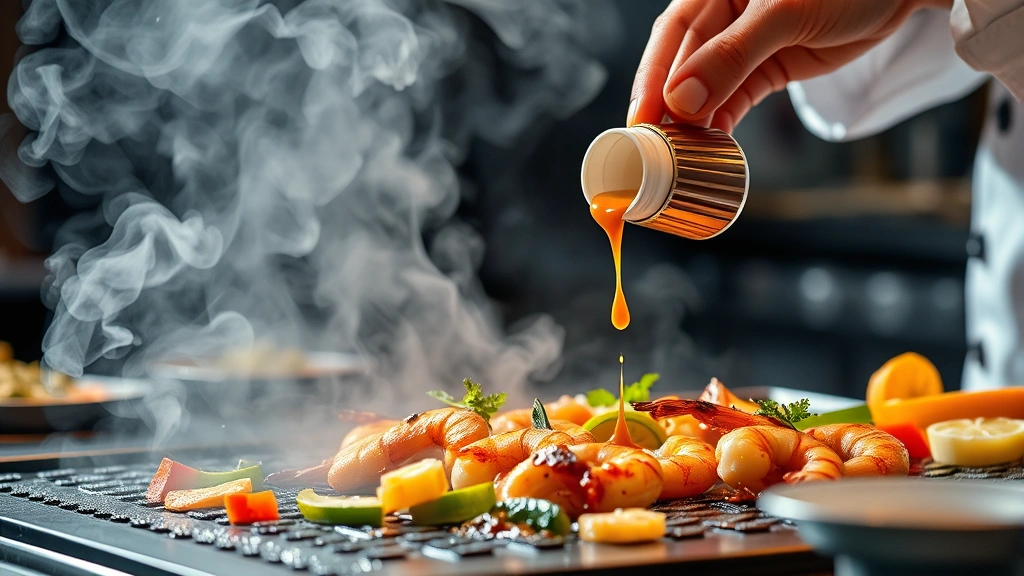
Understanding the science behind yum yum sauce helps you appreciate why this simple combination works so well. The mayonnaise provides emulsification, keeping oil and water-based ingredients together smoothly. The ketchup adds sweetness and acidity that balance the richness of mayo and butter. Paprika contributes color and subtle smokiness, while garlic and onion powders add savory depth without introducing moisture that would thin the sauce.
Professional chefs recognize that the best sauces rely on balance rather than complexity. Yum yum sauce exemplifies this principle perfectly. Each ingredient serves a specific purpose, and removing or significantly altering any component changes the final result noticeably. This is why the recipe has remained largely unchanged since its creation at Japanese steakhouses decades ago.
The texture of yum yum sauce matters as much as its flavor. The sauce should coat food but not be so thick that it’s difficult to drizzle or dip. This balance requires proper ratio of mayo to liquid. Too much liquid and the sauce becomes thin and watery. Too little and it becomes difficult to work with. Finding your personal preference for thickness is part of making this recipe your own.
Temperature affects how yum yum sauce performs. Warm sauce flows more easily and clings better to hot foods, while cold sauce works better for dipping. Some cooks warm their sauce gently before service at teppanyaki-style meals, while others prefer it chilled. Experiment with both temperatures to determine your preference.
For those interested in cooking science and technique, Serious Eats offers comprehensive explanations of emulsification and sauce-making principles. Understanding these fundamentals helps you troubleshoot any issues and create variations confidently.
FAQ
Can I make yum yum sauce without mayonnaise?
While mayonnaise is the traditional base, you can substitute with Greek yogurt for a tangier, protein-rich version. Use 3/4 cup Greek yogurt mixed with 1/4 cup sour cream for the best texture and flavor. The sauce will be slightly thinner and less rich but still delicious. Vegan mayo works excellently for plant-based diets while maintaining authentic flavor.
Why does my yum yum sauce look separated?
Separation occurs when the emulsion breaks, typically from temperature fluctuations or extended storage. This is purely cosmetic and doesn’t indicate spoilage. Simply whisk the sauce vigorously for 30 seconds or blend briefly to restore smoothness. Ensure all ingredients are at room temperature before making sauce to prevent separation.
How spicy should yum yum sauce be?
Traditional yum yum sauce is mild with no heat. However, personal preferences vary widely. Start with a small pinch of cayenne and taste before adding more. You can always increase heat, but you can’t remove it. Many people enjoy the classic mild version, while others prefer moderate spice levels.
Can I use fresh garlic instead of garlic powder?
Yes, but use minced fresh garlic sparingly—about 1/2 teaspoon—as fresh garlic is more potent than powder. Fresh garlic will slightly thin the sauce due to moisture content. Add it gradually and taste as you go. Some cooks prefer the brighter flavor of fresh garlic, while others stick with powder for consistency and shelf stability.
What’s the best way to serve yum yum sauce at a dinner party?
Transfer sauce to a small bowl or squeeze bottle for easy serving. If serving warm sauce, place the bowl over a small flame or in a warm water bath to maintain temperature. For cold sauce, chill the bowl beforehand. Provide small spoons or dipping sticks so guests can control portion sizes.
How long does homemade yum yum sauce last?
Properly stored in an airtight container, yum yum sauce lasts two weeks in the refrigerator and up to three months in the freezer. The high mayo content and lack of fresh ingredients contribute to its excellent shelf life. Always check for any off smells or colors before using stored sauce.
Can I make yum yum sauce in a blender?
Yes, blending creates an exceptionally smooth, uniform sauce. Combine all ingredients in a blender and pulse for 10-15 seconds until completely smooth. Be careful not to over-blend, which can cause the mayo to break. For small batches, hand-whisking in a bowl works just as well and requires less cleanup.
Is yum yum sauce gluten-free?
Most store-bought mayo, ketchup, and spices are gluten-free, making this recipe naturally gluten-free for most people. However, verify that all ingredients, especially ketchup brands, are certified gluten-free if serving those with celiac disease or gluten sensitivity. Some ketchup brands contain gluten, so always read labels carefully.


