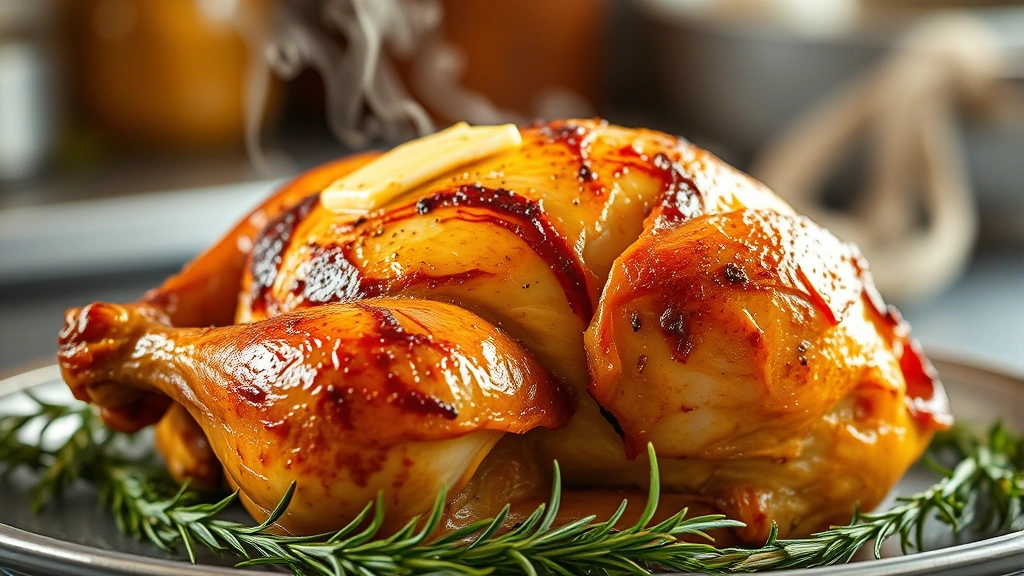
Cornish Hen Delight: Grandma’s Trusted Recipe
There’s something truly magical about preparing a Cornish hen recipe that has been passed down through generations. These petite, tender birds have graced family dinner tables for decades, offering an elegant yet approachable alternative to traditional chicken. Cornish hens are smaller cousins of broiler chickens, weighing between 1.5 to 2 pounds each, making them perfect for individual servings or intimate dinner parties. Their delicate meat cooks quickly and absorbs flavors beautifully, which is why grandma’s recipe has remained a beloved favorite across countless kitchens.
What makes this cornish hen recipe truly special is its simplicity combined with sophisticated flavors. The recipe relies on time-honored techniques that don’t require culinary school training—just good ingredients, patience, and a genuine love for feeding people well. Whether you’re preparing a special Sunday dinner or looking to impress guests, this foolproof method will deliver restaurant-quality results right from your home kitchen.
Understanding Cornish Hens
Cornish hens represent a unique category in poultry that deserves appreciation. Unlike regular chickens, these birds mature quickly and develop tender, juicy meat that cooks evenly throughout. A single Cornish hen typically serves one to two people, making portion control straightforward and elegant. The meat-to-bone ratio is favorable, yielding more edible portions than you might expect from such a small bird.
The flavor profile of Cornish hens is notably delicate compared to larger chickens. This characteristic makes them ideal canvases for bold seasonings and fresh herbs. When roasted properly, the skin becomes crispy and golden while the meat remains succulent and tender. The bones create an excellent foundation for making stock, so you can utilize the entire bird—nothing goes to waste in grandma’s kitchen.
Temperature control is crucial when cooking these smaller birds. Their compact size means they cook faster than standard chickens, typically requiring 45-60 minutes at 425°F. This shorter cooking time preserves the natural juices and prevents the meat from becoming dry, a common concern when roasting poultry.
Essential Ingredients and Preparation
Gathering quality ingredients is the foundation of this cornish hen recipe. You’ll need two whole Cornish hens (approximately 1.5-2 pounds each), 4 tablespoons of unsalted butter, 2 teaspoons of kosher salt, 1 teaspoon of freshly ground black pepper, 1 teaspoon of garlic powder, and 1 teaspoon of paprika. Additionally, prepare 1 lemon (cut into quarters), 4-5 sprigs of fresh thyme, 3-4 sprigs of fresh rosemary, and 1 medium onion (roughly chopped).
Before cooking, remove your Cornish hens from refrigeration 30-45 minutes prior to roasting. This allows the meat to reach closer to room temperature, promoting even cooking throughout. Pat the birds dry using paper towels—moisture on the skin prevents proper browning and crisping. Don’t skip this step; it’s essential for achieving that coveted golden exterior.
Inspect the cavity of each hen and remove any remaining giblets or packaging. Rinse the birds under cold water, then pat them thoroughly dry again. Ensure your roasting pan is clean and ready, and position your oven rack to allow adequate airflow around the birds during cooking.
When preparing your herb selection, use fresh herbs whenever possible. Dried herbs can be substituted at half the quantity, but the vibrant flavors of fresh thyme and rosemary truly elevate this dish to grandma’s standards.
Seasoning and Herb Selection
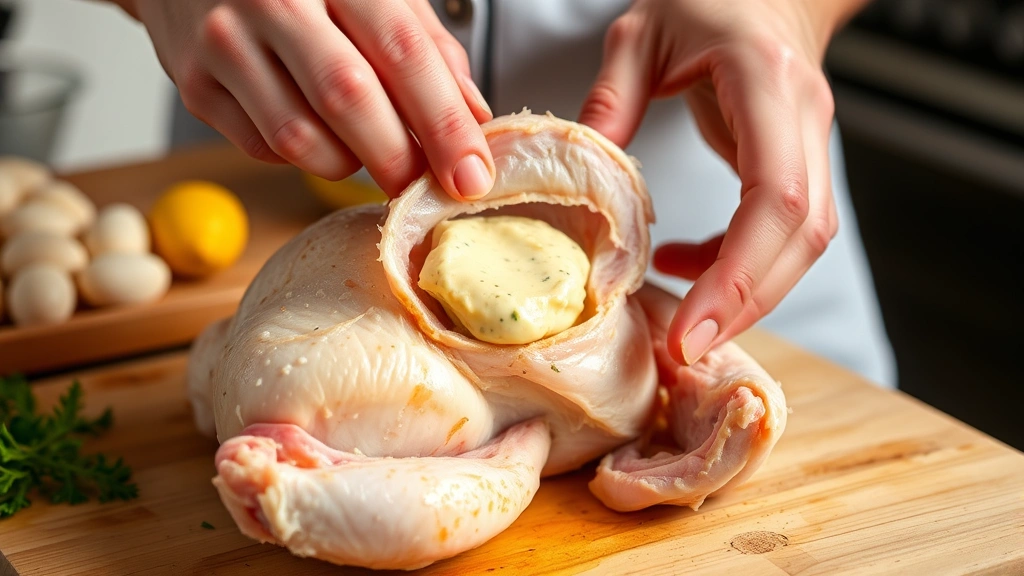
The seasoning strategy for this cornish hen recipe balances simplicity with depth. Begin by creating a compound butter that will infuse flavor directly into the meat. Combine softened butter with minced garlic, fresh thyme leaves, rosemary leaves, salt, and pepper. This aromatic mixture should be worked under the skin of each bird, distributing the flavors throughout the meat during cooking.
To apply the compound butter properly, gently separate the skin from the breast meat using your fingers, being careful not to tear the delicate skin. Work approximately one tablespoon of the herb butter under each side of the breast. This technique, borrowed from professional kitchens, ensures the seasonings penetrate the meat rather than remaining only on the surface.
Consider herbal infusions for additional complexity. Placing fresh herb sprigs inside the cavity adds subtle aromatics that permeate the meat as it cooks. The combination of external and internal seasoning creates layers of flavor that distinguish this recipe from basic roasted chicken preparations.
External seasoning should be applied generously after the herb butter. Sprinkle kosher salt, cracked black pepper, and paprika evenly across both birds. Don’t be timid with seasoning—poultry requires adequate salt to taste properly developed. The paprika adds visual appeal and a subtle smoky undertone that complements the delicate meat beautifully.
Step-by-Step Cooking Instructions
Preheat your oven to 425°F for approximately 15 minutes before cooking. This high temperature ensures proper skin crisping and promotes even cooking of the meat. Position your oven rack in the middle-upper portion, allowing heat to circulate effectively around the birds.
Place your prepared Cornish hens breast-side up in a roasting pan, positioning them so they don’t touch. If they’re crowded, the steam they release will prevent proper browning. Tuck the wing tips underneath the body for a more compact presentation and even cooking. Insert a meat thermometer into the thickest part of the thigh without touching bone.
Roast at 425°F for 45-55 minutes, depending on the exact size of your birds. Begin checking the internal temperature at the 40-minute mark. The hens are perfectly cooked when the thigh reaches 165°F and the juices run clear when pierced. The skin should be deep golden brown and crispy.
During the final 10-15 minutes of cooking, if the skin hasn’t achieved sufficient color, increase oven temperature to 450°F for the last few minutes. Watch carefully to prevent burning. Some cooks prefer basting the birds every 15 minutes with pan drippings, which adds richness and promotes even browning.
Remove the roasted hens from the oven and allow them to rest for 10 minutes before serving. This critical resting period allows the juices to redistribute throughout the meat, ensuring maximum tenderness and juiciness. Tent loosely with foil to retain warmth while resting.
During the resting period, the pan drippings can be transformed into a delicious sauce. Strain any solids from the pan juices, then proceed with sauce preparation while the hens rest.
Creating Flavorful Pan Sauces
Pan sauces elevate this cornish hen recipe from simple to sophisticated. After removing the roasted birds, place your roasting pan directly on the stovetop over medium-high heat. Deglaze the pan with 1 cup of chicken broth or dry white wine, scraping up the flavorful browned bits stuck to the bottom.
Learn the fundamentals of homemade sauce preparation to master this technique. Allow the liquid to simmer for 2-3 minutes, reducing slightly and concentrating flavors. If you prefer a thicker sauce, whisk together 1 tablespoon of cornstarch with 2 tablespoons of cold water, then slowly pour this slurry into the simmering liquid while whisking constantly.
For a classic approach, add 2-3 tablespoons of cold butter to the sauce while whisking continuously. The butter enriches the sauce and creates a silky mouthfeel. Season with salt, pepper, and a squeeze of fresh lemon juice. Fresh thyme or rosemary sprigs can be steeped in the sauce for additional herbaceous notes.
An alternative approach involves creating a cream-based sauce. After deglazing with broth, add 1/2 cup of heavy cream and simmer gently for 2 minutes. The cream tempers the sharpness of any wine and adds luxurious richness. Finish with Dijon mustard, fresh tarragon, or shallots for depth.
Transfer finished sauce to a small serving vessel. This presentation choice allows guests to customize sauce quantity on their plates, respecting individual preferences while maintaining the dish’s elegance.
Serving Suggestions and Pairings
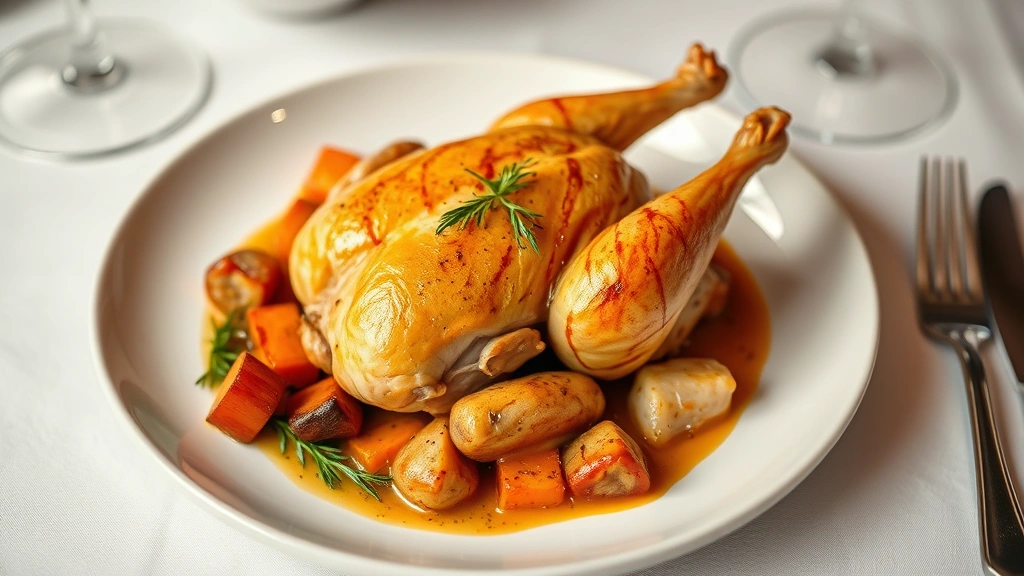
Present each Cornish hen on individual plates or a shared platter for family-style service. The compact size makes for impressive individual servings, perfect for formal dinners. Accompany with seasonal vegetables roasted alongside the birds—root vegetables, Brussels sprouts, and asparagus all roast beautifully at 425°F.
Consider exploring nutritious side dishes that complement poultry without overwhelming delicate flavors. Creamy mashed potatoes, wild rice pilaf, or simple green salads all work wonderfully. The key is allowing the Cornish hen to remain the star of the plate.
Wine pairing recommendations include light-bodied whites like Pinot Grigio or Sauvignon Blanc, which complement the delicate meat without overpowering it. Lighter reds such as Pinot Noir also pair beautifully, particularly if your sauce includes red wine elements.
For vegetable accompaniments, roast them in a separate pan to prevent overcrowding and ensure proper caramelization. Root vegetables benefit from 30-35 minutes of roasting at 425°F, tossed with olive oil, salt, and fresh herbs.
Storage and Leftovers
Leftover roasted Cornish hen keeps refrigerated for 3-4 days in an airtight container. Remove all meat from bones and store separately from skin and bones to maintain optimal texture. The bones make excellent stock for soups and sauces—simmer with vegetables and herbs for 2-3 hours to extract maximum flavor.
Shredded Cornish hen meat works beautifully in salads, grain bowls, or sandwiches. The delicate texture absorbs dressings well, making it ideal for composed salads with fresh vegetables and vinaigrettes. Consider exploring antioxidant-rich vegetable pairings for nutritious leftover preparations.
Reheating should be done gently to preserve meat tenderness. Wrap the bird loosely in foil and warm at 325°F for 15-20 minutes, just until heated through. Avoid high temperatures that dry out the delicate meat. Alternatively, shred meat and incorporate into warm preparations like soups or grain dishes.
Freezing cooked Cornish hen is possible for up to 3 months. Cool completely before wrapping tightly in plastic wrap and aluminum foil. Label with the date for easy tracking. Thaw overnight in the refrigerator before reheating.
FAQ
How many Cornish hens should I prepare per person?
One whole Cornish hen typically serves one person as a main course, or two people if served with substantial sides. For lighter appetites, one hen can stretch to two servings.
Can I prepare this cornish hen recipe ahead of time?
Yes, you can prepare the herb butter and apply it to the birds up to 24 hours in advance. Cover loosely with plastic wrap and refrigerate. Remove from refrigeration 45 minutes before roasting for best results.
What if my Cornish hens are larger than 2 pounds?
Larger birds may require 60-70 minutes of roasting. Check internal temperature at the thickest part of the thigh, aiming for 165°F. Add 5-10 minutes cooking time per additional half pound.
Can I use dried herbs instead of fresh?
Yes, substitute at half the quantity of fresh herbs. Use 1/2 teaspoon dried thyme and 1/2 teaspoon dried rosemary. Dried herbs are more concentrated, so less is needed to achieve comparable flavor intensity.
How do I know when the Cornish hen is fully cooked?
Insert a meat thermometer into the thickest part of the thigh without touching bone. The target temperature is 165°F. Additionally, pierce the thigh with a knife—juices should run clear, not pink.
What’s the best way to achieve crispy skin?
Ensure the birds are completely dry before roasting, roast at 425°F or higher, and avoid crowding the pan. Some cooks increase oven temperature to 450°F during the final 5 minutes for extra crispness.
Can I stuff the Cornish hen cavity?
Yes, but ensure any stuffing reaches 165°F internally. Use light stuffings like herb breadcrumb mixtures rather than dense preparations that may not cook through in the bird’s cooking time.


