Fire Cider Recipe: Herbalist-Approved Guide to Making This Immune-Boosting Tonic
Fire cider has become a cornerstone of natural wellness practices, blending ancient herbal traditions with modern health consciousness. This potent vinegar-based tonic combines pungent roots, spicy peppers, and aromatic herbs to create a warming elixir that herbalists have championed for centuries. Whether you’re looking to support your immune system during cold season or simply explore the world of herbal remedies, understanding how to make fire cider properly ensures you capture maximum flavor and therapeutic benefits.
The beauty of a fire cider recipe lies in its flexibility and accessibility. Unlike complex herbal formulations requiring rare ingredients, fire cider uses common pantry staples and fresh produce you can source from any grocery store or farmers market. This guide walks you through every step of the process, from ingredient selection to proper storage, ensuring your homemade fire cider rivals anything you’d purchase from specialty shops.
What is Fire Cider and Why Make It
Fire cider represents the intersection of culinary tradition and herbal medicine. At its core, this immune-boosting tonic consists of fresh vegetables, herbs, and spices steeped in raw apple cider vinegar. The resulting liquid becomes a concentrated powerhouse of flavor and potential health benefits, creating a condiment that’s as useful in the kitchen as it is in your wellness cabinet.
Herbalists recommend fire cider for several reasons. The raw apple cider vinegar base contains beneficial enzymes and probiotics that support digestive health. The ginger, garlic, and horseradish provide warming properties and natural compounds that have been studied for immune support. Cayenne pepper adds capsaicin, known for its anti-inflammatory properties. When combined, these ingredients create synergy that many practitioners believe amplifies individual benefits.
Making your own fire cider at home offers distinct advantages over store-bought versions. You control ingredient quality, freshness, and potency. You can adjust spice levels to your preference, ensure organic ingredients if desired, and customize the recipe to address your specific health goals. Plus, the cost savings are substantial—homemade fire cider typically costs a fraction of premium bottled varieties.
Essential Ingredients for Your Fire Cider Recipe
A traditional fire cider recipe requires surprisingly few ingredients, though quality matters significantly. The foundation begins with raw apple cider vinegar, preferably organic with the mother culture intact. This living vinegar contains beneficial bacteria and enzymes that enhance the extraction process and add nutritional value to your final product.
The core vegetable and herb components include:
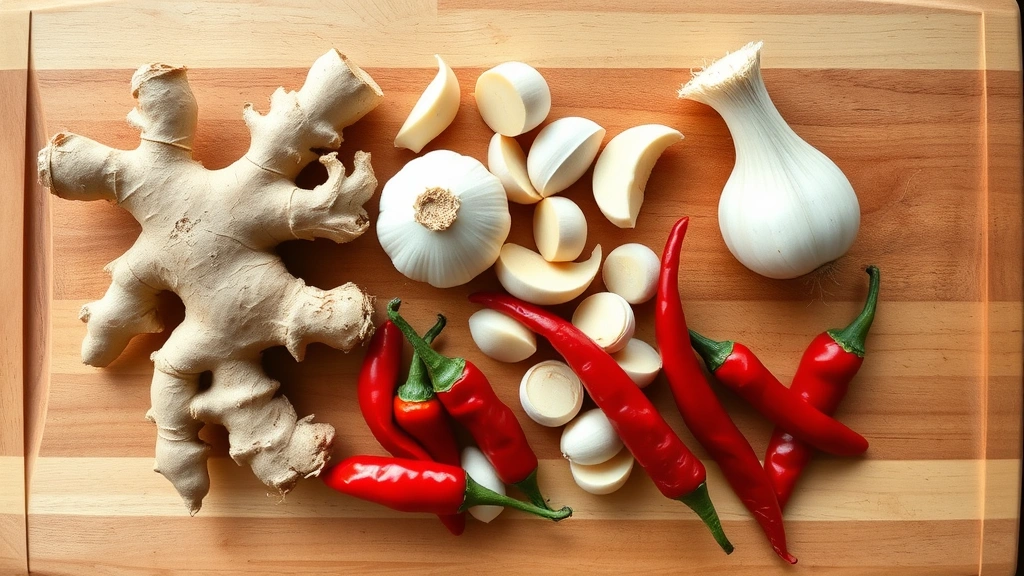
- Fresh ginger root (4-6 ounces, unpeeled): Provides warming properties and aids digestion
- Fresh garlic (1 whole bulb, cloves separated): Contains allicin and sulfur compounds with antimicrobial properties
- Horseradish root (2-3 ounces): Delivers pungent compounds and natural heat
- Cayenne peppers (2-4 whole dried or fresh): Contributes capsaicin for circulation support
- Onion (1 medium, quartered): Adds quercetin and sulfur compounds
- Turmeric root (1-2 ounces, fresh or dried): Brings curcumin and golden color
- Black peppercorns (1 tablespoon): Enhances absorption of other compounds
- Fresh thyme and rosemary (small handful of each): Adds antimicrobial and antioxidant properties
Optional additions that enhance flavor and benefits include lemon, raw honey (added after straining), fresh ginger slices, whole cloves, cinnamon sticks, and dried oregano. Many practitioners also incorporate fresh hawthorn berries or elderberries for additional immune support.
Quality sourcing significantly impacts your final product. Visit farmers markets for the freshest roots and vegetables. Choose organic when possible, especially for items you won’t peel. Ensure your apple cider vinegar explicitly states “with the mother” on the label—this indicates the presence of beneficial bacteria cultures essential to the fermentation benefits.
Step-by-Step Instructions for Making Fire Cider
Preparation is straightforward but requires attention to detail. Begin by gathering all ingredients and equipment: a clean quart-sized glass jar, a cutting board, sharp knife, and your apple cider vinegar. Avoid metal containers or lids, as the vinegar’s acidity can react with metal—glass jars with plastic lids work perfectly.
Preparation phase:
- Wash all fresh ingredients thoroughly under running water, scrubbing gently with a soft brush to remove soil
- Do not peel ginger, horseradish, or turmeric unless they’re damaged—the skin contains valuable nutrients and beneficial compounds
- Roughly chop ginger into quarter-inch pieces (approximately 4-6 ounces)
- Separate garlic cloves and leave unpeeled, or peel and roughly chop if you prefer stronger garlic flavor
- Cut horseradish root into small chunks (about 2-3 ounces total)
- Slice onion into quarters
- Chop fresh turmeric root if using fresh (or measure 1-2 tablespoons if dried)
- Tear fresh herbs roughly to increase surface area for infusion
Layering and assembly:
- Fill your clean quart jar halfway with chopped ginger, garlic, horseradish, and onion
- Add cayenne peppers whole (don’t break them—they’ll infuse more gently)
- Scatter black peppercorns throughout the mixture
- Add turmeric pieces or powder
- Tuck fresh herbs (thyme, rosemary) into gaps in the mixture
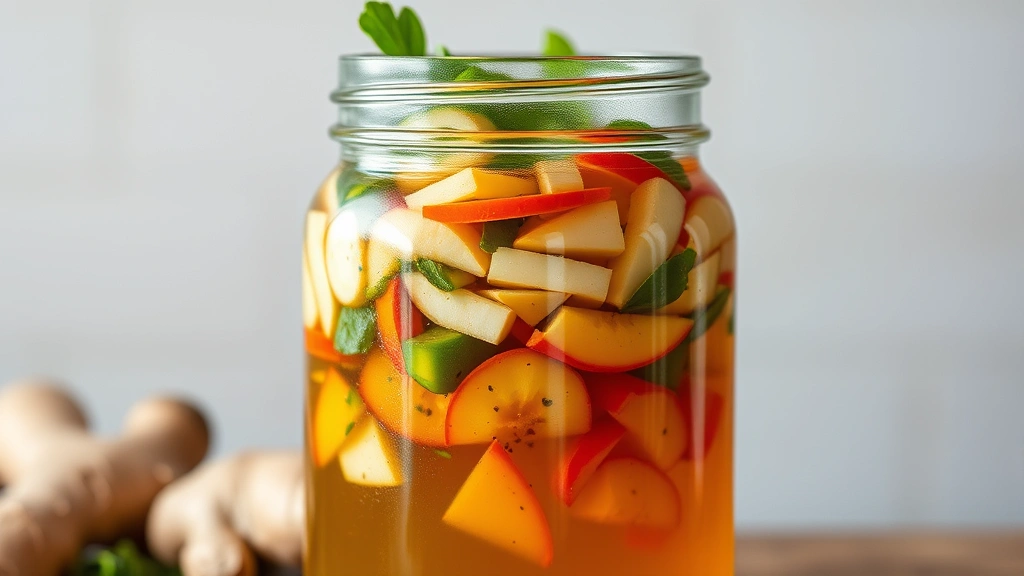
- Fill jar to the top with remaining vegetable pieces, creating a packed but not crushed arrangement
- Pour raw apple cider vinegar slowly over ingredients until completely covered, filling to about one inch from the jar’s rim
- Ensure all ingredients remain submerged—use a small glass weight or fermentation crock weight if needed
The vinegar extraction method works through osmosis and acid penetration. The acetic acid in vinegar breaks down cell walls of vegetables and herbs, releasing their beneficial compounds into the liquid. Unlike alcohol-based tinctures requiring weeks, vinegar extractions typically complete in two to four weeks, making this an efficient method for home herbalists.
Infusion Time and Patience
After assembling your fire cider, seal the jar tightly with a plastic lid. Store it in a cool, dark place—a kitchen cabinet, pantry, or dark corner works perfectly. Avoid direct sunlight, which can degrade some beneficial compounds and create undesirable color changes.
The infusion timeline:
Week one represents the initial extraction phase. During this period, the vinegar begins penetrating cell structures and drawing out flavors and compounds. You may notice the liquid darkening and developing the characteristic spicy aroma. Shake the jar daily for 10-15 seconds—this agitation increases contact between the vinegar and ingredients, accelerating extraction.
Weeks two through three show dramatic transformation. The liquid becomes noticeably darker, developing a rich amber or golden-brown hue depending on your ingredient ratios. The aroma intensifies, becoming pungently spicy and herbaceous. Continue daily shaking to ensure even extraction.
By week four, your fire cider reaches peak flavor and potency. The vegetables will have released most of their beneficial compounds, and the liquid achieves a concentrated character. Some herbalists prefer straining at this point, while others extend infusion to six weeks for deeper flavor development. The choice depends on your taste preference and intended use.
For those seeking maximum immune support, extending infusion to four to six weeks allows more complete extraction of beneficial compounds. However, taste-testing after three weeks helps you determine optimal timing for your palate. Some prefer the cleaner, brighter flavor of shorter infusions, while others enjoy the deeper, more complex character of longer steeping.
Note: Ensure ingredients remain fully submerged throughout the infusion period. Any vegetable material exposed to air can develop mold or unwanted bacteria. If settling occurs, simply shake the jar to redistribute ingredients daily.
Straining and Storage Guidelines
After your chosen infusion period, it’s time to strain your fire cider. This process separates the liquid from solid ingredients, creating a shelf-stable tonic ready for use. Gather cheesecloth, a fine-mesh strainer, and glass bottles for storage.
Straining process:
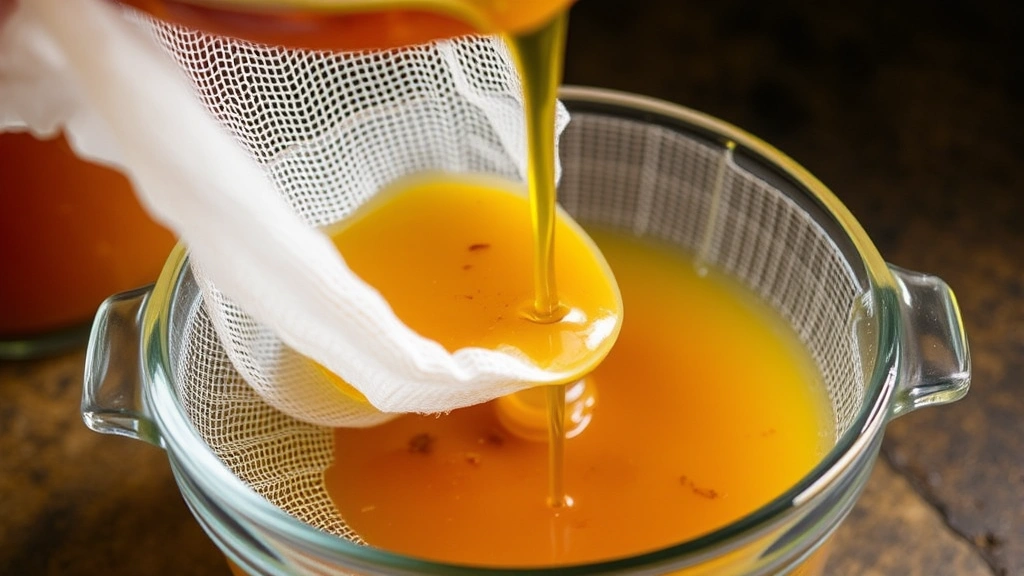
- Place a fine-mesh strainer over a large glass bowl
- Line the strainer with two layers of cheesecloth for maximum clarity
- Slowly pour the entire jar’s contents through the cheesecloth, allowing liquid to drip through
- Gently press the solids with the back of a spoon to extract remaining liquid—don’t crush aggressively, which clouds the liquid
- Transfer strained liquid to clean glass bottles with plastic lids
- Discard the spent vegetable material in your compost bin
The resulting liquid should be clear to slightly cloudy, depending on how finely you strained it. A small amount of cloudiness is normal and indicates the presence of beneficial compounds and enzymes. If you prefer crystal-clear fire cider, strain again through a coffee filter, though this removes some beneficial particles.
At this point, many herbalists add raw honey for additional immune support and improved taste. Add one to two tablespoons of raw honey per quart of fire cider, stirring thoroughly to dissolve. Raw honey adds enzymes and antimicrobial properties while slightly sweetening the sharp vinegar tang. Avoid heating the mixture—heat destroys honey’s beneficial enzymes.
Store your finished fire cider in glass bottles away from direct sunlight. The raw apple cider vinegar acts as a natural preservative, allowing proper storage for up to one year in a cool pantry or refrigerator. Over time, you may notice sediment settling at the bottom—this is normal and indicates living cultures. Simply shake before each use.
How to Use Your Homemade Fire Cider
Your homemade fire cider offers versatility as both a wellness tonic and culinary ingredient. Understanding proper usage maximizes benefits while ensuring pleasant consumption experiences.
Daily wellness protocol:
The most common approach involves taking one to two tablespoons daily, ideally in the morning on an empty stomach or diluted in water. Some prefer mixing it with warm water to create a warming tea, especially during cold months. The straight vinegar can be intense, so starting with half a tablespoon and gradually increasing tolerance is wise. The spicy heat builds gradually, warming your core and promoting circulation.
For acute immune support during cold or flu season, some herbalists recommend increasing to one tablespoon three times daily. However, this intensity isn’t necessary for everyone—consistent daily use of smaller amounts often provides superior benefits to sporadic larger doses.
The vinegar’s acidity can affect tooth enamel with prolonged direct contact, so always dilute or follow with water when consuming. Alternatively, use fire cider as a salad dressing base or cooking ingredient, which provides benefits while protecting your teeth.
Culinary applications:
Fire cider transforms ordinary dishes into immune-supporting meals. Use it as a salad dressing base by combining three parts fire cider with one part quality olive oil, adding a touch of raw honey and Dijon mustard. Drizzle over leafy greens, roasted vegetables, or grain bowls.
Add a tablespoon to soups, broths, and stews during the final minutes of cooking. The heat intensifies flavors while preserving beneficial compounds. Incorporate it into marinades for vegetables or proteins, where its acidity tenderizes while its spice creates depth.
Mix fire cider into homemade sauces for roasted vegetables or grain dishes. A tablespoon stirred into hummus, guacamole, or yogurt-based dips adds complexity and immune-supporting properties. Even a splash in your morning lemon water or herbal tea creates an energizing morning ritual.
Variations and Customizations
While the traditional recipe provides excellent results, personalizing your fire cider based on preferences and available ingredients creates unique versions. The beauty of this recipe lies in its adaptability—the basic vinegar extraction method works with virtually any combination of warming, immune-supporting ingredients.
Flavor variations:
Create an Asian-inspired version by adding star anise, fresh lemongrass, and ginger in higher proportions, reducing horseradish. This variation pairs beautifully with Asian cuisine and offers a less intense heat profile.
Develop a citrus-forward version by adding lemon or orange peels (organic only) and reducing the number of cayenne peppers. This lighter variation appeals to those sensitive to intense spice while maintaining immune-supporting benefits.
Make an herbal-rich version by increasing fresh herbs—add fresh sage, oregano, marjoram, and thyme for a more medicinal character. This variation emphasizes traditional herbalism approaches and works wonderfully as a culinary tonic.
Ingredient substitutions:
If horseradish isn’t available, increase ginger and garlic proportions slightly. For those avoiding cayenne heat, substitute with milder dried chiles or increase black pepper and fresh turmeric instead. If fresh turmeric is unavailable, dried turmeric works equally well—use one-third the amount since dried is more concentrated.
Customize based on seasonal availability. Spring fire cider might emphasize fresh garlic and wild herbs. Summer versions could include fresh berries and citrus. Fall and winter versions lean into warming roots and dried herbs. This seasonal approach connects your wellness practice to natural rhythms.
Consider health-specific customizations by consulting herbal references. For digestive support, emphasize ginger and add fennel seeds. For circulation support, increase cayenne and garlic. For anti-inflammatory benefits, boost turmeric and add fresh rosemary. These customizations allow you to tailor your fire cider to your specific wellness goals.
Storage Tips for Maximum Longevity
Proper storage extends your fire cider’s shelf life while maintaining potency and flavor. The raw apple cider vinegar base provides natural preservation, but environmental factors influence longevity.
Optimal storage conditions:
- Temperature: Store in a cool environment between 50-70°F. Pantries, dark kitchen cabinets, or cool basements work perfectly. Avoid areas near heat sources, stoves, or direct sunlight
- Light exposure: Keep bottles in dark glass or opaque containers. Sunlight degrades beneficial compounds and can alter flavor. If using clear glass, store in a dark location
- Container choice: Glass bottles with plastic or cork lids are ideal. Avoid metal lids, which corrode from vinegar’s acidity. Ensure bottles are completely clean and dry before filling
- Headspace: Leave approximately one-half inch of space at the jar’s top. This allows slight expansion without overflow while minimizing air exposure
- Refrigeration option: While not necessary, refrigerating fire cider slows any remaining fermentation and extends shelf life to eighteen months or longer
Over extended storage, you may notice sediment accumulating at the bottle’s bottom. This indicates the presence of beneficial bacteria, enzymes, and mineral compounds settling out—a positive sign of living cultures. Simply shake well before each use to redistribute these beneficial particles.
Some herbalists notice improved flavor after several months of storage, as ingredients continue infusing even in the finished product. The fire cider develops deeper complexity and more integrated flavors, much like fine vinegars aging in storage.
If you notice cloudiness, off-odors, or visible mold (though rare with proper storage), discard the batch and start fresh. The raw vinegar’s acidity prevents most contamination, but proper storage practices ensure maximum safety and quality.
FAQ
How long does homemade fire cider last?
Properly stored fire cider lasts 12-18 months in a cool, dark pantry, or up to two years if refrigerated. The raw apple cider vinegar acts as a natural preservative. Always shake before use, and discard if you notice off-odors or visible mold.
Can I use pasteurized apple cider vinegar instead of raw?
While raw vinegar with the mother culture offers superior benefits, pasteurized vinegar works for extraction purposes. However, you’ll miss the beneficial bacteria and enzymes that make raw vinegar particularly valuable for immune support. For maximum benefits, invest in quality raw vinegar.
Is fire cider safe during pregnancy?
Fire cider contains warming herbs and spices that may not be appropriate during pregnancy. Consult with your healthcare provider or a qualified herbalist before consuming during pregnancy. Horseradish and large quantities of ginger warrant particular caution.
Can children consume fire cider?
The intense spice makes fire cider unsuitable for young children. For children over ten, dilute significantly in water and start with very small amounts. Always consult with a pediatrician before introducing herbal remedies to children.
What if ingredients aren’t fully submerged?
Any vegetable material exposed to air risks mold development. Ensure all ingredients remain covered with vinegar by using a fermentation weight or glass object. If mold appears on exposed portions, discard the entire batch and start fresh.
Can I reuse the strained vegetables?
After straining, the vegetables have released most beneficial compounds and become unpalatable. Compost them instead. Making a second infusion with fresh ingredients yields superior results compared to reusing spent materials.
How does fire cider support immune health?
Fire cider combines several immune-supporting ingredients: raw vinegar contains beneficial bacteria, garlic provides allicin, ginger offers warming properties, cayenne supplies capsaicin, and turmeric provides curcumin. These compounds work synergistically, though individual results vary. Research from peer-reviewed studies on ginger and immune function supports traditional use.
Should fire cider be heated before consuming?
Heating fire cider is optional and depends on preference. Cold fire cider provides maximum enzyme activity, while warm versions feel more comforting, especially in winter. If heating, use warm (not boiling) water to preserve beneficial compounds.
Can I make fire cider with dried ingredients?
While fresh ingredients are preferred for maximum potency and flavor, dried versions work adequately. Use approximately one-third the amount of dried ingredients compared to fresh, as drying concentrates flavors and beneficial compounds. Dried roots often require longer infusion periods (6-8 weeks).
What’s the difference between fire cider and other wellness tonics?
Fire cider specifically emphasizes warming, pungent ingredients in a vinegar base. Other tonics might use alcohol, honey, or water bases with different ingredient profiles. Fire cider’s particular combination and vinegar extraction method make it unique in traditional herbalism.
Building your own fire cider connects you to centuries of herbal tradition while creating a personalized wellness tool. Whether you’re exploring best healthy food recipes that incorporate immune-supporting ingredients or seeking traditional herbal remedies, this herbalist-approved guide provides everything needed for success. Start with the basic recipe, adjust to your preferences, and discover how this simple vinegar-based tonic becomes an essential part of your wellness routine.


