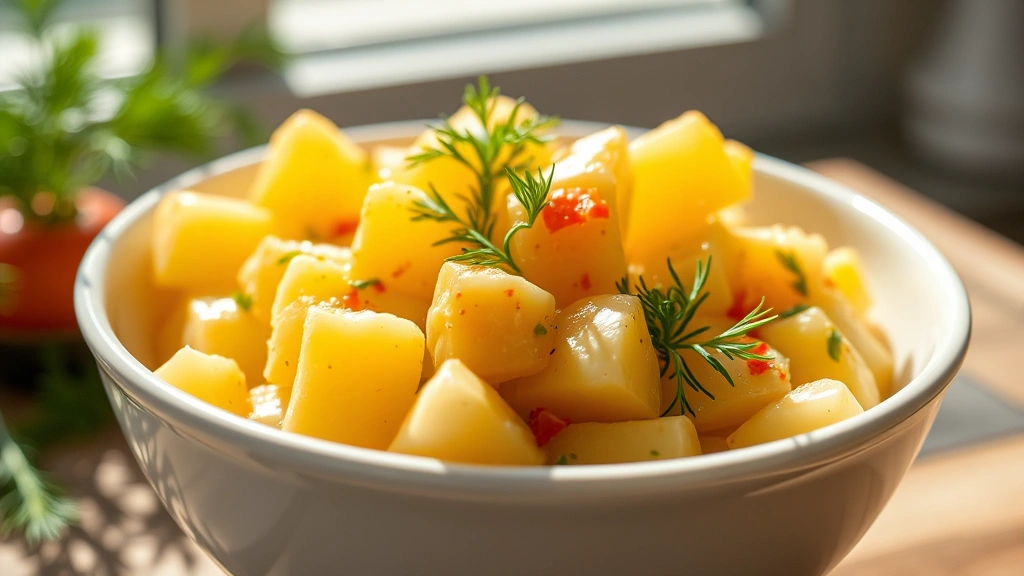
Ultimate Red Potato Salad: Grandma’s Recipe That Never Disappoints
There’s something magical about red potato salad that brings families together at summer gatherings, potlucks, and holiday tables. My grandmother’s red potato salad recipe has been passed down through three generations, and it’s become the dish everyone requests. The secret isn’t just in the ingredients—it’s in understanding how to treat the potatoes with respect, dress them while they’re still warm, and balance flavors with precision. This isn’t your average mayonnaise-heavy side dish; it’s a carefully crafted salad that celebrates the natural sweetness and creamy texture of red potatoes.
Red potatoes are the MVP of potato salads because they hold their shape beautifully, have a naturally waxy texture, and absorb dressings without becoming mushy. Unlike russet potatoes that can break apart, red potatoes maintain their integrity through mixing and transport. My grandmother always said the key to a perfect red potato salad is treating it like you’re building layers of flavor—each component matters, and timing is everything. Whether you’re preparing this for a weeknight dinner or a major celebration, this recipe will become your go-to.
Why Red Potatoes Are Perfect for Salad
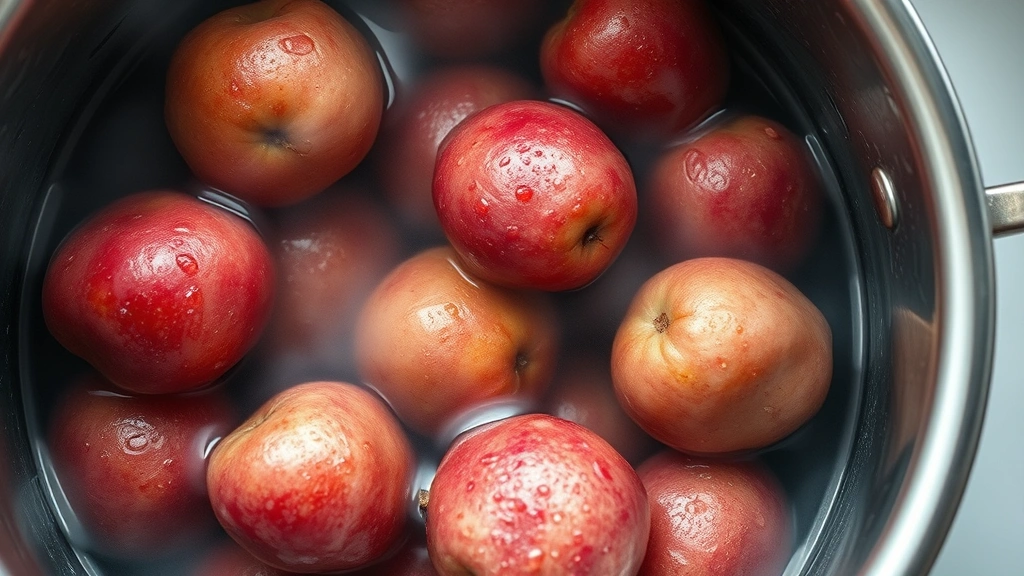
Red potatoes belong to the waxy potato category, which means they contain less starch than their starchy cousins. This characteristic is crucial for potato salad success. When you boil red potatoes, their cell walls remain intact, preventing them from becoming grainy or falling apart during mixing. The natural moisture content keeps them tender without requiring excessive mayonnaise to achieve creaminess.
The thin, edible skin of red potatoes adds nutritional value and visual appeal to your salad. You don’t need to peel them—in fact, my grandmother insisted on leaving the skin on for both flavor and presentation. The skin provides a subtle earthiness and helps maintain the potato’s structure. Red potatoes also have a slightly sweet flavor profile that pairs beautifully with acidic dressings, fresh herbs, and crisp vegetables.
Another advantage of red potato recipes is their versatility. They work equally well in warm salads, cold salads, vinegar-based dressings, and creamy preparations. Unlike fingerling potatoes that are smaller and require different cooking times, or Yukon golds that can become too soft, red potatoes hit the sweet spot for most home cooks.
Ingredients You’ll Need
For the Salad Base:
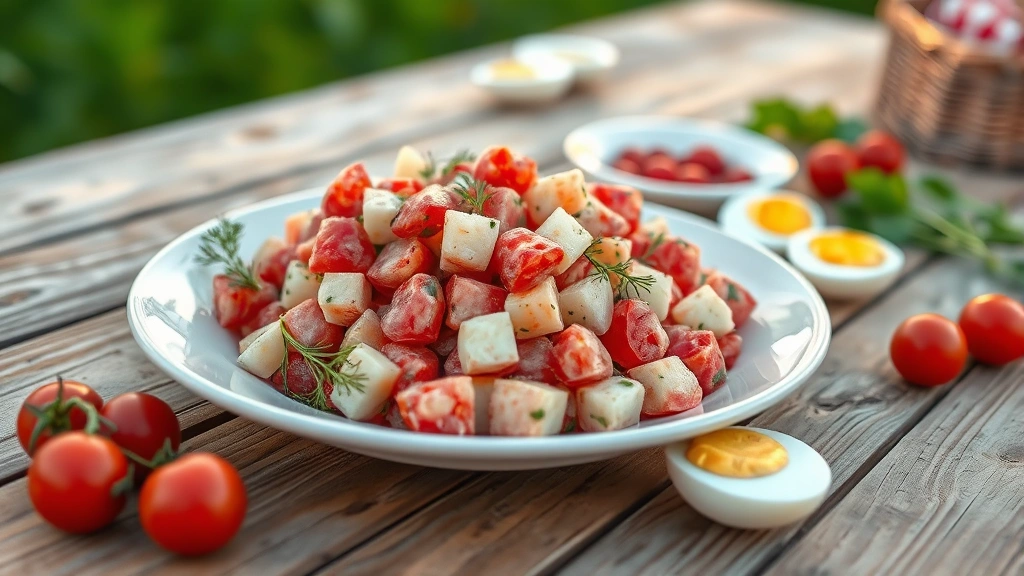
- 3 pounds red potatoes, unpeeled
- 1 medium red onion, finely diced
- 4 celery stalks, diced into small pieces
- 6 large eggs, hard-boiled and chopped
- 1 cup cherry tomatoes, halved
- 1 cup fresh dill, chopped (or 2 tablespoons dried)
- ¼ cup fresh parsley, minced
- Salt and freshly ground black pepper to taste
For the Dressing:
- 1 cup mayonnaise (quality matters here)
- ¼ cup apple cider vinegar
- 2 tablespoons Dijon mustard
- 1 tablespoon whole grain mustard
- 2 cloves garlic, minced very finely
- 1 teaspoon paprika
- ½ teaspoon cayenne pepper (optional)
My grandmother always emphasized buying quality mayonnaise—it makes a noticeable difference in the final flavor. She also recommended using fresh herbs whenever possible, though dried herbs work in a pinch. Consider preparing a batch of pickled red onion recipe to add extra tang and complexity to your salad.
Step-by-Step Preparation Guide
Cooking the Potatoes Properly
Start by rinsing your red potatoes under cold water and scrubbing away any dirt. Leave the skins on—this is non-negotiable in my grandmother’s kitchen. Cut larger potatoes in half or quarters so they cook evenly, but keep smaller potatoes whole. The goal is uniform-sized pieces that cook at the same rate.
Place potatoes in a large pot and cover with cold water by about two inches. Add a generous pinch of salt to the water. This is crucial: starting potatoes in cold water ensures even cooking from the inside out. Bring to a boil over high heat, then reduce to a simmer. Cook for 12-18 minutes, depending on potato size. You’re aiming for potatoes that are fork-tender but not falling apart.
To test doneness, pierce the largest potato piece with a fork. It should slide through easily without resistance, but the potato should still hold its shape. Drain immediately in a colander and let cool slightly for 5-10 minutes. You want the potatoes still warm (not hot) when you add the dressing.
Preparing the Hard-Boiled Eggs
While potatoes cook, prepare hard-boiled eggs. Place eggs in a separate pot, cover with cold water, and bring to a boil. Remove from heat, cover, and let sit for 12 minutes. Transfer to an ice bath immediately to stop the cooking process. Once cooled completely, peel gently under cool running water, starting from the wider end where the air pocket makes peeling easier. Chop into bite-sized pieces.
Preparing Vegetables
Dice your red onion as finely as possible—smaller pieces distribute flavor more evenly throughout the salad. Cut celery into small, uniform pieces (about ¼-inch pieces work best). Halve cherry tomatoes and let them sit in a small bowl with a pinch of salt to draw out excess moisture. This prevents your salad from becoming watery.
The Dressing Method That Makes the Difference
This is where my grandmother’s wisdom truly shines. The dressing method separates an ordinary potato salad from an extraordinary one. While potatoes are still warm, whisk together your dressing ingredients in a medium bowl. The warmth of the potatoes helps them absorb the vinegar and seasonings more effectively than cold potatoes ever could.
In your bowl, combine mayonnaise, apple cider vinegar, Dijon mustard, and whole grain mustard. Whisk until smooth. Add minced garlic, paprika, and cayenne pepper if using. Taste and adjust seasonings—you want a dressing that’s tangy, slightly spicy, and rich but not heavy.
Transfer your warm potatoes to a large mixing bowl. Pour the dressing over them while they’re still warm and gently fold using a rubber spatula. The key word here is gently—you’re not making mashed potatoes. Mix until every potato piece is coated with dressing. Let this sit for 10 minutes, allowing the potatoes to absorb the flavors.
Now add your hard-boiled eggs, diced onion, celery, and about three-quarters of your fresh herbs. Fold gently again. Taste and adjust salt and pepper. The salad should taste bold and flavorful at this stage—remember, flavors will mellow as it sits.
Fold in your halved cherry tomatoes gently just before serving, reserving the tomato juice to drizzle over the salad. This prevents the tomatoes from breaking down and keeps the salad from becoming too wet. Garnish with remaining fresh herbs and a light sprinkle of paprika.
If you enjoy bold, acidic flavors, consider adding a homemade sauce element to enhance complexity. The balance between creamy and tangy is what makes this recipe work so beautifully.
Customization and Variations
Adding Extra Proteins
For a heartier salad that works as a main course, add crispy bacon pieces, grilled chicken chunks, or flaked smoked salmon. My cousin adds crispy pancetta, which adds a wonderful smoky depth. Add these just before serving to maintain their texture.
Vegetable Additions
Fresh cucumber, bell peppers, radishes, or steamed green beans all work beautifully. Keep vegetables raw for crispness, or blanch green beans and shock in ice water for a tender-crisp texture. You can also prepare feta pasta recipe inspired additions by including crumbled feta cheese and Kalamata olives for a Mediterranean twist.
Herb Variations
While dill and parsley are classic, try tarragon for a more elegant version, or cilantro for a fresh, bright variation. Chives add a subtle onion flavor without the harshness of raw onion. Fresh mint can provide an unexpected brightness.
Dressing Adjustments
For a lighter version, replace half the mayonnaise with Greek yogurt or sour cream. For tangier salad, increase vinegar slightly. If you prefer a more herb-forward dressing, whisk in an extra tablespoon of Dijon mustard and add fresh garlic.
Some families enjoy a vinegar-based dressing with minimal mayo—this works well if you prefer a lighter, more acidic profile. Simply reduce mayonnaise to ½ cup and increase vinegar to ½ cup, then adjust mustard and other seasonings accordingly.
Storage and Make-Ahead Tips
Red potato salad actually improves over 24 hours as flavors meld together. You can prepare this salad up to two days in advance. Store in an airtight container in the refrigerator. Before serving, let it sit at room temperature for 15-20 minutes—cold potato salad tastes flat compared to salad that’s slightly chilled but not ice-cold.
If your salad seems dry after sitting overnight, whisk together a quick dressing of ¼ cup mayo and 2 tablespoons vinegar and fold it in gently. The potatoes continue absorbing liquid as they sit, so extra dressing ensures creamy texture.
Don’t add fresh tomatoes until serving day—their moisture will make the salad watery over time. Similarly, keep fresh herbs separate and add most of them just before serving, reserving some for garnish.
For transport to potlucks or picnics, pack potato salad in a sturdy container and keep it on ice in a cooler. Potato salad should not sit in temperatures above 40°F for more than two hours. My grandmother always packed hers in a bowl set inside a larger bowl filled with ice for outdoor gatherings.
This salad pairs beautifully with grilled meats, fresh bread, and light summer vegetables. Serve alongside sourdough focaccia recipe for a complete meal. You might also explore how to make homemade pasta sauce if you’re planning a larger gathering, as these recipes complement each other wonderfully.
For those interested in culinary techniques, resources like The Culinary Institute of America offer insights into proper potato preparation methods. Understanding food science behind potato starch and moisture content can elevate your cooking significantly.
FAQ
Can I make red potato salad ahead of time?
Absolutely! Red potato salad actually tastes better the next day once flavors have melded. Prepare it up to two days in advance, storing in an airtight container in the refrigerator. Add fresh tomatoes and herbs just before serving. Let it come to room temperature for 15-20 minutes before serving for best flavor.
Why does my potato salad taste bland?
The most common reason is under-seasoning. Taste your dressing before adding vegetables and adjust salt, vinegar, and mustard. The potatoes should be seasoned while still warm—they absorb flavors better at higher temperatures. Also ensure you’re using quality mayonnaise and fresh herbs.
Can I use a different type of potato?
Red potatoes are ideal because they hold their shape, but fingerling potatoes work similarly. Avoid russet or Yukon gold potatoes for traditional potato salad as they tend to become mushy. If using fingerling potatoes, reduce cooking time to 10-12 minutes.
Is it better to peel red potatoes or leave the skin on?
Leave the skin on! The thin skin adds nutrition, flavor, and visual appeal. It also helps potatoes maintain their shape during mixing. This is non-negotiable in my grandmother’s recipe.
How can I make lighter potato salad?
Replace half the mayonnaise with Greek yogurt, sour cream, or even cottage cheese. Increase the vinegar and mustard for tangy flavor without extra calories. Add more fresh vegetables and herbs to bulk up the salad with fewer calories.
Why should potatoes still be warm when dressing them?
Warm potatoes have open cell structures that absorb dressing more effectively than cold potatoes. This results in better flavor distribution and creamier texture throughout. Cold potatoes will absorb dressing more slowly and unevenly.
Can I freeze red potato salad?
Freezing is not recommended. The mayonnaise-based dressing separates when frozen, and potato texture becomes grainy. Fresh preparation or refrigerator storage up to two days is best.
What’s the best way to transport potato salad?
Pack in a sturdy container and keep on ice in a cooler. Never leave potato salad at room temperature for more than two hours. Set your serving bowl inside a larger bowl filled with ice for outdoor gatherings to maintain proper temperature.


