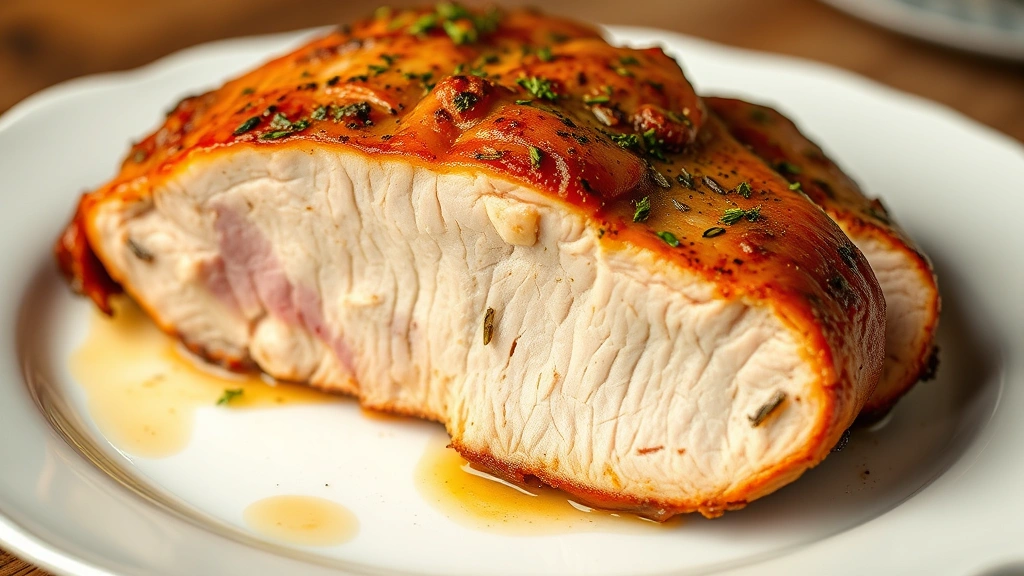
Juicy Pork Loin Roast? Grandma’s Secret Recipe for Tender, Flavorful Perfection
There’s something magical about a perfectly roasted pork loin that fills your kitchen with an irresistible aroma and brings everyone to the dinner table with anticipation. My grandmother guarded her pork loin roast recipe like a precious heirloom, and after years of watching her work her magic in the kitchen, I finally understand why this dish became a family favorite. The secret isn’t complicated—it’s about understanding the fundamentals of moisture retention, proper seasoning, and respecting the cooking process.
A juicy pork loin roast requires attention to detail and a few insider tricks that transform an ordinary cut of meat into something extraordinary. Whether you’re preparing dinner for a special occasion or a Sunday family gathering, this grandma-approved recipe delivers consistently tender, succulent results that will have your guests asking for seconds. The beauty of this dish lies in its simplicity: quality ingredients, proper preparation, and the right cooking technique are all you need to create restaurant-quality pork at home.
Why Pork Loin Roast is the Perfect Dinner Choice
Pork loin roast stands out as one of the most versatile and forgiving cuts of meat for home cooks. Unlike tougher cuts that require hours of braising, a well-prepared pork loin roast can be on your table in under two hours, making it ideal for both weeknight dinners and special occasions. The cut comes from the back of the pig, offering a lean yet flavorful piece of meat that responds beautifully to roasting techniques.
What makes this cut so special is its natural tenderness combined with its ability to hold moisture when cooked properly. The pork loin’s mild flavor profile makes it incredibly accommodating to various seasonings and cooking styles. You can keep it simple with salt and pepper, or go bold with herbs and spices. This flexibility means you can adapt the recipe to your family’s preferences while maintaining the core technique that ensures juiciness.
When compared to easy dinner recipes for beginners, pork loin roast actually ranks among the most achievable dishes because the cooking process is straightforward once you understand the fundamentals. The margin for error is smaller than with many other proteins, but the rewards are substantial.
Selecting the Right Cut of Pork
The foundation of a juicy pork loin roast begins at the butcher counter. You want a cut that weighs between 2 to 4 pounds, which allows for even cooking without drying out the exterior while waiting for the interior to reach the proper temperature. Ask your butcher for a center-cut loin, which offers the best balance of meat quality and uniform thickness.
Examine the meat closely before purchasing. Look for a pale pink color with white marbling throughout—this fat content is crucial for keeping the meat moist during cooking. Avoid any cuts that appear overly pale or have excessive surface moisture, which can indicate improper storage. The meat should feel firm to the touch, and the packaging should show no signs of leakage.
Consider whether you want bone-in or boneless. While boneless cuts are easier to carve and season, bone-in roasts offer superior flavor and can be slightly more forgiving during cooking. For this grandma’s recipe, a boneless center-cut loin works beautifully and gives you more control over seasoning penetration.
Grandma’s Secret Seasoning Blend
The magic of my grandmother’s recipe lies in a carefully balanced seasoning blend that’s applied both inside and out. This isn’t about overpowering the natural pork flavor—it’s about enhancing and complementing it. The blend includes kosher salt, freshly ground black pepper, garlic powder, dried thyme, and a touch of smoked paprika.
Here’s the exact ratio that my grandmother used: 2 tablespoons kosher salt, 1 tablespoon freshly ground black pepper, 2 teaspoons garlic powder, 1 tablespoon dried thyme, and 1 teaspoon smoked paprika. Mix these ingredients thoroughly in a small bowl before applying to the meat. The key is using kosher salt rather than table salt—it dissolves more slowly and penetrates deeper into the meat, seasoning it more effectively throughout the cooking process.
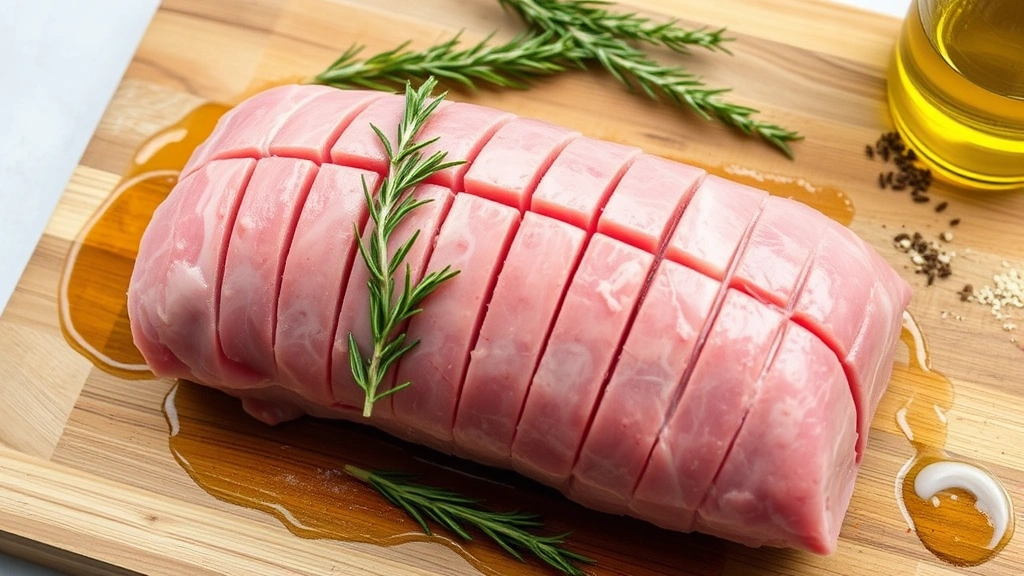
Fresh herbs can be used in addition to this dry blend. Tuck sprigs of fresh rosemary and thyme into scoring marks on the surface of the roast. These herbs infuse the meat with aromatic flavors that develop beautifully during roasting. The combination of dried spices for deep seasoning and fresh herbs for aromatic complexity creates the signature taste that made grandma’s version legendary.
Preparation Steps for Maximum Juiciness
Proper preparation is where the magic happens. Begin by removing your pork loin from the refrigerator 30 to 40 minutes before cooking. This crucial step allows the meat to come to room temperature, ensuring even cooking throughout. Cold meat placed directly in a hot oven cooks unevenly, with the exterior potentially overdone while the interior remains undercooked.
Pat the meat completely dry with paper towels. Moisture on the surface prevents browning and can trap steam during cooking, which compromises the development of a flavorful crust. Don’t skip this step—it makes a significant difference in the final result.
Using a sharp knife, score the surface of the roast in a crosshatch pattern, cutting about ¼ inch deep. This scoring serves multiple purposes: it allows seasoning to penetrate deeper into the meat, it increases the surface area for browning, and it helps heat penetrate more evenly. Make cuts approximately 1 inch apart in both directions.
Rub the entire roast generously with the seasoning blend, working it into the scoring marks and covering every surface. Don’t be shy—this is where flavor development begins. For extra richness, mix your seasonings with a few tablespoons of olive oil to create a paste that adheres better to the meat and helps develop a beautiful crust.
The Low-and-Slow Roasting Method
Grandma’s secret to juiciness lies in her low-and-slow roasting approach. Preheat your oven to 325°F (163°C)—this lower temperature is essential for even cooking and moisture retention. A hot oven cooks the exterior too quickly, leaving the interior undercooked and tough.
Place the seasoned pork loin on a roasting pan lined with foil for easy cleanup. Insert a meat thermometer into the thickest part of the roast, being careful not to touch bone if using a bone-in cut. This thermometer will be your guide to perfect doneness.
Roast the pork loin uncovered for the first 30 minutes to allow browning. After this initial period, loosely tent the roast with foil to prevent excessive browning while the interior continues cooking. This technique gives you the best of both worlds: a flavorful crust and moist interior.
Baste the roast every 20 to 30 minutes with the pan juices that accumulate at the bottom. This basting step is crucial—it adds moisture back to the exterior and helps develop deeper flavor. If you’re using homemade sauces or pan drippings, reserve them in a separate container for later use in gravy.
Temperature Control and Timing
The internal temperature is your most reliable guide to doneness. Modern food safety guidelines recommend cooking pork to an internal temperature of 145°F (63°C), followed by a three-minute rest. This temperature ensures food safety while maintaining juiciness—older guidelines that recommended cooking to 160°F often resulted in dry meat.
Cooking time varies based on the weight and shape of your roast. A general guideline is 20 to 25 minutes per pound at 325°F. A 3-pound roast typically requires 60 to 75 minutes of cooking time. However, always rely on the thermometer rather than time alone, as ovens vary and roast shapes differ.
Check the temperature starting at the lower end of your estimated cooking time. Insert the thermometer into the thickest part without touching bone. Once the meat reaches 140°F (60°C), begin checking every 5 minutes. This prevents overcooking those final precious degrees.
Many home cooks prefer using an instant-read thermometer for greater accuracy and more frequent monitoring. These thermometers give you readings in seconds and help you catch the perfect moment of doneness.
Resting Your Roast for Optimal Results
This step cannot be overstated: resting is absolutely essential for a juicy final product. When meat cooks, the muscle fibers contract and squeeze out moisture. Resting allows these fibers to relax and reabsorb the juices, distributing them throughout the meat.
Remove the roast from the oven when it reaches 140°F (60°C) and transfer it to a cutting board. Tent it loosely with foil—not tightly, as this traps steam and can continue cooking the exterior. Let it rest for 10 to 15 minutes. During this time, the internal temperature will rise another few degrees due to carryover cooking, bringing it to the target 145°F (63°C).
Resist the temptation to cut into the roast immediately. Those 10 to 15 minutes make an enormous difference in how much juice remains in the meat when you slice it. You’ll notice the difference immediately when you cut into a properly rested roast—the juices stay in the meat rather than pooling on the cutting board.
Creating Pan Sauce and Gravy
The flavorful drippings left in your roasting pan are liquid gold. Don’t discard them—they’re the foundation for an exceptional pan sauce that elevates your dish. Pour the drippings into a measuring cup and skim off excess fat if desired, though some fat adds richness and flavor.
Place the roasting pan on the stovetop over medium heat. Add ½ cup of chicken or pork broth to the pan, scraping the bottom with a wooden spoon to release the browned bits. These bits, called fond, contain concentrated flavor. Let the liquid simmer for a few minutes, then stir in 1 tablespoon of butter and a touch of Dijon mustard for complexity.
For a thicker gravy, make a slurry by whisking 1 tablespoon of cornstarch with 2 tablespoons of cold water until smooth. Slowly add this to the simmering pan sauce while whisking constantly. Continue cooking until the sauce reaches your desired thickness, usually 2 to 3 minutes. Season with salt and pepper to taste.
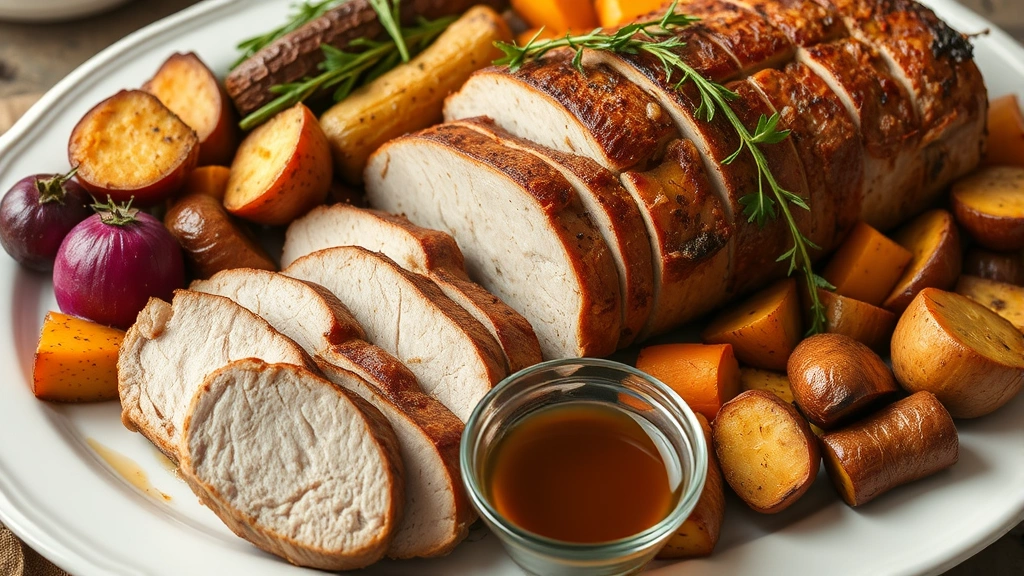
This pan sauce is far superior to store-bought alternatives and takes only minutes to prepare. Serve it alongside sliced pork loin for maximum flavor impact.
Serving Suggestions and Sides
A juicy pork loin roast deserves complementary sides that don’t compete for attention. Roasted root vegetables like carrots, parsnips, and potatoes make excellent companions. You can roast these vegetables alongside the pork during the final 45 minutes of cooking, placing them around the roast in the same pan.
For a lighter meal, consider serving with steamed green beans or asparagus drizzled with butter and garlic. These vegetables provide a fresh contrast to the rich pork and sauce. If you’re looking for best healthy food recipes that maintain nutritional balance, pairing pork loin with plenty of vegetables is an excellent approach.
Grain-based sides like wild rice pilaf, quinoa, or crusty bread for soaking up the pan sauce round out the meal beautifully. Consider preparing quick and easy pasta recipes as a lighter alternative if you prefer a different carbohydrate base.
For leftover pork, slice it thinly and use it in sandwiches, grain bowls, or salads. The leftover pan sauce works wonderfully as a dressing or drizzle for these applications, ensuring nothing goes to waste. This approach aligns well with food waste reduction tips that help maximize every ingredient.
If you have a slow cooker at home, you might also explore healthy crockpot recipes for alternative cooking methods on busier days, though the oven method produces superior texture and browning.
FAQ
Can I cook pork loin roast at a higher temperature to save time?
While you can increase the oven temperature to 375°F (190°C), this risks drying out the meat. The low-and-slow method at 325°F (163°C) ensures even cooking and maximum juiciness. The extra time is absolutely worth the superior results. If time is limited, a smaller roast cooks faster while maintaining the same cooking temperature.
What’s the difference between pork loin and pork tenderloin?
These are entirely different cuts. Pork loin comes from the back and is larger, more affordable, and suitable for roasting. Pork tenderloin is a smaller, more tender cut from the underside of the rib section. Both can be roasted, but pork tenderloin cooks much faster and requires careful monitoring to prevent overcooking. This recipe specifically uses pork loin.
Is it safe to cook pork to 145°F (63°C)?
Yes. Modern food safety guidelines from the USDA confirm that pork cooked to an internal temperature of 145°F (63°C) followed by a three-minute rest is safe to eat. This temperature eliminates harmful pathogens while keeping the meat juicy. Older guidelines recommending 160°F (71°C) were overly cautious and resulted in dry meat.
How do I know when my pork loin is done without a thermometer?
While a thermometer is highly recommended for accuracy, you can use the touch test as a backup. The meat should feel firm but still slightly yielding when pressed. Additionally, the juices should run mostly clear with just a hint of pink. However, these methods are less reliable than a thermometer, so investing in one is worthwhile.
Can I prepare the pork loin the night before?
Yes. Season the roast, wrap it tightly in plastic wrap, and refrigerate overnight. Remove it from the refrigerator 30 to 40 minutes before cooking to allow it to reach room temperature. This advance preparation can save time on cooking day and allows the seasonings to penetrate more deeply.
What should I do if my pork loin is cooking too fast?
If the exterior is browning too quickly while the interior remains undercooked, tent the roast more completely with foil and reduce the oven temperature by 25°F. This slows the exterior cooking while allowing the interior to catch up. Check the internal temperature frequently to ensure you don’t overcook the meat.


