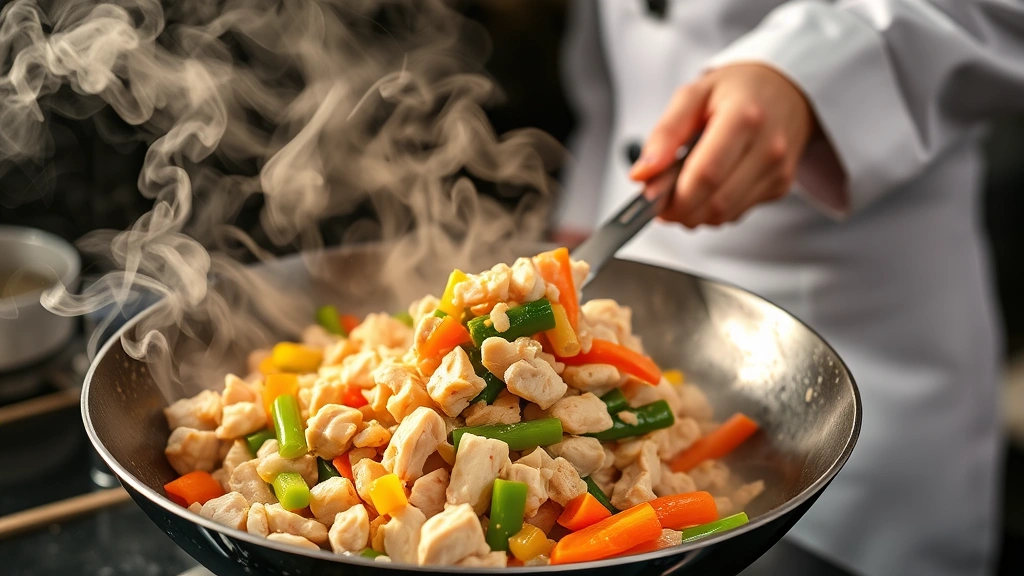
Authentic Chop Suey Recipe: Chef’s Secret Tips for Restaurant-Quality Results
Chop suey stands as one of the most beloved Chinese-American dishes, yet many home cooks struggle to recreate the authentic flavors and textures found in their favorite restaurants. The secret lies not in complex ingredients, but in understanding the fundamental cooking techniques and timing that separate mediocre chop suey from exceptional versions. This guide reveals professional chef secrets that will transform your kitchen into a source of restaurant-quality chop suey.
The beauty of chop suey rests in its versatility and speed. Originating from Cantonese cuisine and popularized in America during the early 1900s, this stir-fried dish combines protein, vegetables, and a silky sauce that clings to every ingredient. Whether you’re cooking for weeknight dinner or impressing guests, mastering this chop suey recipe will elevate your cooking repertoire significantly.
Understanding Authentic Chop Suey
Many home cooks confuse chop suey with chow mein or other stir-fried dishes. The fundamental distinction lies in the sauce consistency and ingredient composition. Authentic chop suey features a thickened sauce that coats vegetables and protein, creating a dish that’s neither dry nor swimming in liquid. The vegetables maintain a slight crunch, providing textural contrast to the tender protein.
The name “chop suey” derives from the Cantonese phrase “tsap sui,” meaning “miscellaneous pieces.” This accurately describes the dish’s nature—a harmonious combination of whatever vegetables and proteins are available. However, traditional versions typically include celery, water chestnuts, bamboo shoots, and bell peppers. The sauce, made from soy sauce, oyster sauce, and cornstarch slurry, creates the signature glossy coating that distinguishes chop suey from other Asian stir-fries.
Professional chefs understand that heat control and timing represent the most critical factors in chop suey preparation. Unlike baking, which requires precise measurements, stir-frying demands intuition developed through practice. However, following these professional guidelines will accelerate your learning curve considerably.
Essential Ingredients and Substitutions
Creating authentic chop suey begins with quality ingredients. Here’s what every chef keeps stocked:
- Soy sauce—Use regular soy sauce, not low-sodium varieties, as salt enhances flavor complexity
- Oyster sauce—This umami powerhouse adds depth that soy sauce alone cannot provide
- Sesame oil—A finishing oil that adds nutty aromatics (never cook with it directly)
- Rice vinegar—Provides brightness and balances sweetness from cornstarch
- Cornstarch—Creates the signature glossy sauce texture
- Garlic and ginger—Fresh aromatics that form the flavor foundation
- Chicken or shrimp—The primary protein (beef and pork work equally well)
- Mixed vegetables—Celery, water chestnuts, bamboo shoots, bell peppers, carrots
If you’re interested in creating other Asian-inspired dishes at home, learning how to make homemade pasta opens doors to creating fresh noodle bases for your chop suey served over crispy noodles or rice.
For ingredient substitutions, remember these guidelines: fish sauce can replace oyster sauce in equal quantities for a more authentic Southeast Asian flavor. If rice vinegar is unavailable, white vinegar works at half the quantity. Tamari serves as an excellent gluten-free soy sauce alternative. The Spruce Eats provides extensive ingredient guides for Asian cooking if you need detailed substitution information.
The Critical Importance of Mise en Place
Professional kitchens operate on the principle of mise en place—everything in its place. This French culinary term describes having all ingredients prepared and arranged before cooking begins. For chop suey, this preparation proves absolutely essential because the actual cooking happens so rapidly that you won’t have time to chop vegetables mid-stir.
Step-by-step prep work:
- Wash and thoroughly dry all vegetables—moisture prevents proper browning and stir-frying
- Cut vegetables into uniform sizes (approximately ¼-inch pieces) to ensure even cooking
- Cut protein into bite-sized pieces, approximately ½-inch cubes for chicken or shrimp
- Mince garlic and ginger finely—about 1 tablespoon of each for standard recipe
- Combine all sauce ingredients in a small bowl and stir until cornstarch fully dissolves
- Arrange all prepped ingredients within arm’s reach of your cooking station
This preparation phase typically requires 15-20 minutes but determines whether your final dish achieves restaurant quality or falls short. Never rush this step. Professional chefs understand that proper preparation allows the cooking phase to proceed with confidence and precision.
Professional Cooking Technique
Now comes the moment where home cooks often encounter difficulties. The cooking process moves quickly—typically 8-12 minutes total. Here’s the professional method:
Phase One: Protein Preparation (2-3 minutes)
- Heat 2 tablespoons of oil in a large wok or skillet over medium-high heat until shimmering
- Add protein and cook without stirring for 2 minutes, allowing browning to develop
- Stir and cook until 90% done (internal temperature should reach 165°F for chicken)
- Transfer protein to a clean plate—it will finish cooking later
Phase Two: Aromatic Building (1 minute)
- Add 1 tablespoon oil to the same pan (don’t clean it—browned bits add flavor)
- Add minced garlic and ginger, stirring constantly for 30 seconds
- When fragrant, immediately proceed to the next phase to prevent burning
Phase Three: Vegetable Stir-Frying (3-4 minutes)
- Add harder vegetables first (carrots, celery) and stir constantly for 2 minutes
- Add softer vegetables (bell peppers, water chestnuts) and stir for another 1-2 minutes
- Vegetables should remain slightly crisp, not soft—this is critical for texture
- Return protein to the pan and toss to combine
Phase Four: Sauce Integration (1-2 minutes)
- Stir the prepared sauce once more to redistribute settled cornstarch
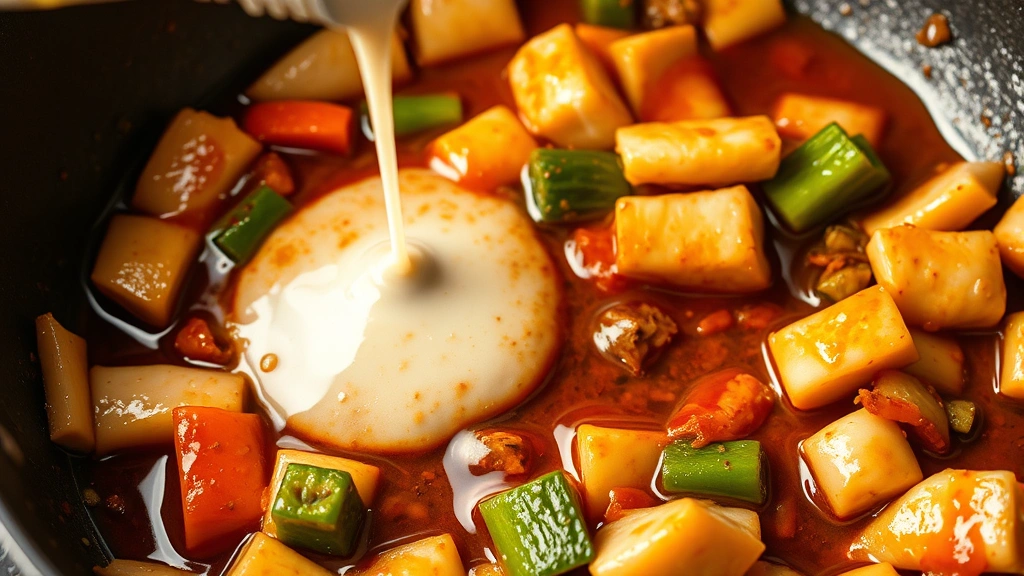
- Pour sauce into the pan while continuously stirring
- Continue stirring for 1-2 minutes until sauce thickens and becomes glossy
- The sauce should coat ingredients without pooling at the bottom
- Remove from heat and drizzle with sesame oil
The key to professional results lies in constant movement. Unlike passive cooking methods, stir-frying demands active engagement. Keep your wrist flexible and your movements confident. If you’re interested in learning other quick cooking techniques, exploring quick breakfast recipes teaches similar rapid-fire cooking principles applicable to any cuisine.
Mastering the Perfect Sauce
The sauce makes or breaks chop suey. Many home cooks struggle with either lumpy sauce or sauce that’s too thin. Here’s the professional formula for a perfect sauce:
Classic Chop Suey Sauce (serves 4):
- 3 tablespoons soy sauce
- 2 tablespoons oyster sauce
- 1 tablespoon rice vinegar
- 1 teaspoon sesame oil (added after cooking)
- ½ cup chicken or vegetable broth
- 2 tablespoons cornstarch
- 1 teaspoon sugar
- ¼ teaspoon white pepper
The critical technique for smooth sauce:
Never add cornstarch directly to liquid—it clumps immediately. Instead, create a slurry by mixing cornstarch with 3 tablespoons of cold broth, stirring until completely smooth. Then combine this slurry with remaining ingredients. The cornstarch granules, when properly suspended in cold liquid, distribute evenly when added to hot pan, creating a silky sauce rather than lumpy paste.
For sauce consistency, remember that it thickens slightly as it cools. The sauce should appear glossy and flow slowly from a spoon when finished cooking, not cling to the spoon or run like water. This perfect consistency develops through experience, but starting with the recommended proportions provides a reliable baseline.
Taste your sauce before adding it to the pan. It should taste slightly saltier and more concentrated than desired in the final dish, since it will be diluted by vegetable moisture and proteins. Adjust soy sauce or salt accordingly. Serious Eats offers detailed sauce chemistry explanations if you want deeper understanding of thickening agents and flavor balancing.
Vegetable Selection and Cutting
Vegetable selection dramatically impacts both flavor and texture. Traditional chop suey uses a specific combination, but understanding the principles allows creative variation:
Essential Vegetables:
- Celery—Provides crunch and mild flavor; cut into ¼-inch diagonal pieces
- Water chestnuts—Canned work fine; provide distinctive crisp texture
- Bamboo shoots—Add subtle earthiness and maintain crispness
- Bell peppers—Red or green; add sweetness and color; cut into ½-inch pieces
- Carrots—Julienned or cut into thin matchsticks for quick cooking
Optional Vegetables:
- Snow peas—Add green color and tender crispness
- Mushrooms—Provide umami depth; slice thinly
- Onions—Add sweetness; cut into thin wedges
- Cabbage—Adds volume and subtle sweetness; shred finely
The critical principle: uniform sizing ensures even cooking. When vegetables are cut to similar sizes, they cook at the same rate, preventing some from becoming mushy while others remain raw. This attention to detail separates home cooking from professional results.
Always cut vegetables just before cooking, or store cut vegetables in a sealed container with paper towels to absorb excess moisture. Wet vegetables create steam rather than browning, compromising texture and flavor development.
Protein Options Beyond Chicken
While chicken represents the most common protein in American chop suey, professional chefs vary proteins based on availability and preference:
Chicken (most traditional): Use boneless, skinless breasts cut into ½-inch cubes. Cook until just done to prevent dryness. Yields mild flavor that lets other ingredients shine.
Shrimp (restaurant favorite): Use medium shrimp (21-25 count), peeled and deveined. Cook for only 1-2 minutes until pink, then remove. Shrimp overcooks quickly, becoming rubbery. Add back just before sauce to prevent overcooking.
Pork (Cantonese style): Cut pork tenderloin into small cubes. Cooks faster than chicken and provides rich flavor. Traditional in Hong Kong-style chop suey.
Beef (American variation): Use flank steak or sirloin cut into thin slices. Slice against the grain for maximum tenderness. Cooks quickly at high heat.
Vegetarian option: Replace protein with tofu (pressed and cubed) or additional vegetables like mushrooms and cabbage. Add an extra tablespoon of oyster sauce or soy sauce to compensate for umami normally provided by protein.
Protein preparation determines final texture. Always cut into uniform pieces and cook just until done. Overcooking creates tough, dry results that disappoint even experienced diners.
Common Mistakes and How to Avoid Them
Understanding what goes wrong helps you succeed. Here are the most common chop suey failures and professional solutions:
Mistake #1: Overcrowding the Pan
Adding too many ingredients at once drops pan temperature, creating steam instead of browning. Solution: Work in batches or use a larger wok. Maintain consistent heat throughout cooking.
Mistake #2: Wet Vegetables
Moisture prevents browning and creates soggy results. Solution: Wash vegetables thoroughly, then dry completely with paper towels before cutting. Store cut vegetables uncovered or with paper towels to absorb excess moisture.
Mistake #3: Insufficient Heat
Chop suey requires medium-high to high heat. Low heat creates steamed rather than stir-fried vegetables. Solution: Preheat your pan and oil until shimmering before adding ingredients. If your stovetop runs cool, use the highest setting available.
Mistake #4: Overcooked Vegetables
Soft, mushy vegetables destroy the dish’s appeal. Solution: Remember that vegetables continue cooking after you remove them from heat. Remove them slightly before they reach desired doneness. Vegetables should have a slight crunch when bitten.
Mistake #5: Lumpy Sauce
Cornstarch added directly to hot liquid creates lumps. Solution: Always make a slurry with cold liquid first. Stir thoroughly before adding to pan. If lumps form, strain sauce through a fine-mesh sieve.
Mistake #6: Bland Flavor
Under-seasoning is the most common professional complaint. Solution: Taste as you cook. Add soy sauce by the teaspoon, tasting between additions. Remember that salt enhances all other flavors, so proper seasoning proves essential.
If you’re struggling with timing and organization, learning food waste reduction tips teaches efficient prep and storage methods that support successful chop suey preparation.
Advanced Tips from Professional Chefs
Beyond the basics, professional chefs employ subtle techniques that elevate chop suey from good to exceptional:
Blooming aromatics in oil: Before adding vegetables, let garlic and ginger steep in hot oil for 30 seconds. This releases essential oils that infuse the entire dish with aromatic depth impossible to achieve by adding aromatics to vegetables.
Two-stage cooking for proteins: Cook protein until barely done, remove it, then add it back just before sauce. This prevents overcooking while building deeper browning flavors.
Finishing with sesame oil: Never cook with sesame oil—its low smoke point causes burning. Instead, drizzle it over finished chop suey just before serving. This preserves its delicate nutty flavor that heat destroys.
Cornstarch for texture: Beyond thickening sauce, cornstarch lightly coating protein creates a silky mouthfeel that distinguishes restaurant chop suey. Toss protein pieces in a light cornstarch coating before cooking for this effect.
Wok seasoning: If you have a carbon steel wok, its seasoning develops over time, creating naturally non-stick surface and imparting subtle flavor. If using stainless steel or non-stick, ensure proper oil distribution to prevent sticking.
Serving Suggestions and Pairings
Presentation and accompaniments significantly impact the dining experience. Here’s how professionals serve chop suey:
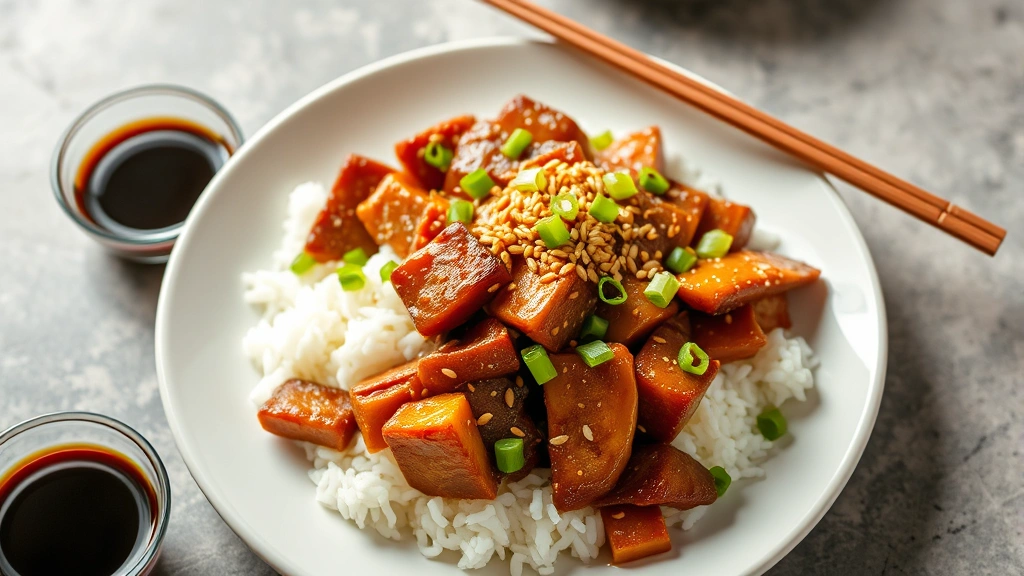
Base options: Serve chop suey over steamed white rice, brown rice, or crispy chow mein noodles. Some prefer it over fresh vegetables or cauliflower rice for lighter preparations. The base should complement rather than compete with chop suey’s flavors.
Garnishes: Scatter toasted sesame seeds and sliced green onions over finished dishes. These add visual appeal and subtle flavor complexity. Cilantro provides brightness, though it’s not traditional.
Beverage pairings: Serve with jasmine tea, Chinese beer, or dry white wine. These beverages cleanse the palate between bites, enhancing appreciation of subtle flavors.
Side dishes: Egg rolls or spring rolls provide textural contrast. Steamed bok choy or broccoli add vegetable nutrition without competing with chop suey’s flavors.
Temperature matters—serve chop suey immediately while still hot. The sauce sets as it cools, and flavors diminish. Professional kitchens time all components to finish simultaneously, ensuring optimal temperature and texture.
If you’re planning a full Asian dinner menu, exploring healthy dessert recipes helps you create balanced meals that conclude satisfyingly without overwhelming diners with excessive richness.
FAQ
What’s the difference between chop suey and chow mein?
The primary distinction lies in sauce. Chop suey features a thickened sauce that coats ingredients, while chow mein uses a lighter sauce or sometimes no sauce at all. Chop suey vegetables are typically chopped smaller, while chow mein vegetables are often sliced. Chow mein emphasizes noodles as the main component, whereas chop suey balances vegetables and protein equally.
Can I make chop suey ahead of time?
Chop suey is best served immediately after cooking. However, you can prepare all ingredients (mise en place) several hours ahead. Store prepped vegetables in sealed containers with paper towels. Prepare sauce and keep refrigerated. When ready to cook, the actual cooking takes only 10 minutes. Reheating finished chop suey creates texture loss and flavor diminishment.
How do I prevent my chop suey from being watery?
Watery chop suey results from vegetables releasing moisture or insufficient cornstarch. Solutions: Ensure vegetables are thoroughly dried before cooking. Use the correct cornstarch-to-liquid ratio in your sauce. Cook vegetables until they release minimal moisture, then immediately add sauce. If your finished dish is watery, create a cornstarch slurry and add it gradually while stirring until desired thickness is achieved.
Is cornstarch necessary, or can I use flour instead?
Cornstarch is superior because it creates a glossy, translucent sauce that lets ingredients shine. Flour creates opaque, heavier sauces that obscure appearance. Additionally, cornstarch thickens at lower temperatures, providing better control. If you must substitute, use twice the amount of flour and accept slightly different texture and appearance.
What’s the ideal pan for making chop suey?
A traditional carbon steel wok is ideal because its shape and curved sides facilitate constant movement and heat distribution. However, a large skillet (12-14 inches) works perfectly well. The key is surface area—a crowded pan prevents proper cooking. Non-stick surfaces are acceptable but less ideal than carbon steel or stainless steel, which develop better browning.
Can I make vegetarian chop suey?
Absolutely. Replace meat with tofu (pressed and cubed), additional vegetables, or mushrooms. Increase oyster sauce to 3 tablespoons and add 1 tablespoon soy sauce to compensate for umami normally provided by protein. Consider adding 1 tablespoon hoisin sauce for additional depth. The cooking technique remains identical.
How can I make my chop suey spicy?
Add chili garlic sauce or sriracha to the sauce mixture (start with 1 teaspoon per serving, adjusting to taste). Alternatively, add fresh sliced red chilies during the garlic and ginger blooming phase. Some chefs add a pinch of cayenne pepper to the sauce. Remember that heat intensifies as chop suey cools, so start conservatively.
Why does restaurant chop suey taste different from mine?
Restaurants use higher heat than home stoves typically provide, creating superior browning and caramelization. They also use more salt and fat than health-conscious home cooks typically employ. Additionally, restaurants prepare large batches where flavors meld more thoroughly. To approximate restaurant results, increase heat to the maximum your stove provides, don’t undersalt, and use generous oil quantities.
Can I freeze chop suey?
Freezing is not recommended for finished chop suey, as vegetables become mushy upon thawing and sauce separates. However, you can freeze prepped vegetables (blanch first and cool completely), and you can refrigerate sauce for up to one week. When ready to serve, cook fresh and combine with thawed or fresh ingredients for optimal results.
What wine pairs best with chop suey?
Dry white wines like Sauvignon Blanc, Pinot Grigio, or Riesling complement chop suey well. These wines’ acidity cleanses the palate and balances the dish’s richness. Lighter-bodied reds like Pinot Noir work if you prefer red wine. Avoid heavy, oaky wines that overpower delicate flavors. MasterClass offers detailed wine pairing education if you want comprehensive knowledge.
How many servings does this recipe make?
The proportions provided serve 4 people as a main course with rice. For 2 servings, halve all quantities. For 6 servings, increase by 50%. Remember that sauce quantities remain relatively consistent—you’re primarily scaling protein and vegetables.


