Cracker Barrel Meatloaf Recipe: Chef’s Secret to Recreating This Comfort Food Classic
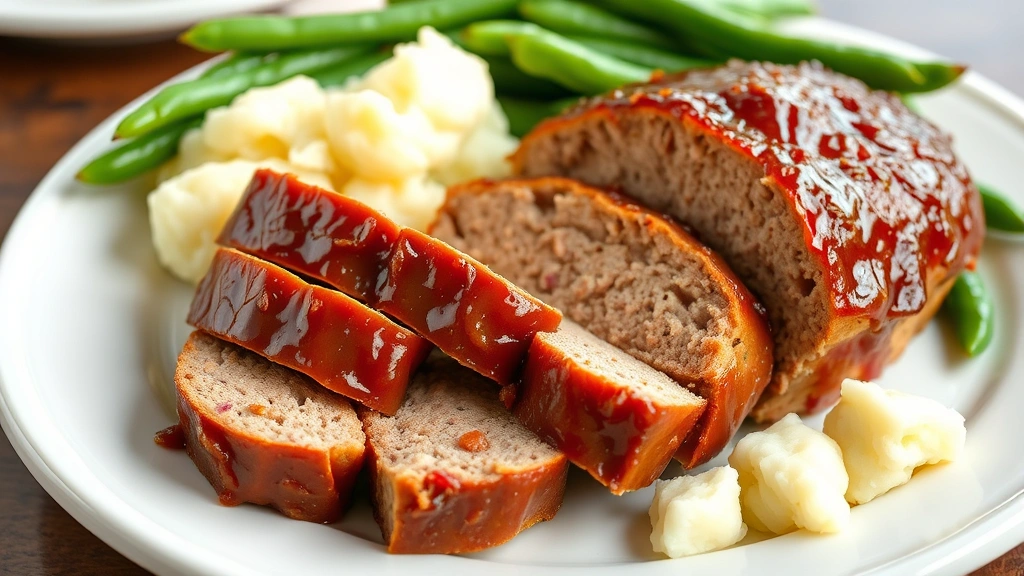
There’s something undeniably comforting about Cracker Barrel’s meatloaf. It’s the kind of dish that keeps customers coming back to the rustic restaurant chain, fork after fork. The perfectly seasoned beef mixture, the slightly sweet tomato glaze, and that tender, moist interior have made it a beloved menu staple for decades. But what if you could recreate this iconic comfort food in your own kitchen? With the right ingredients, technique, and insider knowledge, you absolutely can.
This Cracker Barrel meatloaf recipe reveals the chef’s secrets that make their version stand out from ordinary homemade meatloaf. We’re talking about the specific blend of seasonings, the unexpected ingredient that keeps the meat incredibly moist, and the glazing technique that gives it that signature caramelized exterior. Whether you’re a longtime fan of the restaurant or simply searching for an elevated meatloaf recipe, this guide will walk you through every step to achieve restaurant-quality results at home.
The beauty of mastering this recipe is that it’s not complicated—it just requires understanding the fundamentals of meatloaf construction and what makes Cracker Barrel’s version uniquely delicious. Let’s dive into the secrets.
What Makes Cracker Barrel Meatloaf Special
Cracker Barrel’s meatloaf has earned its reputation through careful attention to detail and quality ingredients. Unlike many diner meatloaves that can taste dry and one-dimensional, Cracker Barrel’s version achieves a perfect balance of flavors and textures. The meat is tender and juicy, the seasoning profile is complex yet approachable, and the glaze adds a subtle sweetness that complements the savory beef.
The restaurant’s meatloaf differs from standard recipes in several key ways. First, they use a combination of ground beef and ground pork, which adds richness and helps retain moisture during cooking. Second, they incorporate breadcrumbs that have been soaked in milk—a technique called panade—which acts as a binder and moisture reservoir. Third, the seasoning blend includes both traditional spices and subtle flavor enhancers that create depth.
Understanding these fundamentals is crucial before you start mixing ingredients. When you know why each component matters, you’ll find it easier to adjust the recipe to your preferences while maintaining the integrity of the original. This approach to cooking with intent transforms a simple dish into something truly special.
Ingredients You’ll Need
Before you begin, gather all your ingredients. This mise en place approach ensures smooth preparation and prevents mid-cooking scrambles for forgotten items.
For the Meatloaf:
- 1 pound ground beef (80/20 blend recommended)
- ½ pound ground pork
- ¾ cup breadcrumbs (panko works well)
- ½ cup whole milk
- 1 medium onion, finely diced
- 2 cloves garlic, minced
- 2 eggs, beaten
- ¼ cup ketchup
- 2 tablespoons Worcestershire sauce
- 1 tablespoon mustard (yellow or Dijon)
- 1 teaspoon salt
- ½ teaspoon black pepper
- ½ teaspoon paprika
- ¼ teaspoon cayenne pepper
- ½ teaspoon garlic powder
- ½ teaspoon onion powder
For the Glaze:
- ½ cup ketchup
- 3 tablespoons brown sugar
- 2 tablespoons apple cider vinegar
- 1 tablespoon Worcestershire sauce
- 1 teaspoon mustard
- ½ teaspoon smoked paprika
Quality ingredients make a significant difference. Choose ground beef with proper fat content—too lean and your meatloaf becomes dry; too fatty and it becomes greasy. The pork adds necessary moisture and subtle flavor that beef alone cannot provide. Fresh garlic and onion are non-negotiable; their aromatic compounds are essential to achieving that homestyle Cracker Barrel taste.
The Secret Ingredient for Moisture
The panade—breadcrumbs soaked in milk—is the secret weapon that separates an exceptional meatloaf from a mediocre one. This technique is used by professional chefs and appears in classic culinary technique guides for a reason: it works.
When breadcrumbs absorb milk, they swell and create a moisture-retaining network within the meat mixture. As the meatloaf cooks, this panade prevents the meat proteins from squeezing out all their natural juices. The result is meatloaf that stays tender and succulent even after sitting for a few minutes before serving. This is why Cracker Barrel’s meatloaf doesn’t dry out—they understand this fundamental principle.
To prepare the panade, combine ¾ cup panko breadcrumbs with ½ cup whole milk in a bowl. Let it sit for 5 minutes, stirring occasionally, until the breadcrumbs have absorbed most of the liquid and formed a paste-like consistency. This step is not optional if you want to achieve authentic Cracker Barrel results. The panade should be slightly thicker than cake batter but softer than bread dough.
Many home cooks skip this step because it seems unnecessary, but doing so is where their meatloaf fails. The panade is what transforms ground meat into something with actual texture and moisture. It’s the difference between a dense, rubbery meatloaf and one that’s tender and pleasant to eat.
Step-by-Step Instructions
Step 1: Prepare Your Panade
Combine breadcrumbs and milk in a small bowl. Let sit for 5 minutes until the breadcrumbs absorb the liquid. This creates the moisture-retaining base for your meatloaf.
Step 2: Sauté Your Aromatics
In a small skillet, heat 1 tablespoon of oil over medium heat. Add diced onion and cook for 3-4 minutes until softened and translucent. Add minced garlic and cook for another minute until fragrant. This step develops deeper flavors compared to using raw onion and garlic. Let the mixture cool slightly before adding to the meat.
Step 3: Combine Wet Ingredients
In a large mixing bowl, whisk together beaten eggs, ketchup, Worcestershire sauce, and mustard. This creates a flavorful binder that will coat all the meat particles. The ketchup adds sweetness and acidity, while Worcestershire contributes umami depth.
Step 4: Mix the Meatloaf
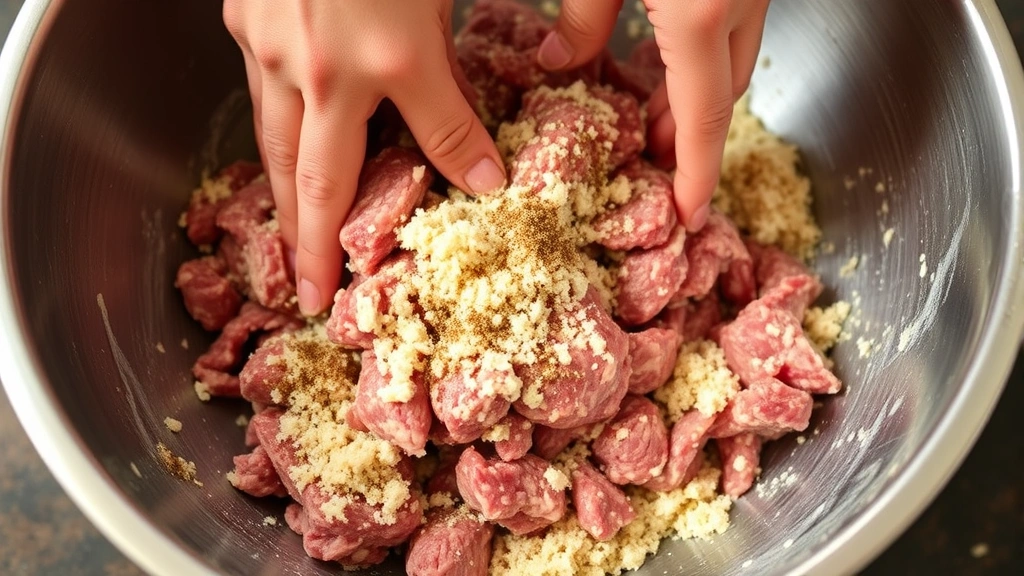
Add the cooled panade to the wet ingredients and stir to combine. In a separate bowl, combine all dry seasonings: salt, black pepper, paprika, cayenne, garlic powder, and onion powder. Add the ground beef and ground pork to the wet mixture, then sprinkle the seasoning blend over top.
Here’s the crucial part: mix gently with your hands, using a folding motion rather than aggressive kneading. Overmixing develops gluten in the breadcrumbs, which toughens the final product. Mix just until ingredients are evenly distributed—the mixture should look slightly marbled, not completely uniform. This typically takes 2-3 minutes of gentle mixing.
Step 5: Shape and Pan Preparation
Preheat your oven to 350°F (175°C). Line a 9×5-inch loaf pan with foil or parchment paper, or lightly oil it. You can also shape the meatloaf into a freestanding loaf on a rimmed baking sheet, which allows heat to circulate on all sides for more even cooking and better browning.
Transfer the meat mixture to your prepared pan or baking sheet. If using a loaf pan, press the mixture gently into the pan without compacting it too firmly. If shaping freestanding, form it into a rectangular loaf about 2 inches tall. The shape should be relatively even so it cooks uniformly.
Step 6: Initial Baking
Place the meatloaf in the preheated oven and bake for 40 minutes without the glaze. This initial baking period allows the meatloaf to develop structure and cook partway through. You’ll notice the edges starting to brown and the internal temperature rising.
The Perfect Glaze Technique
After 40 minutes, remove the meatloaf from the oven and check its progress. The internal temperature should be around 140-145°F at this point. Now comes the glazing step that makes Cracker Barrel’s meatloaf unmistakable.
Preparing the Glaze:
In a small saucepan, combine ½ cup ketchup, 3 tablespoons brown sugar, 2 tablespoons apple cider vinegar, 1 tablespoon Worcestershire sauce, 1 teaspoon mustard, and ½ teaspoon smoked paprika. Heat over medium heat, stirring frequently, until the mixture becomes glossy and the brown sugar dissolves completely. This should take about 3-4 minutes. The glaze should be thick enough to coat the back of a spoon but still pourable.
The combination of brown sugar and apple cider vinegar creates that signature sweet-tangy profile that defines Cracker Barrel’s meatloaf. The smoked paprika adds subtle depth and color. This isn’t just ketchup on top—it’s a carefully balanced sauce.
Applying the Glaze:
Spread or brush the warm glaze evenly over the top and sides of the partially-cooked meatloaf. Use all of it—don’t be shy. Return the meatloaf to the oven and bake for an additional 15-20 minutes, until the internal temperature reaches 160°F (71°C) when measured with a meat thermometer inserted into the center.
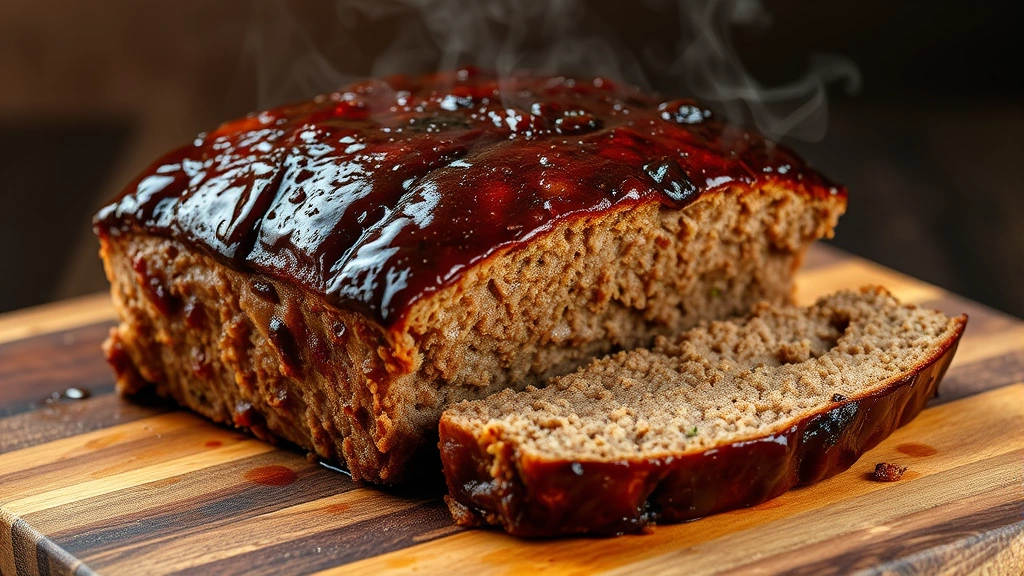
During this final baking phase, the glaze caramelizes slightly, creating a flavorful crust while the meatloaf finishes cooking through. You might notice the glaze darkening at the edges—this is exactly what you want. It indicates proper caramelization, which adds complexity to the flavor.
Resting Period:
Once the meatloaf reaches 160°F, remove it from the oven and let it rest for 10 minutes before slicing. This resting period allows the juices to redistribute throughout the meat, ensuring each slice stays moist rather than weeping liquid when cut. During this time, the carryover cooking will bring the internal temperature to about 165°F.
Cooking Tips and Tricks
Temperature Control:
Use an instant-read meat thermometer to eliminate guesswork. The target internal temperature for meatloaf is 160°F (71°C) for food safety. Avoid cooking it beyond 165°F, as higher temperatures cause the meat to become dry. Insert the thermometer into the thickest part of the meatloaf, away from any air pockets.
Preventing Cracking:
If your meatloaf develops cracks on top during cooking, don’t worry—this is normal. However, if you want to minimize cracking, ensure your oven temperature is accurate and avoid opening the oven door repeatedly during the first 40 minutes of cooking. Temperature fluctuations cause the surface to crack.
Pan Choice Matters:
A loaf pan creates a denser, more compact meatloaf because the sides are enclosed. For a lighter texture with better browning, use a rimmed baking sheet and shape the meatloaf freestanding. If you enjoy learning about various cooking equipment, our guide on how to cook with cast iron discusses how different pans affect cooking results.
Leftover Meatloaf:
This meatloaf actually improves after a day in the refrigerator as flavors meld. Slice cold meatloaf and pan-fry it in a cast iron skillet for crispy edges, or use it in sandwiches. Store leftover meatloaf in an airtight container for up to 4 days, or freeze for up to 3 months.
Scaling the Recipe:
If you need to make a larger batch, double the recipe and use a 9×13-inch baking dish or two loaf pans. Add about 10 minutes to the initial baking time, but check for doneness with a thermometer rather than relying solely on time. Larger meatloaves take longer to heat through.
Serving Suggestions
Cracker Barrel serves their meatloaf with classic comfort food sides. Mashed potatoes with gravy are the traditional pairing, allowing the creamy potatoes to balance the slightly sweet meatloaf. You might also consider serving it with white sauce recipe options for added richness.
Green bean casserole or steamed vegetables provide a lighter contrast to the hearty meatloaf. Some people enjoy cornbread alongside it for a complete comfort meal experience. If you’re exploring other homestyle dishes, our chicken and noodles recipe offers similar nostalgic appeal.
For a more modern presentation, serve thin slices of meatloaf over a bed of roasted vegetables or alongside a simple green salad. The meatloaf’s rich flavors pair surprisingly well with acidic salad dressings.
If you’re building a complete meal, consider complementary dishes like chipotle chicken recipe variations for different occasions, or explore hearty broths in caldo de pollo recipe for a complete comfort food repertoire.
For breakfast or brunch leftovers, dice the meatloaf and incorporate it into scrambled eggs or hash. The umami flavors work beautifully with eggs, creating a protein-rich breakfast. Check out our best breakfast food recipes for additional inspiration on using meatloaf creatively.
Wine Pairing:
If you enjoy wine with dinner, this meatloaf pairs well with medium-bodied red wines like Pinot Noir or Merlot. The tannins cut through the richness of the beef and pork, while the fruit flavors complement the sweet glaze. For white wine lovers, a Riesling with slight sweetness echoes the brown sugar in the glaze.
Beverage Pairing:
Classic beverages like iced tea, lemonade, or a simple water with lemon are perfect alongside meatloaf. The acidity in these drinks aids digestion and cleanses the palate between bites.
FAQ
Can I use all ground beef instead of a beef and pork mixture?
Technically yes, but the result won’t be as moist or flavorful. Ground pork contributes fat and richness that ground beef alone cannot provide. If you must use all beef, increase the panade to 1 cup breadcrumbs and ¾ cup milk to compensate for moisture loss. The texture and flavor will still differ from the authentic Cracker Barrel version.
What if I don’t have panko breadcrumbs?
Regular breadcrumbs work fine, though panko creates a slightly lighter texture due to its larger crumb size. You can also use crushed saltines or finely crumbled white bread. The key is that the breadcrumbs absorb milk and create a panade—the specific type is less critical than the technique itself.
Can I make this meatloaf ahead of time?
Yes! You can prepare the meatloaf mixture up to 24 hours in advance. Cover it and refrigerate until you’re ready to cook. You can also shape it in the pan or on the baking sheet, wrap it well, and refrigerate. When you’re ready to cook, add about 5-10 minutes to the initial baking time since it will be starting from a colder temperature.
Why is my meatloaf dry?
The most common cause is overcooking. Meatloaf continues cooking after removal from the oven due to carryover cooking, so remove it at 160°F, not higher. The second cause is skipping or underpreparing the panade. Ensure the breadcrumbs fully absorb the milk before mixing into the meat. Finally, overmixing the meat mixture can develop gluten, which tightens the structure and squeezes out moisture.
Can I freeze the cooked meatloaf?
Absolutely. Cool the meatloaf completely, wrap it tightly in plastic wrap and then aluminum foil, and freeze for up to 3 months. To reheat, thaw overnight in the refrigerator, then warm in a 350°F oven for about 20-25 minutes, or slice and pan-fry. Microwaving is faster but tends to dry out the meatloaf slightly.
What’s the difference between this recipe and standard meatloaf?
This Cracker Barrel-inspired recipe differs in several ways: it uses a pork and beef blend (more moisture and richness), includes a properly prepared panade (moisture retention), features a more complex seasoning profile with paprika and cayenne (depth), and uses a specialty glaze with brown sugar and vinegar (signature sweetness and tang). These elements combine to create a superior meatloaf compared to basic recipes.
Can I use fresh herbs instead of dried seasonings?
Fresh herbs can work, but use them sparingly. Fresh herbs have higher water content and milder flavor than dried versions. If substituting, use about 3 times the amount of fresh herbs compared to dried. Fresh thyme or parsley would work well in this recipe, but add them at the very end to preserve their delicate flavors.
Is there a way to make this recipe lighter?
You can reduce the amount of pork and use leaner ground beef (90/10 blend), but this will affect moisture and flavor. Increasing the panade slightly helps compensate. You could also reduce the glaze sugar content, though this changes the signature Cracker Barrel profile. The recipe is already relatively balanced between flavor and nutrition.
How do I know when the glaze is properly caramelized?
The glaze should darken slightly and look glossy and sticky. During the final 15-20 minutes of baking, the edges might turn a deeper brown or even slightly blackened in spots—this is proper caramelization, not burning. If the glaze is still bright red when the meatloaf reaches temperature, it hasn’t caramelized enough. In this case, run the meatloaf under the broiler for 1-2 minutes, watching closely to avoid burning.
Mastering this Cracker Barrel meatloaf recipe opens the door to understanding professional cooking techniques applied to home cooking. The principles of moisture retention, proper seasoning, and technique-driven cooking improve not just meatloaf, but your entire cooking repertoire. Once you understand why each step matters, you’ll find yourself applying these lessons to other recipes and becoming a more confident, capable cook.


