Creamy White Sauce Recipe: Chef-Approved Technique for Perfect Results Every Time
A silky, luxurious white sauce—also known as béchamel—is one of the five French mother sauces and forms the foundation for countless dishes across global cuisines. Whether you’re draping it over pasta, layering it into lasagna, or using it as a base for seafood preparations, mastering this white sauce recipe transforms your cooking from ordinary to restaurant-quality. The beauty of this sauce lies in its simplicity: just butter, flour, and milk create magic when technique meets precision.
What separates a lumpy, broken sauce from a velvety masterpiece isn’t expensive ingredients or complicated steps—it’s understanding the science behind the emulsion and respecting the fundamentals. This guide walks you through the chef-approved method that guarantees success, whether you’re preparing an easy dinner recipe for beginners or crafting an elegant dish for guests. We’ll explore variations, troubleshooting tips, and applications that extend far beyond the basics.
Understanding Béchamel: The Science Behind Creamy White Sauce
Béchamel, the foundation of this white sauce recipe, represents one of the most elegant examples of culinary chemistry. The sauce achieves its creamy texture through a process called a roux—a mixture of equal parts fat and flour cooked together to create a thickening agent. This roux acts as a vehicle for the milk, transforming liquid into a smooth, cohesive sauce with body and substance.
The magic happens when starch granules from the flour gelatinize in heat, absorbing liquid and swelling to create thickness. Temperature control is crucial; cook too quickly and you’ll trap lumps, cook too slowly and the sauce thins. Understanding this molecular transformation helps you troubleshoot problems and adapt the recipe to different needs. Professional chefs recognize that mastering béchamel opens doors to countless other sauces—Mornay (add cheese), Soubise (add onions), Mustard sauce, and more all build from this foundation.
According to culinary education resources, béchamel’s importance in classical cooking cannot be overstated. It appears in traditional French, Italian, and Spanish cooking, proving its versatility across borders. The sauce’s neutral flavor profile makes it the perfect canvas for additional seasonings and ingredients, which is why chefs consider it essential knowledge.
Essential Ingredients and Their Roles
This white sauce recipe relies on just three base ingredients, each serving a specific purpose:
- Butter: Provides fat for the roux and carries flavor. Unsalted butter gives you control over final seasoning. Use whole butter, not clarified, for optimal emulsion and mouthfeel. The fat molecules in butter help create the silky texture that defines quality béchamel.
- All-purpose flour: Acts as the thickening agent when its starches gelatinize. All-purpose flour works best for traditional béchamel; avoid self-rising varieties which contain leavening agents. The protein structure in flour helps stabilize the emulsion.
- Whole milk: The primary liquid component. Full-fat milk creates richer, creamier results than low-fat alternatives. Cold milk prevents lumps when whisked into the hot roux, a critical technique detail.
- Salt and white pepper: Traditional seasonings that enhance without adding color. White pepper maintains the sauce’s pristine appearance, important for classical presentations.
- Nutmeg: A pinch of freshly grated nutmeg adds subtle warmth and depth. This is the chef’s secret that elevates basic béchamel into something memorable.
Quality matters significantly with these simple ingredients. Using fresh butter and whole milk noticeably improves results compared to margarine or milk substitutes. This is one recipe where ingredient choice directly impacts the final dish.
Step-by-Step White Sauce Recipe
Ingredients (serves 4-6):
- 3 tablespoons unsalted butter
- 3 tablespoons all-purpose flour
- 2 cups whole milk, warmed
- Salt to taste
- White pepper to taste
- Pinch of freshly grated nutmeg
Instructions:
- Warm your milk: Pour milk into a small saucepan and heat gently until steaming (about 160°F). This step prevents the temperature shock that causes lumps when cold milk meets hot roux. Set aside and keep warm.
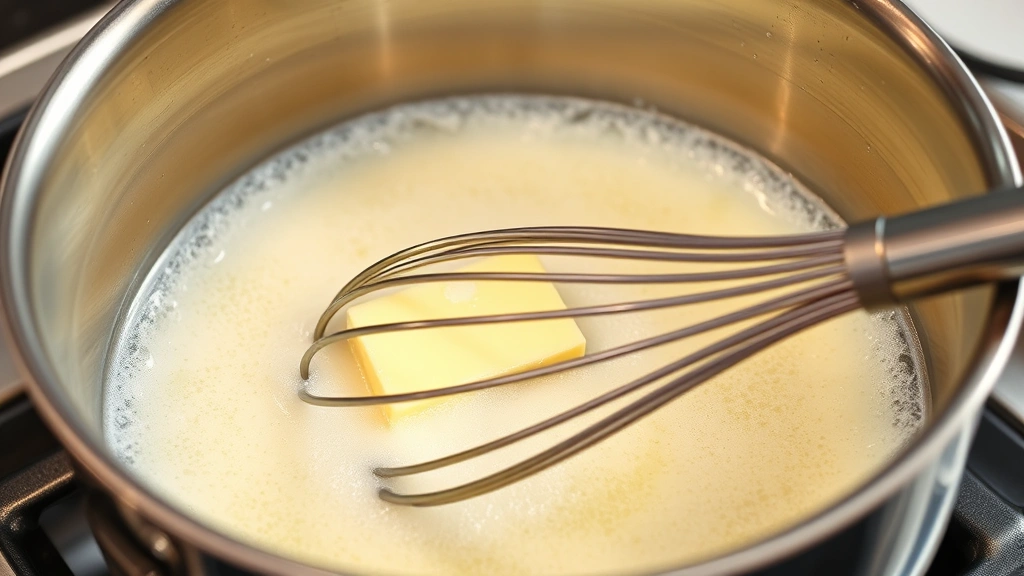
- Create the roux: In a heavy-bottomed saucepan, melt butter over medium heat. Once foaming, add flour and stir constantly for 1-2 minutes. This cooking period removes the raw flour taste without browning the roux. The mixture should resemble wet sand.
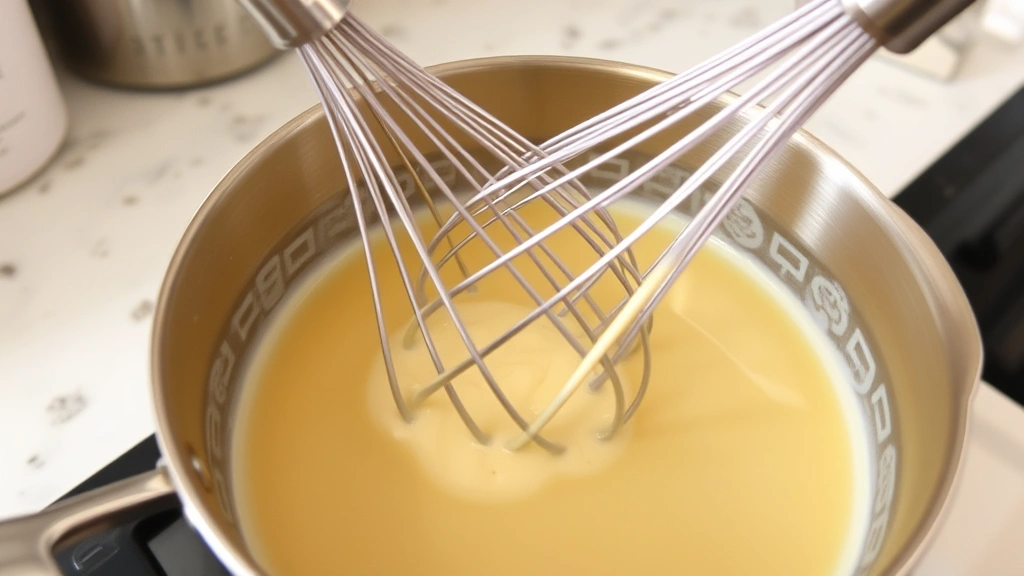
- Whisk in milk gradually: Remove the pan from heat. Add warm milk in three additions, whisking vigorously after each addition until smooth. This gradual incorporation prevents lumps from forming. The first addition will seem thick and pasty—this is normal.
- Return to heat: Place the pan back on medium heat and continue whisking constantly. The sauce will thicken noticeably, typically within 3-5 minutes. You’ll feel resistance in the whisk as the sauce reaches proper consistency.
- Season carefully: Once thickened, remove from heat. Season with salt, white pepper, and a small pinch of nutmeg. Taste and adjust seasonings. Remember that other components in your final dish may contribute salt.
- Strain for silkiness: For restaurant-quality results, pour the sauce through a fine-mesh strainer into a clean bowl. This removes any small lumps that formed during cooking, ensuring absolutely smooth texture.
Chef-Approved Techniques for Perfect Consistency
Professional chefs employ specific techniques that separate amateur attempts from polished results:
Temperature Management: Maintaining medium heat prevents burning and ensures even cooking. Too-high heat causes the bottom to scorch while the top remains thin. Too-low heat cooks slowly, allowing lumps to form. The ideal temperature range sits between 300-350°F for the pan surface.
The Whisk Technique: Use a balloon whisk rather than a fork or spoon. The multiple wires distribute force evenly, incorporating milk more thoroughly and preventing lumps. Whisk in steady, circular motions from the pan’s center outward, ensuring all areas of the pan contribute to the mixture.
Milk Temperature: This cannot be overstated—cold milk hitting hot roux causes flour particles to seize and clump. Warming milk to steaming prevents this reaction. If you forget this step and lumps form, strain the sauce through cheesecloth or a fine sieve.
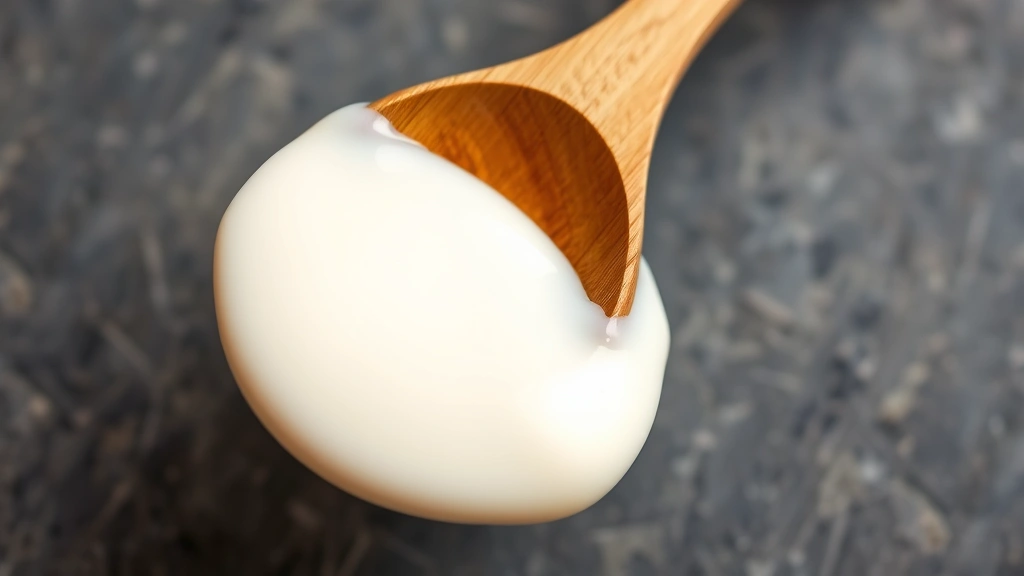
Thickness Adjustment: The consistency depends on your application. For coating pasta or vegetables, aim for sauce that flows slowly off a spoon. For lasagna layers, make it slightly thicker so it doesn’t run between noodles. For gratins, thin it slightly more. The basic ratio of 1 tablespoon butter and flour per ½ cup milk creates medium thickness; increase flour for thicker sauce or milk for thinner.
Resting Period: After seasoning, let the sauce rest for 2-3 minutes off heat. This allows starches to fully absorb liquid and reach maximum thickness. The sauce will continue thickening slightly as it cools, so account for this when adjusting consistency.
Common Mistakes and How to Fix Them
Even experienced cooks occasionally encounter problems. Here’s how to diagnose and resolve them:
Lumpy Sauce: The most common issue results from cold milk meeting hot roux or insufficient whisking. Prevention is easier than fixing: always warm milk and whisk vigorously. If lumps form, immediately strain through fine mesh while hot. The sauce remains usable and few will notice the intervention.
Too Thin: This occurs when the flour-to-liquid ratio is off or cooking time is insufficient. Make a quick beurre manié (equal parts softened butter and flour mixed into a paste), whisk it into the sauce bit by bit, and simmer for another minute. Alternatively, create a slurry of cornstarch and cold water, whisk it in, and simmer briefly.
Too Thick: Simply whisk in more warm milk gradually until reaching desired consistency. Adding milk in small amounts prevents overshooting. Remember the sauce thickens further as it cools.
Greasy or Separated: This indicates too much fat or overheating. Whisk vigorously to re-emulsify. If separation persists, start fresh—this sauce doesn’t recover well from severe breaking. The issue usually stems from cooking at too-high temperatures that cause fat and milk proteins to separate.
Scorched Flavor: The pan bottom browned during cooking. Immediately transfer sauce to a clean pan, leaving any browned bits behind. Prevent by using medium heat and keeping the whisk moving constantly.
Flavor Variations and Creative Applications
Once you master the basic white sauce recipe, countless variations await. These classic sauce derivatives build directly from béchamel:
Mornay Sauce: The most popular variation, add 1 cup grated Gruyère or Emmental cheese and 2 tablespoons grated Parmesan to finished béchamel. Mornay works beautifully over breakfast dishes like eggs and vegetables, or as a topping for gratins.
Mustard Sauce: Whisk in 2-3 tablespoons Dijon mustard and a pinch of dry mustard powder. This sauce pairs exceptionally well with ham, pork, and root vegetables.
Herb-Infused Sauce: Before adding milk to the roux, steep fresh thyme, bay leaf, and parsley in the warming milk for 10 minutes. Strain and proceed with the recipe. Alternatively, add finely chopped fresh herbs like dill, tarragon, or parsley after seasoning. Fresh herbs brighten the sauce’s flavor profile significantly.
Wine Sauce: Reduce ½ cup dry white wine until nearly evaporated, then whisk into the finished sauce. This adds complexity and sophistication, particularly for seafood applications.
Soubise (Onion Sauce): Caramelize 2 cups sliced onions in butter until golden, then prepare béchamel in the same pan. Blend until smooth for a refined sauce that complements poultry and veal beautifully.
These variations demonstrate how understanding the white sauce recipe foundation unlocks professional cooking techniques applicable across numerous dishes. Chefs often prepare a batch of basic béchamel and customize portions for different courses, maximizing efficiency.
Storage and Make-Ahead Tips
Béchamel is remarkably forgiving for make-ahead cooking, which explains its popularity in professional kitchens:
Refrigerator Storage: Cool the sauce completely, then transfer to an airtight container. It keeps for up to 5 days. When reheating, place in a saucepan over low-medium heat, whisking frequently. The sauce will thicken slightly during storage as starches continue absorbing liquid; thin with a little milk if needed.
Freezer Storage: Béchamel freezes well for up to 3 months. Cool completely, portion into ice cube trays, then transfer frozen cubes to freezer bags. This method provides convenient portions for future cooking. Thaw in the refrigerator overnight, then reheat gently with a splash of milk if needed.
Surface Skin Prevention: To prevent a skin from forming on the sauce surface during storage, press plastic wrap directly onto the sauce before refrigerating. This eliminates air contact that causes the skin.
Make-Ahead Dishes: Assembled dishes like lasagna, gratins, and casseroles actually improve with overnight refrigeration, allowing flavors to meld. Prepare these up to 24 hours ahead, cover tightly, and bake as directed, adding 5-10 minutes to cooking time since the dish starts cold.
Understanding that food waste reduction benefits from proper storage, making extra béchamel for multiple uses throughout the week represents smart kitchen practice. This sauce appears in breakfast dishes, lunch applications, and dinner preparations.
Professional chefs recognize that preserving herbs extends to incorporating them into sauces for maximum flavor retention. Fresh herbs stirred into warm béchamel infuse their essence throughout the sauce, providing more concentrated flavor than fresh herbs sprinkled on top.
Practical Applications Across Cuisines
This white sauce recipe transcends French cuisine, appearing in Italian, Spanish, and modern cooking:
Italian Lasagna: Béchamel alternates with meat sauce and cheese in traditional lasagna alla bolognese. The creamy layers balance the rich meat sauce, creating textural contrast.
Spanish Croquetas: A thicker béchamel, often with ham or seafood, becomes the filling for these beloved fried appetizers. The sauce must be thick enough to hold shape during frying.
Vegetable Gratins: Cauliflower, broccoli, and potato gratins rely on béchamel as the binder. The sauce keeps vegetables moist during baking while creating a golden crust when topped with breadcrumbs and cheese.
Seafood Applications: Fish and shellfish pair beautifully with delicate white sauces. A light béchamel with white wine and fresh dill complements poached salmon; shellfish benefit from Mornay sauce.
Pasta Dishes: Beyond simple coating, béchamel creates luxurious pasta dishes when combined with vegetables, proteins, and cheese. This technique appears frequently in contemporary cooking.
According to chef resource guides, understanding béchamel’s applications across global cuisines represents foundational culinary knowledge that develops cooking confidence and versatility.
FAQ
Can I use milk alternatives in this white sauce recipe?
While whole dairy milk produces the best results, you can experiment with alternatives. Oat milk and cashew cream work reasonably well, though they may produce slightly different flavor and mouthfeel. Avoid very thin alternatives like skim milk or highly processed options. If using non-dairy milk, add a tablespoon of cream if available to improve richness.
Why does my sauce break or separate?
Breaking usually results from excessive heat causing fat and milk proteins to separate. Lower the heat immediately and whisk vigorously. If the sauce has already broken significantly, transfer it to a clean pan and start over—this sauce doesn’t recover well from severe breaking. Prevention through medium heat and constant whisking is more effective than repair attempts.
Can I make this sauce without butter?
Technically yes, but you’ll lose the classic flavor and silky mouthfeel butter provides. Olive oil creates a different sauce with acceptable results, though it won’t match traditional béchamel. Avoid vegetable oils as they lack the flavor contribution butter offers. Butter is fundamental to authentic béchamel.
How do I know when the sauce is thick enough?
The sauce should coat the back of a spoon and leave a trail when you run your finger through it. For specific applications: lasagna needs thicker sauce (coats heavily), pasta needs medium sauce (flows slightly), and gratins need slightly thinner sauce (pours easily). Remember the sauce thickens further as it cools.
Can I prepare this sauce days in advance?
Yes, béchamel keeps refrigerated for up to 5 days or frozen for 3 months. Cool completely before storing in airtight containers. When reheating, use low-medium heat and whisk frequently, adding milk if the sauce has thickened too much during storage. This make-ahead capability makes béchamel ideal for meal planning.
What’s the difference between béchamel and other white sauces?
Béchamel specifically refers to the butter-flour-milk combination. Velouté uses stock instead of milk with a white roux. Cream sauce adds heavy cream to béchamel. Understanding these distinctions helps you apply the correct sauce to different dishes and adapt recipes successfully.


