Green Goddess Dressing Recipe: Chef’s Secret
Green goddess dressing is one of those culinary treasures that transforms ordinary salads, vegetables, and proteins into something extraordinary. This vibrant, herbaceous sauce has graced restaurant menus for decades, yet many home cooks remain unaware of how simple it is to recreate at home. The secret lies not in exotic ingredients or complex techniques, but in understanding the balance of fresh herbs, creamy components, and bright acidity that make this dressing absolutely irresistible.
Whether you’re looking to elevate your easy dinner recipes or simply want to master a versatile condiment that works across countless dishes, this green goddess dressing recipe will become a staple in your kitchen. What makes this dressing truly special is its remarkable versatility—it works beautifully as a salad dressing, a dipping sauce for fresh vegetables, a marinade for grilled chicken, or even a spread for sandwiches and wraps.
The beauty of making green goddess dressing from scratch is that you control every element. No preservatives, no unnecessary additives, and certainly no confusion about what’s actually in your food. This recipe yields a dressing that’s creamy yet light, herbaceous without being overwhelming, and packed with fresh flavors that taste like springtime in a bowl.
Understanding Green Goddess Dressing Origins
The green goddess dressing we know today originated in San Francisco during the 1920s at the Palace Hotel. It was created to complement a salad served during a banquet honoring British actor George Arliss, who was performing in a play called “The Green Goddess.” The dressing was such a hit that it became a permanent menu fixture and eventually spread across America, becoming a beloved classic in restaurants and home kitchens alike.
What makes this dressing historically significant is how it represents a shift in American cuisine toward fresher, more herb-forward flavors. Unlike the heavy, mayo-based dressings that dominated earlier culinary traditions, green goddess dressing celebrates the natural flavors of fresh herbs and greens. This approach aligns perfectly with modern cooking philosophies that emphasize whole foods and vibrant, fresh ingredients.
Understanding the history helps you appreciate why certain ingredients are non-negotiable in an authentic green goddess dressing. The combination of fresh basil, tarragon, chives, and parsley wasn’t arbitrary—these herbs were chosen for their complementary flavor profiles and their ability to create a harmonious, sophisticated taste experience.
Essential Ingredients Breakdown
Creating an excellent green goddess dressing starts with quality ingredients. Each component serves a specific purpose in creating the final flavor profile and texture. Let’s examine what makes this dressing work so beautifully:
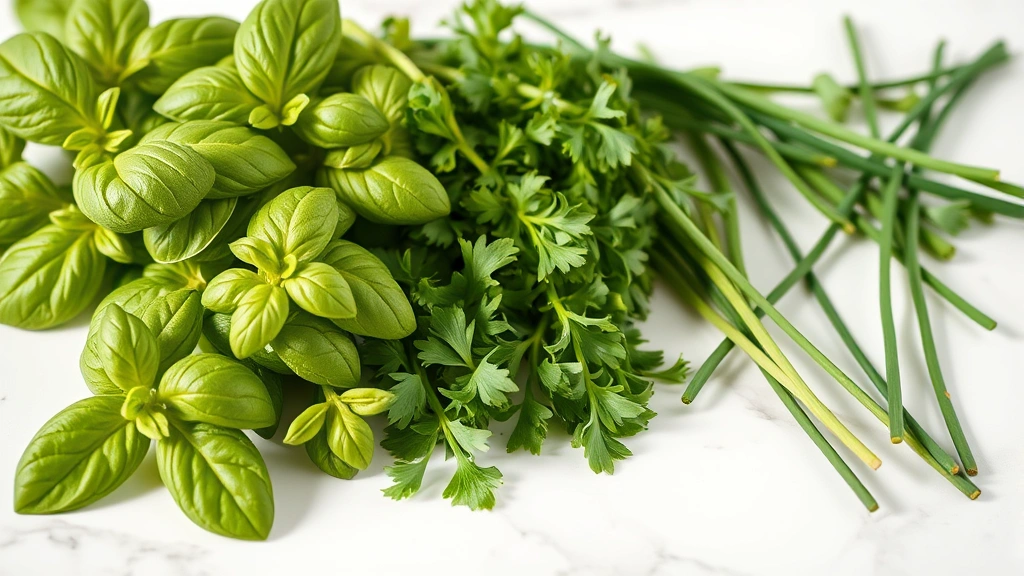
Fresh Herbs: The foundation of green goddess dressing relies on fresh, vibrant herbs. You’ll need fresh basil, fresh tarragon, fresh chives, and fresh parsley. These herbs provide the distinctive green color and the complex flavor profile that defines this dressing. Avoid dried herbs, as they lack the bright, fresh quality that makes this dressing special. Fresh herbs contain volatile oils that give them their characteristic flavors, and these compounds are largely lost during the drying process.
Creamy Base: Traditional green goddess dressing uses mayonnaise as its creamy foundation, though sour cream or Greek yogurt can provide alternatives. The creamy component helps emulsify the dressing and creates a smooth, luxurious texture that coats salad greens beautifully. If you’re making low carb dinner recipes, Greek yogurt is an excellent substitute that reduces calories while maintaining creaminess.
Acid Component: Lemon juice or white wine vinegar provides the bright acidity that balances the richness of the creamy base and brings all the flavors into focus. The acid also helps preserve the vibrant green color by preventing oxidation of the herbs. Approximately one to two tablespoons per cup of dressing provides the right balance.
Aromatics: Minced garlic and shallots add depth and complexity to the dressing. These ingredients should be used judiciously—too much can overwhelm the delicate herb flavors. One small clove of garlic and half a shallot per cup of dressing is typically the right proportion.
Liquid Balance: A small amount of water, milk, or additional lemon juice helps achieve the desired consistency. Some recipes include anchovy paste for umami depth, though this is optional and should be used sparingly so it enhances rather than dominates.
Step-by-Step Preparation Method
Now that you understand the ingredients, let’s walk through creating your green goddess dressing with precision and care:
Step 1: Prepare Your Herbs
Wash your fresh herbs thoroughly under cool running water and pat them completely dry. Moisture on the herbs can dilute your dressing and affect its flavor. Remove the leaves from the stems, discarding woody stem portions. You’ll need approximately one cup of loosely packed mixed fresh herbs total.
Step 2: Assemble Your Base
In a blender or food processor, combine one cup of high-quality mayonnaise with one-third cup of sour cream or Greek yogurt. This combination creates a balanced creamy base that’s rich but not overly heavy. Pulse briefly to combine these ingredients thoroughly.
Step 3: Add Your Herbs and Aromatics
Add your prepared fresh herbs, two minced garlic cloves, one minced shallot, one tablespoon of fresh lemon juice, and one teaspoon of white wine vinegar. If you choose to use anchovy paste for umami depth, add just one-quarter teaspoon. Pulse the food processor, scraping down the sides as needed, until the mixture reaches a vibrant green color with herbs finely incorporated but still maintaining some texture.
Step 4: Season and Balance
Add salt and freshly ground black pepper to taste. Start with one-quarter teaspoon of salt and adjust upward gradually. Taste as you go, remembering that the flavors will meld further as the dressing sits. If the dressing seems too thick, add cold water one tablespoon at a time until you reach your desired consistency.
Step 5: Final Refinement
Taste your dressing and adjust seasonings as needed. Does it need more acidity? Add another squeeze of lemon juice. Is it too thick? Thin with a bit more water. Does it need more herb flavor? Pulse in additional fresh basil or parsley. The beauty of making dressing at home is that you can customize it exactly to your preferences.
Step 6: Chill Before Serving
Transfer your finished green goddess dressing to a glass jar and refrigerate for at least thirty minutes before serving. This resting period allows the flavors to meld and develop. The dressing will thicken slightly as it chills, which is perfectly normal.
Pro Tips from Professional Chefs
Professional chefs who work with green goddess dressing regularly have developed techniques that elevate this recipe from good to exceptional. Here are their insider secrets:
Use a Mortar and Pestle First: Before adding herbs to your food processor, professional chefs often lightly bruise them in a mortar and pestle. This releases the volatile oils in the herbs, intensifying their flavor without breaking them down completely. This technique, used in professional culinary training, takes just two minutes and makes a noticeable difference.
Temperature Matters: Keep all your ingredients cold before blending. Cold ingredients blend more smoothly and help the dressing maintain its vibrant green color by slowing oxidation. Remove your mayonnaise and other components from the refrigerator just before you begin.
Don’t Overprocess: While you want the herbs thoroughly incorporated, overprocessing creates a dressing that’s too thin and loses the pleasant texture that makes this condiment special. Process just until the herbs are finely minced and the dressing reaches a uniform color.
Taste Multiple Times: Professional chefs taste their dressings at least three times during preparation—after adding the base, after adding herbs and aromatics, and after final seasoning. This prevents over-correcting any single flavor element.
Use Quality Mayonnaise: The quality of your mayonnaise directly impacts the final dressing. Look for brands made with whole eggs and quality oils. Homemade mayonnaise creates the most luxurious result if you have the time and inclination.
Storage and Make-Ahead Instructions
One of the best aspects of green goddess dressing is its make-ahead potential. Proper storage ensures your dressing remains fresh and flavorful for days, making it perfect for meal planning and busy weeknights.
Refrigerator Storage: Transfer your finished dressing to an airtight glass jar or container and store in the refrigerator for up to five days. The dressing will thicken slightly as it chills, and some separation may occur. Simply stir or shake before using. Glass containers are preferable to plastic, as plastic can absorb odors and flavors over time.
Freezing Considerations: While you can freeze green goddess dressing, the texture may change slightly upon thawing as the mayonnaise-based emulsion can break down. If you choose to freeze, leave some headspace in your container, as the dressing will expand slightly. Thaw in the refrigerator overnight and whisk vigorously before serving. Frozen dressing keeps for up to one month.
Flavor Development: Interestingly, green goddess dressing often tastes even better the next day, as the flavors have time to meld and develop. If you’re making this for a special meal, consider preparing it the day before. The color may darken slightly from oxidation, but the flavor will be superior.
Consistency Adjustments: If your stored dressing has thickened too much, simply whisk in cold water one tablespoon at a time until you reach the desired consistency. If it seems thin or separated, ensure it’s well-chilled before whisking it back to emulsion.
Creative Ways to Use Your Dressing
Green goddess dressing is far more versatile than many home cooks realize. While it’s undoubtedly delicious on salads, its applications extend throughout your kitchen:
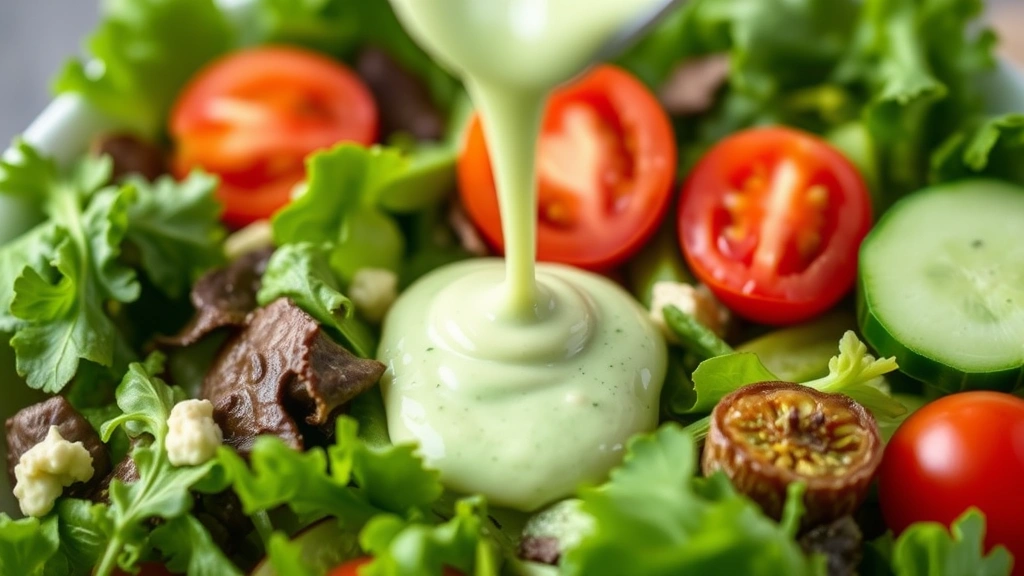
Salads and Greens: Obviously, green goddess dressing is spectacular on fresh green salads, but consider using it on composed salads with grilled vegetables, roasted potatoes, or pasta. The dressing’s herbaceous nature complements both raw and cooked vegetables beautifully.
Protein Marinade: Use green goddess dressing as a marinade for chicken, fish, or shrimp. The acidity helps tenderize the proteins while infusing them with herbal flavor. Marinate for at least two hours, though overnight produces the most developed flavor.
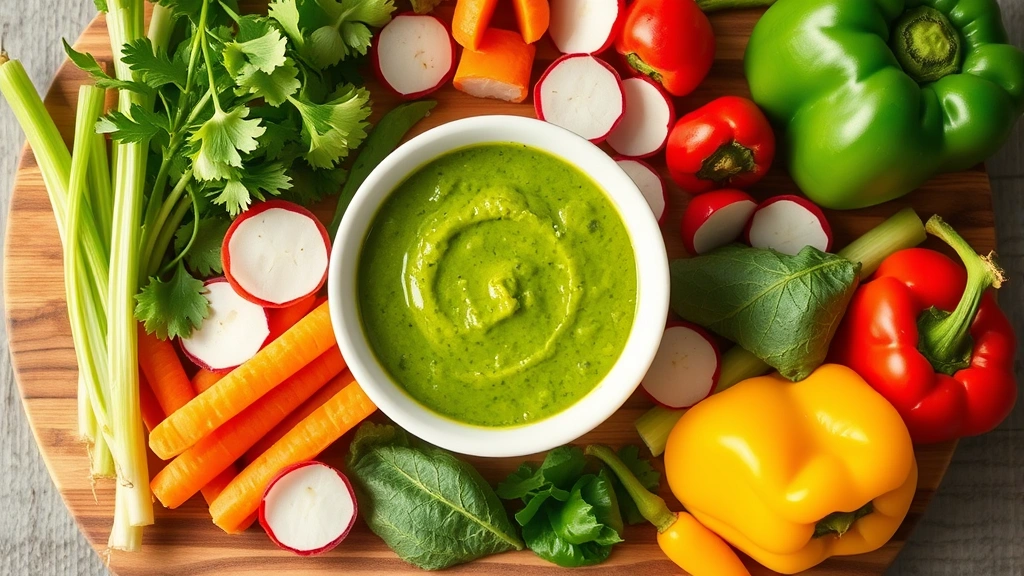
Vegetable Dip: Serve green goddess dressing alongside fresh vegetable crudités for an elegant appetizer. The dressing’s creamy texture and bright flavors make it an irresistible dip for carrots, celery, radishes, bell peppers, and cherry tomatoes.
Sandwich and Wrap Spread: Replace mayonnaise with green goddess dressing on sandwiches, wraps, and grain bowls. It adds tremendous flavor while keeping these meals feeling fresh and light. Works particularly well with turkey, chicken, and vegetarian options.
Grain Bowl Dressing: Drizzle green goddess dressing over grain bowls filled with quinoa, farro, or brown rice. The dressing brings together disparate ingredients while adding vibrant flavor and color.
Roasted Vegetable Sauce: Toss roasted vegetables with green goddess dressing while they’re still warm. The heat helps the dressing cling to the vegetables while the herbs brighten the earthiness of roasted produce.
Variations and Dietary Adaptations
The beauty of understanding the core principles behind green goddess dressing is that you can adapt it to suit various dietary needs and flavor preferences. Here are some excellent variations:
Dairy-Free Version: Replace the mayonnaise and sour cream with cashew cream or dairy-free mayonnaise. Soak one cup of raw cashews in hot water for thirty minutes, then blend with three-quarters cup of water, two tablespoons of lemon juice, and one clove of garlic until completely smooth. This creates a creamy base that works beautifully in green goddess dressing while accommodating dairy-free diets.
Lighter Version: For a lighter version with fewer calories, replace mayonnaise with Greek yogurt entirely. Use one cup of Greek yogurt and skip the sour cream. Add an extra tablespoon of lemon juice to maintain brightness. This version is perfect if you’re preparing healthy meals that don’t sacrifice flavor.
Vegan Adaptation: Combine vegan mayonnaise with silken tofu blended until smooth. Use one-half cup of each to create a creamy base. Add all the same herbs and seasonings, adjusting lemon juice to taste. This version is completely plant-based while maintaining the classic green goddess character.
Herb Variations: While the classic combination includes basil, tarragon, chives, and parsley, you can experiment with other fresh herbs. Try adding fresh dill for a brighter flavor, or incorporate fresh mint for a more summery version. Cilantro creates an entirely different flavor profile perfect for Latin-inspired dishes.
Spiced Version: Add a pinch of cayenne pepper, smoked paprika, or a dash of hot sauce for a version with more complexity and subtle heat. This variation works particularly well as a marinade for grilled proteins.
Tangy Version: Increase the sour cream component to one-half cup and reduce the mayonnaise to three-quarters cup. This creates a tangier dressing perfect for hearty salads and vegetable dips. Add an extra tablespoon of vinegar for additional brightness.
Reduced-Fat Option: Combine one-half cup of mayonnaise with one cup of Greek yogurt and one-quarter cup of milk. This dramatically reduces the fat content while maintaining creaminess. Perfect if you’re watching your fat intake without wanting to sacrifice flavor.
When making any variation, remember that the core principles remain the same: balance between creamy and acidic, fresh herbs as the star ingredient, and careful seasoning to bring all elements into harmony. Start with the base recipe and adjust gradually to understand how each component affects the final product.
Frequently Asked Questions
Can I make green goddess dressing without a food processor?
Absolutely! While a food processor makes the job easier, you can finely mince the herbs and aromatics by hand using a sharp knife. Combine your creamy base in a bowl, then fold in the minced ingredients. The texture will be slightly chunkier, which many people actually prefer. Whisking everything together thoroughly ensures even distribution of flavors.
Why is my green goddess dressing brown instead of green?
Browning indicates oxidation of the herbs. This happens when herbs are exposed to air for too long before blending or when the dressing sits unrefrigerated. Always use the freshest herbs possible, keep ingredients cold, and refrigerate the finished dressing immediately. If browning occurs, the dressing is still safe to eat and tastes fine, but the visual appeal is diminished.
What’s the difference between green goddess dressing and cilantro lime dressing?
While both are herb-based dressings, they differ significantly in flavor profile. Green goddess uses tarragon, basil, chives, and parsley for a sophisticated, subtle herb flavor. Cilantro lime dressing centers on cilantro and lime juice for a brighter, more assertive flavor. They’re not interchangeable, though both are delicious in their own right.
How can I thin my green goddess dressing if it’s too thick?
Add cold water, milk, or additional lemon juice one tablespoon at a time, whisking thoroughly after each addition. Cold liquid integrates more smoothly than room temperature liquid. Some people prefer to add a bit of buttermilk for extra tang and creaminess while thinning the dressing.
Is anchovy paste necessary in green goddess dressing?
No, anchovy paste is entirely optional. It adds umami depth and was used in some classic recipes, but many excellent versions omit it entirely. If you choose to include it, use just a quarter teaspoon, as it’s intensely flavored. Start without it and add if you want more savory depth.
Can I use frozen herbs in green goddess dressing?
Frozen herbs work in a pinch, though they’re not ideal. Thaw them completely and squeeze out excess moisture before using. The texture will be softer and the flavor slightly less bright than fresh herbs. For best results, always use fresh herbs when possible, though frozen is better than dried.
What’s the best way to serve green goddess dressing?
Serve green goddess dressing chilled, either drizzled over salads or served alongside as a dip. For salads, add dressing just before serving to prevent greens from becoming soggy. If serving as a dip, place the dressing in a small bowl surrounded by fresh vegetables. The cold temperature enhances the refreshing quality of this dressing.
How long does homemade green goddess dressing last?
Properly stored in an airtight glass container in the refrigerator, green goddess dressing keeps for four to five days. The flavor remains excellent throughout this period. After five days, the dressing is still likely safe to eat if it looks and smells normal, but the fresh herb flavor begins to fade. For longer storage, freeze for up to one month.
Can I use dried herbs if I don’t have fresh?
While not ideal, you can use dried herbs in a pinch. Use one-third the amount of dried herbs compared to fresh, as they’re more concentrated. Soak dried herbs in the lemon juice for ten minutes before adding to your dressing to rehydrate them slightly. The result won’t be quite as vibrant as using fresh herbs, but it’s still quite good.
What vegetables pair best with green goddess dressing?
Green goddess dressing complements virtually all fresh vegetables. It’s particularly excellent with artichokes, asparagus, green beans, cucumbers, radishes, and bell peppers. The herbaceous nature of the dressing makes it especially suited to vegetables with delicate or mild flavors, where it adds significant impact without overwhelming the vegetable’s natural taste.


