Zesty Horseradish Sauce: Home-Chef Approved Recipe
Horseradish sauce is one of those classic condiments that transforms ordinary meals into something extraordinary. With its sharp, pungent kick and creamy texture, this homemade version beats store-bought alternatives every single time. Whether you’re serving it alongside prime rib, roasted beef, smoked salmon, or even grilled vegetables, a dollop of zesty horseradish sauce elevates your dish with minimal effort. This home-chef approved recipe delivers that perfect balance of heat and tang that keeps guests coming back for more.
Making horseradish sauce at home is easier than you might think, and the results are far superior to anything you’ll find in a jar. Fresh horseradish root contains volatile compounds that create that distinctive nasal-clearing heat, and when you prepare it yourself, you control the intensity. This guide walks you through every step, from selecting quality ingredients to storing your finished sauce for maximum freshness and flavor.
What Is Horseradish and Why Make It Fresh
Horseradish is a pungent root vegetable belonging to the Brassicaceae family, the same family as cabbage and broccoli. Unlike many condiments, the heat in horseradish isn’t from capsaicin like in chili peppers—it comes from glucosinolates and volatile isothiocyanate compounds. These compounds are released when you cut, grate, or process the root, creating that signature sharp, sinus-clearing sensation.
The appeal of making your own horseradish sauce lies in freshness and potency. Commercial versions often lose their punch due to storage and processing. When you prepare horseradish fresh at home, you capture those volatile compounds at their peak. The flavor is brighter, more complex, and genuinely exciting compared to jarred alternatives. Plus, you know exactly what goes into your sauce—no preservatives, fillers, or unnecessary additives.
Home chefs appreciate horseradish sauce because it’s incredibly versatile. Serve it with roasted beef, smoked fish, prime rib, or even grilled steaks. Some adventurous cooks use it on sandwiches, in deviled eggs, or mixed into sour cream-based dips. Once you master this basic recipe, you’ll find yourself reaching for it constantly.
Essential Ingredients for Zesty Horseradish Sauce
Creating authentic horseradish sauce requires just a few quality ingredients. Here’s what you’ll need:
- Fresh horseradish root – 4-6 ounces, peeled and roughly chopped. Look for firm roots without soft spots or sprouting. Avoid pre-packaged horseradish if possible, as it’s often already processed and less potent.
- Sour cream or Greek yogurt – 1 cup. Sour cream provides traditional creaminess and tang, while Greek yogurt offers a lighter, protein-rich alternative.
- White vinegar – 2-3 tablespoons. This stabilizes the pungent compounds and adds brightness. Use quality vinegar for best results.
- Kosher salt – ½ teaspoon, adjust to taste. Salt enhances all flavors and helps balance the heat.
- White pepper – ¼ teaspoon. This adds subtle heat without overpowering the horseradish.
- Dijon mustard (optional) – 1 teaspoon. This adds depth and complexity to your sauce.
The quality of your horseradish root determines everything. Visit farmers markets or specialty grocery stores where you can inspect the roots personally. Fresh horseradish should feel dense and heavy for its size, with no blemishes or wrinkled skin. Store it in your refrigerator’s crisper drawer, wrapped in a damp paper towel, until you’re ready to use it.
Step-by-Step Preparation Guide
Step 1: Prepare Your Workspace
Before you begin, understand that fresh horseradish releases pungent vapors when cut. Have good ventilation—open windows and turn on exhaust fans. Some cooks wear glasses to protect their eyes from the fumes. Have all your ingredients measured and ready before you start grating, as you’ll want to work quickly once those volatile compounds are released.
Step 2: Peel and Prepare the Horseradish Root
Under cold running water, scrub the horseradish root with a vegetable brush to remove dirt. Using a sharp vegetable peeler or paring knife, remove the brown outer skin completely. The white flesh underneath is what you need. Cut the peeled horseradish into 1-inch chunks that will fit easily into your food processor.
Step 3: Process the Horseradish
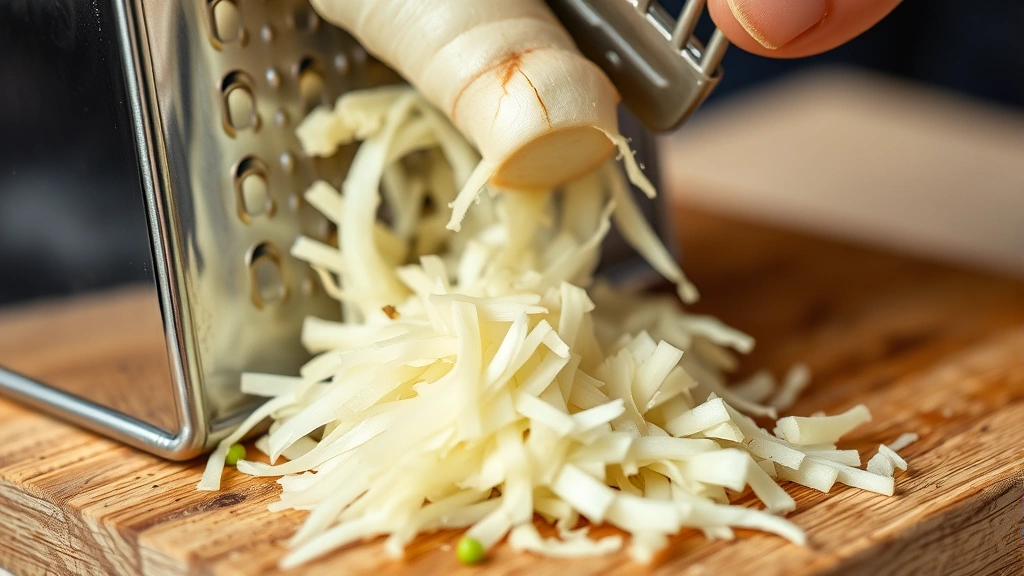
Place your horseradish chunks into a food processor fitted with the metal blade. Pulse until finely grated—you want small, uniform pieces, not a smooth paste. This usually takes 8-12 pulses. Work quickly and don’t overprocess, as you want to maintain some texture. If you don’t have a food processor, use a box grater, but be prepared for more intense vapors.
Step 4: Combine with Sour Cream
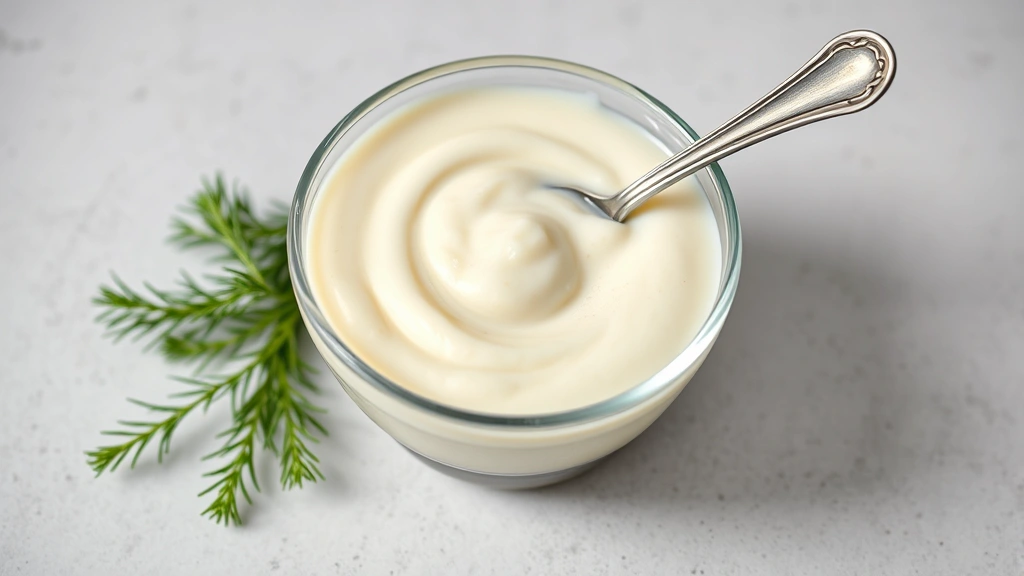
Transfer your grated horseradish to a mixing bowl. Immediately add your sour cream and white vinegar. The vinegar helps stabilize the pungent compounds and slows their dissipation. Stir thoroughly to combine. The mixture will seem loose at first, but it will firm up as it sits.
Step 5: Season to Perfection
Add kosher salt, white pepper, and Dijon mustard if using. Stir well and taste. Remember that horseradish sauce develops flavor over time, so it will taste more pungent after a few hours. Start with less seasoning than you think you need. You can always add more, but you can’t remove it.
Step 6: Rest and Chill
Cover your sauce and refrigerate for at least 1 hour before serving. This resting period allows flavors to meld and helps the sauce reach its full pungency. The heat will actually intensify slightly as the sauce sits, so if you make it ahead, it’ll be even better.
Flavor Variations and Customization
While the classic recipe is perfect, creative home chefs love experimenting with variations. Here are proven additions that work beautifully:
Creamy Dill Version
Add 1-2 tablespoons of fresh dill and a squeeze of lemon juice. This pairs exceptionally well with smoked salmon and roasted fish. The dill’s mild anise notes complement horseradish’s sharpness perfectly.
Beet-Horseradish Sauce
Grate ½ cup of fresh cooked beets and fold into your finished sauce. This traditional Eastern European variation adds earthiness and beautiful color. It’s traditional with roasted vegetables and beef brisket. If you enjoy making condiments, you might also explore how to make homemade jams for other flavor-forward additions.
Spicy Kick Version
Incorporate ¼ teaspoon of cayenne pepper and a pinch of smoked paprika. This creates a more complex heat profile that works wonderfully with grilled meats.
Herb-Infused Variation
Mix in 1 tablespoon each of fresh chives and parsley, plus ½ teaspoon of fresh tarragon. This brightens the sauce and adds garden-fresh appeal. For sourcing fresh herbs year-round, check out our guide on how to preserve herbs.
Mustard-Enhanced Version
Increase Dijon mustard to 2 tablespoons and add ½ teaspoon of whole grain mustard. This creates a more complex, slightly sweet undertone that complements beef beautifully.
Storage and Shelf Life
Proper storage ensures your horseradish sauce maintains quality and safety. Keep your finished sauce in an airtight glass container in the refrigerator. A mason jar works perfectly. Properly stored horseradish sauce lasts 2-3 weeks, though the intensity will gradually diminish over time.
The vinegar in the recipe acts as a natural preservative, but you should never leave horseradish sauce at room temperature for extended periods. Always return it to the refrigerator immediately after use. If you notice any discoloration, mold, or off-smells, discard the batch immediately.
For longer storage, you can freeze horseradish sauce in ice cube trays. Once frozen solid, pop the cubes into freezer bags and store for up to 3 months. This is particularly useful if you make large batches. Thaw in the refrigerator before serving. Note that freezing slightly diminishes the pungent heat, but the sauce remains flavorful and useful.
If you’re concerned about waste and want to maximize your ingredients, read our tips on food waste reduction, which includes strategies for using every bit of your fresh produce.
Serving Suggestions and Pairings
Horseradish sauce’s versatility makes it a kitchen staple. Here are the best ways to use it:
Classic Beef Pairings
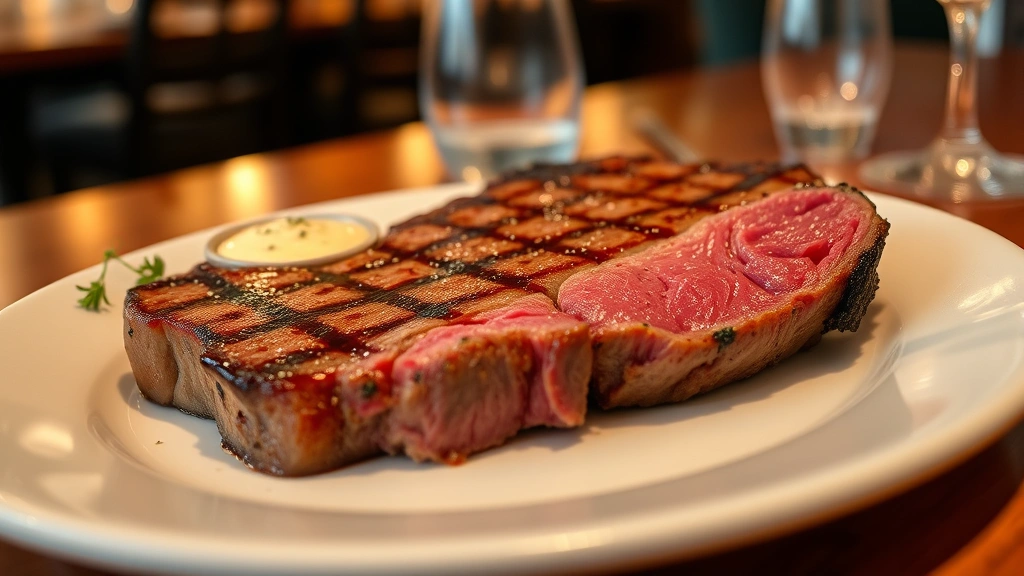
Serve alongside prime rib, roast beef, beef tenderloin, or grilled steaks. A small dollop on the side allows guests to control the intensity. The sauce’s sharpness cuts through rich beef fat beautifully, providing palate cleansing between bites.
Seafood Applications
Horseradish sauce is traditional with smoked salmon, grilled fish, and oysters. The pungent heat balances seafood’s delicate flavors without overwhelming them. Mix a spoonful into cream cheese for an elevated bagel spread.
Sandwich Enhancement
Spread horseradish sauce on roast beef sandwiches, pastrami sandwiches, or even turkey sandwiches. It provides bold flavor that transforms ordinary sandwiches into memorable meals.
Vegetable and Potato Dishes
Toss roasted root vegetables or mashed potatoes with a spoonful of horseradish sauce. The heat adds excitement to otherwise mild vegetables. It’s particularly good with roasted cauliflower and Brussels sprouts.
Appetizer Ideas
Mix horseradish sauce into deviled egg filling for sophisticated flavor. Serve alongside crudités with a creamy horseradish dip. Top crostini with smoked salmon and a small dollop of sauce for elegant hors d’oeuvres.
Condiment Boards
Include horseradish sauce on charcuterie boards and appetizer spreads alongside mustards, pickles, and chutneys. It provides bold flavor contrast that makes your board more interesting.
FAQ
How hot is homemade horseradish sauce compared to store-bought versions?
Homemade horseradish sauce is significantly more pungent and hot than store-bought alternatives. Fresh horseradish root contains volatile isothiocyanate compounds that dissipate over time. Commercial versions lose much of this potency during processing and storage. Your homemade sauce will have a more intense, nasal-clearing heat that some people find surprising if they’ve only experienced jarred versions. You can always adjust the intensity by using less horseradish or adding more sour cream.
Can I use prepared horseradish instead of fresh root?
Prepared horseradish (the white stuff in jars) can work in a pinch, but it’s already been processed and lost much of its pungency. If using prepared horseradish, drain it well and use about ¾ cup mixed with 1 cup sour cream. The flavor won’t be as vibrant as fresh root, but it’s better than nothing. For best results, always seek out fresh horseradish root at farmers markets or specialty grocers.
Why are my eyes watering so much when I prepare horseradish?
The volatile isothiocyanate compounds released when you grate horseradish irritate your eyes and nasal passages similarly to onion fumes, but more intensely. Proper ventilation is essential. Open windows, turn on exhaust fans, and wear glasses if you’re sensitive. Some cooks wear ski goggles for maximum protection. Working quickly and keeping the root pieces small minimizes vapor release. Processing in a food processor rather than grating by hand also reduces your exposure time.
What’s the difference between horseradish sauce and prepared horseradish?
Prepared horseradish is just grated horseradish root preserved in vinegar—no dairy. Horseradish sauce, as in this recipe, combines grated horseradish with sour cream or mayonnaise for a creamier condiment. Prepared horseradish is more intensely pungent and shelf-stable, while horseradish sauce is milder, creamier, and more versatile for various dishes. Use prepared horseradish when you want pure heat; use sauce for a more balanced, creamy accompaniment.
Can I make horseradish sauce without sour cream?
Absolutely. Greek yogurt creates a lighter version with similar tanginess. Mayonnaise mixed with a bit of vinegar works well too, creating a richer sauce. Some cooks use whipped cream for a more luxurious texture, though it’s less stable. Crème fraîche is another excellent option that provides similar tang and creaminess. Adjust vinegar amounts based on your chosen dairy product’s natural acidity.
How do I know if my horseradish root is fresh and good quality?
Select firm, heavy horseradish roots without soft spots, wrinkles, or sprouting. The skin should be relatively clean with minimal dirt. Avoid roots that feel light or spongy, as these have likely begun drying out. Fresh horseradish should have a peppery smell when you scratch the skin. Store unwashed roots in your refrigerator’s crisper drawer wrapped in a damp paper towel for up to three weeks. Use within a week of purchase for maximum potency.
Can I make horseradish sauce in advance for entertaining?
Yes, and it’s actually preferable. Make horseradish sauce 1-2 days before your event. The flavor actually improves as it sits, developing deeper complexity. Cover tightly and refrigerate. The pungent heat will be more pronounced after sitting, so account for this when seasoning. Give it a quick stir before serving. Making it ahead also eliminates the strong vapors from your kitchen during entertaining.


