Mahi Mahi Tacos: Chef’s Secret Recipe!
Mahi mahi tacos represent the perfect intersection of restaurant-quality cuisine and home cooking accessibility. This versatile white fish, with its firm texture and mild, slightly sweet flavor, transforms into an extraordinary taco filling when prepared with the right techniques and seasonings. Whether you’re hosting a casual weeknight dinner or impressing guests at a summer gathering, this chef’s secret recipe delivers authentic flavors that rival your favorite coastal restaurants.
The magic behind exceptional mahi mahi tacos lies in understanding the fish itself and mastering the cooking method. Mahi mahi’s dense flesh holds up beautifully to various cooking techniques—from pan-searing to grilling—without falling apart like delicate white fish varieties. Combined with vibrant toppings, fresh homemade salad dressings, and perfectly warmed tortillas, you’ll create tacos that taste like they came straight from a beachfront cantina.
This comprehensive guide reveals professional chef techniques, ingredient selection secrets, and step-by-step instructions that elevate your mahi mahi taco game. You’ll learn exactly how to season, cook, and assemble these magnificent tacos while understanding the culinary principles that make them exceptional.
Selecting Quality Mahi Mahi
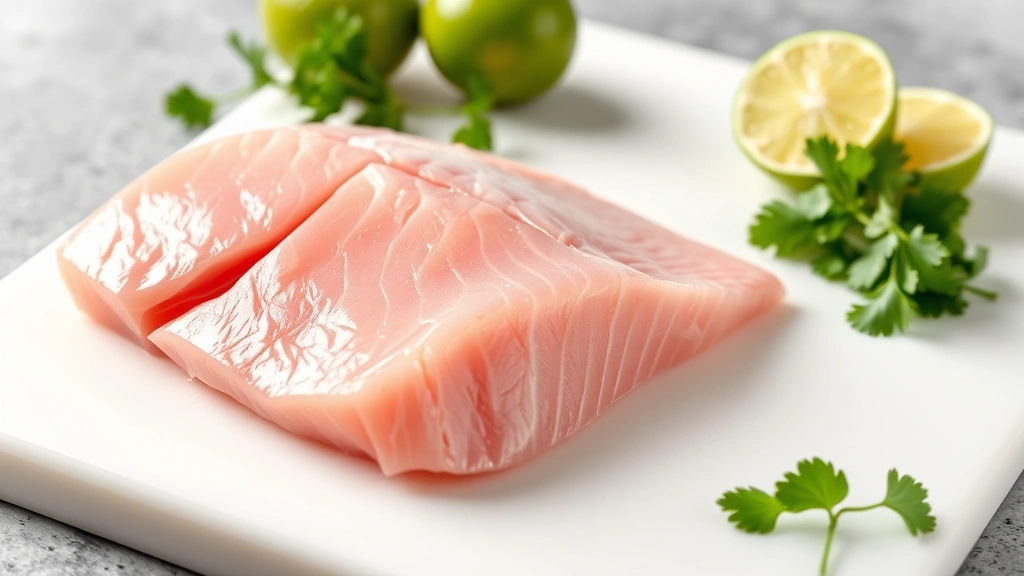
The foundation of outstanding mahi mahi tacos begins at the fish counter. Professional chefs emphasize that quality fish determines the final dish’s success. When shopping for mahi mahi, look for fillets with firm, translucent flesh that springs back when gently pressed. Avoid any fish with a strong ammonia smell—fresh mahi mahi should smell like the ocean, not unpleasant.
Ask your fishmonger when the fish arrived. Ideally, purchase mahi mahi on the day you plan to cook it, or at maximum the following day. Frozen mahi mahi works acceptably if properly thawed in the refrigerator overnight, though fresh fish delivers superior texture and flavor. The color should be pale pink to beige with no brown or gray spots. Thicker fillets, around 1 to 1.5 inches, work best for tacos as they remain moist during cooking.
Consider purchasing from reputable sources that specialize in sustainable seafood. Mahi mahi, also called dorado or dolphin fish, is generally considered a sustainable choice when sourced responsibly. Building relationships with your local fishmonger ensures consistent quality and often results in better pricing and personalized recommendations.
Essential Ingredients & Seasonings
Creating authentic mahi mahi tacos requires balancing fresh, bold flavors. Beyond the fish itself, gather these essential components: corn or flour tortillas, fresh lime juice, cilantro, red onion, avocado, and quality olive oil. The seasoning profile combines warm spices with bright citrus notes—think cumin, chili powder, garlic, and paprika.
For the fish seasoning blend, combine:
- 2 teaspoons ground cumin for earthy warmth
- 1 teaspoon chili powder for subtle heat
- 1 teaspoon smoked paprika for depth and color
- ½ teaspoon garlic powder for aromatic complexity
- ½ teaspoon onion powder for background sweetness
- ¼ teaspoon cayenne pepper for additional heat (optional)
- Sea salt and freshly cracked black pepper to taste
Additional components that elevate your tacos include crispy cabbage slaw, pickled red onions, fresh cilantro, crumbled cotija cheese, and creamy avocado or guacamole. Many chefs recommend creating homemade sauces rather than relying on store-bought condiments. A chipotle-lime crema or cilantro-lime aioli transforms basic components into restaurant-caliber tacos.
Prep Work & Fish Preparation
Professional chefs understand that preparation determines execution quality. Begin by patting your mahi mahi fillets completely dry with paper towels. Moisture on the fish surface prevents proper browning and creates steam rather than a golden crust. This seemingly simple step dramatically improves your final result.
Examine the fillets for any remaining pin bones—small bones running through the fish. Using fish tweezers or needle-nose pliers, remove these bones by gently pulling at a slight angle. Run your fingers along the flesh to locate any missed bones. This attention to detail prevents unpleasant surprises when eating your tacos.
If your fillets vary significantly in thickness, use the palm-down hand technique to gently press thicker sections, creating even thickness throughout. Alternatively, place the fillet between plastic wrap and use a meat mallet to carefully even out thick spots. This ensures uniform cooking—no undercooked thick sections or overcooked thin edges.
Next, season both sides of the fillets generously with your spice blend. Apply seasoning just before cooking rather than in advance, as salt draws moisture from the fish. Allow seasoned fillets to rest at room temperature for 5-10 minutes, bringing them closer to room temperature for more even cooking.
Cooking Techniques Explained
The cooking method significantly impacts your mahi mahi tacos. Two primary techniques deliver excellent results: pan-searing and grilling. Each method produces distinct flavors and textures.
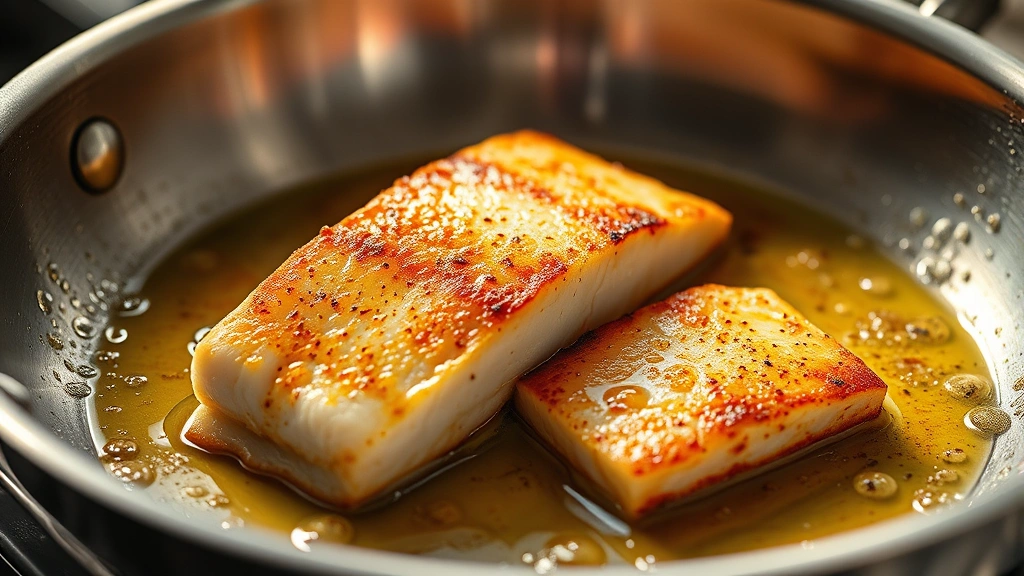
Pan-Searing Method: Heat 2 tablespoons of olive oil in a large skillet over medium-high heat until shimmering but not smoking. This temperature, approximately 350-375°F, creates the ideal browning conditions. Carefully place seasoned fillets in the hot oil, skin-side up if your fillets have skin. Resist the urge to move the fish—let it develop a golden crust for 3-4 minutes without disturbance. This patience creates the coveted crispy exterior.
Flip the fillets gently using a thin spatula, ensuring the crust stays intact. Cook the second side for 2-3 minutes until the internal temperature reaches 145°F when measured with an instant-read thermometer at the thickest point. The flesh should flake easily when tested with a fork. Overcooked mahi mahi becomes dry and loses its delicate texture, so monitor cooking carefully.
Grilling Method: Preheat your grill to medium-high heat, approximately 400-450°F. Oil the grill grates thoroughly to prevent sticking. Place fillets directly on the grates, skin-side down, and avoid moving them for 4-5 minutes. The grill marks develop during this undisturbed cooking period. Flip carefully and grill the second side for 3-4 minutes until cooked through.
Grilling imparts smoky flavor and beautiful presentation, making it ideal for entertaining. The slightly charred exterior contrasts beautifully with the tender, flaky interior. Many chefs prefer grilling for mahi mahi tacos specifically because the cooking method complements the fish’s natural sweetness.
Baking Method: For batch cooking or less hands-on preparation, bake mahi mahi at 400°F for 12-15 minutes. Line a baking sheet with parchment paper, arrange seasoned fillets, and drizzle lightly with olive oil. This gentle method prevents overcooking and works well when preparing multiple fillets for a crowd.
Creating the Perfect Sauce
Exceptional sauces elevate mahi mahi tacos from good to extraordinary. Understanding how to create homemade sauces gives you complete control over flavor profiles and ingredient quality.
Chipotle-Lime Crema: Combine ½ cup sour cream or Greek yogurt, 2 chipotle peppers in adobo sauce (chopped), juice of 2 limes, 1 minced garlic clove, and salt to taste. Blend until smooth. This sauce adds creamy heat and bright acidity that complements the mild fish beautifully. The chipotle peppers provide subtle smokiness without overwhelming heat.
Cilantro-Lime Aioli: Whisk together ½ cup mayonnaise, ¼ cup fresh cilantro (finely chopped), juice and zest of 2 limes, 2 minced garlic cloves, and salt and pepper. This vibrant sauce brightens each bite with fresh herbaceous notes. The garlic adds depth while lime juice provides essential acidity.
Avocado-Lime Crema: Blend 1 ripe avocado, ½ cup sour cream, juice of 1 lime, 1 minced garlic clove, and ¼ cup fresh cilantro until smooth and creamy. This luxurious sauce adds richness and pairs exceptionally well with crispy mahi mahi. Prepare this sauce just before serving to prevent browning.
Prepare sauces in advance when possible—most keep refrigerated for 2-3 days, allowing flavors to meld and deepen. Bring sauces to room temperature before serving for optimal flavor delivery.
Assembly & Serving
Proper assembly transforms individual components into cohesive, delicious tacos. Begin by warming your tortillas. For corn tortillas, char them directly over a gas flame for 15-20 seconds per side, creating pliable, slightly charred tortillas with improved flavor. Alternatively, wrap tortillas in damp paper towels and microwave for 30 seconds. For flour tortillas, warm them in a dry skillet over medium heat for about 10 seconds per side.
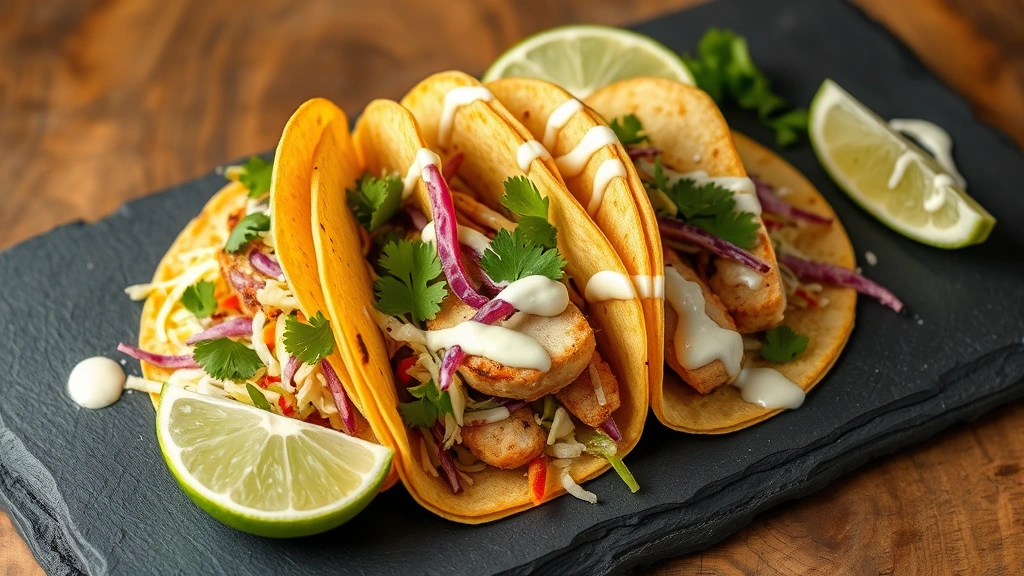
Create an assembly station with all components organized and ready. Layer your tacos strategically: place the warm tortilla as your base, add a generous portion of cooked mahi mahi, then layer fresh cabbage slaw for crunch, pickled red onions for acidity and color, fresh cilantro for brightness, and avocado slices for creaminess. Finish with a drizzle of your chosen sauce and a squeeze of fresh lime juice.
The order matters because it prevents soggy tacos. Place heartier components first, followed by delicate elements. The sauce application should be final to prevent the tortilla from absorbing too much liquid before eating.
Complementary Sides: Serve your tacos alongside healthy side dishes like cilantro-lime rice, black beans, or a crisp salad. Fresh fruit such as mango or pineapple provides tropical sweetness that balances the fish’s richness.
Pro Tips from Professional Chefs
Temperature Control: Professional chefs emphasize that an instant-read thermometer eliminates guesswork. Mahi mahi reaches perfect doneness at 145°F internal temperature. Remove fish from heat at 143°F to account for carryover cooking—the residual heat continues cooking the fish for a few degrees after removal from the heat source.
Seasoning Layers: Rather than relying solely on the dry spice blend, professional chefs build flavor layers. Season the fish itself, then add fresh herbs and acidic elements like lime juice during assembly. This multi-layered approach creates complexity that single-seasoning methods cannot achieve.
Acid Balance: Fresh lime juice isn’t merely a garnish—it’s essential for flavor balance. The acidity brightens the fish, enhances sauce flavors, and aids digestion. Many chefs recommend having lime wedges available for guests to adjust acidity to personal preference.
Fish Quality Investment: Spending extra on premium fish delivers noticeably superior results. The difference between good and exceptional mahi mahi tacos often comes down to fish quality rather than cooking technique. Build relationships with quality fishmongers who understand your standards.
Make-Ahead Strategy: Prepare components in advance for stress-free entertaining. Cook fish just before serving for optimal texture, but prepare sauces, slaws, pickled onions, and guacamole hours in advance. This approach maintains quality while reducing last-minute pressure.
Tortilla Selection: Both corn and flour tortillas work beautifully—choose based on preference. Corn tortillas offer authentic flavor and better structural integrity for hearty fillings. Flour tortillas provide a softer, more delicate vehicle. Many chefs recommend offering both options when entertaining.
Seasoning Freshness: Spices lose potency over time. Replace ground cumin, chili powder, and paprika every 6-8 months for maximum flavor impact. Fresher spices deliver noticeably brighter, more vibrant flavors in your finished tacos.
FAQ
How long can I store cooked mahi mahi?
Cooked mahi mahi keeps refrigerated in an airtight container for 3-4 days. Reheat gently in a 300°F oven or microwave to prevent drying. Many chefs prefer eating mahi mahi tacos fresh, as reheating can compromise the delicate texture, though the flavor remains excellent.
Can I substitute mahi mahi with other fish?
Yes, several fish work beautifully in tacos. Halibut, sea bass, snapper, or even cod create delicious tacos. However, mahi mahi’s firm texture and mild flavor make it particularly suited to this preparation. Avoid very delicate fish like flounder, which falls apart easily during cooking.
What’s the difference between mahi mahi and dorado?
They’re the same fish—mahi mahi is the Hawaiian name, while dorado is used in Spanish-speaking regions. The name dolphin fish sometimes creates confusion with dolphins (marine mammals), though they’re completely unrelated. Most markets label this fish as mahi mahi in the United States.
How do I prevent mahi mahi from drying out?
Don’t overcook. Use an instant-read thermometer and remove fish at 143°F. Additionally, avoid removing skin before cooking—it insulates the flesh and retains moisture. Pat fish dry before cooking and avoid moving it excessively in the pan.
Can I make mahi mahi tacos ahead for meal prep?
Cook fish fresh when possible, but you can prepare components in advance. Store cooked fish separately from tortillas and wet ingredients to maintain texture. Assemble tacos just before eating for optimal quality, though pre-cooked components simplify weeknight preparation.
What wine pairs well with mahi mahi tacos?
Crisp white wines like Sauvignon Blanc, Pinot Grigio, or Albariño complement mahi mahi beautifully. Their acidity mirrors the lime juice in tacos, while their lightness doesn’t overpower the delicate fish. For non-alcoholic options, sparkling water with fresh lime works wonderfully.


