Miso Salmon Recipe: Chef’s Favorite Method
Miso salmon has become a staple in modern kitchens, combining the umami richness of fermented soybean paste with the delicate, buttery texture of fresh salmon. This miso salmon recipe represents one of the most elegant yet surprisingly simple dishes you can prepare at home. The magic lies not in complicated techniques, but in understanding how miso’s deep, complex flavors interact with the natural oils and subtle sweetness of quality salmon fillets.
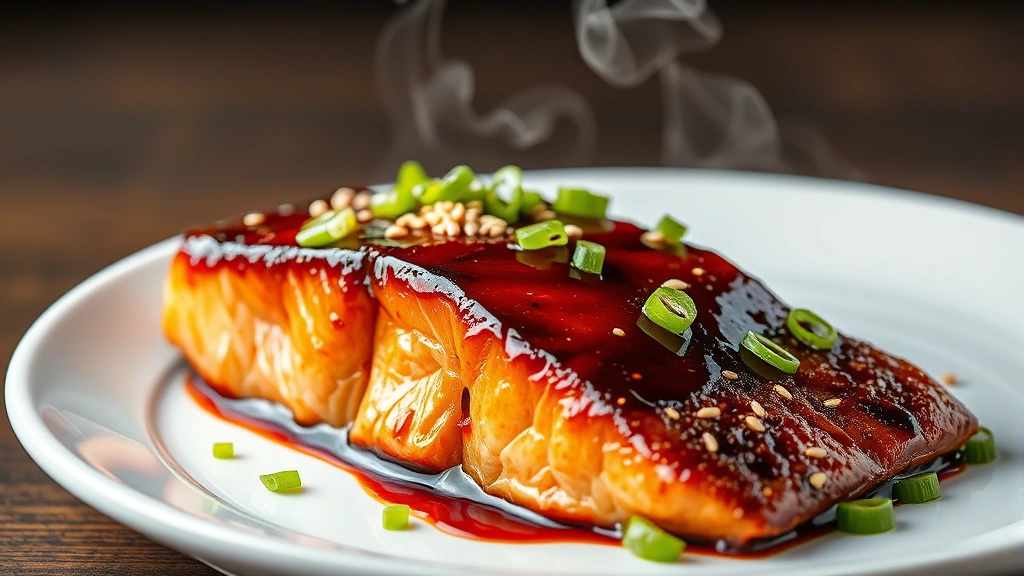
What makes this chef’s favorite method stand out is the balance between the salty-sweet marinade and the cooking approach that preserves the salmon’s moisture and creates a beautifully caramelized exterior. Whether you’re cooking for a weeknight dinner or impressing guests at a dinner party, this technique delivers restaurant-quality results in under 30 minutes. The miso glaze develops a gorgeous mahogany crust while the flesh underneath remains tender and flaky—a textural contrast that elevates the entire dish.
Understanding Miso and Its Culinary Properties
Miso is a fermented paste made from soybeans, salt, and koji (a beneficial mold), creating one of the most complex flavor compounds in Asian cuisine. The fermentation process can take anywhere from a few months to several years, developing layers of umami that enhance virtually any protein. For miso salmon recipes, white or red miso varieties work best—white miso (shiro miso) offers a sweeter, more delicate profile, while red miso (aka miso) provides deeper, earthier notes.
The umami component in miso contains glutamates, the same compounds found naturally in aged cheeses, tomatoes, and mushrooms. When applied to salmon, these glutamates amplify the fish’s natural savory qualities without overpowering its subtle flavor. The salt content in miso also acts as a natural brine, helping the salmon retain moisture during cooking. This is why even a short marinating period—just 15-30 minutes—can significantly improve the final dish’s texture and taste.
Temperature matters when working with miso. Excessive heat can break down the beneficial probiotics and mute some of the complex flavors developed during fermentation. This is why we use moderate oven temperatures and avoid scorching the glaze. The goal is to let the miso caramelize gently, creating depth without bitterness.
Ingredients for the Perfect Miso Salmon
For four generous servings of this miso salmon recipe, gather these essential ingredients:
- 4 salmon fillets (6 ounces each, skin-on preferred)
- 3 tablespoons white or red miso paste
- 2 tablespoons honey or maple syrup
- 1 tablespoon rice vinegar
- 1 tablespoon sesame oil
- 2 cloves garlic, minced
- 1 teaspoon fresh ginger, grated
- 1 tablespoon water (to thin the glaze)
- 1 teaspoon sesame seeds (white or black)
- 2 green onions, sliced
- Kosher salt and white pepper to taste
- 1 tablespoon neutral oil (vegetable or canola)
Quality ingredients make a tremendous difference here. Purchase sushi-grade salmon if possible—it ensures better texture and flavor. The miso paste should be fresh and stored in an airtight container in your refrigerator. If you’re preserving fresh herbs like cilantro or shiso leaves for garnish, do so properly to maintain their vibrant character alongside the miso.
Step-by-Step Cooking Instructions
Preparation Phase: Remove salmon fillets from the refrigerator 15 minutes before cooking. This allows them to come closer to room temperature, ensuring more even cooking throughout. Pat the salmon dry with paper towels—this is crucial for achieving a good sear on the skin side. Any excess moisture will create steam rather than the desirable caramelization.
Season both sides of the salmon lightly with kosher salt and white pepper. Be conservative here, as the miso glaze itself contains considerable salt. A quarter-teaspoon per fillet is typically sufficient.
Creating the Miso Glaze: In a small bowl, whisk together the miso paste, honey, rice vinegar, sesame oil, minced garlic, and grated ginger. Add one tablespoon of water to achieve a spreadable consistency—the mixture should resemble thick peanut butter. Taste and adjust: if too salty, add a touch more honey; if too sweet, incorporate a few drops of additional rice vinegar.
Divide the glaze in half. One portion will marinate the salmon, while the second portion reserves for finishing the cooked fish, ensuring maximum flavor impact.
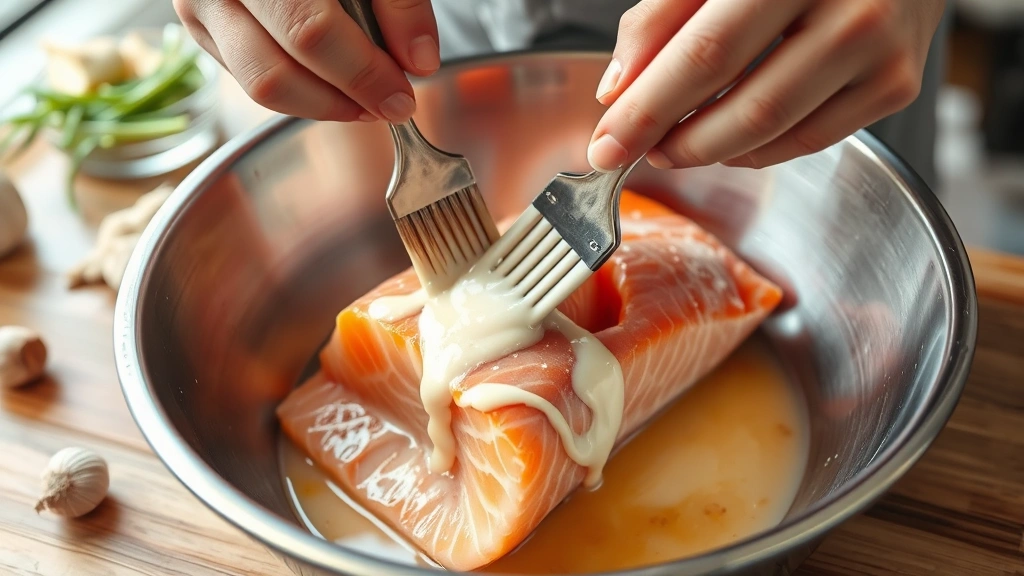
Marinating the Salmon: Arrange salmon fillets skin-side up on a parchment-lined baking sheet. Using a silicone brush or the back of a spoon, apply the first portion of glaze evenly across the top of each fillet. Allow 15-30 minutes for marinating. This brief window is sufficient because miso’s salt content begins breaking down proteins immediately, and prolonged exposure can create an overly firm texture.
Marinating Techniques and Timing
The duration of marinating directly impacts the final dish. A 15-minute marination creates a subtle miso flavor that complements without dominating the salmon’s natural taste. At 30 minutes, the miso flavor becomes more pronounced and the exterior develops better color during cooking. Beyond 30 minutes, you risk the texture becoming too firm and the flavors becoming one-dimensional.
For advance preparation, you can marinate salmon up to 2 hours ahead, but reduce the miso glaze application by half. This prevents over-salting while still allowing flavor development. Store the marinated fillets in the coldest part of your refrigerator on a parchment-lined tray.
Temperature equilibration matters: cold salmon straight from the fridge will cook unevenly if your cooking surface is very hot. Bringing fillets to room temperature ensures the interior reaches the proper doneness (130-135°F for medium-rare, which is ideal for salmon) while the exterior achieves proper color.
Cooking Methods: Oven vs. Stovetop
Oven Method (Recommended for Consistency): Preheat your oven to 400°F. This temperature provides the ideal balance between exterior caramelization and interior moisture retention. Heat a large oven-safe skillet over medium-high heat for 2 minutes. Add one tablespoon of neutral oil, allowing it to shimmer but not smoke.
Place salmon fillets skin-side down into the hot skillet. Listen for an immediate sizzle—this indicates proper heat transfer. Sear for 3-4 minutes without moving the fillets. You’re building a golden crust on the skin side, which adds textural interest and prevents the skin from sticking during plating.
Transfer the skillet to the preheated oven. Bake for 8-10 minutes, depending on fillet thickness. The salmon is done when it flakes easily with a fork and reaches an internal temperature of 130-135°F at the thickest point. In the final 2 minutes of cooking, brush the reserved miso glaze onto the top of each fillet for additional color and flavor depth.
Stovetop Method: For a completely stovetop approach, sear the salmon skin-side down for 4 minutes, then flip and cook for 4-5 minutes on the flesh side. Apply the reserved glaze during the final minute of cooking, allowing it to caramelize slightly. This method requires closer attention but works well for thinner fillets (under 1 inch).
Why These Temperatures Work: The Maillard reaction—the chemical process creating the browned, flavorful crust—occurs most efficiently between 300-400°F. At 400°F, the exterior browns beautifully while the oven’s gentler, indirect heat cooks the interior slowly and evenly. This prevents the common problem of overcooked salmon with a dry, chalky texture.
Plating and Serving Suggestions
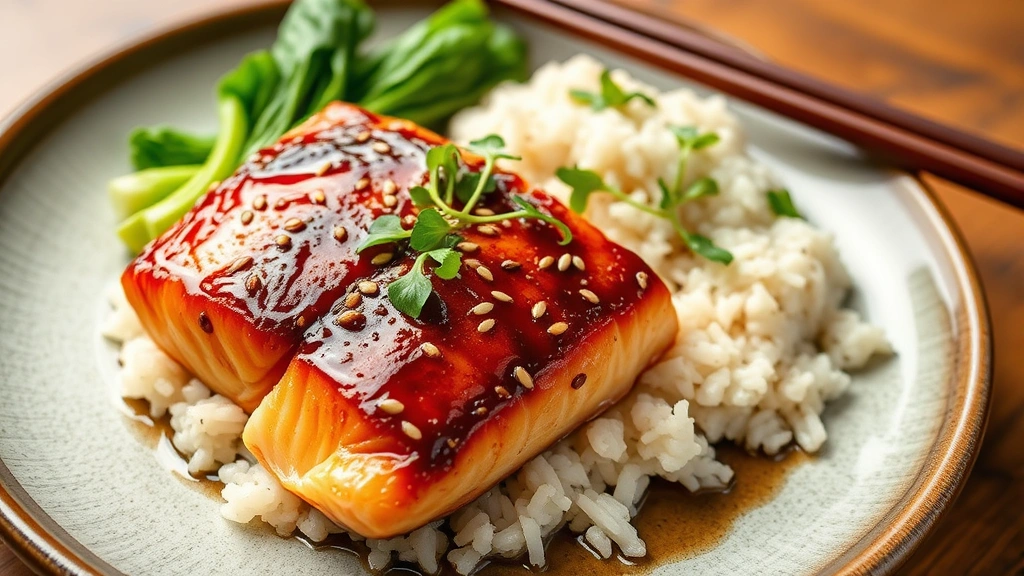
Presentation elevates the dining experience. Place each salmon fillet on a warmed plate, skin-side up to showcase the crispy exterior. The mahogany glaze should have a slight shine, indicating proper caramelization. Garnish with toasted sesame seeds, sliced green onions, and a light drizzle of sesame oil around the plate’s perimeter.
Complement this miso salmon recipe with sides that balance the umami richness. Steamed bok choy or sautéed gai lan (Chinese broccoli) provide pleasant bitterness that cuts through the miso’s saltiness. Jasmine or sushi rice absorbs the glaze that inevitably pools on the plate, extending the dish’s flavors throughout the meal. A simple cucumber salad dressed with rice vinegar and a pinch of salt offers refreshing acidity.
For beverage pairing, consider a crisp Sauvignon Blanc or a light-bodied Pinot Noir. The wine’s acidity complements the miso’s umami without competing for attention. If serving herbal teas, a chilled ginger or yuzu tea provides an interesting non-alcoholic option that echoes the recipe’s Asian flavor profile.
Leftover Management: Miso salmon actually improves slightly as it cools, with the flavors melding further. Store leftovers in an airtight container for up to three days. Reheat gently in a 275°F oven for 8-10 minutes, adding a splash of water to prevent drying. Use leftover salmon in grain bowls, atop salads, or flaked into rice for quick lunches. This aligns with food waste reduction tips while maximizing your cooking effort.
For those interested in expanding their miso applications beyond salmon, explore making lemon balm recipes with miso-infused dressings, or creating homemade jams with miso undertones for unexpected flavor combinations.
FAQ
Can I use frozen salmon for this recipe?
Yes, but thaw it properly first. Place frozen salmon in the refrigerator overnight, allowing it to thaw slowly and evenly. Thawing at room temperature or using warm water creates uneven texture and potential food safety issues. Once thawed, pat completely dry before applying the miso glaze.
What’s the difference between white and red miso?
White miso (shiro) ferments for shorter periods and contains more koji, resulting in a sweeter, nuttier profile with less salt. Red miso (aka) ferments longer and has a deeper, more complex umami character. For beginners, white miso is more forgiving; for those seeking bolder flavors, red miso delivers more intensity. You can blend them equally for a balanced middle ground.
How do I know when salmon is perfectly cooked?
The most reliable method is using an instant-read thermometer inserted at the thickest point, targeting 130-135°F for medium-rare. Visually, the flesh should appear opaque and flake easily with a fork, but still show slight translucence at the very center. Overcooked salmon becomes dry and loses its delicate texture.
Can I prepare this miso salmon recipe in advance?
Yes. Prepare the glaze up to three days ahead, storing it in an airtight container in the refrigerator. Marinate the salmon up to 2 hours before cooking. You can also sear the salmon several hours ahead and reheat gently before serving, though cooking just before plating yields superior results.
What if I don’t have rice vinegar?
Substitute with apple cider vinegar, white wine vinegar, or fresh lemon juice at a 1:1 ratio. Rice vinegar provides mild acidity that doesn’t overpower; other options are more assertive, so reduce the quantity slightly if they’re quite strong.
Is this recipe suitable for meal prep?
Miso salmon works well for meal prep. Cook a batch and store in airtight containers for up to three days. Portion into individual containers with complementary sides like steamed vegetables and rice. The miso glaze actually helps preserve the salmon’s moisture during storage, making it superior to plain cooked salmon for meal-prepping purposes.
Can I make this recipe dairy-free and gluten-free?
This recipe is naturally dairy-free. For gluten-free preparation, verify your miso paste is certified gluten-free, as some brands add barley or wheat. All other ingredients are inherently gluten-free. Always check labels on rice vinegar and sesame oil to confirm they contain no hidden gluten-containing additives.


