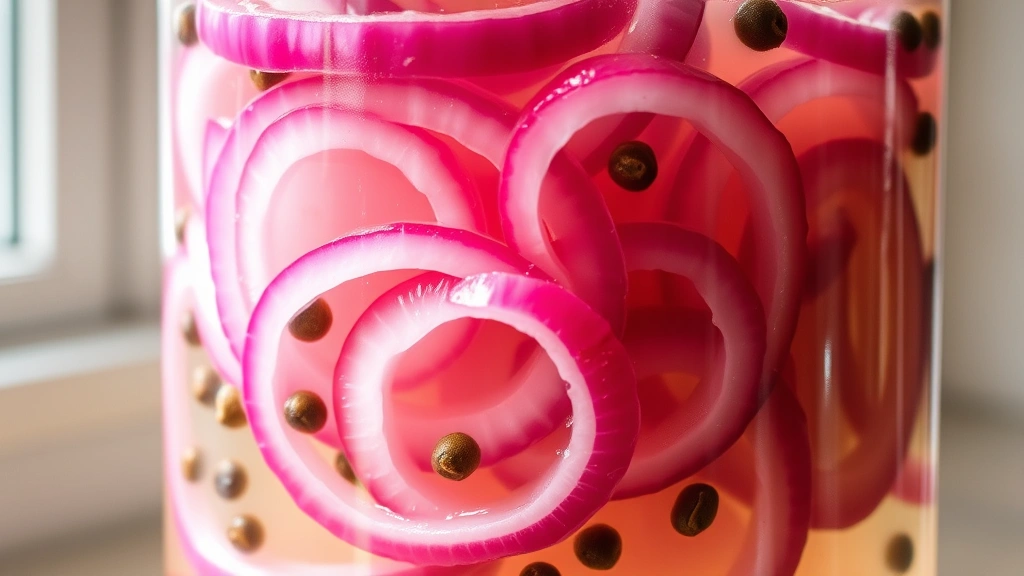
Quick Pickled Onions? Grandma’s Secret Recipe
There’s something magical about opening a jar of homemade pickled onions and finding that perfect balance of tangy, sweet, and savory flavors. My grandmother kept a batch in her refrigerator year-round, and I spent years trying to crack her code. What I discovered is that making quick pickled onions isn’t just simple—it’s transformative. These vibrant, crisp onions elevate everything from tacos to charcuterie boards, and they’re ready to eat in just a few hours, not weeks.
The beauty of this recipe lies in its simplicity and versatility. Unlike traditional fermented pickles that require patience and precise conditions, quick pickled onions use a hot vinegar brine that instantly softens the onion’s sharp bite while infusing it with complex flavors. Grandma’s secret wasn’t expensive ingredients or fancy techniques—it was understanding the right proportions and knowing when to trust your palate. Today, I’m sharing exactly what made her version special, plus the techniques that will make you a pickled onion master in your own kitchen.
Why Pickled Onions Matter in Cooking
Pickled onions are far more than a condiment—they’re a culinary game-changer. When you understand how acid transforms raw vegetables, you unlock a technique that applies to countless recipes. The pickling process breaks down the cell walls of onions, making them tender while the vinegar’s acidity cuts through richness in dishes. This is why pickled onions pair so beautifully with fatty foods like pulled pork, rich cheese, or creamy tacos.
The versatility of pickled onions extends to your entire cooking repertoire. They work as a garnish on grilled steak, a topping for quick pasta dishes, or even a key component in homemade salad dressings. Unlike raw onions, which can overpower a dish, pickled onions add complexity without aggression. The fermentation process mellows the sulfurous compounds that make raw onions so pungent, replacing that bite with a sophisticated tang.
My grandmother understood that having a jar of pickled onions in the refrigerator meant she could elevate any meal with minimal effort. A simple sandwich becomes memorable. A basic grain bowl transforms into something restaurant-worthy. This is the real secret to her cooking style—she worked smarter, not harder, by preparing components that multiplied her options.
Ingredients You’ll Need
The ingredient list for quick pickled onions is refreshingly short, which is part of what makes this recipe so elegant. Here’s exactly what you need:
- 2 pounds red onions (about 4-5 medium onions)—red onions hold their color and have a slightly sweeter profile than yellow varieties
- 1 cup white vinegar or apple cider vinegar—the acidity level is crucial for both flavor and preservation
- 1 cup water—filtered water works best as it won’t introduce mineral tastes
- 3 tablespoons sugar—this balances the vinegar’s acidity and enhances the natural sweetness of the onions
- 2 tablespoons kosher salt—don’t use table salt, as the anti-caking agents create cloudiness
- 1 tablespoon black peppercorns—adds subtle spice without overpowering
- 3-4 whole cloves—optional but traditional; they add warmth and complexity
- 1 teaspoon mustard seeds—optional; contributes a gentle bite and texture
The beauty of this recipe is that these proportions are based on proven ratios. The 1:1 ratio of vinegar to water creates the ideal pH for both preservation and flavor. The sugar-to-salt ratio ensures that neither dominates the palate. These aren’t arbitrary numbers—they’re the result of generations of home cooks refining their craft.
Step-by-Step Instructions
Preparation Phase:
- Peel your red onions and slice them into rings approximately ¼-inch thick. Consistency matters here—thinner rings will pickle faster, while thicker rings maintain more crunch. Grandma preferred rings just thick enough that they wouldn’t fall apart when you picked them up with a fork.
- Place the sliced onions in a colander and rinse them under cool water. This removes excess sulfurous compounds and prevents the pickling liquid from becoming too cloudy.
- Pat the onions dry with paper towels. Any excess moisture will dilute your brine, affecting both flavor and preservation.
Brine Creation:
- Combine water, vinegar, sugar, and salt in a medium saucepan. Bring the mixture to a rolling boil over medium-high heat, stirring occasionally until the sugar and salt completely dissolve.
- Once the brine reaches a boil, add your peppercorns, cloves, and mustard seeds. Let them bloom in the heat for about 30 seconds—this releases their essential oils and distributes their flavor throughout the liquid.
- Remove the brine from heat and let it cool for 2-3 minutes. You want it hot enough to soften the onions but not so hot that it damages the delicate cell structure.
Pickling Process:
- Place your prepared onion rings in a clean glass jar or container. Distribute them evenly, leaving about 1 inch of headspace at the top.
- Carefully pour the hot brine over the onions, ensuring they’re completely submerged. If they float above the liquid, they’ll oxidize and turn brown.
- Allow the jar to cool to room temperature, then cover and refrigerate. The onions will be ready to eat in 2-3 hours, but they develop deeper flavor after 24 hours.
Pro Tip from Grandma: She always reserved a few whole onion rings to place on top of the brine before sealing the jar. This creates an attractive presentation and ensures you can see the pickle’s progress as it sits in the refrigerator.
Grandma’s Pro Tips for Perfect Results
After years of watching my grandmother make these pickled onions, I’ve collected the small techniques that separate good pickled onions from exceptional ones. These aren’t complicated, but they do matter.
Choose the Right Onions: Red onions are ideal because they’re sweeter than yellow onions and maintain their vibrant color throughout the pickling process. However, white onions work beautifully too, especially if you prefer a milder flavor. Yellow onions tend to become muddier in color and have a sharper edge that some find less pleasant.
Slice with Intention: Use a sharp knife or mandoline to ensure clean cuts. Crushing or tearing the onion cells releases their juices prematurely, leading to a cloudy brine and less crisp texture. Grandma always said you should hear the knife whisper through the onion, not crack.
Temperature Control: The brine temperature when you pour it over the onions matters significantly. If it’s too hot, the onions become mushy. If it’s not hot enough, they won’t soften properly. That 2-3 minute cooling window is your sweet spot—the brine should be hot enough to slightly steam when you open the jar, but cool enough that you can hold your hand near it without discomfort.
Don’t Rush the Flavor Development: While your onions are technically ready after 2-3 hours, they truly shine after sitting for 24 hours. The acid continues to penetrate the onion layers, and the spices have more time to infuse their flavors throughout the brine.
Taste and Adjust: After 24 hours, taste a pickled onion. If you prefer more acidity, add another tablespoon of vinegar. If you want more sweetness, dissolve a tablespoon of sugar in a small amount of vinegar and stir it in. This is where you make the recipe your own.
Storage and Shelf Life
Proper storage ensures your pickled onions maintain their quality and remain safe to eat. Store them in a clean glass jar in the refrigerator, covered tightly. They’ll keep for up to two weeks, though their quality peaks around the one-week mark. After two weeks, the onions begin to soften excessively and may develop an overly funky flavor.
If you want to extend their life, you can process them in a water bath canner for shelf-stable storage, though this requires following proper canning guidelines from a trusted source like the National Center for Home Food Preservation. For most home cooks, refrigerator storage is simpler and perfectly adequate.
The brine itself is valuable—don’t discard it after finishing the onions. Use it as a base for vinaigrettes, add it to cocktails, or pour it over fresh vegetables for quick pickles. This is waste-free cooking at its finest.
Flavor Variations to Experiment With
While Grandma’s classic recipe is perfect as-is, the beauty of quick pickled onions is their adaptability. Once you understand the foundational technique, you can create endless variations:
Spicy Version: Add 1-2 sliced Thai chilies or ½ teaspoon red pepper flakes to the brine. This creates pickled onions that sing alongside tacos, nachos, or any dish needing heat.
Herbal Infusion: Include fresh rosemary sprigs, thyme, or dill in your brine. Fresh herbs add aromatic complexity that pairs beautifully with grilled meats and roasted vegetables.
Sweet and Tangy: Increase sugar to 4-5 tablespoons and add ½ cup of pineapple juice to the brine. This creates a tropical version perfect for Asian-inspired dishes or easy dinner recipes that need brightness.
Smoky Variation: Add ½ teaspoon smoked paprika and a pinch of liquid smoke to the brine. Serve these over low-carb dinner recipes like grilled chicken or fish.
Garlic Forward: Include 4-5 smashed garlic cloves in the brine. Remove them after 24 hours to prevent overpowering the dish, or leave them in if you love bold garlic flavor.
Best Uses for Your Pickled Onions
Now that you have a jar of beautiful pickled onions, let’s talk about how to use them strategically in your cooking:
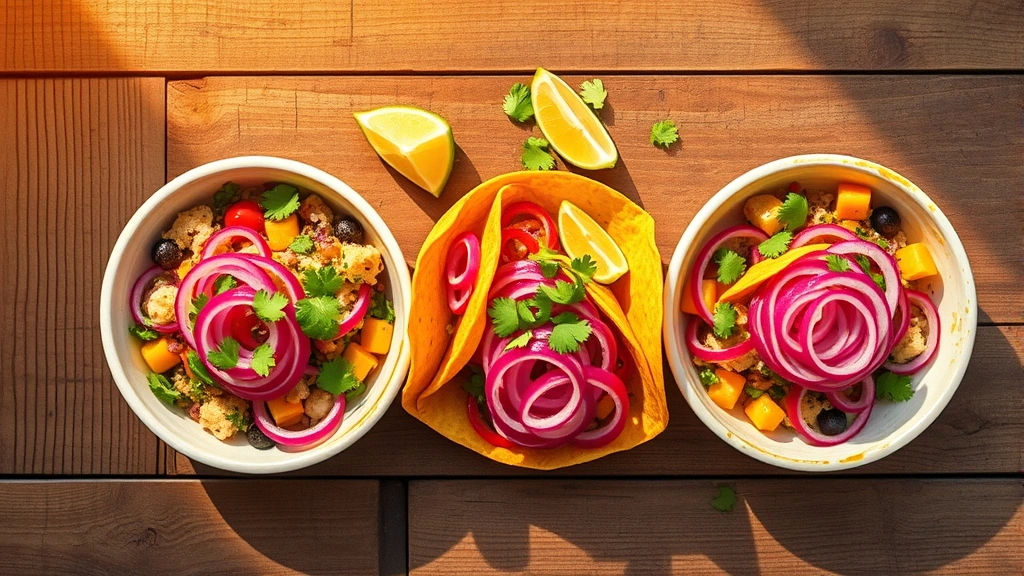
Tacos and Tostadas: Pickled onions are essential to authentic Mexican cuisine. Their acidity cuts through rich meats and creamy toppings, creating balance on every bite.
Charcuterie Boards: Arrange pickled onions alongside cured meats and cheeses. Their bright flavor cleanses the palate between bites and adds visual interest.
Sandwiches and Burgers: Layer pickled onions on top of burgers, pulled pork sandwiches, or even simple deli sandwiches for an instant upgrade.
Grain Bowls: Top any grain bowl with a handful of pickled onions to add acidity and complexity. They work particularly well with roasted vegetables and creamy dressings.
Ceviche and Raw Fish Dishes: Use pickled onions as a component in ceviche or alongside sashimi for a fusion twist.
Cocktails: Pickled onion rings make an elegant garnish for martinis, Gibsons, or other cocktails. The brine can also be used in savory cocktail recipes.
Salads: Toss pickled onions into any salad, from simple greens to hearty composed salads. Their acidity means you may need less dressing.
FAQ
Can I use white vinegar instead of apple cider vinegar?
Absolutely. White vinegar creates a cleaner, brighter pickle, while apple cider vinegar adds subtle apple notes and warmth. Both work beautifully—it’s a matter of preference. Grandma alternated between them depending on what she was serving the pickled onions with.
How thin should I slice the onions?
Aim for approximately ¼-inch thickness. This is thick enough to maintain structural integrity but thin enough to allow the brine to penetrate evenly. A mandoline set to this thickness works perfectly.
Can I make these without sugar?
You can reduce the sugar to 1-2 tablespoons if you prefer less sweetness, but eliminating it entirely creates an aggressively acidic pickle that many find unbalanced. The sugar isn’t about sweetness—it’s about creating harmony between the acid and the onion’s natural flavors.
Why did my pickled onions turn brown?
This typically happens when onion rings float above the brine and oxidize. Ensure all onions are submerged. Alternatively, brown discoloration can indicate bacterial growth if the jar wasn’t clean or the onions weren’t properly stored. When in doubt, discard and start fresh.
Can I can these for long-term storage?
Yes, but you’ll need to follow proper canning procedures to ensure safety. Water bath canning works for quick pickles, but you must follow USDA guidelines precisely. Most home cooks find refrigerator storage simpler and adequate.
What’s the difference between quick pickles and fermented pickles?
Quick pickles use heat and acid to instantly transform vegetables, ready to eat within hours. Fermented pickles rely on salt and time for beneficial bacteria to create preservation and flavor. Quick pickles are faster; fermented pickles develop more complex, probiotic-rich flavor over weeks.
Can I reuse the brine for a second batch?
You can, but the flavor will be slightly less intense since some acid will have been absorbed by the first batch of onions. I recommend making fresh brine for each batch to ensure consistent results, though reusing brine works in a pinch.
Are pickled onions healthy?
Pickled onions are low in calories and provide the benefits of onions, including quercetin and other antioxidants. The fermentation process (or in this case, the pickling process) makes certain nutrients more bioavailable. However, they’re high in sodium, so consume them mindfully if you’re watching salt intake.


