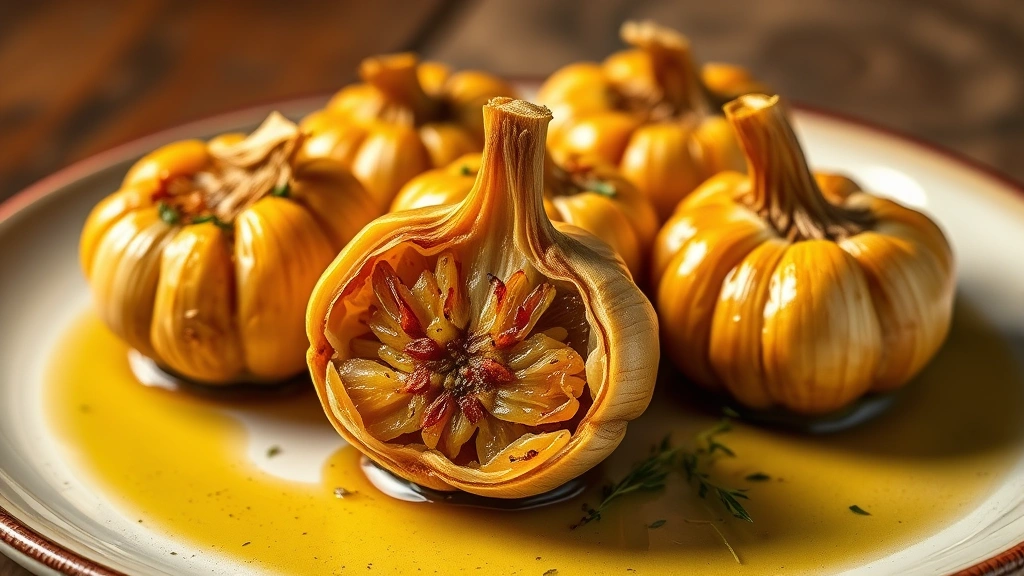
Roasted Garlic: Gourmet Chef’s Secret Technique
Roasted garlic is one of the most transformative ingredients in professional kitchens, yet it remains a mystery to home cooks. What begins as pungent raw cloves becomes a creamy, sweet, and deeply savory paste that elevates everything from seafood to pasta. The secret that separates gourmet chefs from ordinary cooks isn’t expensive equipment or exotic ingredients—it’s understanding the science behind roasting and mastering the technique that brings out garlic’s hidden potential.
This comprehensive guide reveals the professional methods used in Michelin-starred restaurants, teaching you how to roast garlic perfectly every time. Whether you’re preparing garlic for best seafood recipes, creating luxurious spreads, or infusing oils, these techniques will transform your cooking. The process takes minimal effort but delivers maximum flavor—exactly what gourmet cooking is all about.
Understanding Garlic Chemistry and Transformation
Raw garlic contains compounds called thiosulfates and sulfoxides that create its sharp, pungent bite. When heated slowly through roasting, these volatile compounds undergo the Maillard reaction—a chemical process that creates hundreds of new flavor compounds. The sulfur compounds transform into sweet, caramelized notes while the cell walls break down, releasing natural sugars that become concentrated and intensified.
Professional chefs understand that roasting garlic isn’t simply cooking it—it’s a controlled transformation. The key is maintaining steady, moderate heat that allows enzymatic reactions to occur without burning the exterior. Unlike pan-frying, which can scorch garlic in seconds, roasting in an oven creates an even, gentle heat that penetrates the entire bulb uniformly. This is why restaurant kitchens prioritize oven-roasting over other methods.
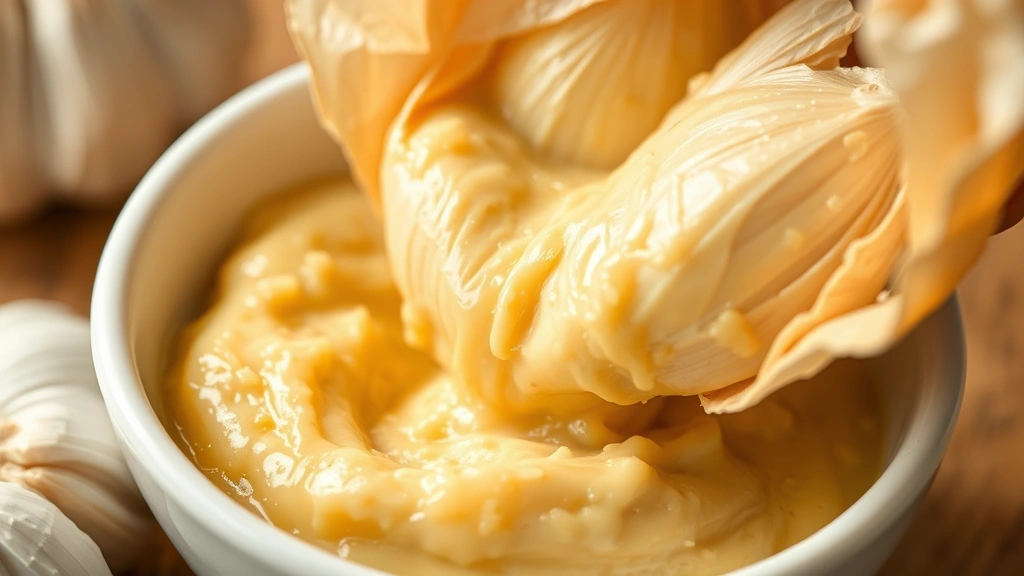
The transformation also involves the breakdown of cell walls, which contain pectin and cellulose. As these structures soften through heat, the garlic develops its characteristic creamy texture. This is why properly roasted garlic can be squeezed directly from the skin like butter—the cellular structure has fundamentally changed, releasing moisture and creating a paste-like consistency that blends seamlessly into sauces and spreads.
Selecting and Preparing Garlic Bulbs
The foundation of exceptional roasted garlic begins with bulb selection. Gourmet chefs never roast small, shriveled garlic or bulbs that have been stored improperly. Look for firm bulbs with papery skin that feels substantial in your hand—this indicates high moisture content and full cloves. Avoid any bulbs with soft spots, sprouting cloves, or visible mold.
The size of garlic cloves matters significantly. Large cloves, typically found in premium or locally-grown varieties, roast more evenly than small ones. Medium-sized bulbs are ideal because they roast uniformly without requiring extended cooking times. If you’re working with smaller varieties, check for doneness earlier to prevent over-roasting.
Preparation is straightforward but requires attention to detail. Cut approximately ½ inch from the top of each bulb to expose the cloves. This opening allows steam to escape gradually and ensures even heat penetration. Some chefs prefer cutting horizontally through the middle, creating two flat surfaces—this method increases surface area and can reduce roasting time by 10-15 minutes. Remove any loose papery skin, but keep the bulb intact; the outer layers protect the cloves from direct heat.
Before roasting, pat bulbs dry with paper towels. Excess moisture on the surface can create steam pockets that prevent proper browning and caramelization. Place prepared bulbs on a cutting board and inspect each one, ensuring the cut surfaces are clean and the bulbs sit level on your roasting vessel.
The Professional Roasting Method
Professional kitchens use a consistent method that yields reliable results. Preheat your oven to 400°F (200°C) for approximately 10 minutes before roasting. This ensures immediate, even heating when bulbs enter the oven. Place prepared garlic bulbs cut-side up on a baking sheet lined with parchment paper or a silicone mat—this prevents sticking and makes cleanup effortless.
Drizzle each bulb generously with extra virgin olive oil, approximately 1 tablespoon per bulb. This oil serves multiple purposes: it conducts heat efficiently, prevents moisture loss, and creates the rich, luxurious flavor characteristic of gourmet roasted garlic. Use high-quality olive oil; inferior oils can become bitter when heated and will compromise the final product. Some chefs add fresh thyme sprigs, rosemary, or bay leaves to the oil for subtle herbal undertones.
Season lightly with sea salt and freshly ground black pepper. Don’t oversalt—garlic’s natural sweetness should remain the dominant flavor. Place the baking sheet in the preheated oven on the middle rack, ensuring bulbs aren’t touching each other. Air circulation is critical for even roasting.
Set a timer for 35-45 minutes, depending on bulb size. Smaller bulbs roast faster; larger ones require additional time. Check for doneness by piercing a clove with a fork—properly roasted garlic should be completely soft with no resistance. The exterior should be golden brown and the cut surface may show slight browning. If cloves still feel firm, return to the oven for 5-10 minute intervals.
Temperature Control and Timing
Temperature precision separates exceptional roasted garlic from mediocre results. While 400°F is the standard, some chefs prefer 375°F (190°C) for a slower, more controlled roast that develops deeper caramelization without risk of burning. This lower temperature requires an additional 10-15 minutes but produces incredibly smooth, creamy results.
Conversely, some restaurants use 425°F (220°C) for faster service during busy periods. At this higher temperature, roasting completes in 30-35 minutes, but requires careful monitoring to prevent the exterior from charring. The risk-reward calculation depends on your experience level; beginners should stick with 400°F as a reliable middle ground.
Timing varies based on several factors: bulb size, oven accuracy, altitude, and humidity. Invest in an oven thermometer to verify your oven’s actual temperature—many home ovens run 25-50°F hotter or cooler than the dial indicates. This simple tool eliminates guesswork and ensures consistency across multiple batches.
Watch for visual cues as much as timing. The cut surface should appear light golden brown, and the bulb should feel slightly collapsed or deflated when gently pressed. These indicators matter more than the clock. Professional kitchens rely on sensory evaluation because ovens vary significantly. Develop your own timing baseline by roasting one bulb and noting exact results, then adjusting future batches accordingly.
Some advanced techniques involve roasting garlic at lower temperatures for extended periods. Roasting at 325°F for 60-75 minutes produces an exceptionally creamy, mild garlic with almost no sharp notes—perfect for delicate applications. This slow-roasting method is popular in fine dining establishments where garlic should complement rather than dominate.
Extracting and Using Roasted Garlic
Allow roasted bulbs to cool until comfortable to handle, approximately 5-10 minutes. The cooling period allows the interior to set slightly, making extraction easier. Squeeze the bulb gently from the root end, and individual cloves pop out like soft butter. If cloves resist, the garlic needs additional roasting time. Properly roasted garlic should require minimal pressure.
Collect extracted cloves in a clean bowl, discarding the papery skin. At this stage, you have pure roasted garlic ready for immediate use or storage. Some chefs prefer to mash roasted cloves with a fork to create a smooth paste, while others leave them whole for textural interest in certain dishes.
For premium applications, pass roasted garlic through a fine-mesh sieve to create an incredibly smooth purée. This technique, common in Michelin-starred kitchens, removes any fibrous bits and creates a product with luxurious, velvety texture. The process takes only minutes and elevates presentation significantly.
Roasted garlic transforms homemade sauces instantly. Whisk extracted cloves into mayo for gourmet aioli, blend into butter for compound butter, or fold into cream cheese for elegant appetizer spreads. The applications are limitless because roasted garlic’s mild, sweet profile complements virtually any cuisine.
Creative Applications in Gourmet Cooking
Roasted garlic elevates quick and easy pasta recipes from ordinary to extraordinary. Toss roasted cloves with hot pasta, quality olive oil, and fresh parsley for a simple yet sophisticated dish. The garlic breaks down slightly, creating a silky sauce that coats each strand without overwhelming the palate.
In seafood preparations, roasted garlic provides depth without the harsh bite of raw garlic. Incorporate it into butter sauces for grilled fish, blend into crab spreads for imitation crab recipes, or use as a base for cocktail sauce recipe variations. The sweetness of roasted garlic complements delicate seafood flavors beautifully.
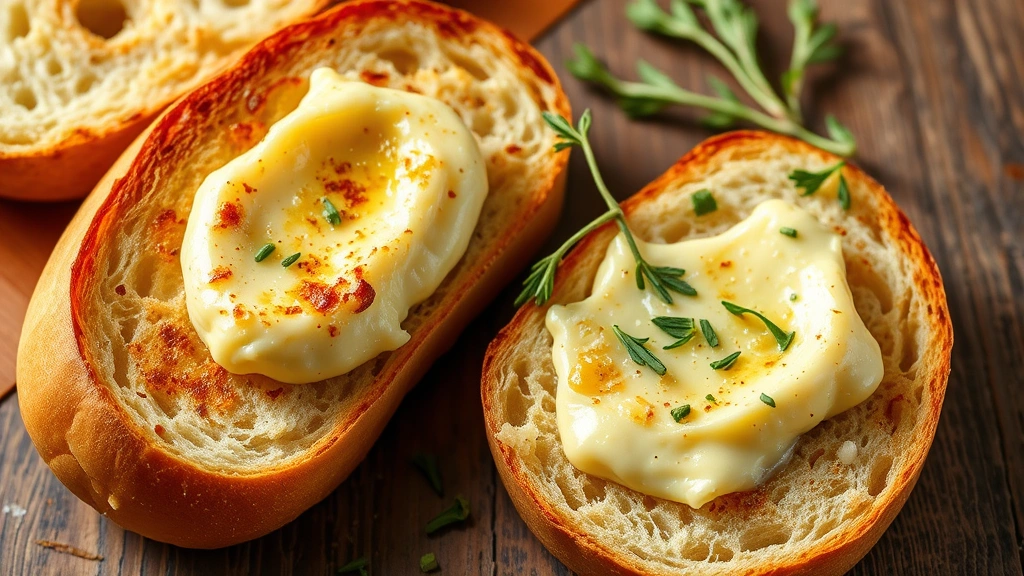
Roasted garlic butter is a professional staple. Combine softened butter with mashed roasted garlic, fresh herbs, and salt to create a versatile condiment. Use it to finish steaks, melt over vegetables, or serve alongside crusty bread. This compound butter stores for weeks and elevates simple preparations instantly.
For healthy crockpot recipes, add roasted garlic cloves during the last 30 minutes of cooking. The gentle heat of slow cooking won’t destroy the delicate roasted flavors, and the garlic distributes throughout the dish, creating subtle depth. This technique works beautifully in soups, stews, and braised dishes.
Create gourmet spreads by combining roasted garlic with cream cheese, goat cheese, or ricotta. These preparations become elegant appetizers when served on crostini or crackers. Add sun-dried tomatoes, fresh herbs, or toasted nuts for complexity. The creamy base allows roasted garlic to shine without competing flavors.
Roasted garlic transforms vinaigrettes and dressings. Whisk mashed roasted garlic into Dijon mustard, aged vinegar, and olive oil for a dressing that complements substantial greens and hearty salads. The roasted garlic provides sweetness and body that raw garlic cannot match.
Storage and Preservation Techniques
Properly stored roasted garlic maintains quality for extended periods. In the refrigerator, place cooled roasted cloves in an airtight container and store for up to two weeks. The cool temperature slows oxidation and microbial growth, preserving flavor and texture. Keep the container sealed to prevent absorption of other refrigerator odors.
For longer storage, freeze roasted garlic in ice cube trays filled with olive oil. Once frozen solid, transfer cubes to freezer bags for up to three months. This method allows easy portioning—simply use one cube for recipes requiring roasted garlic. The olive oil coating prevents freezer burn and maintains moisture.
Professional chefs often preserve roasted garlic in olive oil, creating a shelf-stable ingredient that develops flavor complexity over time. Sterilize glass jars thoroughly, fill with cooled roasted garlic cloves, then cover completely with extra virgin olive oil. Store in a cool, dark place for up to two weeks. This method creates a luxurious ingredient that can be used in cooking or served as a spread.
Roasted garlic paste can be frozen in small portions. Mash roasted cloves with a fork, portion into ice cube trays, and freeze. Once solid, transfer to freezer bags. This concentrated form is perfect for recipes requiring specific quantities. Thaw at room temperature before using, or add directly to hot dishes where it will melt quickly.
Some advanced preservation techniques involve vacuum-sealing roasted garlic with olive oil, which extends refrigerator life to four weeks. This method requires a vacuum sealer but produces superior results because it eliminates oxygen exposure that causes oxidation and flavor degradation.
FAQ
Can I roast garlic without olive oil?
Yes, though results will differ significantly. Roasting without oil produces drier, less luxurious garlic with diminished sweetness. Some chefs wrap bulbs in foil instead, which steams the garlic slightly rather than roasting it. The texture becomes softer but lacks the caramelized notes that oil-roasting produces. For best results, always use quality olive oil.
Why is my roasted garlic bitter?
Bitterness indicates over-roasting or excessive heat. The exterior burned while the interior cooked, creating acrid compounds. Lower your oven temperature by 25°F and reduce cooking time. Additionally, ensure your olive oil is high-quality; inferior oils become unpleasantly bitter when heated.
How do I know when roasted garlic is done?
Pierce a clove with a fork; properly roasted garlic offers no resistance and feels completely soft. The exterior should be light golden brown, and the bulb may appear slightly collapsed. Visual and tactile cues matter more than timing because ovens vary significantly.
Can I roast garlic in a slow cooker or instant pot?
Yes, though results differ from oven-roasting. Slow cookers steam rather than roast, producing softer garlic without caramelization. Instant Pots can roast garlic using the sauté function, but this requires constant attention and produces less consistent results than oven-roasting. For optimal flavor development, oven-roasting remains superior.
What’s the difference between roasted and confit garlic?
Roasted garlic uses dry heat in an oven, creating caramelized exterior notes. Confit garlic cooks slowly in oil, producing creamy texture without browning. Both techniques are valuable, but roasted garlic offers deeper, more complex flavor while confit garlic provides milder, buttery notes. Choose based on your application’s flavor requirements.
Can I roast garlic in advance for meal prep?
Absolutely. Roast large batches and store properly for convenient meal prep. Frozen roasted garlic cubes in oil provide grab-and-go convenience for weeknight cooking. Many professional chefs roast garlic in bulk during slow service periods, using it throughout the week in various preparations.
Is there a way to roast garlic faster?
Yes, increase oven temperature to 425°F, which reduces cooking time to 30-35 minutes. However, this risks burning the exterior. Alternatively, cut bulbs in half horizontally instead of just removing the top—this increases surface area and reduces cooking time by 10-15 minutes. Smaller bulbs naturally roast faster than large ones.
Can I use pre-peeled garlic cloves for roasting?
Yes, though results differ from whole bulbs. Roasting individual cloves requires only 20-25 minutes and produces a more intense, concentrated flavor. The smaller surface area browns more quickly, creating deeper caramelization. Use this method when you need small quantities or prefer a stronger roasted garlic profile.


