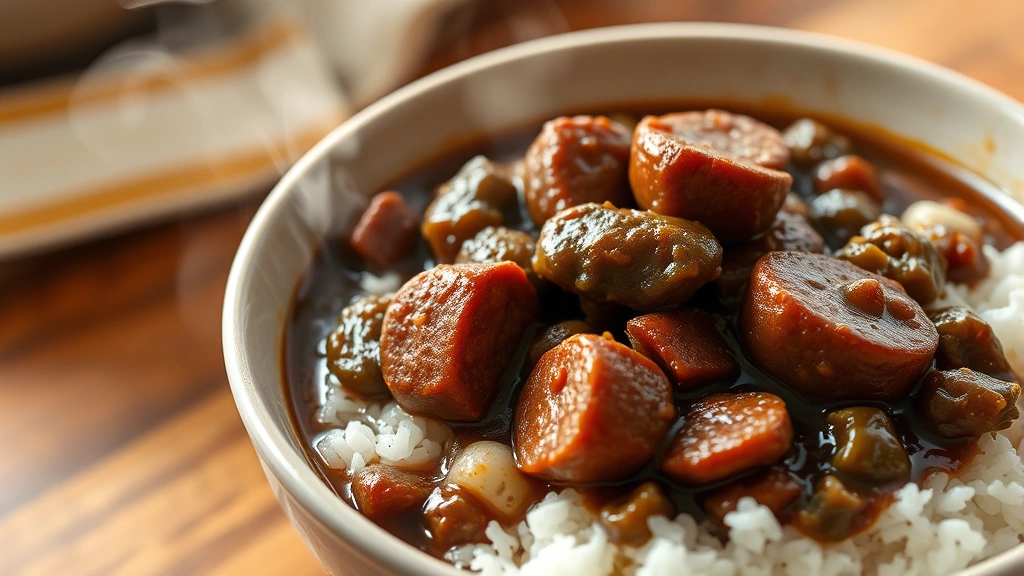
Andouille Sausage Gumbo: Chef’s Favorite Recipe
Andouille sausage gumbo represents the heart of Louisiana cooking—a dish that transforms simple ingredients into a complex, deeply satisfying meal that feeds both body and soul. This smoky, spiced sausage creates an unmistakable foundation that elevates gumbo from ordinary to extraordinary. Whether you’re cooking for a weeknight dinner or impressing guests at a gathering, this chef-tested recipe delivers authentic flavor without requiring professional culinary training.
Gumbo is more than just a stew; it’s a cultural artifact that tells the story of New Orleans through every spoonful. The combination of andouille’s peppery heat, the holy trinity of vegetables, and a perfectly executed roux creates layers of flavor that develop and deepen as the dish simmers. This recipe breaks down the traditional technique into manageable steps, ensuring success whether you’re a seasoned cook or exploring easy dinner recipes for beginners.
Understanding Andouille Sausage
Andouille sausage is a smoked, heavily seasoned pork sausage with roots in French and Spanish charcuterie traditions, but it found its true home in Louisiana. The sausage’s distinctive flavor comes from a combination of spices including garlic, thyme, cayenne pepper, and black pepper, all infused into coarsely ground pork and then smoked over hickory or oak wood. This smoking process creates the characteristic dark color and complex smoky depth that makes andouille irreplaceable in gumbo.
When selecting andouille for your gumbo, look for authentic versions from reputable butchers or specialty food shops. The sausage should have a firm texture and rich mahogany color. Avoid pre-sliced versions when possible, as freshly cut sausage releases more flavorful oils during cooking. The fat content in quality andouille is crucial—it renders during cooking and creates the flavorful base that other ingredients build upon.
The sausage’s spice profile means you have less need to add additional cayenne pepper to your gumbo. This is an important consideration when balancing heat levels in your final dish. Many home cooks make the mistake of adding too much additional spice, not realizing that andouille already delivers significant peppery notes. Taste as you cook and adjust accordingly.
Essential Ingredients Breakdown
Creating authentic andouille sausage gumbo requires understanding how each ingredient contributes to the final dish. This isn’t a recipe where you can randomly substitute ingredients without affecting the outcome. Each component plays a specific role in building layers of flavor.
- Andouille sausage (1.5 pounds): The star ingredient that provides smokiness, spice, and rich pork flavor
- All-purpose flour (6 tablespoons): Creates the roux base that thickens and enriches the gumbo
- Vegetable oil (6 tablespoons): The fat component of your roux—neutral flavor allows other ingredients to shine
- Onions (2 large, diced): The primary aromatic that forms the holy trinity base
- Celery (3 stalks, diced): Adds subtle herbaceous notes and traditional Louisiana flavor
- Green bell peppers (2, diced): Completes the holy trinity with mild sweetness
- Chicken or vegetable stock (8 cups): The liquid foundation that carries all flavors
- Tomato paste (3 tablespoons): Adds umami depth and slight acidity
- Garlic (6 cloves, minced): Enhances aromatic complexity
- Thyme (2 teaspoons dried): Traditional Louisiana seasoning
- Bay leaves (3): Adds subtle depth
- Okra (1.5 cups, fresh or frozen): Traditional thickener that adds nutritional value
- Salt and black pepper: Season to taste throughout cooking
- Hot sauce (optional): For serving, lets diners customize heat level
The holy trinity—onions, celery, and bell pepper—forms the aromatic foundation of Louisiana cooking. Unlike the French mirepoix that uses carrots, the Louisiana holy trinity emphasizes these three vegetables for their specific flavor profiles. Prepare these vegetables before starting your roux, as once you begin cooking the flour and oil mixture, you’ll need to work quickly.
The Perfect Roux Foundation
The roux is where many home cooks struggle with gumbo, yet it’s the most critical step in the entire recipe. A proper roux requires patience, attention, and understanding of the chemical reactions occurring in your pot. The roux serves three purposes: it creates a thickening agent through the combination of flour and fat, it develops deep, complex flavors through the Maillard reaction, and it creates the rich, velvety mouthfeel that defines excellent gumbo.
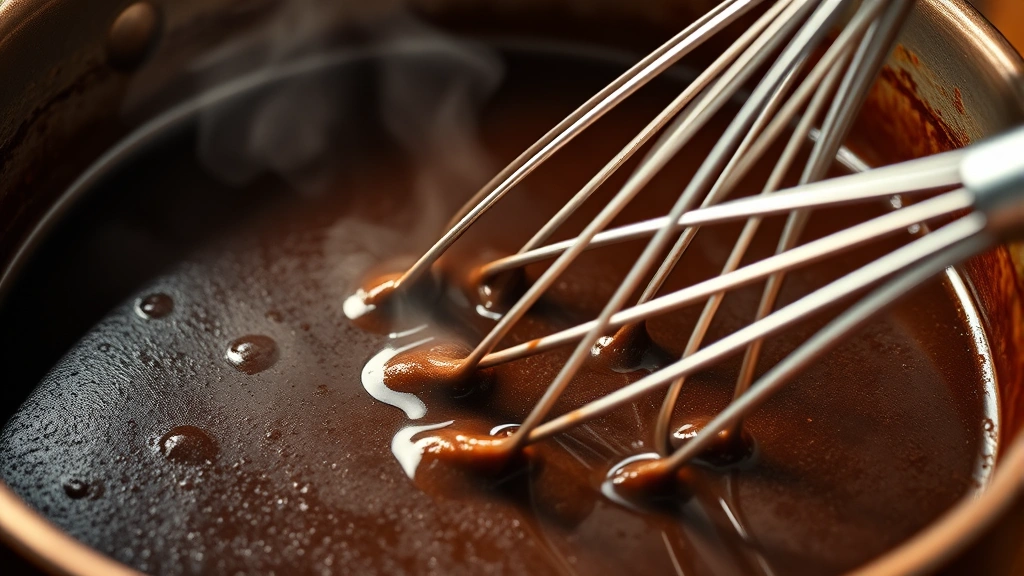
Combine equal parts flour and oil in a heavy-bottomed pot or Dutch oven over medium heat. The ratio is crucial—6 tablespoons flour to 6 tablespoons oil creates the perfect balance. Use a whisk to constantly stir the mixture, ensuring no lumps form and the flour cooks evenly. This is not a step where you can multitask; constant attention prevents burning and ensures even browning.
The roux will progress through several color stages. Initially, it appears pale and slightly grainy. After about 3-4 minutes, it becomes a light tan color. Continue stirring—this is the “blonde” stage. At 5-7 minutes, you reach the “chocolate” or “medium brown” stage, which is ideal for gumbo. The color should resemble milk chocolate, not dark chocolate. This stage provides excellent thickening power while developing rich, nutty flavors without the burnt, acrid taste that over-dark roux produces.
Many traditional Louisiana cooks prefer darker roux for extra depth, but this requires even more careful attention to prevent burning. For home cooks, the chocolate stage offers an excellent balance. The entire roux-making process should take 8-12 minutes depending on your heat level. If you’re unsure whether your roux is done, remember that it will continue darkening slightly even after you remove it from heat due to residual heat in the pot.
Building Your Gumbo Base
Once your roux reaches the perfect chocolate color, immediately add your diced holy trinity vegetables. The vegetables will sizzle and release steam—this is exactly what you want. Stir constantly for 2-3 minutes as the vegetables begin to soften and their moisture releases into the roux. This process mellows the raw vegetable flavors and allows them to integrate into the roux base.
While your vegetables cook in the roux, your andouille sausage should be cooking separately in a large skillet over medium-high heat. Slice the sausage into quarter-inch rounds and cook until the edges brown and fat renders, about 8-10 minutes. This step is crucial—browning the sausage develops additional flavor through caramelization and renders enough fat to flavor your entire gumbo. Don’t skip this step or use pre-cooked sausage, as the development of flavor during browning is irreplaceable.
Add minced garlic to your vegetable-roux mixture and cook for another minute until fragrant. Then, carefully pour in your stock while stirring constantly. This prevents lumps from forming in your thickening agent. The mixture will seem thin initially, but as it simmers, the roux will fully hydrate and thicken the liquid. Add the browned sausage and its rendered fat to the pot, stirring to distribute evenly.
Stir in tomato paste, thyme, and bay leaves. The tomato paste adds umami depth—that savory, satisfying quality that makes gumbo so craveable. Don’t skip this ingredient thinking it’s unnecessary; the tomato paste creates a subtle background note that enhances all other flavors without making the gumbo taste tomatoey. Bring the gumbo to a simmer, then reduce heat to maintain a gentle simmer throughout cooking.
Step-by-Step Cooking Instructions
Preparation Phase (15 minutes): Dice your onions, celery, and bell peppers into roughly quarter-inch pieces. Mince your garlic. Slice your andouille sausage. Having all ingredients prepped before you start cooking ensures smooth execution and prevents the roux from burning while you’re still chopping vegetables. This mise en place approach is how professional chefs maintain control during cooking.
Roux Stage (8-12 minutes): Heat oil in a heavy pot over medium heat. Add flour and whisk constantly. Watch carefully as the color progresses from pale to light tan to chocolate brown. The roux should smell nutty and toasted, not burnt. If at any point you smell acrid or burnt odors, start over—burnt roux cannot be salvaged and will ruin your entire gumbo.
Vegetable Stage (5 minutes): Add diced holy trinity vegetables to the roux and stir constantly. The vegetables will release moisture and slightly soften. After about 2 minutes, add minced garlic and cook for another minute until fragrant.
Stock Addition (5 minutes): Slowly pour in your stock while stirring constantly with a whisk. This prevents lumps from forming. The mixture will bubble and steam as the cold stock hits the hot roux. Continue stirring until the liquid is fully incorporated and smooth.
Sausage and Seasoning (2 minutes): Add the browned andouille sausage and its rendered fat to the pot. Stir in tomato paste, thyme, and bay leaves. The mixture should now be fully combined and relatively smooth, though it will still be quite thin.
Simmering Phase (45 minutes to 1 hour): Bring the gumbo to a gentle simmer over medium-low heat. The liquid should bubble gently around the edges but not boil vigorously. Simmer uncovered, stirring occasionally to ensure nothing sticks to the bottom. As the gumbo simmers, the roux will continue to hydrate and thicken the liquid. The flavors will also deepen and meld together. After 30 minutes, taste and adjust salt and pepper as needed.
Okra Addition (15-20 minutes): Add okra in the final 15-20 minutes of cooking. Okra is a traditional thickening agent that also adds nutritional value and subtle flavor. If using frozen okra, add it directly from the freezer without thawing. Fresh okra should be trimmed and cut into half-inch pieces. Stir the okra in gently and let it cook until tender. The okra will release a slightly viscous liquid that further thickens the gumbo while cooking down considerably in volume.
Final Adjustments (5 minutes): Remove from heat and discard bay leaves. Taste your gumbo carefully. The flavor should be well-balanced with distinct notes of sausage smokiness, vegetable sweetness, and subtle spice. If the gumbo seems too thick, add additional stock a quarter cup at a time. If too thin, simmer longer uncovered to reduce liquid. Remember that gumbo continues to thicken as it cools, so slightly underthick is better than overly thick.
Serving and Storage Tips
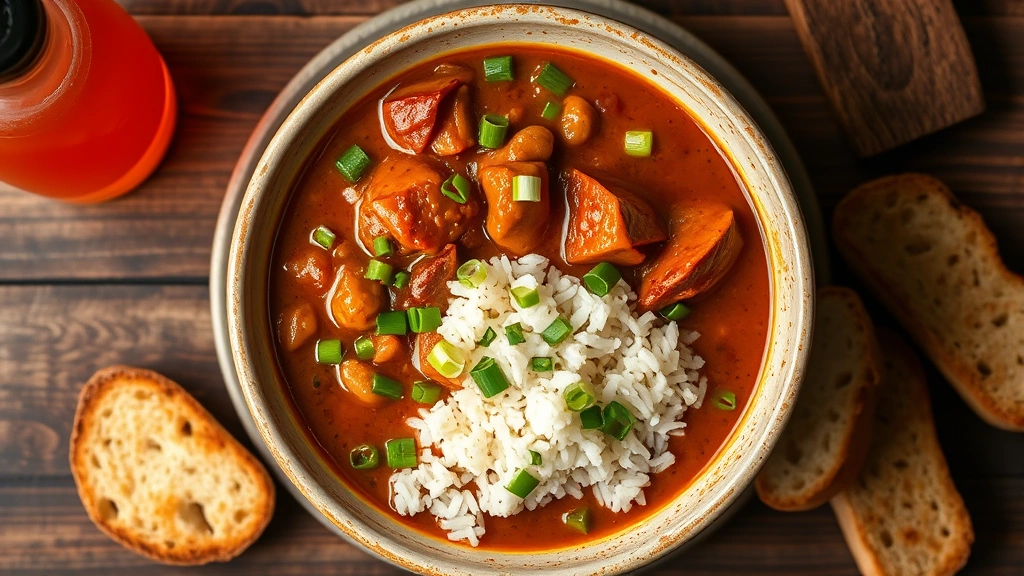
Authentic andouille sausage gumbo is traditionally served over a scoop of white rice in wide, shallow bowls. The rice absorbs the flavorful liquid and provides a neutral base that balances the rich, spiced gumbo. Some Louisiana cooks prefer to stir the rice directly into the gumbo, while others keep it separate—both approaches are equally valid. The choice comes down to personal preference and family tradition.
Serve your gumbo with traditional accompaniments: a bottle of hot sauce at the table allows diners to customize heat levels, a small dish of chopped green onions adds fresh brightness, and crusty bread is essential for soaking up every drop of that precious liquid. A simple green salad with vinaigrette provides a refreshing contrast to the rich gumbo.
Gumbo actually improves with time as flavors continue to meld and develop. Store leftovers in an airtight container in the refrigerator for up to 4 days. The gumbo will thicken further as it cools due to the roux continuing to set. When reheating, add a splash of stock or water to return it to the desired consistency. Gumbo also freezes beautifully for up to 3 months—freeze in individual portions for easy weeknight meals. This makes gumbo an excellent choice when planning easy dinner recipes that provide multiple meals from one cooking session.
If you’re looking to incorporate gumbo into a broader meal planning strategy, consider pairing it with quick and easy pasta recipes for nights when you want lighter fare, or explore low-carb dinner recipes for alternative serving methods. You might also appreciate our guide to healthy crockpot recipes, as gumbo adapts beautifully to slow-cooker preparation.
FAQ
Can I make andouille sausage gumbo in a slow cooker?
Yes, absolutely. Brown the sausage on the stovetop first, then prepare your roux. Transfer both to a slow cooker along with remaining ingredients (except okra). Cook on low for 6-8 hours or high for 3-4 hours. Add okra in the final 30 minutes on low or 15 minutes on high. Slow-cooker gumbo develops wonderful flavors and fits perfectly into a healthy crockpot recipes approach to meal preparation.
What if I can’t find authentic andouille sausage?
Look for smoked sausage with similar spice profiles. Cajun-seasoned smoked sausage is an acceptable substitute, though the flavor profile will be slightly different. Avoid fresh sausage, as the smoky component is essential to authentic gumbo. Some specialty food shops can order authentic andouille if you call ahead.
Is gumbo actually healthy?
Gumbo contains significant amounts of vegetables and can be part of a balanced diet. The sausage provides protein, though it’s also high in fat and sodium. The okra adds fiber and vitamins. To make gumbo healthier, use reduced-sodium stock and slightly less sausage, then add more vegetables like diced tomatoes or additional okra. Check our best healthy food recipes for more balanced approaches to traditional comfort foods.
How thick should gumbo be?
Gumbo should be thick enough to coat a spoon but still pourable. It should not be stew-like or paste-like. If yours is too thick, add stock. If too thin, simmer longer uncovered to reduce liquid. Remember that gumbo thickens as it cools.
Can I add other proteins like shrimp or chicken?
Absolutely. Add shrimp in the final 5 minutes of cooking—overcooking makes shrimp tough. For chicken, add diced cooked chicken in the final 10 minutes just to heat through. Some cooks add both andouille and shrimp for a surf-and-turf version. Keep the andouille as your base for authentic flavor.
Why is my gumbo grainy or lumpy?
Lumps form when the roux isn’t whisked properly during stock addition or when flour isn’t fully incorporated into the fat. Always whisk constantly while adding stock. If lumps do form, strain the gumbo through a fine-mesh sieve, pressing solids gently to extract liquid.
What’s the difference between gumbo and jambalaya?
Gumbo is a thick, saucy dish served over rice, with a roux base and okra or filé powder as thickeners. Jambalaya is a one-pot rice dish where rice cooks directly in the mixture. Gumbo is brothier and more about the sauce, while jambalaya is more about the rice absorbing flavors.
Can I reduce the spice level?
Yes. Use mild sausage instead of andouille, reduce the black pepper, and omit additional cayenne. You can also serve hot sauce on the side, letting diners add heat to their preference. The dish will be less authentic but still delicious.
How can I reduce food waste when making gumbo?
Save vegetable scraps like onion skins and celery ends for homemade stock instead of using commercial stock. Use the entire sausage without waste. Store leftovers properly to avoid spoilage. Read our comprehensive guide on food waste reduction tips for more strategies on sustainable cooking practices.
What’s the best rice to serve with gumbo?
Long-grain white rice is traditional and absorbs gumbo liquid beautifully. Brown rice works if you prefer whole grains. Avoid sticky or short-grain varieties that become mushy.
Mastering andouille sausage gumbo opens the door to understanding Louisiana cooking traditions and developing your skills with fundamental techniques like roux-making. This recipe represents far more than just dinner—it’s a connection to culinary heritage, a demonstration of how simple ingredients transform through proper technique, and a celebration of bold, assertive flavors that satisfy completely. Each time you make this gumbo, you’ll develop greater intuition about timing, flavor balance, and the subtle adjustments that transform good gumbo into truly memorable gumbo. Start with this chef-tested recipe, then feel free to adapt it based on your preferences and available ingredients, knowing that you’re working from a solid foundation of proven technique.


