Fufu Recipe: West African Staple Explained
Fufu stands as one of West Africa’s most iconic and beloved dishes, representing centuries of culinary tradition and cultural identity. This starchy, dough-like staple has nourished communities across Ghana, Nigeria, Cameroon, and beyond, serving as the foundation for countless meals and celebrations. Whether you’re exploring easy dinner recipes for beginners or diving deeper into authentic international cuisine, understanding fufu opens doors to a rich gastronomic heritage.
At its essence, fufu is a pounded mixture of starchy vegetables—typically plantains, yams, cassava, or potatoes—that transforms into a smooth, elastic paste through vigorous manual labor or modern food processing. The dish requires patience, technique, and an appreciation for the communal nature of West African cooking. This comprehensive guide walks you through everything you need to know about preparing authentic fufu, from ingredient selection to serving traditions.
What is Fufu and Its Cultural Significance
Fufu transcends being merely a recipe—it embodies West African identity, community values, and ancestral wisdom passed through generations. The word “fufu” itself originates from Twi language, spoken in Ghana, and means “mash” or “pound.” This humble dish appears at tables during celebrations, family gatherings, and everyday meals, functioning as edible cultural documentation.
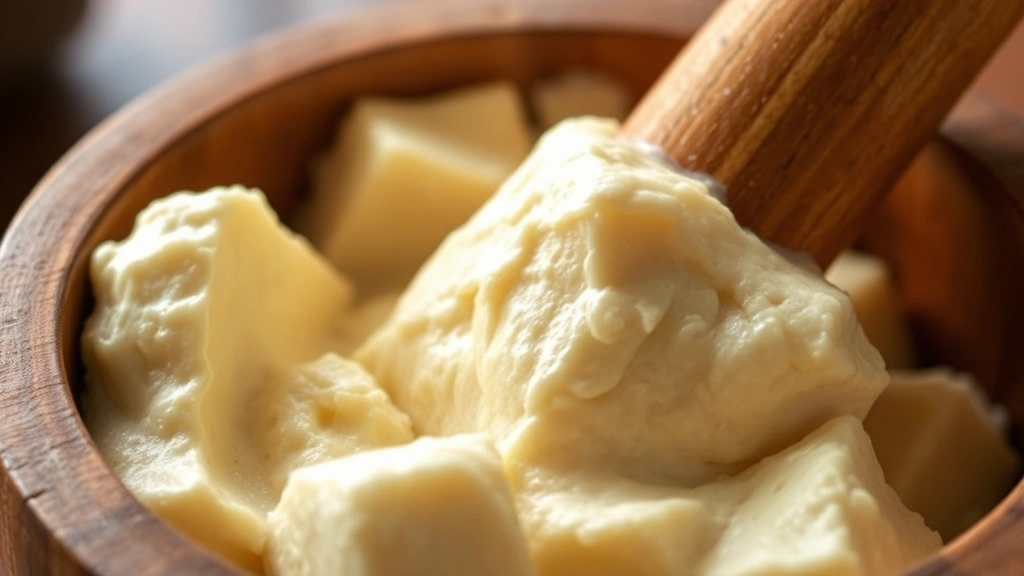
The preparation of fufu traditionally involves communal participation, with family members taking turns pounding the mixture in large wooden mortars using heavy pestles. This rhythmic pounding creates an auditory landscape that signals hospitality and abundance within West African households. The dish’s versatility allows it to pair with virtually any protein-based soup or stew, making it economical and adaptable to seasonal ingredient availability.
Understanding fufu’s significance helps cooks appreciate why technique matters and why rushing the process diminishes both texture and cultural authenticity. Many West African families maintain specific recipes passed down through maternal lines, each variation reflecting regional preferences and available ingredients. When you prepare fufu, you’re participating in a culinary tradition spanning centuries and connecting you to millions of people across the African diaspora.
Essential Ingredients and Substitutions
The beauty of fufu lies in its ingredient flexibility, though certain combinations work better than others. Understanding what each ingredient contributes helps you make informed substitutions based on dietary needs, regional availability, or personal preference.
Primary Starches:
- Plantains—The gold standard for fufu, plantains offer a slightly sweet, mild flavor and create excellent texture when properly ripe. Green plantains yield firmer fufu, while yellow ones produce softer results.
- Yams—A traditional choice across West Africa, yams provide earthy flavor and smooth texture. Purple yams create visually striking fufu.
- Cassava—Also called yuca root, cassava contributes mild flavor and light texture. Many Ghanaian cooks prefer cassava for its refined consistency.
- Potatoes—Irish or Yukon gold potatoes work as budget-friendly substitutes, though they lack the traditional depth of flavor.
- Cocoyam—Less common in Western markets but increasingly available through specialty stores, cocoyam offers unique nutty undertones.
Seasoning Components:
- Salt—Essential for enhancing natural flavors; add gradually and taste as you work.
- Butter or coconut oil—Adds richness and helps achieve smooth consistency without making fufu greasy.
- Water or broth—Chicken, vegetable, or beef broth deepens flavor compared to plain water.
Many authentic recipes combine two or three starchy ingredients—plantains with cassava, or yams with cocoyam—creating complexity that single-ingredient versions cannot achieve. Experimenting with combinations helps you discover your preferred flavor profile while honoring West African traditions.
Step-by-Step Preparation Methods
Success with fufu depends on proper ingredient preparation before pounding begins. Rushing through preliminary steps compromises the final texture and makes the actual pounding significantly harder.
Ingredient Selection and Inspection:
Choose plantains that are firm but yield slightly to pressure—neither rock-hard nor overly soft. Yams should be unblemished with no soft spots. Inspect cassava for deep cracks or discoloration indicating spoilage. Fresh ingredients produce superior results, so source from markets with high turnover when possible.
Cleaning:
Scrub plantains, yams, and cassava under running water with a vegetable brush to remove all soil. Pat dry thoroughly before cooking, as excess moisture affects cooking time and final texture.
Peeling:
For plantains and yams, boil whole or in large chunks first, then peel when cool enough to handle—the skin slides off more easily after cooking. For cassava, peel raw using a sharp vegetable peeler, working carefully as cassava can be slippery. Remove any pink or discolored flesh, as these areas indicate spoilage.
Boiling:
Cut prepared ingredients into uniform 2-3 inch chunks, ensuring even cooking. Place in a large pot, cover with water, add salt, and bring to rolling boil. Reduce heat to medium and simmer 15-25 minutes depending on ingredient type and chunk size. Plantains typically cook fastest (15-18 minutes), while yams may require 20-25 minutes. Test doneness by piercing with a fork—pieces should be completely tender with no resistance.
Drain thoroughly using a colander, reserving the cooking water for adjusting consistency during pounding. Spread drained pieces on a clean kitchen towel briefly to remove excess moisture.
Traditional Pounding Technique
The traditional method of pounding fufu requires strength, rhythm, and patience. While physically demanding, this approach connects you directly to West African culinary heritage and produces exceptional texture when executed properly.
Equipment Needed:
- Wooden mortar (large, 8-12 quarts capacity)
- Wooden pestle (heavy, 3-5 pounds)
- Cloth to protect clothing from splatters
- Helper (highly recommended)
The Pounding Process:
Place hot, drained ingredients into the mortar. One person pounds while another person rotates the mixture occasionally using a wooden spoon, ensuring even consistency. Begin with moderate force, pounding 40-50 times, then pause to fold the mixture toward the center. Repeat this cycle continuously for 10-15 minutes total.
The mixture progresses through distinct stages. Initially, ingredients remain chunky and separate. After 3-4 minutes, they begin binding together. By 8-10 minutes, a cohesive mass forms, becoming increasingly smooth and elastic. Proper fufu reaches a stage where it clings together without any visible chunks, with a texture resembling smooth mashed potatoes but firmer and more elastic.
Add reserved cooking water one tablespoon at a time if the mixture becomes too dry or difficult to pound. The goal is achieving a consistency that holds together when shaped but remains pliable enough to eat with fingers. Experienced cooks develop intuition for texture, recognizing readiness through feel and appearance.
Modern Food Processor Method
Contemporary cooks increasingly use food processors to prepare fufu, reducing physical labor while maintaining quality results. This method works particularly well for home cooks without traditional pounding equipment or those preparing fufu for healthy crockpot recipes and other weeknight meals.
Food Processor Technique:
Work in batches using a large-capacity food processor. Add cooked, drained ingredients in 2-3 cup batches, pulsing initially 8-10 times to break down chunks. Then switch to continuous processing for 2-3 minutes, pausing halfway to scrape down bowl sides. Add reserved cooking water gradually (½ teaspoon at a time) while processing, creating a smooth, uniform paste.
Transfer each batch to a large bowl as it reaches proper consistency. Once all batches are processed, fold them together gently, combining any variations in texture. Some cooks prefer adding butter or coconut oil during the final folding stage, distributing it evenly throughout the fufu.
The food processor method produces slightly different texture than traditional pounding—slightly smoother and more uniform—but remains authentic and delicious. Many West African cooks now employ this method, recognizing that modern tools don’t diminish cultural authenticity when technique remains sound.
Serving Suggestions and Accompaniments
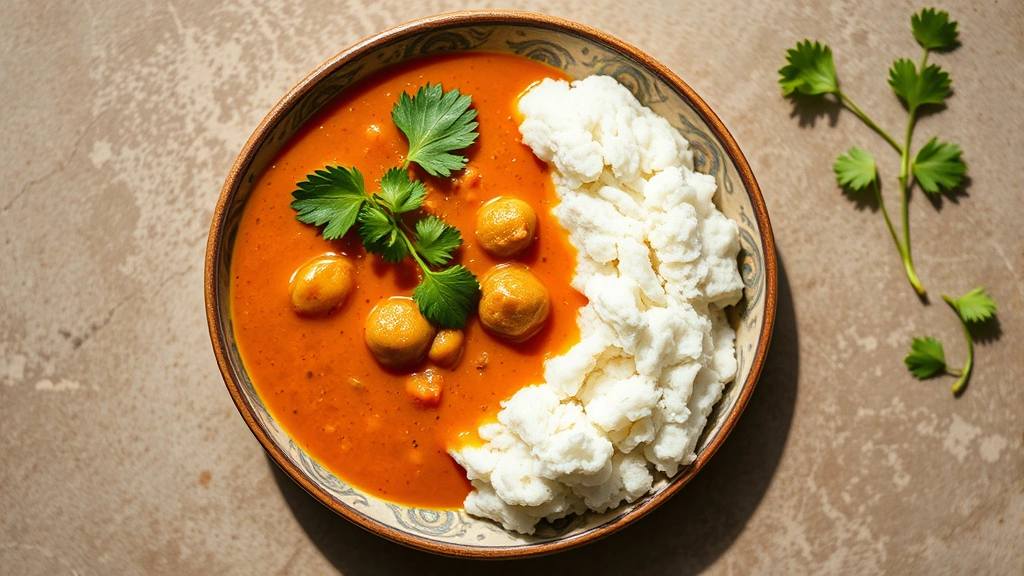
Fufu never stands alone on a plate. The dish functions as an edible utensil and flavor complement, meant to be eaten with hands, dipped into rich soups or stews that provide moisture, salt, and protein.
Traditional Soups and Stews:
- Light Soup—A broth-based soup with fish, shrimp, or meat, flavored with onions, tomatoes, and spices. The delicate flavor allows fufu’s subtle taste to shine.
- Groundnut Soup—Rich, creamy peanut-based soup with meat or fish, offering complex nutty flavors that complement fufu perfectly.
- Okra Soup—Made with okra, fish, meat, and spices, this soup provides the slimy texture that traditional diners consider essential.
- Palm Soup—A luxurious preparation using red palm oil, creating rich, distinctive flavor that pairs beautifully with fufu.
- Peppery Stew—Spiced meat or seafood stew offering bold flavors and heat that contrasts with fufu’s mild taste.
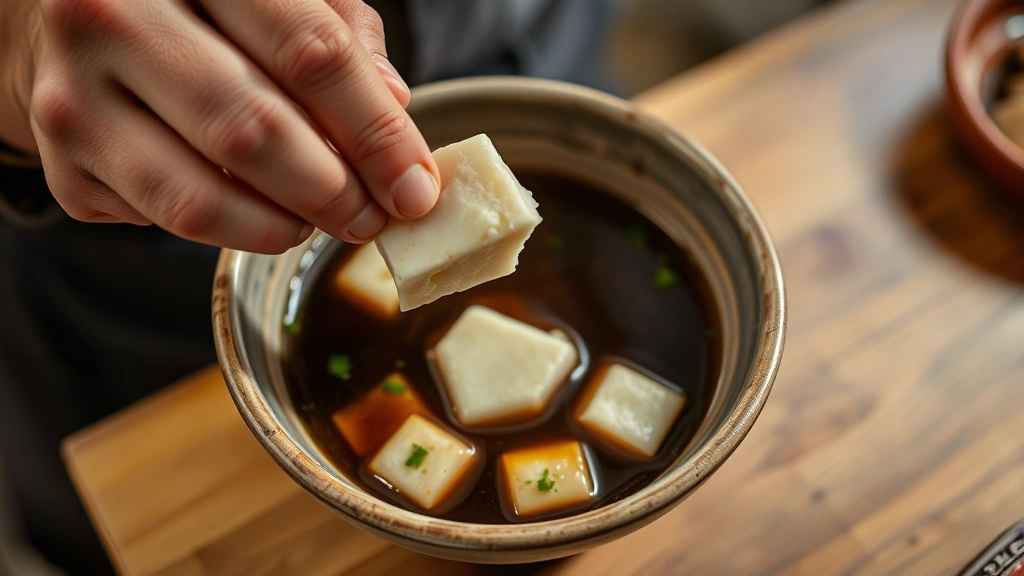
The combination of fufu with soup creates balance—the starch provides substance while the soup adds flavor, moisture, and nutrition. Diners traditionally pinch off a piece of fufu with their right hand, dip it into the soup, and consume it in a single bite, appreciating how flavors meld together.
Protein Pairings:
Fufu pairs wonderfully with best seafood recipes featuring fish, shrimp, or crab. Beef, lamb, goat, and chicken also work excellently. For vegetarian preparations, beans, lentils, or mushroom-based soups provide satisfying protein alternatives.
Storage and Make-Ahead Tips
Fresh fufu tastes best consumed immediately after preparation, but proper storage extends its usability and supports food waste reduction tips for conscious cooks.
Refrigeration:
Transfer cooled fufu to airtight containers and refrigerate up to 4 days. The mixture firms as it cools, becoming easier to handle and portion. Before serving, reheat gently in a microwave (covered, 2-3 minutes) or in a pot over low heat with a splash of water, stirring frequently to restore creamy consistency.
Freezing:
Fufu freezes successfully for up to 3 months. Portion into meal-sized amounts using plastic wrap or freezer bags, removing excess air to prevent freezer burn. Thaw overnight in the refrigerator before reheating using the methods described above.
Make-Ahead Strategy:
Prepare ingredients the day before—peel, chop, and refrigerate in airtight containers. On cooking day, simply boil prepared ingredients and proceed with pounding. This approach reduces active cooking time while maintaining quality. Many West African families prepare large batches during weekend gatherings, portioning extras for busy weeknights.
Texture Restoration:
If reheated fufu becomes dry or separates, add small amounts of warm water or broth while stirring over low heat until proper consistency returns. Some cooks add a small pat of butter or splash of coconut milk, enriching flavor during the revival process.
Understanding storage and reheating extends fufu’s convenience factor, making it practical for modern home cooks while honoring traditional preparation methods. Many culinary professionals, including those featured at Auguste Escoffier School of Culinary Arts, recognize fufu’s importance in global culinary education and cultural preservation.
FAQ
What’s the difference between fufu and cassava?
Cassava is a single ingredient—a starchy root vegetable used in many dishes. Fufu is a prepared dish made by pounding cooked starchy vegetables, which may include cassava combined with plantains, yams, or other ingredients. Think of cassava as an ingredient, fufu as the finished dish.
Can I make fufu without pounding?
Yes, modern food processors produce excellent results. While traditional pounding connects you to cultural heritage and creates slightly different texture, food processor methods are increasingly common in West African households and produce authentic, delicious fufu.
Why is my fufu too sticky or too dry?
Sticky fufu indicates too much moisture—add less water during cooking or reduce reserved water during pounding. Dry fufu means insufficient moisture—add water gradually while pounding or reheating. Proper consistency resembles smooth mashed potatoes but firmer and more elastic.
What if I can’t find plantains or yams?
Potatoes, sweet potatoes, or cassava work as substitutes, though they lack traditional flavor depth. Many specialty grocery stores and international markets carry plantains and yams year-round. Check online retailers if local sources prove unavailable.
Is fufu gluten-free?
Yes, traditional fufu made from plantains, yams, cassava, or potatoes contains no gluten. However, verify that any added broth or seasonings don’t contain gluten additives. Homemade versions using pure ingredients are inherently gluten-free.
How many people does one batch of fufu serve?
A typical batch using 4 pounds of mixed plantains and yams serves 6-8 people as part of a meal with soup or stew. Portion size depends on appetite and whether additional sides accompany the meal.
Can children help prepare fufu?
Absolutely. Many West African families involve children in pounding, teaching technique and cultural tradition simultaneously. Younger children can help with stirring, ingredient preparation, and shaping. Supervision ensures safety around hot ingredients and heavy equipment.
Exploring fufu opens pathways to understanding West African culinary traditions, cultural values, and the profound connections between food, family, and identity. Whether you choose traditional pounding or modern food processing methods, respect for ingredients and technique ensures delicious results. Start with quality plantains or yams, follow proper cooking procedures, and serve alongside complementary soups that celebrate this iconic staple’s versatility and importance. Your fufu journey honors centuries of culinary wisdom while creating memorable meals for family and friends. For deeper cultural context, explore West African cooking traditions through documentary resources and consider checking out top food documentaries to watch in 2025 featuring African cuisine. Additional learning resources like The Kitchn’s culinary guides and Serious Eats cooking techniques provide complementary knowledge about ingredient preparation and cooking science.


