Ultimate Philly Cheese Steak Recipe: The Proven Flavor Combo That Works Every Time
The Philly cheese steak stands as one of America’s most iconic sandwiches, born on the streets of Philadelphia in the 1930s and perfected through decades of passionate devotion. What makes a truly exceptional Philly cheese steak isn’t complexity—it’s precision. The magic lies in understanding how to balance tender, perfectly seasoned beef with melted cheese, caramelized onions, and the right bread. This recipe breaks down the exact techniques and ingredient ratios that separate a mediocre sandwich from one that rivals the best vendors in South Philly.
Many home cooks struggle with this sandwich because they overlook the fundamentals: proper beef slicing, high-heat cooking, cheese application timing, and toasting technique. Whether you’re cooking on a griddle, cast iron, or even a heavy skillet, this guide will walk you through every step to achieve restaurant-quality results at home. We’ll cover ingredient selection, cooking methods, and proven flavor combinations that have been tested and refined.
Essential Ingredients for Authentic Flavor
The foundation of an exceptional Philly cheese steak starts with quality ingredients, each playing a critical role in the final product. You’ll need 12-14 ounces of beef ribeye or sirloin, 2-3 ounces of cheese (typically Cheez Whiz, provolone, or American), one large yellow onion, one hoagie roll, 2 tablespoons of vegetable oil, and essential seasonings including salt and black pepper. Many recipes skip the importance of homemade sauce preparation, but a simple mayo-based spread or authentic Whiz sauce elevates the entire experience.
The beef quality determines everything that follows. Look for well-marbled ribeye with visible fat distribution—this fat renders during cooking and bastes the meat from within, creating superior tenderness and flavor. Sirloin works as an alternative if ribeye isn’t available, though it requires slightly more careful cooking to avoid drying out. Avoid overly lean cuts as they’ll result in tough, stringy meat rather than the tender, succulent texture that defines a proper Philly cheese steak.
Your cheese choice significantly impacts the final flavor profile. Cheez Whiz remains the traditional Philadelphia choice—it melts instantly and creates a creamy sauce. Provolone offers sharper, more complex flavors for those preferring traditional Italian cheese. American cheese provides a middle ground with good melting properties and mild flavor. Experiment with each to discover your preference, but understand that each cheese requires different cooking timing and technique.
Choosing and Preparing the Right Beef
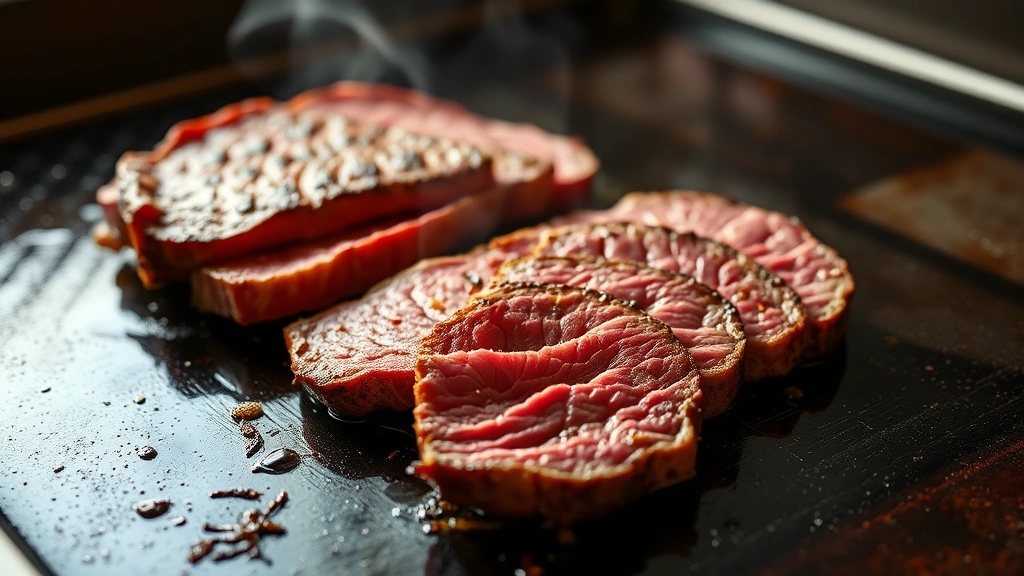
The most critical step happens before cooking: proper beef slicing. Partially freeze your ribeye for 30-45 minutes until it’s firm but not completely frozen. This prevents the meat from crumbling during slicing and gives you clean, thin pieces. Using a sharp knife, slice against the grain into pieces roughly 1/8-inch thick. If you lack confidence with a knife, ask your butcher to slice the meat for you—most will do this free of charge.
Some home cooks make the mistake of using ground beef, which creates an entirely different texture and won’t deliver the characteristic tender, slightly chewy bite of authentic sliced beef. The sliced preparation is non-negotiable for achieving the proper consistency. Once sliced, arrange the beef on a plate and bring it to room temperature for about 15 minutes before cooking—cold meat won’t brown properly and will release moisture instead of developing that crucial crust.
Seasoning the beef properly requires restraint and timing. Salt your sliced beef just before cooking, about 5 minutes beforehand. This allows the salt to dissolve slightly into the meat’s surface moisture, creating better adhesion and flavor penetration. Oversalting earlier leads to excessive moisture extraction, while salting too late won’t allow proper seasoning. Black pepper should be freshly ground and applied right before the meat hits the hot cooking surface.
The Perfect Cooking Technique
Heat is your primary tool for creating the perfect Philly cheese steak. Preheat your griddle, cast iron skillet, or heavy-bottomed pan over medium-high heat for 5 minutes until it’s properly hot. You can test readiness by sprinkling water on the surface—it should sizzle and evaporate almost instantly. This high heat is essential for developing the flavorful brown crust on the beef without overcooking the interior.
Add your oil to the hot surface and immediately follow with the sliced beef. Spread it out into a single layer across the cooking surface. Resist the urge to stir constantly—let the meat contact the hot surface for 30-45 seconds to develop color and crust. Then, using a metal spatula or two, begin chopping and stirring the beef into smaller pieces. Continue cooking for 2-3 minutes total, breaking it into bite-sized chunks as you go. The meat should be mostly cooked through but still tender, never gray and overcooked.
For those interested in perfecting your cast iron cooking technique, this sandwich is an excellent training ground. Cast iron’s superior heat retention creates more consistent browning and develops better crust than non-stick surfaces. The meat should have a rich, caramelized appearance—if it looks pale or steamed, your heat wasn’t high enough or you stirred too frequently.
Cheese Selection and Melting
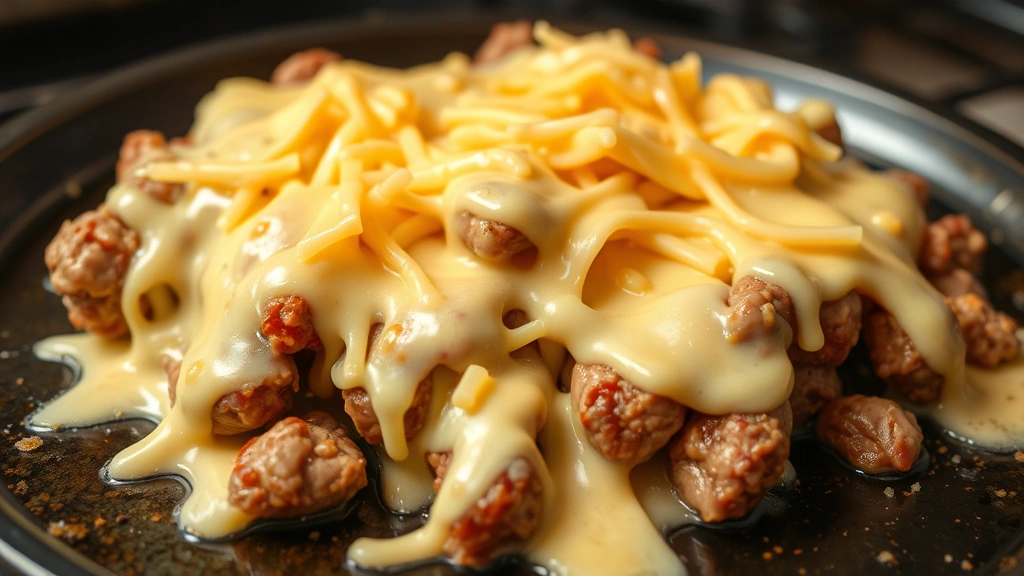
Cheese application timing makes the difference between melted perfection and clumpy disappointment. Just as your beef finishes cooking and is broken into bite-sized pieces, create a small mound in the center of your cooking surface. Immediately add your cheese directly onto this hot beef. The residual heat will begin melting the cheese instantly, and the meat’s moisture will help distribute it evenly.
If using Cheez Whiz, apply it while the beef is still actively cooking—the sauce-like consistency requires heat to flow and coat properly. Provolone and American cheese need slightly different timing: add them just as the beef finishes cooking, then cover the skillet with a lid or foil for 20-30 seconds to trap steam and accelerate melting. This steaming creates a creamy, cohesive cheese layer rather than separate cheese pieces scattered throughout.
Some cooks prefer mixing the cheese into the beef thoroughly, while others keep it more distinct. Both approaches work—it’s personal preference. The key is ensuring the cheese melts completely and coats the beef adequately. You should have a rich, creamy mixture with no visible unmelted cheese pieces. The cheese acts as a binder, creating the signature creamy, cohesive texture that separates a proper Philly cheese steak from a basic beef sandwich.
Building Your Flavor Layers
Caramelized onions are non-negotiable for authentic flavor. Slice your onion into thin half-moons and cook them separately in a skillet with a tablespoon of oil and a pinch of salt over medium heat for 12-15 minutes, stirring occasionally. They should turn deep golden brown and develop sweet, complex flavors. Many home cooks rush this step, but true caramelization requires patience—you’re not sautéing, you’re slowly breaking down the onion’s natural sugars into rich, concentrated sweetness.
Bell peppers are optional but traditional, particularly in some Philadelphia neighborhoods. If including them, slice them into thin strips and cook them alongside the onions, adding them halfway through the onion cooking process. They should be tender but still slightly firm, not mushy. Some vendors skip peppers entirely, so feel free to exclude them if you prefer a purely beef-and-cheese experience.
Condiment choices matter significantly. The traditional approach involves creating custom sauces rather than relying on commercial options. A simple Mayo mixed with ketchup and Worcestershire sauce creates a flavorful spread. Some prefer mayo alone, others enjoy mustard. These should be applied to the toasted bread before adding the beef mixture, creating a flavor foundation that prevents the sandwich from tasting one-dimensional.
Final Assembly and Toasting
Your hoagie roll selection impacts the entire experience. Choose a roll with a crispy exterior and soft interior—too soft and it disintegrates under the weight and moisture of the filling, too hard and it’s difficult to eat. Many bakeries sell proper hoagie rolls that are superior to grocery store options. If possible, buy rolls the same day you’re cooking and store them at room temperature, not in the refrigerator where they dry out.
Slice your hoagie roll lengthwise and lightly toast the cut sides under a broiler or in a toaster oven for 1-2 minutes. This serves multiple purposes: it creates a slight crust that resists moisture absorption, it warms the bread throughout, and it adds subtle toasted flavor that complements the beef and cheese. Don’t overdo the toasting—you want golden color, not dark brown or burnt edges.
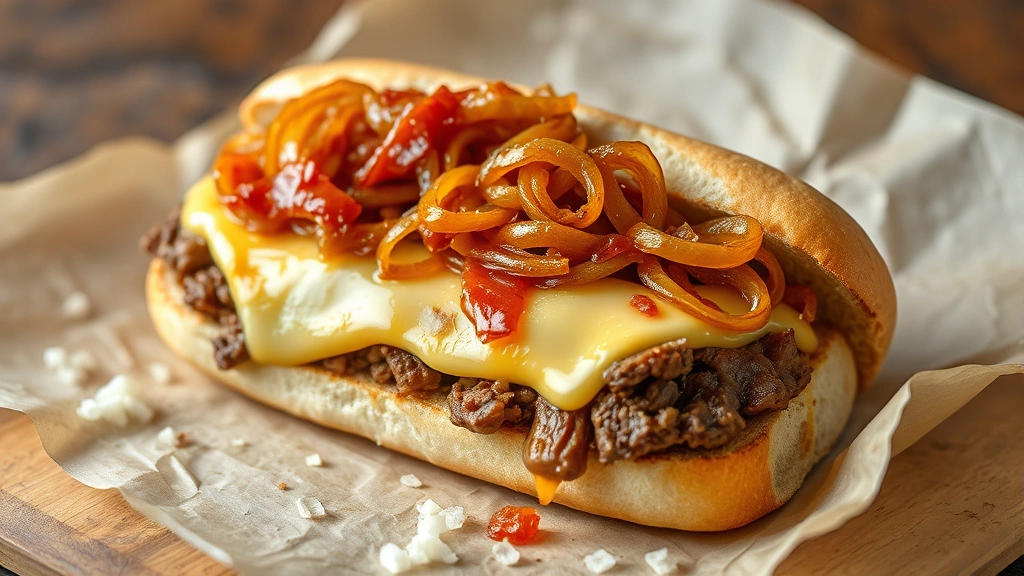
Spread your chosen condiment on the toasted bread. Add the hot beef and cheese mixture immediately while it’s steaming hot, piling it generously into the roll. Top with caramelized onions (and peppers if using). Serve immediately while everything is hot. The contrast between the warm, creamy filling and the crispy-exterior, soft-interior bread is what makes this sandwich transcendent.
Proven Flavor Variations
While the classic version remains supreme, several proven variations expand your Philly cheese steak repertoire. The Italian Stallion adds sliced roasted red peppers and fresh mozzarella instead of traditional cheese, creating a lighter, more Mediterranean flavor profile. The Mushroom Steak incorporates sautéed mushrooms cooked with the onions, adding earthy umami depth that pairs beautifully with provolone cheese.
The Spicy Steak involves adding jalapeño slices and a dash of hot sauce to the beef mixture, finished with pepper jack cheese instead of traditional varieties. For those interested in pickling techniques, pickled jalapeños offer superior flavor control compared to fresh peppers. The Barbecue Steak tops the beef mixture with crispy bacon and a light barbecue sauce, creating a fusion approach that appeals to those who enjoy smokier, more complex flavors.
The Cheesesteak Hoagie transforms the sandwich into a full meal by adding lettuce, tomato, and pickles to create a more salad-like experience. This variation works best with a slightly larger roll and lighter cheese application to avoid overwhelming the fresh vegetables. Each variation maintains the core cooking technique while exploring different flavor combinations.
FAQ
Can I make Philly cheese steaks ahead of time?
The beef and onion components can be prepared ahead and refrigerated separately for up to 2 days. However, the sandwich must be assembled fresh—reheating pre-assembled sandwiches results in soggy bread and separated cheese. Reheat the beef mixture gently in a skillet before assembling.
What’s the best way to cook for multiple people?
Prepare your beef and onions in batches rather than all at once, which prevents overcrowding and ensures each batch develops proper crust. Keep finished beef warm in a low oven (200°F) while preparing subsequent batches. Toast bread just before assembly to maintain texture.
Is there a vegetarian version?
Substitute the beef with a combination of sautéed mushrooms, caramelized onions, and roasted peppers. Use a hearty mushroom variety like portobello or cremini, sliced thin and cooked over high heat to develop browning and concentrated flavors. The cheese becomes the primary protein component.
What cheese really is most authentic?
Cheez Whiz remains the most traditionally authentic choice used by original Philadelphia vendors. However, many modern versions use provolone or American cheese. The choice between them is personal preference rather than authenticity—all three create valid, delicious versions.
How do I prevent a soggy sandwich?
Toast your bread to create a moisture barrier, apply condiments sparingly, and assemble immediately before serving. Keep the beef mixture relatively dry by draining excess liquid before adding cheese. Avoid letting the sandwich sit before eating.
Can I use a different cut of beef?
Ribeye and sirloin work best due to their marbling and tenderness. Flank steak or skirt steak can work if sliced very thin and cooked quickly, but they’re chewier. Avoid lean cuts like tenderloin, which lack flavor and become tough when cooked at high heat.


