Ambiguous Recipe Amounts? Baking Expert Explains How to Decode Unclear Measurements
Recipe ambiguity can derail even the most confident home baker. Whether you’re staring at “a pinch” of salt, “a handful” of flour, or “to taste” instructions, unclear measurements create frustration and inconsistent results. As a professional baker and recipe developer, I’ve encountered countless recipe variations that leave readers confused about exact quantities. This guide breaks down the most common ambiguous recipe amounts and teaches you how to interpret them like a pro.
Understanding vague measurements is crucial for baking success because precision matters. Unlike cooking, where you can adjust flavors and textures as you go, baking relies on chemical reactions between ingredients. A tablespoon too much baking soda can ruin an entire batch of cookies. By learning to decode ambiguous language and convert it to precise measurements, you’ll transform confusing recipes into reliable, repeatable results.
Common Ambiguous Recipe Terms Explained
Every baker encounters mysterious measurements that seem designed to confuse. The most frequent culprits appear in older recipes, regional variations, and casual cooking blogs. Understanding what these terms actually mean is your first step toward recipe clarity.
“A pinch” or “a dash” represents one of the most ambiguous measurements in cooking. Technically, a pinch is what you can hold between your thumb and forefinger—roughly 1/16 teaspoon. However, pinch sizes vary dramatically depending on hand size and how much you actually squeeze. A dash is similarly vague, typically meaning less than 1/8 teaspoon. For baking, convert these to 1/16 teaspoon or less, measured precisely with measuring spoons rather than your fingers.
“A handful” or “a palmful” creates particular problems in baking. These measurements assume everyone’s hands are the same size, which they aren’t. A handful of flour might mean 2-3 cups depending on how tightly you pack it and how large your hand is. When you see this in vintage grandma recipes, research the specific dish to determine standard amounts. Generally, one handful equals roughly 1/2 to 1 cup of dry ingredients.
“To taste” or “season to preference” indicates the recipe developer didn’t specify exact amounts. This language typically appears with salt, pepper, and spices. For baking, this is problematic because salt and spices affect both flavor and chemical reactions. Start with 1/4 teaspoon of salt per cup of flour, then adjust upward in 1/8 teaspoon increments if needed.
“A knob” or “a piece” of butter or other ingredients creates confusion. A knob typically means a piece about the size of a walnut—roughly 1 tablespoon. A piece could mean anything from 1 tablespoon to 1/4 cup. Always measure precisely instead of guessing, especially in baking where butter ratios determine texture.
“Some” or “a bit of” suggests adding ingredients until something “looks right.” This vague language requires you to understand the recipe’s goals. If a recipe says add “some flour,” you’re building dough to a specific consistency. Reference point descriptions like “until the dough comes together” help clarify what you’re aiming for.
Traditional Volume Measurements vs Modern Weight
The ambiguity problem intensifies when comparing volume measurements (cups, tablespoons) to weight measurements (grams, ounces). Professional bakers worldwide have shifted to weight-based measurements because they’re infinitely more precise and eliminate the ambiguity plaguing home recipes.
Volume measurements create inconsistency because how you fill a measuring cup matters enormously. Scooping flour directly from the bag compacts it, giving you 150-160 grams per cup. Spooning flour into the cup and leveling gives you 120-130 grams per cup. The same measuring cup yields different amounts depending on technique. This explains why some recipes work perfectly while others fail mysteriously.
Weight measurements solve this problem entirely. 200 grams of flour is always 200 grams, regardless of how you load the scale. When converting almond flour recipes or other specialty ingredients, weight becomes even more critical because these ingredients have different densities than all-purpose flour.
Standard conversions help bridge volume and weight:
- All-purpose flour: 1 cup = 120-130 grams (spoon and level method)
- Sugar (granulated): 1 cup = 200 grams
- Butter: 1 tablespoon = 14 grams, 1 cup = 225 grams
- Eggs: 1 large egg = 50 grams
- Baking powder: 1 teaspoon = 5 grams
- Salt: 1 teaspoon = 6 grams
Professional recipe developers increasingly include both measurements. When recipes lack weight measurements, healthy dessert recipes especially benefit from conversion to grams because reduced-fat ingredients have different densities than their full-fat counterparts.
Converting Vague Amounts to Precise Measurements
Converting ambiguous measurements requires detective work and understanding recipe chemistry. Different ingredients need different approaches because their purposes vary.
For salt and spices: These ingredients affect flavor exponentially—a little more has dramatic impact. Start with standard amounts: 1/4 teaspoon salt per cup of flour, 1/2 teaspoon vanilla extract per 2 cups flour, 1 teaspoon cinnamon per 3 cups flour. Taste your batter (if safe) or bake a small test batch before making the full recipe. This approach works well for Greek yogurt recipes where flavor balance is crucial.
For leavening agents: Baking soda and baking powder directly affect rise and structure. Never guess these amounts. Standard ratios: 1/4 teaspoon baking soda per 1 cup flour, 1-2 teaspoons baking powder per 1 cup flour. Too much creates a metallic taste and dense crumb; too little yields flat results.
For fats: Butter, oil, and other fats create texture and moisture. When recipes say “a knob” or “some oil,” start with 2-4 tablespoons per 2 cups flour. Research similar recipes to find the standard ratio. The difference between 3 tablespoons and 1/2 cup butter dramatically changes cookie texture.
For flour and dry ingredients: Always use the spoon-and-level method for volume measurements, or better yet, weigh everything. One cup of flour varies by 20-40 grams depending on how you measure. For healthy chicken recipes that use flour for coating or thickening, consistency matters less, but in baking, precision is non-negotiable.
For liquid ingredients: These are typically least ambiguous, but “a splash” or “until it looks right” still appears. Start with 1/4 cup and add more gradually. Dough and batter consistency should match reference descriptions: cookie dough should be thick enough to hold its shape, cake batter should pour easily but not be runny.
Regional and Historical Recipe Variations
Understanding why recipes are ambiguous requires examining their origins. Many classic recipes came from oral tradition, where experienced cooks didn’t need measurements because they understood ingredient behavior intuitively. When these recipes were finally written down, ambiguity was inevitable.
Different countries developed different measurement systems. British recipes use different cup sizes than American recipes. European bakers rely on weight measurements that American home bakers rarely use. A recipe calling for “a cup of flour” means different things in London, New York, and Sydney.
Vintage recipes pose particular challenges because ingredients themselves have changed. Flour milled 50 years ago had different protein content and moisture than modern flour. Butter was sometimes softer, eggs sometimes larger. A recipe that worked perfectly in 1960 might need adjustment today. When adapting healthy crockpot recipes or vintage formulations, research the original source and read reviews from people who’ve made it recently.
Regional variations create additional confusion. “Scone” recipes in Britain look completely different from “biscuit” recipes in the American South, yet people use these terms interchangeably. Understanding regional context clarifies ambiguous measurements.
Tools and Techniques for Accurate Baking
Modern tools eliminate ambiguity and make interpreting unclear recipes easier. Investing in proper equipment transforms your baking consistency.
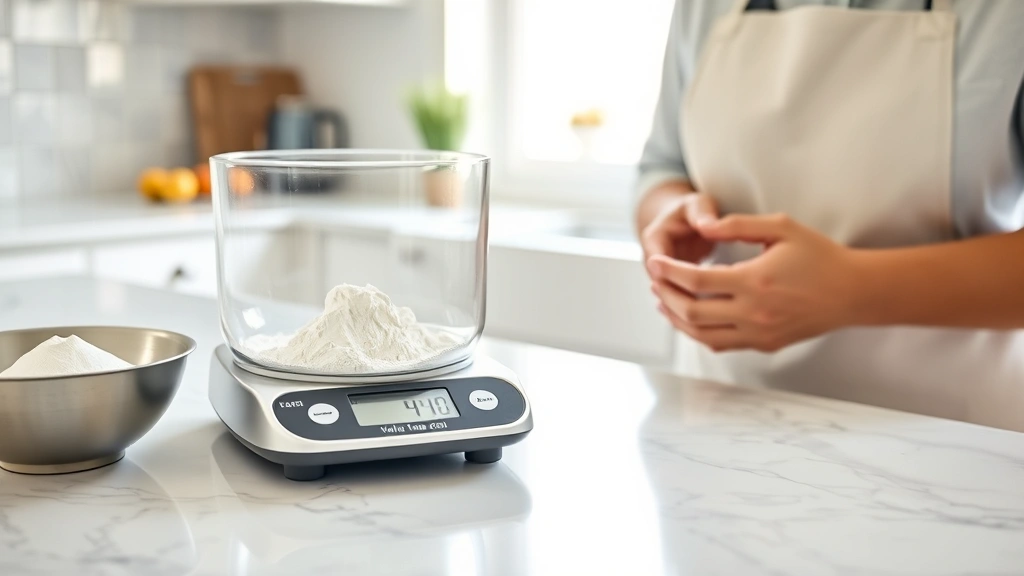
Digital kitchen scale: This is the single most important tool for eliminating ambiguous measurements. A basic digital scale costs $15-30 and measures in both grams and ounces. Weigh all ingredients for professional results. Many recipes now include gram measurements specifically because scales are so common.
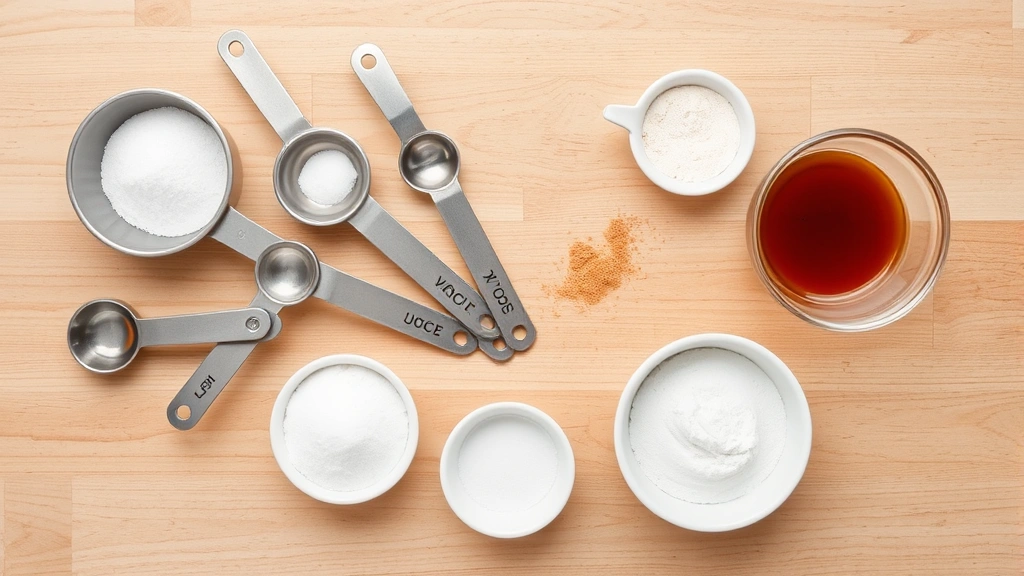
Measuring spoon set: Invest in quality measuring spoons with clearly marked sizes. Measure dry ingredients by spooning into the spoon and leveling with a knife. Never pack spoons unless the recipe specifically says to.
Measuring cup set: Use dry measuring cups for dry ingredients and liquid measuring cups (with spouts) for liquids. Fill dry cups to the brim and level with a knife. For liquids, place the cup on a flat surface and read at eye level.
Thermometer: Oven temperature variations cause many baking failures. An oven thermometer reveals whether your oven runs hot or cold. Adjusting temperature accordingly prevents burning and underbaking.
Reference guides: Keep a conversion chart handy. External resources like King Arthur Baking Company provide detailed conversion charts and ingredient information. Serious Eats offers science-backed baking explanations. Cook’s Illustrated specializes in recipe testing and clarity.
When Ambiguity is Actually Intentional
Interestingly, some recipe ambiguity is deliberate and helpful. Understanding when vagueness serves a purpose prevents you from over-correcting.
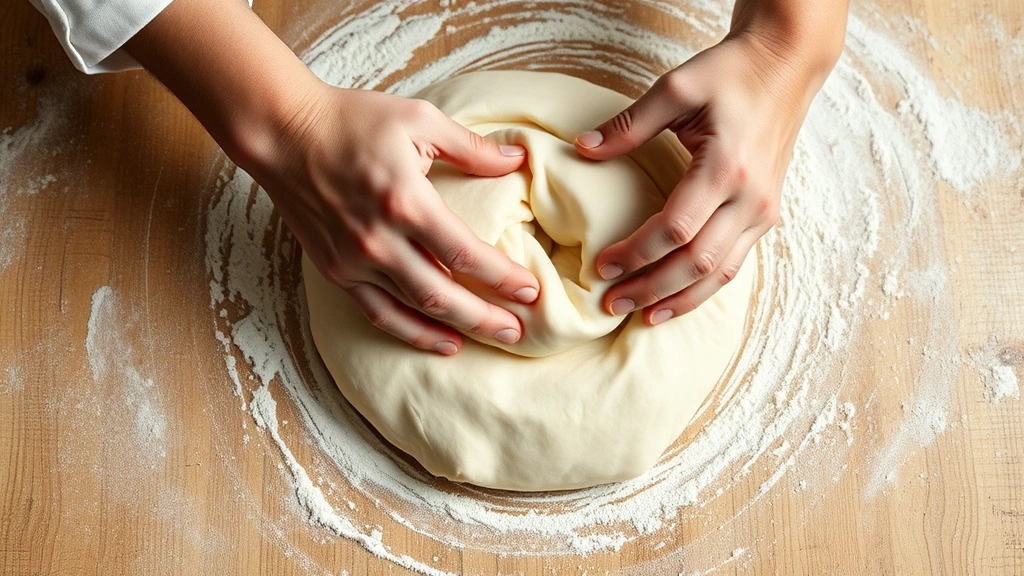
Dough consistency descriptions: Rather than precise amounts, recipes sometimes describe desired consistency: “until the dough comes together,” “until it resembles breadcrumbs,” or “until smooth and elastic.” These descriptions matter because humidity, flour protein content, and other variables mean exact amounts don’t always work. Learning to recognize proper consistency by sight and feel makes you a better baker than rigidly following measurements.
Taste-based seasoning: Salt and spices genuinely warrant “to taste” instructions because preferences vary. Start with standard amounts, then adjust based on your palate. This approach respects individual preferences while providing a starting point.
Flexibility in minor ingredients: When recipes say “or to preference” for vanilla extract, almond extract, or other flavorings, this flexibility is intentional. These ingredients don’t affect chemical reactions—only flavor. Adjust freely based on taste.
Mix-in amounts: Chocolate chips, nuts, and other mix-ins often have flexible amounts. The recipe works with 1 cup or 2 cups of chocolate chips; you’re choosing based on preference, not chemistry.
FAQ
What does “ambiguous recipe amount” mean in a crossword puzzle?
Crossword puzzles often feature clues about recipe measurements. Common answers include PINCH, DASH, SMIDGE, TOUCH, TINGE, HINT, and DOLLOP. These all represent vague measurements that appear in recipes.
How do I convert old recipes with unclear measurements?
Research similar modern recipes to find standard amounts, then test your adapted version with a small batch. Read online reviews of the original recipe—people often mention specific measurements that worked for them. Use conversion charts to translate between measurement systems.
Should I always use weight measurements instead of volume?
For baking, weight is superior to volume because it’s more accurate. However, volume measurements work fine if you use proper technique: spoon and level for dry ingredients, measure liquids at eye level. The most important factor is consistency—use the same method every time you make a recipe.
Why do some recipes have different measurements in different sources?
Recipes evolve as they’re shared and adapted. Different sources may have tested and adjusted the original recipe. Always check multiple versions and read reviews to find the most reliable source.
How can I tell if a recipe source is reliable?
Look for recipes that include both volume and weight measurements, provide detailed instructions, include photos of the finished product, and have numerous positive reviews from actual bakers. Professional recipe developers and culinary schools produce more reliable recipes than casual blogs.
What’s the best way to learn proper baking measurements?
Take a baking class from a certified instructor, study recipes from reputable sources like King Arthur Baking Company, and practice repeatedly with the same recipe. Each time you bake, you’ll develop better intuition for proper consistency and amounts.


