Arayes Recipe: Authentic Lebanese Delight
Arayes represent one of the most beloved street foods of Lebanon, a handheld treasure that combines seasoned ground meat with soft, pillowy pita bread. This iconic dish has graced Lebanese tables for generations, earning its place as a staple in Middle Eastern cuisine. The beauty of arayes lies in its simplicity—quality ingredients prepared with care and cooked to golden perfection on a griddle or skillet.
What makes arayes truly special is the method of preparation. Unlike traditional meatballs or kebabs, the meat mixture is stuffed directly inside pita bread, creating a portable pocket of flavor that’s crispy on the outside and succulent within. Whether you’re looking for an easy dinner recipe for beginners or a crowd-pleasing appetizer, this arayes recipe delivers authentic taste without complexity.
The magic happens when you understand the proper technique—selecting the right pita, preparing the meat mixture with aromatic spices, and achieving that perfect golden crust. Once you master this authentic Lebanese arayes recipe, you’ll find yourself making it regularly for family meals and entertaining guests.
Essential Ingredients for Authentic Arayes
Creating authentic arayes begins with understanding each ingredient’s role in building layers of flavor. The foundation starts with quality ground meat—traditionally lamb, though beef or a combination works beautifully. The meat should be freshly ground with adequate fat content (around 20%) to keep the filling moist and flavorful during cooking.
For the meat filling:
- 1 pound ground lamb or beef (or 50/50 mixture)
- 1 medium onion, finely minced
- 3 tablespoons fresh parsley, finely chopped
- 2 tablespoons fresh mint, finely chopped
- 1 tablespoon pine nuts, finely chopped (optional but traditional)
- 1 teaspoon ground cumin
- 1/2 teaspoon ground coriander
- 1/4 teaspoon cayenne pepper
- 1/4 teaspoon black pepper
- 1/2 teaspoon sea salt (adjust to taste)
- 1/4 teaspoon ground allspice
- 2 cloves garlic, minced
- 1 tablespoon pomegranate molasses (optional, adds authenticity)
For assembly and cooking:
- 4-6 pocket pita breads (preferably thick, fresh pitas)
- 2 tablespoons olive oil for cooking
- Salt and pepper for seasoning
The spice blend is crucial—these aromatic seasonings create the distinctive Middle Eastern flavor profile that makes arayes unmistakable. Each spice contributes depth: cumin adds earthiness, coriander brings subtle sweetness, and allspice ties everything together with warm complexity.
Step-by-Step Preparation Guide
Proper preparation ensures your arayes filling is perfectly seasoned and textured. This stage determines the overall quality of your finished dish, so take time to execute each step carefully.
Step 1: Prepare Your Ingredients
Begin by mincing your onion as finely as possible—this ensures even distribution throughout the meat and prevents large chunks that could tear the pita. Finely chop the fresh parsley and mint; freshness matters significantly here, as these herbs provide brightness that distinguishes authentic arayes. If using pine nuts, chop them finely to distribute evenly without overwhelming any single bite.
Step 2: Combine the Meat Mixture
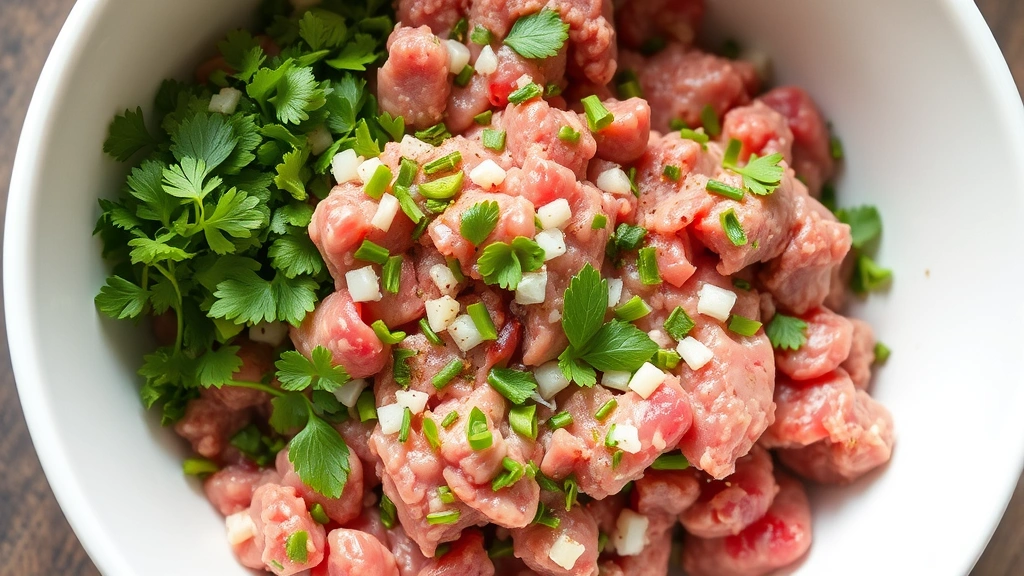
Place your ground meat in a large mixing bowl. Add the minced onion, chopped herbs, pine nuts, and all spices. Using your hands (clean hands work best), gently combine the ingredients until just mixed. Avoid overmixing—this develops gluten in the meat and creates a dense, tough texture. You want a mixture that holds together but remains light and tender. The meat should be evenly colored with herb flecks distributed throughout.
Step 3: Taste and Adjust
This is essential. Take a small portion (about a teaspoon) and cook it quickly in a hot skillet. Taste it and adjust seasonings. The filling should be well-seasoned but not overly salty. If it tastes bland, increase cumin and coriander. If it needs brightness, add more pomegranate molasses or a squeeze of fresh lemon juice.
Step 4: Prepare the Pita Breads
Gently separate the pita pocket by carefully opening the natural seam. Work gently to avoid tearing. If your pitas are thick, you may need to gently open them wider. Traditional arayes use thick pitas that can hold substantial filling without tearing during cooking.
Cooking Method: Achieving Perfect Results
The cooking technique transforms your filling from raw to golden and delicious. This is where arayes develop their signature crispy exterior and juicy interior.
Filling the Pitas
Spoon approximately 2-3 tablespoons of filling into each pita pocket. Don’t overstuff—the filling should fit comfortably without bursting through the bread. Use a spoon to press the filling gently into the pocket, ensuring it distributes evenly. Slightly overfilled arayes are acceptable as long as the bread can contain the filling during cooking.
Cooking on a Griddle or Skillet
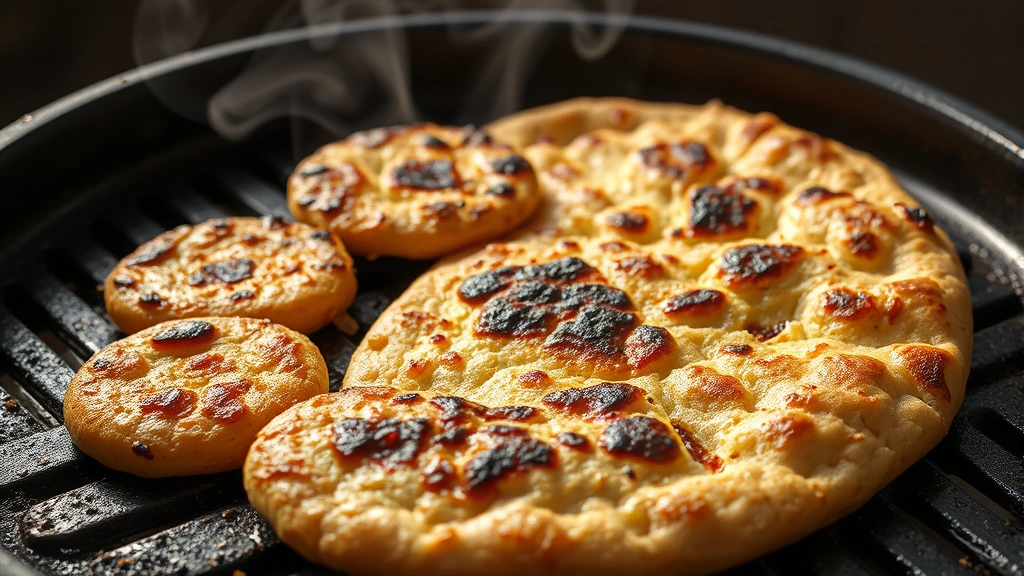
Heat a large cast-iron skillet or griddle over medium-high heat. Once hot, add olive oil—you want enough to coat the cooking surface but not so much that the arayes become greasy. Carefully place filled pitas on the hot surface. You should hear an immediate sizzle, indicating proper temperature.
Cook for 3-4 minutes on the first side without moving them. This allows the bread to develop a golden crust and the meat to begin cooking through. Flip carefully using a wide spatula—flip only once to maintain structural integrity. Cook the second side for another 3-4 minutes until golden brown and crispy.
Testing for Doneness
The pita should be golden brown and crispy, with slight char marks. Gently press the filled pita—if it feels firm and warm throughout, the meat is cooked. You can also insert a meat thermometer into the filling to verify it reaches 160°F (71°C) for beef or 165°F (74°C) for poultry if you’re adding chicken to your filling.
Resting Period
Transfer cooked arayes to a plate and let them rest for 1-2 minutes. This allows the filling to set slightly and makes them easier to handle without burning your mouth on hot meat.
Serving and Pairing Ideas
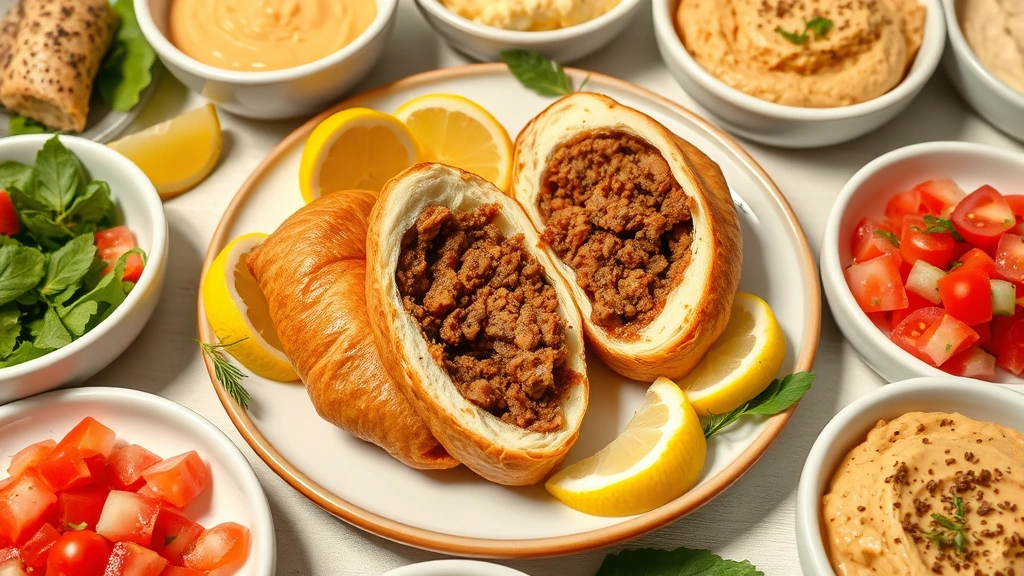
Arayes shine when served with complementary accompaniments that enhance their flavors. In Lebanon, these are traditionally served as street food or appetizers, often accompanied by simple but flavorful sides.
Classic Accompaniments:
- Tahini sauce—creamy sesame paste mixed with lemon juice and garlic
- Tomato and cucumber salad—fresh, cooling contrast to the warm filling
- Pickled vegetables—traditional turnips, onions, or mixed pickles
- Fresh lemon wedges—squeeze over the warm arayes for brightness
- Hummus—serve on the side for dipping
- Plain yogurt—cooling and traditional
For a complete meal experience, pair arayes with other easy dinner recipes from your repertoire, such as tabbouleh salad or fattoush. If you’re exploring healthy food recipes with chicken breast, consider making chicken arayes as a lighter variation.
Beverage Pairings:
Serve arayes with fresh mint lemonade, traditional Lebanese yogurt drinks (ayran), or simply ice-cold water with lemon. These drinks cleanse the palate between bites and complement the rich, spiced meat filling beautifully.
Delicious Variations to Explore
While traditional lamb arayes hold special place in Lebanese cuisine, numerous variations allow you to adapt this recipe to different preferences and dietary needs.
Chicken Arayes
Ground chicken offers a lighter alternative. Use the same spice blend but consider adding a bit more moisture—perhaps a tablespoon of yogurt mixed into the filling. Chicken arayes work wonderfully if you’re exploring healthy food recipes with chicken breast. The cooking time remains the same, but verify the internal temperature reaches 165°F.
Seafood Arayes
For an interesting twist, try using finely minced white fish or shrimp. Mix with the same aromatics but reduce cooking time slightly to 2-3 minutes per side to prevent overcooking delicate seafood. This variation connects beautifully with best seafood recipes in your collection.
Vegetarian Version
Finely chop mushrooms, walnuts, and chickpeas, then combine with all the aromatic ingredients. The earthiness of mushrooms and nuttiness of walnuts create a satisfying filling that mimics the texture of meat while remaining plant-based.
Spice Level Adjustments
Prefer milder flavors? Reduce cayenne pepper to 1/8 teaspoon. Love heat? Add 1/2 teaspoon of Aleppo pepper or increase cayenne. Some cooks add fresh jalapeños for modern heat with authentic Middle Eastern spicing.
Herb Variations
While parsley and mint are traditional, experiment with cilantro or dill. Lebanese cooks sometimes add pomegranate seeds to the filling for bursts of tartness and texture.
Storage and Reheating Instructions
Arayes are best enjoyed immediately after cooking, but proper storage extends their enjoyment.
Refrigerator Storage
Store cooked arayes in an airtight container for up to 2 days. The bread may become slightly softer, but the filling maintains excellent flavor. Reheat in a skillet over medium heat for 2-3 minutes per side until warmed through and the bread regains some crispness.
Freezing Raw Filling
Prepare the meat filling and freeze in an airtight container for up to 3 months. When ready to use, thaw overnight in the refrigerator, then fill and cook as directed. This makes arayes convenient for quick meals.
Freezing Cooked Arayes
Cooked arayes can be frozen for up to 2 months. Wrap individually in plastic wrap, then place in a freezer bag. Reheat from frozen in a 350°F oven for 12-15 minutes, covered with foil to prevent excessive browning. Alternatively, thaw overnight and pan-fry until crispy.
Make-Ahead Preparation
Prepare filled (uncooked) arayes up to 4 hours ahead. Cover with a damp cloth and refrigerate. Cook just before serving for best texture and flavor. This approach works perfectly when entertaining, as you can focus on other dishes while these cook in minutes.
FAQ
What’s the difference between arayes and regular meatballs?
Arayes are meat-filled pita bread, while meatballs are individual spheres of meat. Arayes provide a bread component that meatballs lack, creating a complete handheld meal. The cooking method also differs—arayes are pan-fried on a griddle rather than baked or fried individually.
Can I make arayes without pomegranate molasses?
Absolutely. While pomegranate molasses adds authentic tang, you can substitute with lemon juice (1 teaspoon) or omit it entirely. The arayes will still be delicious, though slightly less complex in flavor.
What type of pita bread works best?
Look for thick, fresh pita breads rather than thin ones. Thick pitas hold filling better and develop a superior crust during cooking. Many Middle Eastern markets sell specifically pita breads intended for arayes. If unavailable, standard pocket pitas work, but avoid ultra-thin varieties.
How do I prevent the filling from leaking during cooking?
Don’t overstuff the pita—use 2-3 tablespoons of filling maximum. Ensure the pita pocket is properly opened but not torn. Press filling gently into the pocket rather than forcing it. Finally, avoid flipping too early; wait until the first side is set and crispy before turning.
Is this recipe suitable for meal prep?
Yes, definitely. Prepare the filling up to 2 days ahead and refrigerate in an airtight container. Fill pitas up to 4 hours before cooking. Cook just before serving for optimal texture. This makes arayes perfect for easy dinner preparation.
Can I use a panini press or waffle iron instead of a skillet?
A panini press works well and creates consistent browning. A waffle iron is less ideal as the deep grooves can trap filling. A griddle or cast-iron skillet remains the traditional and most effective method.
What should I serve with arayes for a complete meal?
Serve with fresh salads (tabbouleh or fattoush), hummus, tahini sauce, and pickled vegetables. This creates an authentic Lebanese spread. You could also explore Asian recipes for contrasting side dishes if seeking culinary variety.
How can I adjust the recipe for dietary restrictions?
For gluten-free arayes, use gluten-free pita breads. For dairy-free, simply avoid any dairy-based accompaniments. For lower-fat versions, use lean ground meat and reduce oil slightly. The filling itself contains no dairy, making it naturally adaptable.
Can I make arayes with mixed meat?
Yes, a 50/50 combination of lamb and beef creates wonderful flavor and texture. Some cooks use 60% lamb and 40% beef. Experiment to find your preferred ratio. The blend often offers better flavor than using a single meat type.
What’s the proper way to eat arayes?
Arayes are designed as handheld food. Hold them wrapped in paper or foil to catch drips. Eat while warm, tearing off pieces or eating whole depending on size. They’re traditionally street food, meant to be enjoyed casually while warm and crispy.
Explore more culinary techniques by learning how to make homemade pasta or discovering how to use a pressure cooker for other international dishes. For additional inspiration on Middle Eastern cooking and authentic techniques, visit Cultured Magazine’s food section, explore Serious Eats’ Middle Eastern recipe collection, or reference The Spruce Eats Lebanese cooking guide. For deeper understanding of Middle Eastern spice blends and their culinary history, check Spice Trekker’s spice education resources.
Mastering this authentic arayes recipe opens doors to Lebanese cooking and Middle Eastern cuisine. These golden, meat-filled pita pockets represent centuries of culinary tradition in convenient, delicious form. Whether you’re cooking for family, impressing guests, or exploring international flavors, arayes deliver authentic taste and satisfaction that keep people coming back for more.


