Asian Coleslaw Recipe: Chef-Approved Method for Perfect Crunch
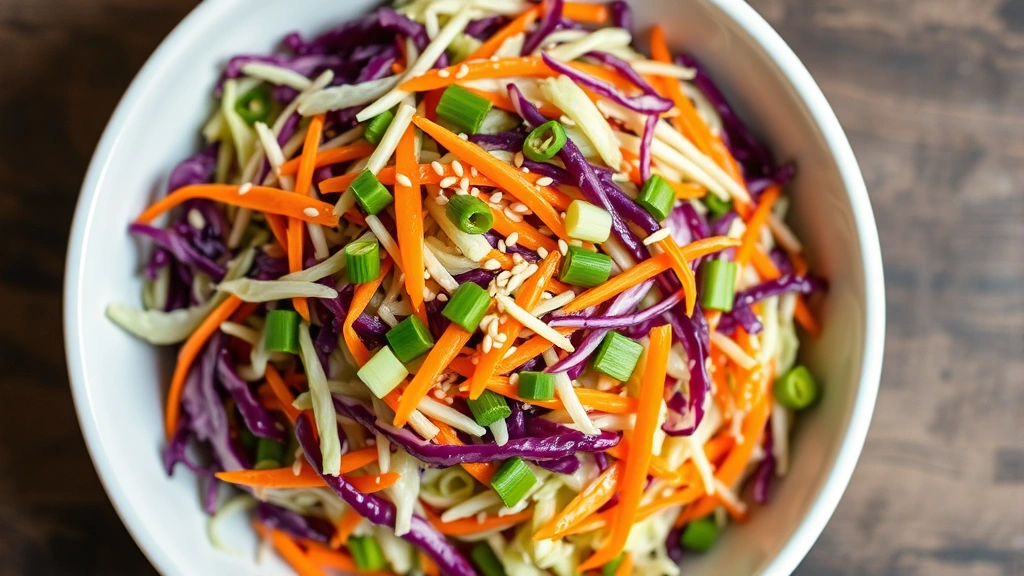
Asian coleslaw represents one of the most versatile and refreshing side dishes in modern cuisine. Unlike traditional Western coleslaws heavy with mayonnaise, this vibrant version combines crisp vegetables with a bright, tangy dressing inspired by Southeast Asian flavors. The beauty of an Asian coleslaw recipe lies in its balance—crisp textures meet bold flavors, making it the perfect complement to grilled proteins, stir-fries, or served as a standalone side.
This chef-approved method focuses on proper knife technique, ingredient selection, and dressing ratios that elevate this simple dish into something truly special. Whether you’re preparing it for a weeknight dinner or entertaining guests, understanding the fundamentals of Asian coleslaw construction will transform your cooking approach. The key differences between standard coleslaw and Asian variations lie in the dressing components—sesame oil, rice vinegar, soy sauce, and fresh ginger create a completely different flavor profile that feels light and sophisticated.
Essential Ingredients for Asian Coleslaw
Building a quality Asian coleslaw recipe starts with selecting the right ingredients. The foundation consists of fresh vegetables that provide both nutritional value and textural contrast. Napa cabbage serves as the primary base—its tender leaves and subtle sweetness make it ideal for this preparation. Unlike green cabbage, napa cabbage has a more delicate texture that absorbs dressing flavors beautifully without becoming mushy.
For the vegetable components, you’ll need:
- Napa cabbage (1 medium head, approximately 2 pounds)—the star ingredient providing bulk and subtle sweetness
- Purple cabbage (1/4 head)—adds color, earthiness, and additional nutritional compounds
- Carrots (2 medium, about 8 ounces)—contribute natural sweetness and beta-carotene
- Green onions (4-5 stalks)—provide mild onion flavor and fresh green notes
- Fresh ginger (1 tablespoon minced)—essential for authentic Asian flavor depth
- Garlic (2 cloves minced)—adds savory complexity
- Sesame seeds (2 tablespoons, preferably mixed white and black)—delivers nutty richness and visual appeal
The dressing requires pantry staples that define authentic Asian flavor: sesame oil (toasted for maximum flavor), rice vinegar (milder than distilled vinegar), soy sauce (low-sodium preferred), and honey or sugar for balance. These components work together to create the characteristic bright, slightly sweet, and umami-rich taste that distinguishes Asian coleslaw from its Western counterparts.
Step-by-Step Preparation Method
Professional preparation begins with thorough vegetable washing and proper organization. Start by rinsing all vegetables under cold running water, gently rubbing cabbage leaves to remove any dirt particles. Pat everything dry with clean kitchen towels—moisture management is crucial for both food safety and dressing absorption.
Step One: Prepare the Cabbage
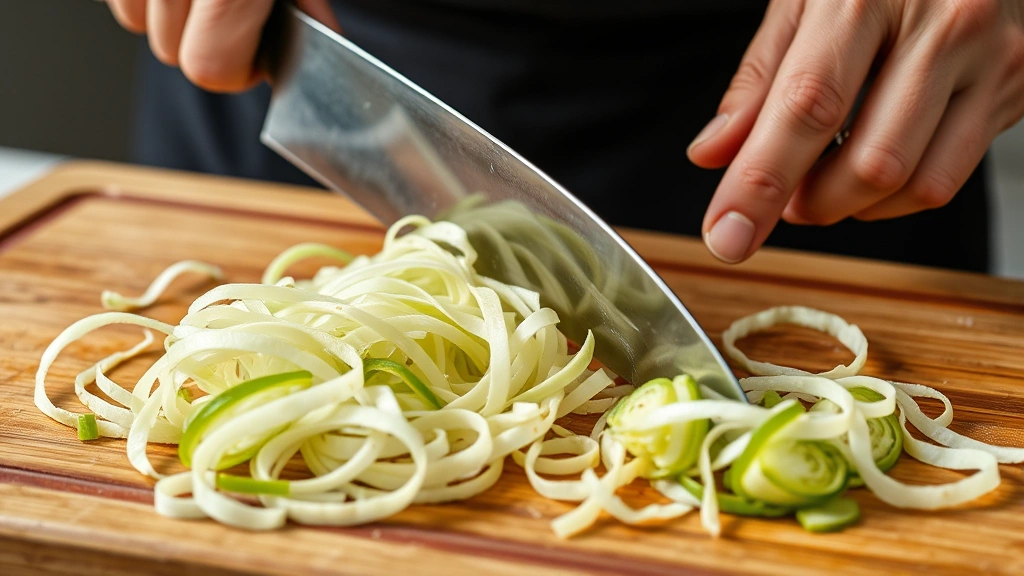
Remove the outer leaves from the napa cabbage and discard any that show bruising or damage. Cut the cabbage in half lengthwise, then place cut-side down on your cutting board. Using a sharp chef’s knife, slice the cabbage into thin ribbons approximately 1/8 inch thick. This thickness provides the ideal balance between delicate texture and structural integrity. Place sliced napa cabbage in a large mixing bowl.
Step Two: Julienne the Carrots
Peel carrots using a vegetable peeler, then cut them into thin matchstick pieces using a knife or mandoline. The goal is uniform sizing for even flavor distribution and consistent texture. Add carrots to the bowl with cabbage. If using a mandoline, exercise caution and use the hand guard to prevent injury—chef safety is paramount.
Step Three: Prepare Remaining Vegetables
Slice the purple cabbage into thin ribbons, similar to the napa cabbage thickness. Slice green onions, separating white parts from green tops—white parts go into the bowl now, while green tops serve as garnish. Mince fresh ginger and garlic finely, ensuring even distribution throughout the slaw.
Step Four: Salt and Rest
Sprinkle 1 teaspoon of kosher salt over the vegetable mixture and toss thoroughly. This crucial step draws out excess moisture from the vegetables while also beginning the flavor-infusion process. Allow the vegetables to rest for 10-15 minutes, during which they’ll release liquid. This resting period is non-negotiable for achieving proper texture.
Creating the Perfect Dressing
The dressing transforms simple vegetables into something remarkable. This is where understanding Asian culinary principles becomes essential. The goal is balancing four fundamental flavor profiles: salty, sour, sweet, and savory (umami).
Dressing Formula:
- 3 tablespoons toasted sesame oil
- 3 tablespoons rice vinegar
- 2 tablespoons low-sodium soy sauce
- 1 tablespoon honey
- 1 tablespoon minced fresh ginger
- 1 clove garlic, minced
- 1 teaspoon lime juice
- 1/4 teaspoon white pepper
- Optional: 1/2 teaspoon sriracha or chili paste for heat
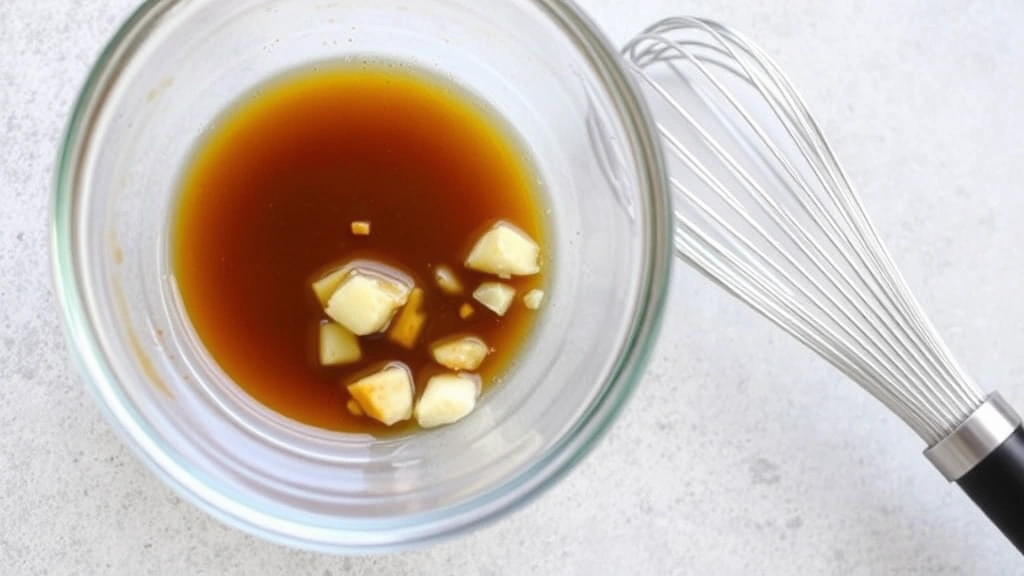
Combine all dressing ingredients in a small bowl and whisk vigorously for 30 seconds until fully emulsified. The sesame oil will initially resist mixing but will gradually incorporate with the other liquids. This emulsification is important for even flavor distribution throughout the coleslaw.
After the vegetables have rested and released liquid, drain excess moisture by placing the vegetable mixture in a colander. Gently press with clean hands to remove additional liquid without crushing the vegetables. Return the drained vegetables to the mixing bowl, then pour the dressing over the mixture.
Toss thoroughly for 2-3 minutes, ensuring every piece of vegetable contacts the dressing. The massage-like motion helps vegetables absorb flavors while developing the characteristic tender-crisp texture. Taste and adjust seasoning—add more soy sauce for saltiness, vinegar for tang, or honey for sweetness based on your preference.
Professional Cutting Techniques
Knife skills directly impact the final dish’s quality. Proper cutting technique ensures uniform cooking (or in this case, dressing absorption) and creates an aesthetically pleasing presentation. This is particularly important when preparing comfort food recipes that rely on visual appeal alongside flavor.
The Claw Grip
When slicing cabbage, use the claw grip to protect your fingertips. Curl your fingers inward, allowing your knuckles to guide the knife blade. This technique prevents accidental cuts and allows for consistent slice thickness. Your knife should rock smoothly through the vegetable with minimal pressure—sharp knives cut more safely than dull ones.
Blade Angle and Thickness
Maintain a 90-degree angle between your knife blade and the cutting board for standard ribbons. For thinner slices that will soften more quickly, angle the blade slightly (approximately 30 degrees). Thicker slices (1/4 inch) create crunchier texture but may feel less refined; thinner slices (1/8 inch) provide better dressing absorption and more delicate mouthfeel.
Julienne Method for Carrots
Begin by cutting carrots into 2-inch lengths. Square off each piece by removing the rounded sides, creating a rectangular block. Then slice lengthwise into thin planks, stack those planks, and cut across to create uniform matchsticks. This method takes practice but produces professional-quality results. Alternatively, use a mandoline fitted with the julienne blade for consistent results with less effort.
Serving and Storage Tips
Asian coleslaw can be served immediately after preparation or prepared ahead for convenience. Healthy chicken recipes often feature coleslaw as an accompaniment, making advance preparation particularly valuable for meal planning.
Immediate Service
For maximum crunch and brightness, serve within 30 minutes of dressing application. Top with sesame seeds and reserved green onion tops just before serving. The coleslaw will be at its textural peak—vegetables still crisp yet fully flavored.
Make-Ahead Preparation
Asian coleslaw actually improves when prepared 4-8 hours in advance. The vegetables continue absorbing flavors while gradually softening to a tender-crisp texture. Prepare the coleslaw without adding sesame seeds or green onion garnish, then cover and refrigerate. Add garnishes just before serving for optimal presentation.
Storage Methods
Store covered Asian coleslaw in the refrigerator for up to 5 days. The dressing acts as a preservative, extending shelf life significantly. After day two, vegetables will soften further and flavors will intensify—some prefer this development while others prefer the initial crispness. Keep the coleslaw in an airtight container to prevent absorption of refrigerator odors.
Serving Suggestions
Asian coleslaw pairs beautifully with grilled chicken, pork, or fish. Use it as a topping for tacos, banh mi sandwiches, or rice bowls. It also works wonderfully alongside breakfast food recipes featuring Asian flavors—serve with congee, rice, or noodle dishes. The bright acidity cuts through rich foods while the crunch adds textural interest to soft preparations.
Flavor Variations and Additions
Once you master the basic Asian coleslaw recipe, explore variations that suit your preferences and available ingredients. The beauty of this dish lies in its flexibility.
Protein Additions
Transform coleslaw into a more substantial dish by adding shredded rotisserie chicken, crispy tofu, or cooked shrimp. Edamame provides plant-based protein and creates textural variety. These additions turn coleslaw from a simple side into a complete meal.
Texture Enhancements
Toast sesame seeds in a dry skillet for 2-3 minutes before adding to coleslaw—this amplifies their nutty flavor significantly. Add crispy chow mein noodles, crushed peanuts, or candied walnuts for additional crunch and richness. Sliced almonds provide subtle sweetness and pleasant texture.
Flavor Modifications
Replace sesame oil with peanut oil for different flavor character. Add lime zest for additional brightness. Incorporate a small amount of miso paste for deeper umami complexity. Experiment with different vinegars—apple cider vinegar creates earthier notes while white vinegar offers sharper tang.
Heat Levels
Adjust spice intensity using sriracha, chili paste, or fresh thai chilies. Start with minimal heat and build gradually—you can always add more but cannot remove excess spice. White pepper provides warmth without the heat of black pepper, staying true to Asian flavor profiles.
Vegetable Substitutions
Red cabbage can replace napa cabbage entirely, though it’s earthier and slightly more assertive in flavor. Bell peppers add sweetness and color. Cucumber provides additional crunch and cooling effect. Daikon radish contributes peppery notes and crisp texture authentic to many Asian cuisines.
FAQ
Can I prepare Asian coleslaw the night before?
Yes, absolutely. Prepare the coleslaw without sesame seed garnish and refrigerate covered. The flavors actually deepen overnight. Add sesame seeds and green onion tops just before serving for optimal presentation and texture contrast.
What’s the difference between toasted and regular sesame oil?
Toasted sesame oil has a deeper, nuttier flavor because the sesame seeds were toasted before pressing. Regular sesame oil is lighter and more delicate. For Asian coleslaw, toasted sesame oil is preferred—it provides authentic flavor. Use sparingly as a little goes a long way.
Why does my coleslaw taste watery?
Excess water dilutes dressing flavors. Ensure you properly salt vegetables and allow them to rest, then drain thoroughly before adding dressing. Use toasted sesame oil rather than regular oil as it has more flavor intensity. Consider reducing rice vinegar by one tablespoon if the dish still seems too liquid.
Can I use regular vinegar instead of rice vinegar?
You can, but rice vinegar’s mild, slightly sweet character is preferred. If substituting, use apple cider vinegar or white vinegar but reduce the amount by 1/2 tablespoon as these are more acidic. Avoid distilled vinegar—it’s too harsh for this application.
How do I keep coleslaw crispy?
Serve immediately after preparing for maximum crispness. If making ahead, the coleslaw will gradually soften—this is normal and many prefer the texture after a few hours. For events requiring crunchy coleslaw, prepare vegetables ahead but add dressing no more than 30 minutes before serving.
Is Asian coleslaw suitable for vegetarian and vegan diets?
The basic recipe is naturally vegetarian. For vegan preparation, ensure sesame oil is certified vegan (most are) and use plant-based honey or maple syrup instead. The dish is naturally free from animal products except for traditional soy sauce—use tamari or coconut aminos for a soy-free option.
What’s the nutritional value of Asian coleslaw?
Coleslaw is nutrient-dense with minimal calories. Cabbage provides vitamins C and K, fiber, and anti-inflammatory compounds. Carrots contribute beta-carotene and additional fiber. Sesame oil provides healthy fats and lignans. A typical serving (1 cup) contains approximately 80-100 calories with significant nutritional value, making it an excellent addition to any meal plan.
Can I make Asian coleslaw in large batches?
Yes, this recipe scales easily. Multiply all ingredients proportionally. When working with large quantities, use a food processor fitted with a slicing blade to cut cabbage more efficiently. Mix in batches if your bowl is small, then combine and dress together. Allow additional time for proper draining when working with larger volumes.


