Best Au Jus Recipe? Chef-Approved Method for Restaurant-Quality Results
Au jus is one of the most elegant yet surprisingly simple sauces in the culinary world. This French classic, meaning “with juice,” transforms simple pan drippings into a rich, savory accompaniment that elevates roasted meats to restaurant-quality status. Whether you’re preparing a prime rib dinner, serving French dip sandwiches, or plating an upscale beef tenderloin, mastering the best au jus recipe is essential for any home cook looking to impress.
The beauty of au jus lies in its simplicity and reliance on quality ingredients and proper technique. Unlike gravy, which uses a roux thickener, authentic au jus remains light and refined, allowing the deep, complex flavors of beef stock and meat drippings to shine through. This guide walks you through everything you need to know to create a chef-approved au jus that restaurant chefs would be proud to serve.
The key to exceptional au jus is understanding the fundamentals: proper stock selection, capturing every drop of flavorful pan drippings, and mastering the balance of seasonings. When you follow this method, you’ll achieve a sauce that’s glossy, deeply flavored, and perfectly suited to accompany your finest meat dishes.
What Is Au Jus and Why It Matters
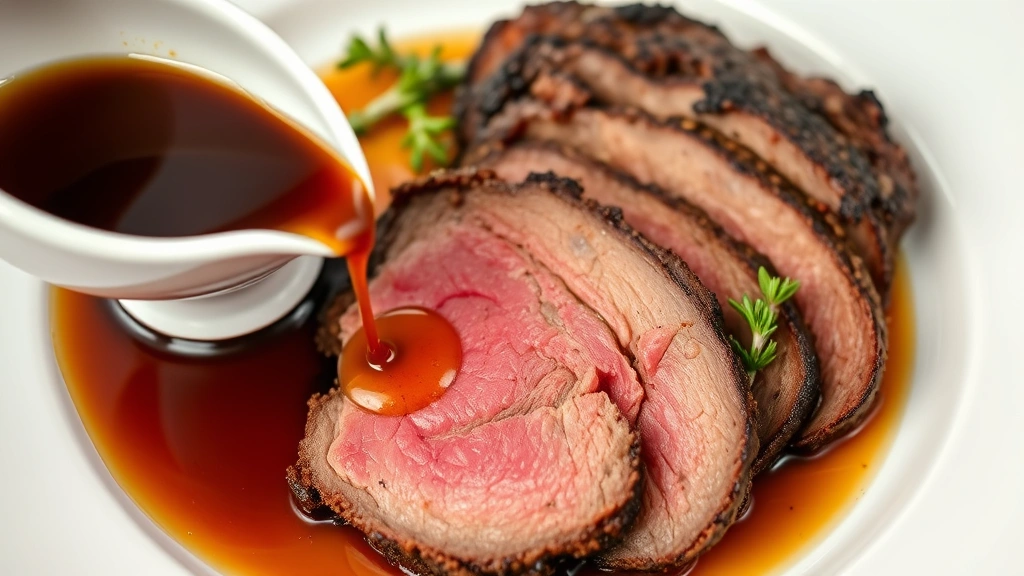
Au jus represents a fundamental technique in French cuisine that every serious home cook should master. The term literally translates to “with juice,” referring to a sauce made from the natural juices released during the cooking process of meat. Unlike gravies that rely on flour-based roux for thickening, authentic au jus maintains its refined, delicate character through careful reduction and the natural gelatin from quality beef stock.
The history of au jus traces back to classical French cooking, where chefs recognized that the flavorful drippings left in a pan after roasting meat were far too valuable to waste. By deglazing the pan with stock and reducing the mixture, they created a sauce that complemented meat without masking its natural flavors. This technique remains a cornerstone of fine dining and is absolutely achievable in your home kitchen.
Understanding the difference between au jus and related sauces is crucial. Gravy typically uses a roux and milk or cream, making it thicker and richer. Jus, by contrast, is leaner and more refined, focusing on the pure essence of meat and stock. When you’re serving premium cuts of beef, au jus is the professional choice that allows the meat to remain the star of the plate.
Essential Ingredients for Perfect Au Jus
Creating an exceptional au jus begins with understanding each ingredient’s role. The ingredient list is intentionally short, which means each component must be of the highest quality. This is where many home cooks stumble—they use inferior stock or skip the essential step of proper meat preparation.
High-Quality Beef Stock
The foundation of any great au jus is quality beef stock. This is not the time to use bouillon cubes or weak store-bought broth. Professional chefs use homemade beef stock made from bones, aromatics, and hours of simmering. If you don’t have homemade stock available, invest in high-quality boxed or frozen stock from reputable brands. The stock should be rich, dark, and deeply flavored—this is where your sauce gets its backbone.
If you’re serious about cooking, consider making your own stock. Roast beef bones with onions, carrots, and celery until deeply caramelized, then simmer for 12-24 hours. Strain carefully and refrigerate. When fat solidifies on top, remove it before using. This homemade stock will elevate every sauce you make. Check out our guide on easy dinner recipes for beginners for more foundational cooking techniques.
Meat Drippings
After roasting your beef, the pan contains liquid gold—the caramelized drippings stuck to the bottom. These fond particles are concentrated flavor bombs that give au jus its characteristic depth. Never waste this by simply pouring it off. Instead, carefully pour off excess fat (leaving about 1-2 tablespoons), then deglaze the pan with your stock, scraping vigorously to dissolve every bit of fond.
Aromatics
A classic au jus includes finely minced shallots and fresh thyme. These aromatics add subtle complexity without overwhelming the delicate balance of the sauce. Some chefs also add a small amount of garlic, though this should be used sparingly to avoid dominating other flavors. A bay leaf can contribute depth, though it should be removed before serving.
Seasoning Elements
Salt, freshly ground black pepper, and a touch of Worcestershire sauce round out the flavor profile. Some chefs add a splash of red wine or cognac for additional complexity. A tiny pinch of fresh rosemary or a single juniper berry (crushed) can add sophistication, though these should be used with restraint.
Step-by-Step Chef-Approved Method
Follow this professional method to create flawless au jus every time:
Step 1: Prepare Your Meat and Roasting Pan
Begin by selecting a quality piece of beef—prime rib, beef tenderloin, or ribeye roast all work beautifully. Season generously with salt and pepper at least 40 minutes before roasting (salting early allows the seasoning to penetrate the meat). Use a heavy-bottomed roasting pan, preferably stainless steel or cast iron, that can withstand stovetop heat. Avoid non-stick pans, as they prevent proper fond development.
Step 2: Roast and Rest Your Meat
Roast your beef at the appropriate temperature until it reaches your desired doneness. The exact time depends on cut and size, but a meat thermometer is essential. Once cooked, transfer the meat to a cutting board and let it rest for 10-15 minutes. This resting period is crucial—it allows juices to redistribute throughout the meat, ensuring moisture retention. During this time, the roasting pan cools slightly and you can begin sauce preparation.
Step 3: Deglaze the Pan
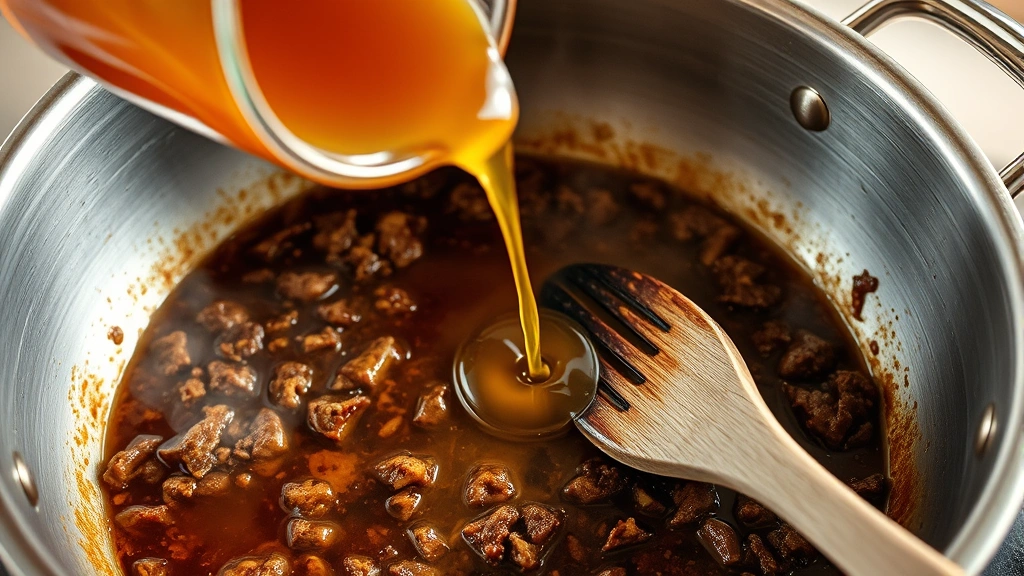
Place your roasting pan directly over medium-high heat. If there’s excessive fat (more than 2 tablespoons), carefully pour some off, leaving the dark, flavorful fond. Add finely minced shallots (about 2 tablespoons) and cook for 1-2 minutes until fragrant. Pour in your beef stock gradually while scraping the pan bottom with a wooden spoon or spatula, dissolving all those precious caramelized bits.
This deglazing step is non-negotiable. The fond contains concentrated meat flavor that cannot be replicated any other way. Scrape thoroughly—you should hear the spatula make contact with the pan bottom repeatedly. If the pan is too hot to handle safely, carefully place it on a stovetop burner and work over medium-high heat.
Step 4: Simmer and Reduce
Once you’ve deglazed the pan, bring the liquid to a gentle simmer. Add a sprig of fresh thyme, a bay leaf, and a pinch of Worcestershire sauce. Allow the mixture to reduce by about one-third, which typically takes 8-12 minutes depending on pan surface area. This reduction concentrates flavors and develops the glossy, luxurious mouthfeel that characterizes excellent au jus.
Watch the sauce carefully during reduction. You want a gentle simmer, not a rolling boil, which can cause uneven evaporation and cloudiness. The sauce should reduce gradually, becoming darker and more intensely flavored as it concentrates.
Step 5: Strain and Season
Carefully strain the sauce through a fine-mesh sieve into a clean saucepan, pressing gently on the solids to extract maximum flavor. Discard the herbs and shallots. Taste the sauce and adjust seasoning with salt, freshly ground black pepper, and a touch more Worcestershire if desired. The sauce should taste rich, beefy, and perfectly balanced—not overly salty.
Step 6: Final Enrichment (Optional)
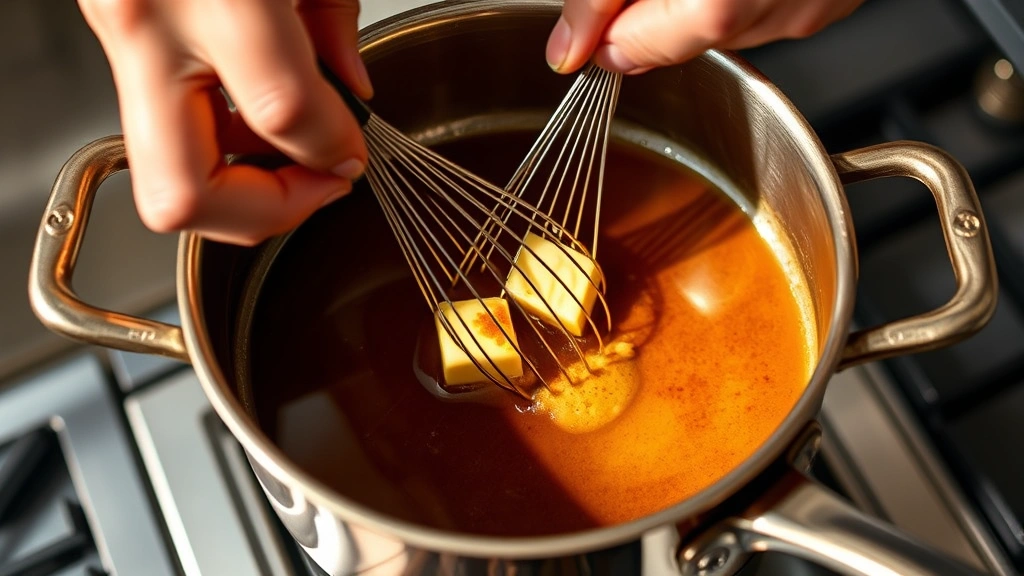
For a silkier, more luxurious mouthfeel, some chefs whisk in a small knob of cold butter (about ½ teaspoon per cup of sauce) just before serving. This technique, called “mounting,” creates an emulsion that coats the palate beautifully. Add butter gradually while whisking constantly, ensuring it incorporates smoothly rather than creating greasy droplets.
Pro Tips for Restaurant-Quality Results
Understanding these professional techniques will elevate your au jus from good to extraordinary:
Temperature Control is Everything
Maintain gentle heat throughout the process. High temperatures can cause the sauce to become cloudy and develop a bitter edge. The ideal sauce should be clear, glossy, and deeply colored. If your sauce looks dull or murky, you’ve likely overheated it or failed to properly skim impurities during reduction.
Use Proper Seasoning Timing
Season your au jus after reduction is complete, never before. As the sauce reduces, flavors concentrate, including salt. Seasoning before reduction often results in an oversalted final product. Taste frequently during the final minutes and adjust incrementally.
Invest in Quality Stock
This cannot be overstated. The difference between excellent au jus and mediocre au jus often comes down to stock quality. Homemade stock made from roasted bones is ideal, but if purchasing, look for brands that list beef as the first ingredient and contain no added thickeners or excessive sodium.
Don’t Skip the Rest Period
Allowing your roasted meat to rest before carving isn’t just about moisture retention—it also allows the pan to cool slightly, making deglazing safer and easier. Use this time productively by beginning your sauce preparation.
Master the Deglaze
The deglazing step makes or breaks your sauce. Add cold or room-temperature stock to the hot pan—the temperature differential helps dissolve the fond more effectively. Scrape continuously with a wooden spoon, ensuring you reach every corner of the pan. This step should take 2-3 minutes of active work.
Strain for Clarity
Always strain your finished sauce through a fine-mesh sieve. This removes any impurities, herb particles, or shallot pieces, resulting in a crystal-clear, refined sauce that looks as professional as it tastes. Line your sieve with cheesecloth for even more refined results if serving at a special dinner.
Variations and Flavor Enhancements
Once you’ve mastered the basic method, these variations allow creative expression while maintaining the sauce’s essential character:
Red Wine Au Jus
After deglazing the pan with stock, add ½ cup of full-bodied red wine (such as Cabernet Sauvignon or Bordeaux) and allow it to reduce by half before adding the remaining stock. This adds complexity and a subtle wine character that complements beef beautifully. The alcohol cooks off completely during reduction.
Cognac or Brandy Version
A splash of cognac added during deglazing creates a sophisticated sauce with subtle warming notes. Use only 2-3 tablespoons, as brandy is potent. Allow it to reduce for 1-2 minutes before adding stock, which helps cook off the harsh alcohol edge while preserving the complex flavors.
Herb-Infused Au Jus
Beyond thyme, experiment with fresh rosemary, sage, or tarragon. Add these herbs during the simmering phase and remove before serving. For a more delicate herb flavor, add fresh herbs just before serving rather than during cooking, which preserves their bright character.
Peppercorn Au Jus
Crush whole peppercorns and add them during reduction for a peppery kick. Allow them to infuse for the full reduction time, then strain them out. This variation pairs exceptionally well with prime rib and steak.
Mushroom Enhancement
Sauté finely chopped mushrooms (cremini or porcini work well) in the pan before deglazing. The umami-rich mushrooms add profound savory depth. This variation is especially suited to beef tenderloin or leaner cuts that benefit from additional richness.
For more insights on ingredient selection, explore our article on foods rich in antioxidants to understand how quality ingredients benefit your cooking.
Common Mistakes to Avoid
Learning from others’ mistakes accelerates your mastery:
Using Weak Stock
This is the most common error. Weak stock produces weak sauce, no matter how perfectly you execute other steps. Always prioritize stock quality. If your finished sauce tastes thin or lacks beef character, the problem likely originates with your stock choice.
Over-Reducing
Reducing too far concentrates flavors to the point of bitterness and creates a syrupy consistency rather than a proper sauce. Aim for about one-third reduction from your starting volume. The sauce should coat the back of a spoon lightly but flow readily.
Oversalting
Adding salt before reduction is a frequent mistake. Remember that as liquid evaporates, salt concentration increases. Season only after reduction is complete, tasting as you go. It’s always easier to add more salt than to remove it.
Skipping the Deglaze
Some cooks simply combine stock with drippings without properly deglazing. The fond stuck to the pan contains irreplaceable flavor. Always deglaze by scraping vigorously with a wooden spoon while gradually adding stock. This step is non-negotiable.
Using Non-Stick Cookware
Non-stick pans don’t develop proper fond, making deglazing impossible. Always use stainless steel, cast iron, or heavy aluminum roasting pans for meat that will be used for sauce preparation.
Forgetting to Rest the Meat
Carving immediately after cooking causes juices to run onto the plate instead of remaining in the meat. Resting also allows the pan to cool slightly, making sauce preparation safer and more manageable. Allow at least 10 minutes for smaller cuts, 15-20 minutes for large roasts.
Failing to Strain
Skipping the straining step results in a sauce with floating herb particles and shallot pieces. Professional presentation demands clarity. Always strain through a fine-mesh sieve, and consider using cheesecloth for special occasions.
Storage and Make-Ahead Options
Au jus is remarkably convenient for advance preparation:
Refrigerator Storage
Properly made au jus keeps in the refrigerator for up to 4 days in an airtight container. The sauce will thicken as it cools due to natural gelatin from the stock. Simply reheat gently over low heat, whisking occasionally, until it reaches serving temperature. Add a splash of stock if the sauce seems too thick.
Freezing for Later
Au jus freezes beautifully for up to 3 months. Pour cooled sauce into ice cube trays, freeze solid, then transfer cubes to freezer bags. This allows you to thaw exactly the amount needed for any meal. Thaw in the refrigerator overnight or reheat gently from frozen over low heat.
Make-Ahead Stock Preparation
Prepare your beef stock days or weeks ahead, then simply reheat when needed for sauce preparation. Having quality stock on hand means you can make exceptional au jus anytime, without waiting for a long cooking process. Store stock in the freezer in convenient portions.
Partially Prepared Sauce
You can complete the deglazing step ahead of time, refrigerating the combined drippings and stock, then finishing the reduction and seasoning just before serving. This approach is convenient when entertaining, as it reduces last-minute stovetop demands.
Reheating Tips
Always reheat au jus gently over low to medium-low heat. High heat can cause the sauce to break or develop off-flavors. Stir occasionally and add a splash of stock if the sauce becomes too concentrated. If you’ve added butter for enrichment, whisk it in again just before serving for optimal mouthfeel.
Consistency Adjustments
If your refrigerated sauce seems too thick, thin it with a small amount of warm beef stock. If it’s too thin, simmer it gently uncovered for a few minutes to reduce further. The goal is a sauce that coats the back of a spoon and flows readily from the gravy boat.
For comprehensive food preservation guidance, check out our article on how to preserve herbs and our guide on food waste reduction tips to minimize waste in your kitchen.
FAQ
Can I make au jus without meat drippings?
While traditional au jus relies on pan drippings for authentic flavor, you can create a reasonable approximation using only beef stock enriched with caramelized onions, mushrooms, and herbs. However, the sauce will lack the depth and complexity that meat drippings provide. For best results, always roast meat and capture those precious drippings.
What’s the difference between au jus and gravy?
The primary difference is thickening method. Au jus relies on reduction and natural gelatin from stock, remaining light and refined. Gravy typically uses a roux (flour and fat) for thickening, creating a heavier, creamier sauce. Au jus is the choice for elegant presentations and fine dining, while gravy suits comfort food applications.
How can I thicken au jus if it’s too thin?
The traditional method is gentle simmering uncovered to reduce and concentrate the sauce further. If you need immediate thickening, whisk together equal parts softened butter and flour to create a beurre manié, then whisk small pieces into the simmering sauce. Alternatively, dissolve cornstarch in cold water and whisk in gradually while simmering. However, these additions change the sauce’s character slightly.
Is au jus the same as beef consommé?
No, though they’re related. Consommé is a clear, highly refined broth made from stock, egg whites, and meat that’s carefully clarified through straining. Au jus is a simpler sauce made from meat drippings and stock. Consommé is more labor-intensive and typically served as a soup, while au jus accompanies roasted meats.
Can I use chicken or vegetable stock for au jus?
For a beef-based dish, beef stock is essential. Chicken or vegetable stock will produce a sauce that lacks the depth and savory character expected from au jus. The stock’s flavor directly translates to the finished sauce, so always match stock to your main protein.
What if my au jus breaks or becomes greasy?
If your sauce separates or appears greasy, it likely overheated or cooled improperly. To salvage it, gently warm it over low heat while whisking constantly. If that doesn’t work, strain it through cheesecloth into a clean pan and begin again, whisking in a small knob of cold butter to create a proper emulsion. For prevention, maintain gentle heat throughout and never allow the sauce to boil vigorously.
Can I make au jus in advance for a dinner party?
Absolutely. Prepare your beef stock days ahead, then make the complete sauce up to 2 days before serving. Refrigerate in an airtight container. Reheat gently over low heat just before service, whisking occasionally. If you’ve added butter enrichment, whisk it in again just before serving. This approach is perfect for entertaining, as it eliminates last-minute stress.
What beef cuts work best for au jus?
Prime rib, beef tenderloin, ribeye roast, and strip roast all produce excellent drippings for au jus. Choose cuts with sufficient marbling (intramuscular fat) that will render during roasting, creating flavorful drippings. Leaner cuts like sirloin work but produce less fond, so you may need to add extra aromatics or mushrooms for depth.
Should I strain au jus before or after reducing?
Strain after reducing and seasoning. This ensures you capture all the reduced, concentrated flavors in your finished sauce. Straining before reduction would result in a thinner sauce that needs further cooking. Always strain as the final step before serving.
How do professional chefs keep au jus glossy and beautiful?
The secret is mounting with cold butter just before service. Whisking in small pieces of cold butter creates a stable emulsion that gives the sauce a silky sheen and luxurious mouthfeel. This technique, combined with proper straining and careful temperature control, creates that restaurant-quality appearance.


