Balsamic Vinaigrette Recipe: Tested & True Method
A great balsamic vinaigrette transforms simple greens into a memorable salad experience. This classic emulsion combines the sweet, tangy depth of aged balsamic vinegar with quality olive oil, creating a dressing that enhances rather than overwhelms. Whether you’re preparing a quick weeknight salad or impressing dinner guests, mastering this fundamental recipe opens doors to countless variations and applications.
The beauty of homemade balsamic vinaigrette lies in its simplicity and versatility. Unlike store-bought versions laden with preservatives and stabilizers, this tested method delivers restaurant-quality results in under five minutes. The key to success involves understanding the proper ratio of acid to fat, the importance of emulsification, and the subtle art of balancing flavors. Once you’ve mastered this foundation, you’ll find yourself reaching for it again and again.
This comprehensive guide walks you through every step, from ingredient selection to troubleshooting common mistakes. You’ll discover why certain ratios work better than others, how to achieve the perfect consistency, and creative ways to customize your vinaigrette for different dishes and dietary preferences.
Essential Ingredients Guide
Creating an exceptional balsamic vinaigrette begins with understanding each ingredient’s role. The foundation rests on just four essential components, though optional additions can elevate the final product. Quality matters significantly here—investing in good ingredients yields noticeably superior results.
Balsamic Vinegar: This is the star ingredient, so choose wisely. Traditional balsamic vinegar from Modena, Italy, offers complex flavors with natural sweetness and acidity. Look for bottles labeled “Aceto Balsamico Tradizionale” for authentic versions, though aged balsamic vinegars work beautifully too. The darker and thicker the vinegar, the more concentrated and sophisticated the flavor profile. For this recipe, use three tablespoons of quality balsamic vinegar. Avoid cheap imitations that contain added sugars and caramel coloring—they’ll result in an overly sweet, one-dimensional dressing.
Extra Virgin Olive Oil: The oil carries and balances the vinegar’s acidity while providing richness and mouthfeel. Extra virgin olive oil, cold-pressed and unrefined, delivers superior flavor compared to regular olive oil. Use one cup of quality extra virgin olive oil. The ratio of one part vinegar to roughly five parts oil creates the classic balance, though personal preference may dictate adjustments. Store olive oil in a cool, dark place to maintain its integrity and prevent oxidation.
Dijon Mustard: One tablespoon of Dijon mustard serves as both a flavor enhancer and an emulsifier. The mustard’s natural emulsifying properties help bind the oil and vinegar together, creating a more stable, cohesive dressing. It also adds subtle complexity and a slight peppery note that complements the balsamic’s sweetness. Regular yellow mustard won’t provide the same sophistication—Dijon is essential.
Garlic & Seasonings: One clove of fresh garlic, minced finely, adds aromatic depth. Sea salt and freshly ground black pepper round out the base seasoning. Start with one-quarter teaspoon of salt and one-eighth teaspoon of pepper, adjusting to taste. Fresh garlic provides superior flavor to garlic powder, though the latter works in a pinch.
Optional Enhancements: A teaspoon of honey or maple syrup amplifies the natural sweetness. A tablespoon of fresh lemon juice brightens the vinegar’s acidity. Dried herbs like oregano or thyme (one-half teaspoon) add complexity. Red pepper flakes introduce gentle heat. Experiment with these additions once you’ve mastered the basic formula.
Step-by-Step Instructions
This method ensures consistent, reliable results every time you make balsamic vinaigrette. The process takes approximately four minutes from start to finish.
Step One: Combine Dry Ingredients
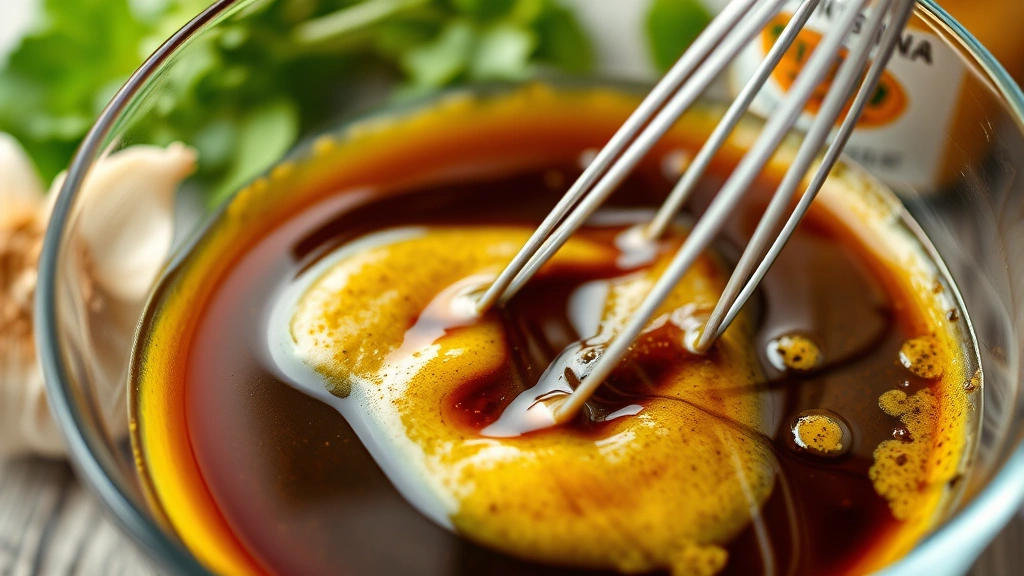
In a medium mixing bowl, combine the minced garlic, Dijon mustard, salt, and pepper. Whisk these ingredients together for about thirty seconds until well combined. This preliminary mixing distributes the seasonings evenly and prevents clumping. The garlic’s natural oils begin releasing, infusing the mixture with aromatic flavor.
Step Two: Add the Acid
Pour the three tablespoons of balsamic vinegar into the bowl with the garlic mixture. Whisk continuously for one minute. This step allows the vinegar to dissolve the salt and incorporate the mustard more thoroughly. The whisking action also begins breaking down the garlic pieces, releasing more of their pungent compounds. You’ll notice the mixture becoming slightly darker as the ingredients combine.
Step Three: Emulsify Slowly
This is the critical step that separates successful vinaigrette from separated, broken dressing. Pour the olive oil into the mixture very slowly—just a thin stream at first—while whisking constantly and vigorously. During the first quarter of the oil addition, whisk with particular intensity. This phase creates the emulsion, where tiny oil droplets suspend within the vinegar base, creating a cohesive sauce.
As the mixture thickens and becomes creamy (after adding approximately one-quarter cup of oil), you can increase the oil flow slightly. Continue whisking constantly. If you add oil too quickly, the emulsion breaks and you’ll end up with separated ingredients. Patience here pays dividends in texture and appearance.
Step Four: Taste and Adjust
Once all the oil has been incorporated, taste the vinaigrette. Adjust the seasoning with additional salt and pepper as needed. If the vinaigrette tastes too acidic, whisk in a touch more oil or a half-teaspoon of honey. If it lacks depth, add a small amount of additional balsamic vinegar. Make adjustments gradually—you can always add more, but you cannot remove excess seasoning.
Step Five: Final Whisking
Whisk the completed vinaigrette for an additional thirty seconds to ensure complete incorporation and a smooth, uniform consistency. The finished product should appear glossy and slightly thick, coating the back of a spoon without running off immediately.
For those seeking an even easier method, combine all ingredients in a mason jar with a tight-fitting lid and shake vigorously for two minutes. This jar method works particularly well and allows for easy storage and future shaking if the vinaigrette separates slightly.
Emulsification Secrets
Understanding emulsification transforms you from someone who follows recipes to someone who truly masters dressing-making. An emulsion is a stable mixture of two normally incompatible substances—oil and water-based vinegar. Emulsification requires three key components: an acid, fat, and an emulsifier.
The Dijon mustard acts as your emulsifier, containing lecithin and other compounds that allow oil droplets to suspend within the vinegar base. This is why whisking speed and oil addition rate matter so critically. Vigorous whisking breaks the oil into increasingly smaller droplets, allowing the mustard to coat and suspend them effectively.
If your vinaigrette breaks (separates into distinct oil and vinegar layers), don’t discard it. Start with a clean bowl, add one tablespoon of fresh Dijon mustard and whisk it together. Then, slowly add the broken vinaigrette while whisking constantly, as if you were starting fresh. The new mustard will re-emulsify the separated mixture.
Temperature affects emulsification too. Room-temperature ingredients emulsify more reliably than cold ones. If using ingredients straight from the refrigerator, allow them to sit at room temperature for fifteen minutes before beginning. This simple step increases your success rate significantly.
The science behind emulsification fascinates many cooks. Serious Eats provides extensive articles on food science and emulsification mechanics, offering deeper understanding for those interested in the chemistry behind cooking.
Variations & Customizations
Once you’ve mastered the basic balsamic vinaigrette, endless variations await. These adaptations allow you to customize the dressing for specific salads, proteins, or dietary needs. Check out our comprehensive guide to making homemade sauces for more dressing inspiration.
Honey Balsamic Vinaigrette
Add two tablespoons of raw honey to the basic recipe for increased sweetness and richness. This version pairs beautifully with goat cheese, candied nuts, and bitter greens. The honey also improves the dressing’s stability and shelf life.
Herb-Infused Version
Incorporate fresh herbs into your vinaigrette by adding two tablespoons of finely chopped fresh basil, oregano, or thyme. For Italian-inspired salads, combine basil with a pinch of red pepper flakes. The fresh herbs should be added after emulsification to preserve their delicate flavors and vibrant color.
Balsamic Vinaigrette with Shallots
Replace the garlic with two finely minced shallots for a more subtle, refined onion flavor. Shallots provide sophistication without the harsh bite of raw garlic. Allow the minced shallots to sit in the vinegar for five minutes before proceeding, which mellows their intensity.
Creamy Balsamic Version
Reduce the oil to three-quarter cup and whisk in three tablespoons of Greek yogurt or sour cream after emulsification. This creates a thicker, creamier dressing perfect for heartier salads or as a vegetable dip. The tanginess of the yogurt complements the balsamic beautifully.
Vegan Balsamic Vinaigrette
The basic recipe is already vegan, but you can enhance it by substituting regular mustard with whole grain mustard for texture and replacing any honey additions with pure maple syrup or agave nectar.
Spicy Kick Version
Add one-quarter to one-half teaspoon of red pepper flakes and one-quarter teaspoon of smoked paprika to create a vinaigrette with heat and complexity. This version excels with grilled vegetables and hearty salads.
Our easy dinner recipes collection features numerous salads that showcase different vinaigrette variations.
Storage & Shelf Life
Properly stored homemade balsamic vinaigrette maintains quality for up to two weeks in the refrigerator. The natural emulsifier (Dijon mustard) and vinegar’s acidic nature preserve the dressing, though separation may occur over time.
Storage Method: Transfer the vinaigrette to an airtight glass container or mason jar immediately after preparation. Glass containers preserve flavor better than plastic, which can absorb odors and potentially leach chemicals. Label the container with the preparation date for easy reference.
Refrigerator Storage: Keep the vinaigrette in the coldest part of your refrigerator, away from temperature fluctuations. The cold temperature slows oxidation and maintains the dressing’s color and flavor profile. Check the vinaigrette before each use—if it has separated, simply shake the jar vigorously for thirty seconds to re-emulsify.
Shelf Life Considerations: The dressing remains safe to use for up to two weeks, though optimal flavor persists for approximately one week. After this point, the garlic flavor intensifies and can become overpowering. If preparing vinaigrette for longer storage, omit the fresh garlic and add it just before serving.
Freezing: Vinaigrette does not freeze well, as freezing breaks the emulsion irreversibly. Stick to refrigerator storage for best results.
No-Garlic Version for Extended Storage: Prepare the base recipe without fresh garlic, which has a shorter shelf life than oil and vinegar. This version remains fresh for three weeks. Add fresh minced garlic to individual portions just before serving if desired.
Learn more about reducing waste by checking our food waste reduction tips to make the most of your homemade dressings.
Perfect Pairing Applications
Balsamic vinaigrette’s versatility extends far beyond simple green salads. Its complex flavor profile complements numerous ingredients and dishes, making it a kitchen staple worth mastering.
Salad Pairings
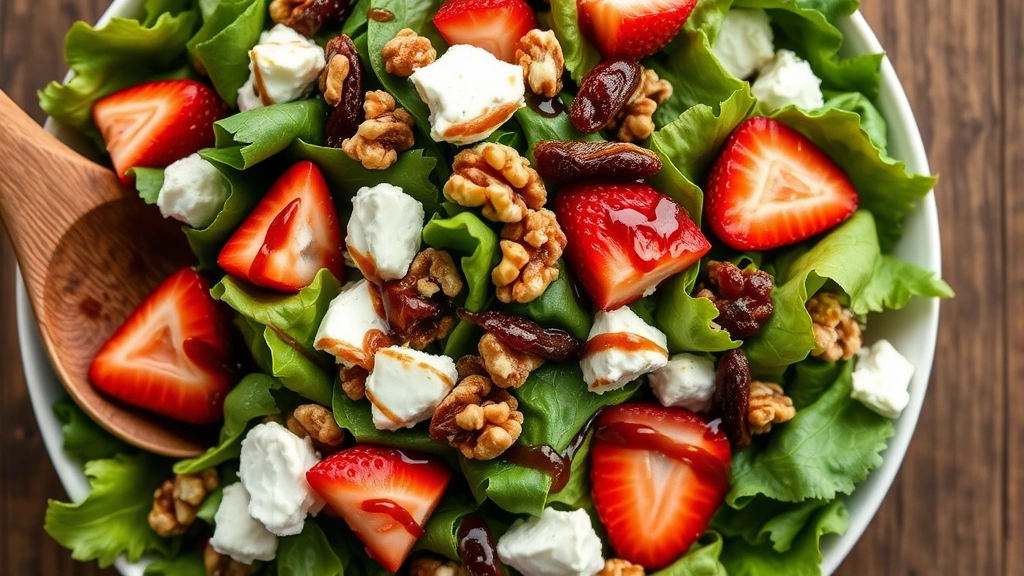
Classic combinations include mixed greens with goat cheese and candied walnuts, arugula with shaved Parmesan and pine nuts, or spinach with strawberries and almonds. The vinaigrette’s sweetness balances peppery greens while its acidity cuts through rich cheeses. For warm salads featuring roasted vegetables, apply the vinaigrette while vegetables are still slightly warm to enhance flavor absorption.
Vegetable Marination
Use balsamic vinaigrette to marinate roasted vegetables for make-ahead sides. Eggplant, zucchini, bell peppers, and tomatoes absorb the dressing’s flavors beautifully over several hours. This technique works wonderfully for meal prep and entertaining. Our collection of healthy food recipes includes numerous vegetable-focused dishes that benefit from this vinaigrette.
Protein Applications
Drizzle balsamic vinaigrette over grilled chicken, fish, or tofu for added flavor and moisture. The dressing’s acid helps tenderize proteins while its flavors complement without overwhelming. Use as a marinade before cooking, reserving a portion for finishing touches after cooking.
Bread Dipping
Serve warm crusty bread with balsamic vinaigrette for dipping—a simple yet elegant appetizer. The oil carries the vinegar’s complex flavors while bread provides a neutral canvas for appreciation.
Caprese Applications
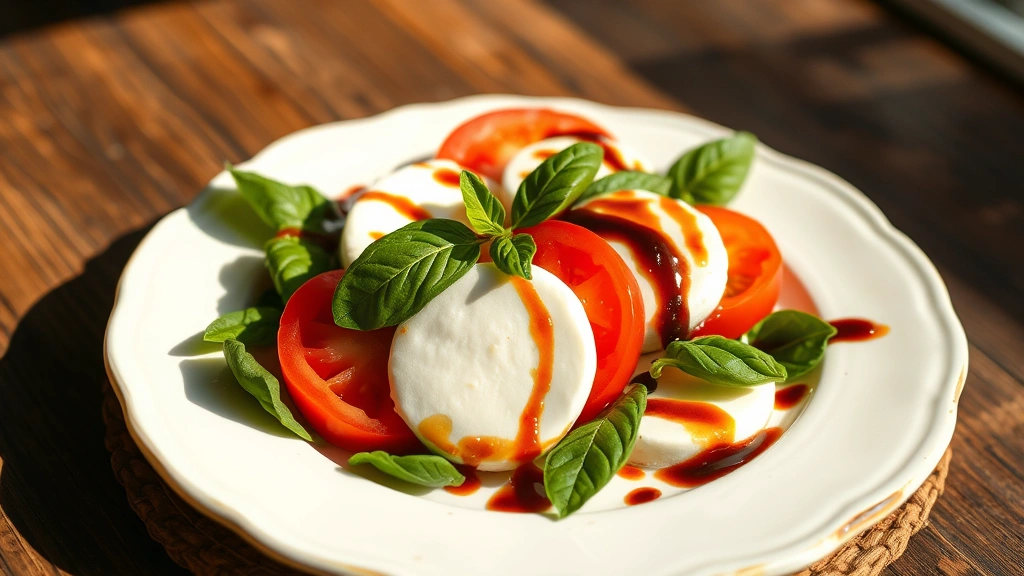
Drizzle over fresh mozzarella, tomato slices, and basil for an enhanced caprese salad. The vinaigrette elevates this simple combination into something restaurant-worthy.
Grain Salads
Toss balsamic vinaigrette with cooked grains like farro, quinoa, or barley along with vegetables and herbs. The dressing’s acidity prevents grains from becoming gummy while adding sophisticated flavor.
Explore our quick breakfast recipes for grain-based breakfast salads that benefit from this versatile dressing.
FAQ
Why did my balsamic vinaigrette separate?
Separation occurs when oil is added too quickly or when whisking isn’t vigorous enough. The oil droplets failed to remain suspended in the vinegar base. To fix it, start with a clean bowl containing one tablespoon of fresh Dijon mustard, then slowly add the separated vinaigrette while whisking constantly. The new mustard will re-emulsify the mixture.
Can I make balsamic vinaigrette without Dijon mustard?
While possible, it’s not recommended. The mustard serves as an emulsifier, helping bind the oil and vinegar together. Without it, the vinaigrette will likely separate. If you must omit mustard, use an egg yolk as an alternative emulsifier, though this creates a slightly different flavor profile and storage considerations.
How do I know if my vinaigrette is properly emulsified?
A properly emulsified vinaigrette appears creamy, glossy, and uniform in color. It should coat the back of a spoon and cling to salad greens without immediately running off. If you see distinct oil and vinegar layers, the emulsion has failed.
Can I use white balsamic vinegar instead of traditional balsamic?
Yes, white balsamic vinegar works beautifully, though it produces a lighter-colored dressing with slightly different flavor notes. White balsamic is less sweet and more acidic than traditional balsamic, so you may want to add a touch of honey to balance the increased acidity.
Is store-bought balsamic vinaigrette as good as homemade?
Homemade vinaigrette surpasses most store-bought versions in flavor complexity and ingredient quality. Commercial dressings often contain added sugars, preservatives, and stabilizers that compromise taste. Making your own takes just minutes and yields superior results at a fraction of the cost.
How much balsamic vinaigrette should I use per serving?
Generally, use approximately two tablespoons of vinaigrette per two-cup serving of salad. Adjust based on personal preference and salad type—heartier salads may benefit from additional dressing, while delicate greens require less to avoid wilting.
Can I make balsamic vinaigrette in a food processor?
Yes, combine all ingredients in a food processor and pulse until emulsified, approximately thirty to forty seconds. The mechanical action emulsifies effectively, though hand-whisking provides more control over the final consistency. Avoid over-processing, which can over-emulsify the mixture and create an undesirably thick texture.
What’s the best way to dress a salad with balsamic vinaigrette?
Add vinaigrette just before serving to prevent greens from wilting. Toss salad ingredients gently until evenly coated. For composed salads, drizzle the vinaigrette artfully rather than tossing to maintain ingredient presentation.


