Tender Beef Chuck Steak? Pro Chef Tips for Perfect Results
Beef chuck steak has a reputation for being tough and chewy, but professional chefs know better. This affordable, flavorful cut contains beautiful marbling and connective tissue that transforms into gelatin when cooked properly, creating incredibly tender, succulent meat. The secret isn’t expensive cuts or complicated techniques—it’s understanding the science behind the meat and applying proven methods that work every time.
Whether you’re grilling, braising, or pan-searing, the difference between disappointing and restaurant-quality beef chuck steak comes down to technique, timing, and temperature control. In this guide, we’ll explore the professional strategies that turn this humble cut into a showstopper at your dinner table.
Understanding Beef Chuck Steak
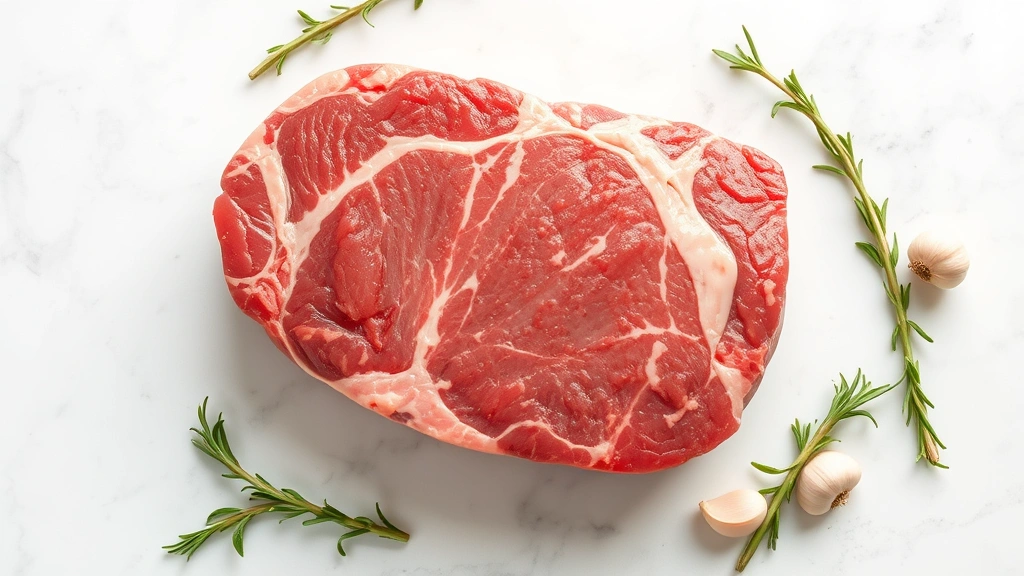
Chuck steak comes from the shoulder area of the cow, a muscle that gets significant exercise, which is why it contains more connective tissue and intramuscular fat than premium cuts. This isn’t a disadvantage—it’s an asset when you know how to work with it. The collagen in chuck steak breaks down into gelatin during extended, moist cooking, creating a naturally tender, deeply flavorful dish.
The cut typically includes the chuck eye, which is prized for its tenderness when properly prepared. Chuck steaks are usually 1 to 2 inches thick and benefit from slow cooking methods that allow the heat to gradually dissolve the tough fibers. Understanding this anatomy helps you choose the right cooking method for your needs.
Professional kitchens value chuck steak for its flavor-to-cost ratio. The marbling throughout the meat means it stays juicy even with slight overcooking, making it forgiving for home cooks. This cut shines in braises, stews, and low-and-slow cooking applications where time works in your favor.
Selecting and Preparing Your Meat
Start with quality beef from a reputable butcher or grocery store. Look for steaks with good marbling—visible white fat distributed throughout the red meat. Avoid pieces that appear gray or have excessive surface moisture. Ask your butcher to cut steaks to a consistent thickness, ideally 1.5 inches, which ensures even cooking.
Before cooking, remove your chuck steak from the refrigerator 30-45 minutes before you plan to cook it. Room temperature meat cooks more evenly, allowing the interior to become tender without the exterior becoming overdone. Pat the surface completely dry with paper towels—moisture prevents proper browning and creates steam instead of the flavorful crust you want.
Trim any large surface fat caps, leaving a thin layer for flavor and moisture. Score any remaining fat in a crosshatch pattern to prevent the meat from curling during cooking. This simple step takes less than a minute and dramatically improves your results.
Tenderizing Techniques
Professional chefs employ several proven tenderizing methods that work beautifully with chuck steak. The most effective approaches involve breaking down muscle fibers through mechanical action, enzymatic action, or slow heat application.
Mechanical Tenderizing: Using a meat mallet with the flat side, gently pound the steak in overlapping strokes across the entire surface. This breaks down muscle fibers without pulverizing the meat. Work from the center outward, using moderate pressure. This method is quick and requires no special ingredients.
Enzymatic Tenderizing: Natural enzymes in pineapple (bromelain), papaya (papain), and ginger break down muscle proteins. Create a simple marinade using fresh pineapple juice, minced ginger, and olive oil. Marinate for 30-60 minutes—longer than this can make the texture mushy. This approach adds flavor while tenderizing simultaneously.
Salt-Based Tenderizing: Kosher salt applied to the surface 40 minutes before cooking works through osmosis, allowing salt to penetrate the meat and break down proteins. This is the easiest method and requires no special ingredients. The salt dissolves into a brine that seasons the meat throughout.
Acid-Based Marinades: Vinegar, citrus juice, or wine contain acids that denature proteins. Combine your acid with oil, aromatics, and seasonings. Marinate for 4-8 hours in the refrigerator. This method tenderizes while infusing complex flavors.
Cooking Methods for Maximum Tenderness
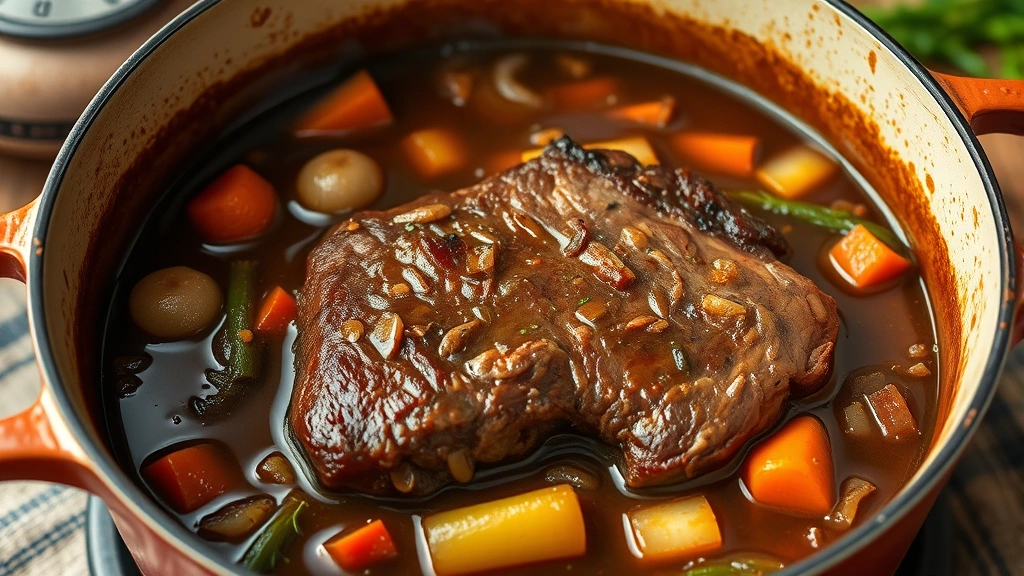
Braising Method (Most Reliable): This is the gold standard for beef chuck steak. Heat oil in a heavy pot over medium-high heat. Season your steaks generously with salt and pepper, then sear each side for 3-4 minutes until deeply browned. Remove the meat and set aside. Add diced onions, carrots, and celery to the pot, cooking until softened. Add tomato paste and cook for 2 minutes. Deglaze with beef broth or wine, scraping up the browned bits. Return the meat to the pot, add fresh herbs like thyme and bay leaf, and cover. Braise in a 325°F oven for 2-3 hours until fork-tender. The extended moist heat transforms the meat completely.
Slow Cooker Method: Prepare your chuck steak using the searing method above, then transfer everything to a slow cooker. Cook on low for 6-8 hours or high for 3-4 hours. This hands-off method produces incredibly tender results. Consider pairing with healthy crockpot recipes for complete meal inspiration.
Reverse Sear Method: For those preferring a grilled finish, start in a low oven. Place your seasoned steak on a wire rack over a baking sheet. Cook at 275°F for 45 minutes to 1 hour until the internal temperature reaches 125°F for medium-rare. Let rest 10 minutes, then sear in a screaming hot cast-iron skillet for 60-90 seconds per side. This method produces a tender interior with a flavorful crust.
Pressure Cooker Method: Instant Pot or pressure cooker fans can achieve tenderness in 35-45 minutes. Sear the steak using the sauté function, then add liquid and cook under pressure for 35 minutes. Natural release for 10 minutes before opening. The high pressure and steam break down collagen rapidly.
Temperature and Timing Mastery
Temperature control separates amateur from professional results. Invest in a reliable instant-read thermometer—this single tool eliminates guesswork. For chuck steak, the target internal temperature depends on your preference and cooking method.
For braised chuck steak, cook until the internal temperature reaches 190-205°F. At this range, the collagen has fully converted to gelatin, and the meat pulls apart easily. The extended cooking time at this temperature creates the tender, succulent texture you’re after.
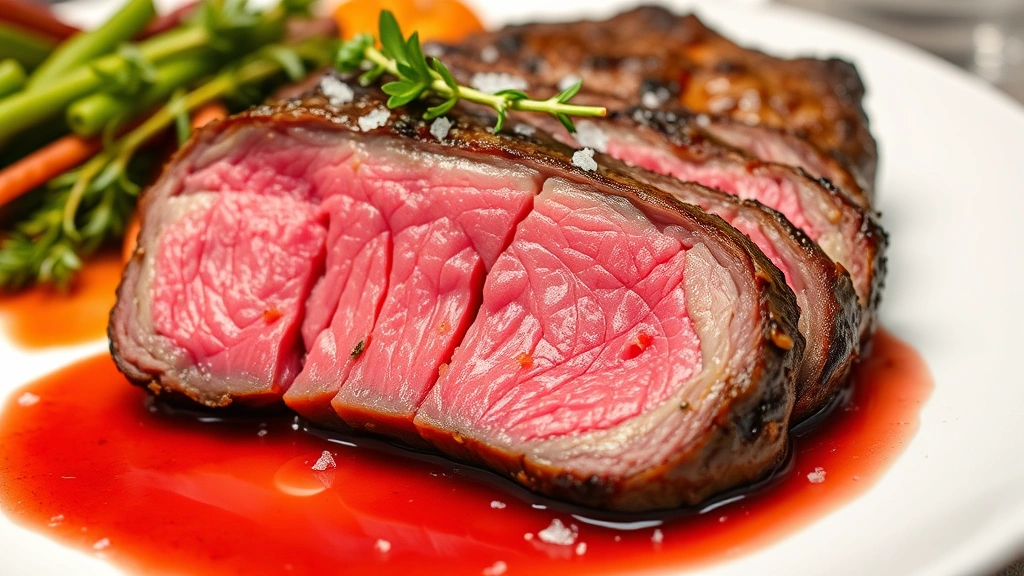
For grilled or pan-seared preparations, cook to 130-135°F for medium-rare, which provides tenderness while preserving juiciness. Remember that carryover cooking will raise the temperature 5-10 degrees, so remove the meat when it’s 5 degrees below your target.
Never skip the resting period. After cooking, let your steak rest for 5-10 minutes for quick-cooking methods or 15-20 minutes for braised preparations. Resting allows the muscle fibers to relax and reabsorb juices, preventing them from running onto your plate. Tent loosely with foil to maintain warmth.
Flavor Enhancement Strategies
Tender meat means nothing without complementary flavors. Professional chefs layer flavors through seasoning, aromatics, and sauce development.
Dry Rubs: Create depth with a mixture of kosher salt, coarse pepper, garlic powder, smoked paprika, and dried herbs. Apply generously 30 minutes to overnight before cooking. The salt penetrates and seasons throughout while the spices develop flavor during cooking.
Compound Butter: Mix softened butter with minced fresh herbs, garlic, and lemon zest. Top your finished steak with a dollop to add richness and final flavor burst. This simple addition elevates the dish considerably.
Pan Sauces: After searing your steak and removing it from the pan, create a quick sauce. Sauté shallots briefly, deglaze with wine or broth, and whisk in cold butter for a silky finish. Add fresh herbs and pour over your meat.
Marinades with Depth: Beyond simple acid-based versions, create complex marinades combining soy sauce, Worcestershire, balsamic vinegar, minced garlic, fresh rosemary, and olive oil. Marinate 8-12 hours for maximum flavor penetration.
Smoking and Grilling: Chuck steak responds beautifully to smoke. If you enjoy rice bowl recipes, consider serving smoked chuck steak over rice with aromatic vegetables. Use oak or hickory smoke at 225-250°F until the internal temperature reaches 190°F, about 4-5 hours.
Serving and Pairing Ideas
Chuck steak’s rich, beefy flavor pairs beautifully with hearty sides. Creamy mashed potatoes, polenta, or egg noodles complement braised preparations perfectly. The steak’s cooking liquid becomes a luxurious sauce for these starches.
For lighter accompaniments, roasted root vegetables, sautéed greens, or fresh salads provide balance. The tenderness and flavor of properly cooked chuck steak shine alongside simple preparations that don’t compete.
Wine pairing matters when serving to guests. Full-bodied reds like Cabernet Sauvignon, Bordeaux blends, or aged Barolo complement braised chuck steak beautifully. For grilled preparations, Côtes du Rhône or medium-bodied Merlot works well.
Chuck steak also works wonderfully in composed dishes. Shred the meat and use it in white chicken chili recipe adaptations, or pile it onto crusty bread for sandwiches. The versatility of tender, flavorful chuck steak extends far beyond traditional plated presentations.
Consider your quick breakfast recipes as well—leftover braised chuck steak becomes an excellent hash ingredient with potatoes and eggs the following morning.
FAQ
How long does beef chuck steak take to become tender?
Braising typically requires 2-3 hours at 325°F. Slow cookers need 6-8 hours on low. Quick methods like reverse searing take about 1.5 hours total. The exact time depends on thickness and your specific cooking method, but patience is essential—rushing the process compromises tenderness.
Can I grill chuck steak without braising first?
Yes, but it requires special technique. Use the reverse sear method: cook low and slow in the oven first, then finish with high heat on the grill. Direct grilling thick chuck steak results in a tough exterior and undercooked interior. The reverse sear method ensures even cooking and tenderness.
What’s the best marinade for chuck steak?
A combination of soy sauce, balsamic vinegar, minced garlic, fresh rosemary, and olive oil works beautifully. Marinate 8-12 hours in the refrigerator. The acid tenderizes while the umami-rich soy and herbs add depth. Avoid marinades with excessive salt, which can dry the meat.
Should I trim all the fat from chuck steak?
No. Leave a thin fat cap (about ¼ inch) for flavor and moisture. Fat renders during cooking and bastes the meat. Trim only excessive fat and use a crosshatch scoring pattern on remaining surface fat to prevent curling.
Can I cook chuck steak in a regular oven without braising liquid?
Not effectively. Chuck steak requires moist heat to become tender. Dry oven cooking will produce tough, dried-out meat. Braise with liquid, use a slow cooker, or employ the reverse sear method, but always include some moisture in your cooking process.
How do I know when braised chuck steak is done?
Insert a fork into the thickest part. Properly cooked chuck steak should shred easily. The internal temperature should reach 190-205°F. The meat should be so tender it falls apart rather than requiring cutting with a knife.
What’s the difference between chuck steak and chuck roast?
Chuck steak is a cross-section cut with the bone, typically 1-2 inches thick. Chuck roast is a larger, boneless piece. Both benefit from the same cooking methods, but steaks cook faster due to their smaller size. Chicken and biscuits recipe techniques for layering flavors apply similarly to chuck preparations.
Can I freeze cooked chuck steak?
Yes. Cool completely, then wrap tightly in plastic wrap and aluminum foil. Freeze for up to 3 months. Thaw overnight in the refrigerator and reheat gently in a 300°F oven with a little broth to restore moisture.
Is chuck steak suitable for meal prep?
Absolutely. Braised chuck steak reheats beautifully and becomes even more tender the next day. Cook a large batch, portion into containers, and refrigerate for up to 4 days. Use in salads, grain bowls, or sandwiches throughout the week.


