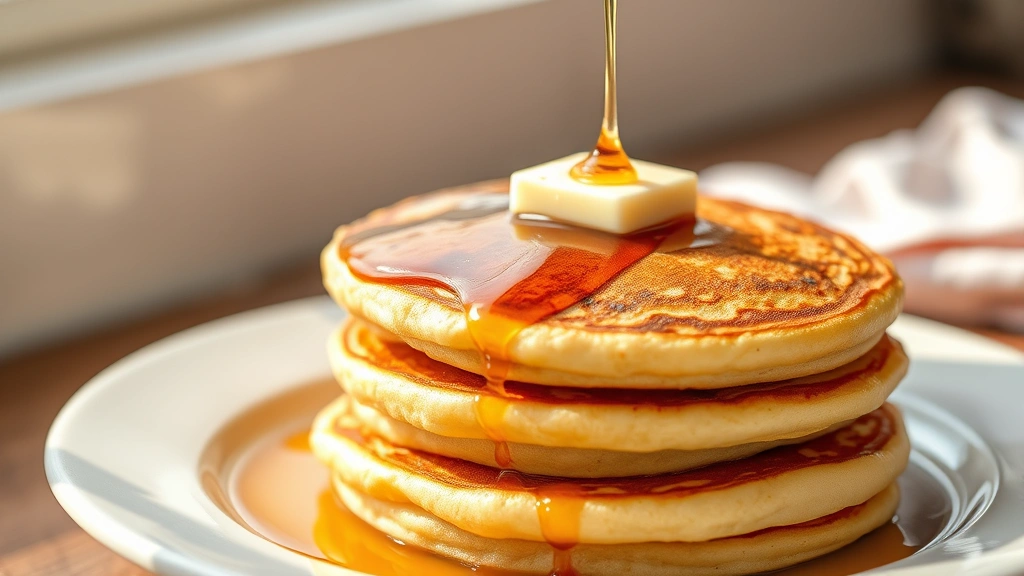
Fluffy Bisquick Pancakes? Approved Recipe
There’s something magical about waking up to a stack of fluffy pancakes that practically melt on your tongue. If you’ve been searching for the perfect Bisquick pancake recipe that delivers restaurant-quality results without the fuss, you’ve found it. This approved recipe combines the convenience of Bisquick mix with simple techniques that guarantee pillowy-soft pancakes every single time. Whether you’re feeding a hungry family or treating yourself to a leisurely weekend breakfast, these pancakes will become your go-to morning staple.
The beauty of using Bisquick as your base is that it eliminates the need to measure out individual dry ingredients like flour, baking powder, and salt. This premixed blend has been a kitchen favorite for generations, and when you understand the right proportions and cooking methods, you can create pancakes that rival any breakfast diner. We’ll walk you through every step, from ingredient selection to achieving that coveted golden-brown exterior with a tender, fluffy interior.
Why Bisquick Works for Perfect Pancakes
Bisquick has revolutionized home cooking since its introduction, and pancakes are one of its most successful applications. This all-purpose baking mix contains flour, leavening agents, and shortening already blended together in precise proportions. When you use Bisquick as your base, you’re starting with a scientifically formulated mixture that’s been tested countless times to ensure consistent results.
The secret to fluffy pancakes lies in the interaction between the leavening agents—both baking soda and baking powder—and the liquid ingredients you add. Bisquick already contains these leavening agents in the right balance, so your job becomes much simpler. You just need to add eggs, milk, and a touch of butter to activate the mix and create that desirable fluffy texture. Unlike from-scratch recipes where measuring errors can easily occur, Bisquick takes the guesswork out of the equation.
Many professional cooks appreciate Bisquick for its reliability and shelf stability. The shortening in the mix helps create tender pancakes with excellent moisture retention, so they stay soft even after cooling slightly. This is why Bisquick pancakes often outperform homemade versions made without the proper ingredient ratios.
Ingredients You’ll Need
Here’s what you’ll gather for this approved Bisquick pancake recipe:
- 2 cups Bisquick mix – the foundation of your pancakes
- 1¾ cups whole milk – provides moisture and helps activate the leavening agents
- 2 large eggs – add structure and richness to the batter
- 2 tablespoons melted butter – enhances flavor and contributes to fluffiness
- 1 tablespoon granulated sugar – optional, but adds subtle sweetness and aids browning
- 1 teaspoon vanilla extract – optional, deepens the pancake flavor
- Pinch of salt – balances sweetness and enhances other flavors
- Butter or cooking spray for the griddle – prevents sticking
These simple ingredients work together harmoniously. The eggs provide binding power and help create that fluffy crumb structure. Whole milk offers better flavor and texture than skim milk, though you can substitute if needed. The melted butter must be cooled slightly before mixing to prevent cooking the eggs, but this step is crucial for achieving the tender texture pancakes require.
Step-by-Step Instructions
Step 1: Prepare Your Workspace
Before you begin mixing, set up your griddle or large skillet on medium heat. Allow it to preheat for about 2-3 minutes. You can test if it’s ready by sprinkling a few drops of water on the surface—if they sizzle and evaporate immediately, you’re at the right temperature. While the griddle heats, gather all your ingredients and measure them out. This mise en place approach ensures smooth cooking without scrambling for ingredients mid-batch.
Step 2: Combine Dry Ingredients
In a large mixing bowl, whisk together the Bisquick mix, sugar, and salt. Don’t skip the whisking step—this aerates the mix and helps distribute the leavening agents evenly. Even though Bisquick is pre-mixed, a quick whisk takes just seconds and makes a noticeable difference in your final pancakes. Make a small well in the center of the dry mixture, as you’ll pour the wet ingredients here.
Step 3: Mix the Wet Ingredients
In a separate bowl, whisk together the milk, eggs, melted butter, and vanilla extract. Whisk vigorously for about 30 seconds until the mixture is well combined and slightly frothy. The frothiness indicates that air has been incorporated, which will help your pancakes rise beautifully during cooking. Let this mixture sit for about one minute—this resting period allows the ingredients to fully integrate.
Step 4: Combine Wet and Dry Ingredients
Pour the wet ingredient mixture into the well you created in the dry ingredients. Using a spatula or wooden spoon, gently fold the ingredients together. Here’s the critical part: stop mixing while the batter still has some small lumps. Overmixing develops gluten, which makes pancakes tough and dense. The lumps will disappear during cooking, resulting in a lighter, fluffier pancake. Mix until just barely combined—about 10-12 gentle folds.
Step 5: Test Your Griddle Temperature
Before you commit your entire batch, cook one test pancake. This helps you calibrate the heat. If the test pancake browns too quickly or burns on the outside while remaining raw inside, lower the heat slightly. If it takes forever to brown or spreads too thin, increase the heat. Most griddles work best at medium or medium-high heat, but your stove may vary.
Step 6: Cook the Pancakes
Lightly butter or spray your griddle. Using a ¼-cup measuring cup or ice cream scoop, pour batter onto the hot griddle, spacing pancakes about 2 inches apart. Don’t crowd the griddle—you need room to flip them easily. Let the pancakes cook undisturbed for about 2-3 minutes. You’ll know they’re ready to flip when the edges look set and dry, and bubbles have formed on the surface and begun to pop.
Step 7: Perfect the Flip
Slide your spatula underneath each pancake with confidence. Flip quickly and smoothly in one motion. Cook the other side for about 1-2 minutes until golden brown. The second side cooks faster than the first, so watch carefully. Transfer finished pancakes to a warm plate and cover loosely with foil to keep them warm while you finish the batch.
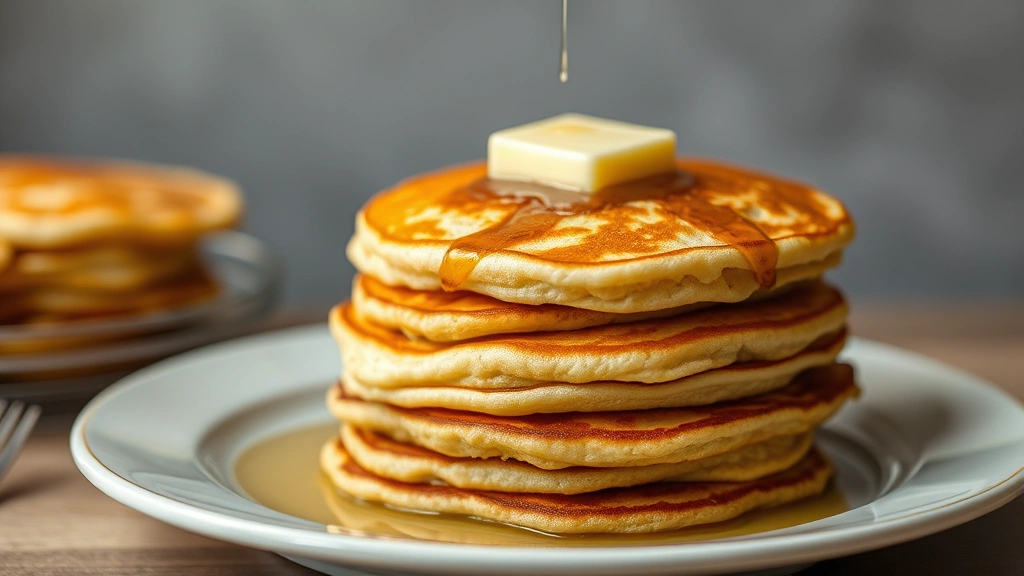
” alt=”Golden-brown fluffy pancakes stacked on a plate with butter melting on top”>
Pro Tips for Fluffier Pancakes
Separate Your Eggs
For ultimate fluffiness, separate the eggs. Beat the egg whites until stiff peaks form, then fold them into the batter just before cooking. The air bubbles in the whites create an exceptionally light texture. This technique requires extra effort but produces noticeably fluffier results.
Use Room Temperature Ingredients
Cold milk and cold eggs don’t mix as smoothly with the Bisquick mix. Let your milk and eggs sit on the counter for 15 minutes before mixing. Room temperature ingredients blend more easily and incorporate air more effectively, directly contributing to fluffier pancakes.
Don’t Skip the Resting Period
After mixing your wet and dry ingredients, let the batter rest for 5 minutes. This resting period allows the Bisquick to fully hydrate and the leavening agents to begin their work, resulting in more lift during cooking.
Invest in a Quality Griddle
A thick griddle or flat-top skillet distributes heat more evenly than a thin pan. Even heat distribution means your pancakes cook uniformly without burnt spots or raw centers. Cast iron griddles are excellent choices that retain heat beautifully.
Don’t Flip Too Early
Patience is key when making quick breakfast recipes. Wait until bubbles appear on the surface and the edges look set before flipping. Flipping too early results in pancakes that collapse or don’t cook through properly.
Delicious Variations to Try
Chocolate Chip Pancakes
Fold ¾ cup chocolate chips into the batter just before cooking. For an even more decadent experience, drizzle warm homemade chocolate sauce over the finished pancakes.
Berry Pancakes
Add 1 cup fresh or frozen berries (blueberries, raspberries, or strawberries) to the batter. If using frozen berries, don’t thaw them first—this prevents them from bleeding into the batter and turning it purple. Scatter a few berries on top of each pancake just after pouring the batter onto the griddle.
Banana Pancakes
Reduce the milk to 1½ cups and add 1 mashed ripe banana to the wet ingredients. Bananas add natural sweetness and contribute to moisture and fluffiness. The subtle banana flavor complements traditional pancake toppings perfectly.
Cinnamon Roll Pancakes
Add 1 teaspoon ground cinnamon to the dry ingredients. Drizzle warm cream cheese frosting over the hot pancakes for an indulgent breakfast treat that feels like dessert.
Pumpkin Spice Pancakes
Add ½ cup pumpkin puree to the wet ingredients and mix in 1 teaspoon pumpkin pie spice with the dry ingredients. These seasonal pancakes are perfect for fall entertaining.
Serving Suggestions and Toppings
The beauty of pancakes is their versatility with toppings. While maple syrup is the classic choice, consider these delicious alternatives:
- Fresh fruit: Sliced strawberries, blueberries, raspberries, or peaches add freshness and nutrition
- Whipped cream: A dollop of homemade whipped cream turns pancakes into a special-occasion breakfast
- Nut butters: Almond butter, peanut butter, or cashew butter provide protein and richness
- Yogurt: Greek yogurt adds creaminess and tangy flavor
- Honey: Drizzle warm honey for a different sweetness profile than syrup
- Homemade sauces: Learn how to make homemade sauces like berry compote or caramel for restaurant-quality results
- Powdered sugar: A light dusting adds elegance and sweetness
- Chocolate sauce: Warm chocolate sauce transforms basic pancakes into a dessert-like indulgence
For holiday brunches, consider pairing pancakes with Christmas Crack or Fantasy Fudge for a festive spread. Pancakes also pair wonderfully with savory breakfast sides like bacon, sausage, or scrambled eggs.
Troubleshooting Common Pancake Problems
Pancakes Are Too Dense
Dense pancakes usually result from overmixing the batter. Remember: lumps are your friend. Mix just until combined. Also ensure your griddle is hot enough—pancakes need proper heat to rise. Finally, check that your Bisquick hasn’t expired; old leavening agents lose potency.
Pancakes Spread Too Thin
Thin pancakes indicate your griddle temperature is too high or your batter is too thin. Lower the heat slightly or add a bit more Bisquick mix to thicken the batter. The batter should resemble thick cake batter, not thin crepe batter.
Pancakes Burn on the Outside but Are Raw Inside
Your griddle is too hot. Reduce the heat and cook pancakes more slowly. This allows the inside to cook through while the outside develops a golden-brown color.
Pancakes Are Pale and Don’t Brown Well
Your griddle isn’t hot enough or you’re not cooking them long enough. Increase the heat slightly and give pancakes adequate time on each side. The sugar in the batter aids browning, so ensure you’ve added it.
Pancakes Stick to the Griddle
Make sure you’re adequately buttering or oiling your griddle before each batch. Some griddles require more fat than others. Cast iron especially benefits from generous buttering.
Storage and Reheating
Storing Cooked Pancakes
Pancakes can be refrigerated in an airtight container for up to 3 days. Stack them with parchment paper between each pancake to prevent sticking. For longer storage, freeze pancakes in a freezer-safe bag for up to 2 months.
Reheating Pancakes
The toaster oven is your best friend for reheating. Place pancakes on a baking sheet and warm at 350°F for about 5 minutes until heated through. This method restores their fluffy texture better than microwaving, which can make them rubbery. You can also reheat individual pancakes in your toaster on a low setting.
Freezing Pancake Batter
You can prepare the batter and freeze it in ice cube trays for up to 2 weeks. Thaw in the refrigerator overnight before cooking. This advance preparation makes weekday breakfasts incredibly convenient—just thaw and cook.
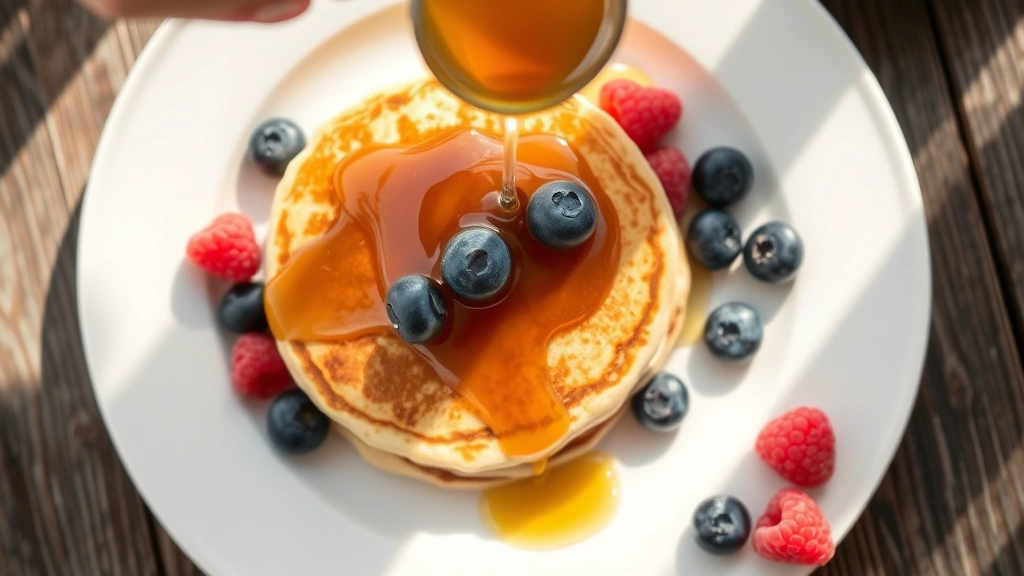
” alt=”Overhead view of pancakes with maple syrup being poured over them and fresh berries scattered on white plate”>
FAQ
Can I Make This Recipe Dairy-Free?
Yes. Substitute the milk with an equal amount of unsweetened almond milk or oat milk. Use dairy-free butter or coconut oil instead of regular butter. The pancakes will be slightly less rich but still delicious and fluffy.
How Can I Make This Recipe Gluten-Free?
Use King Arthur Baking Company’s gluten-free Bisquick alternative or another certified gluten-free baking mix in place of regular Bisquick. The ratio and cooking method remain identical.
Can I Prepare the Batter the Night Before?
It’s not recommended. Pancake batter is best used immediately after mixing. The leavening agents begin working as soon as they contact the wet ingredients, and their potency diminishes over time. For convenience, measure out your dry ingredients the night before and mix everything together in the morning.
Why Are My Pancakes Not Fluffy Enough?
Fluffiness depends on several factors: proper batter consistency (thick but pourable), not overmixing, adequate griddle temperature, and cooking pancakes within minutes of mixing. Separating and beating egg whites before folding them in also dramatically increases fluffiness.
What’s the Best Way to Keep Pancakes Warm While Cooking?
Place finished pancakes on a plate and cover loosely with foil or a kitchen towel. Avoid trapping steam completely, as this makes them soggy. You can also keep them warm in a 200°F oven on a baking sheet.
Can I Use Buttermilk Instead of Regular Milk?
Absolutely. Buttermilk creates slightly tangier, more tender pancakes. Since buttermilk is slightly thicker, reduce it to 1½ cups. Buttermilk also reacts with baking soda, so if you use it, add ½ teaspoon baking soda to the dry ingredients.
How Do I Know When My Griddle Is Ready?
Use the water droplet test: sprinkle a few drops of water on the griddle. If they sizzle and evaporate immediately, the griddle is ready. If they sit and bubble slowly, it needs more heat. If they evaporate too quickly with a loud sizzle, reduce the heat slightly.
Is There a Difference Between Pancakes and Crepes?
Yes. Pancakes use thicker batter with more leavening agents, creating a fluffy, thick cake-like result. Crepes use thin batter with no leavening, creating delicate, paper-thin results. Serious Eats has excellent resources explaining the differences between various breakfast preparations.
Can I Make Savory Pancakes with This Recipe?
Yes. Omit the sugar and vanilla, and add herbs, cheese, or cooked bacon to the batter. Serve savory pancakes with sour cream or a savory sauce instead of syrup. This transforms pancakes into a versatile dinner option.
What Should I Do If My Batter Has Too Many Lumps?
Resist the urge to overmix. Those lumps will cook out. However, if your batter seems too thick and lumpy to pour, gently whisk in a tablespoon of milk at a time until you reach the right consistency. The batter should be thick but still pourable.


