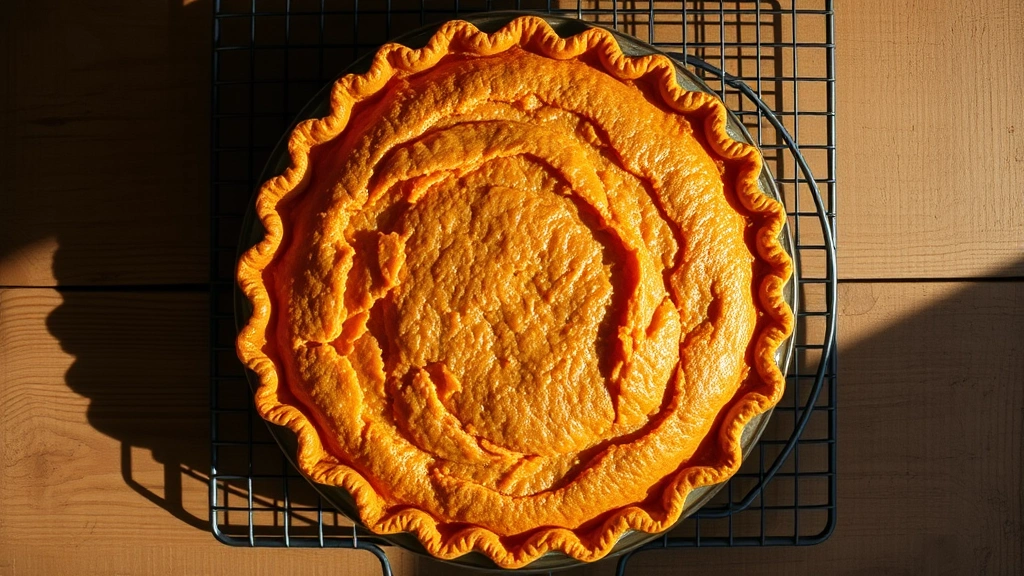
Authentic Sweet Potato Pie: A Southern Tradition with Deep Roots
Sweet potato pie stands as one of the most cherished desserts in African American culinary heritage, representing generations of creativity, resilience, and love passed down through family tables across the American South. This iconic dessert transcends a simple recipe—it embodies cultural memory, seasonal celebration, and the ingenuity of Black cooks who transformed humble ingredients into dishes of remarkable depth and flavor. The silky custard filling, warm spices, and buttery crust create a dessert that has graced holiday tables, church gatherings, and family reunions for centuries.
Unlike pumpkin pie, which often relies on convenience ingredients and heavy cream, authentic sweet potato pie emphasizes the natural sweetness and earthiness of the sweet potato itself. The filling achieves its luxurious texture through a careful balance of eggs, butter, and warming spices like cinnamon, nutmeg, and vanilla. This recipe honors the traditional methods that Black Southern cooks perfected—techniques that prioritize quality ingredients and proper technique over shortcuts. Whether you’re preparing this dessert for Thanksgiving, Christmas, or any gathering that calls for something special, understanding the authentic approach ensures you capture the true spirit of this beloved tradition.
The Cultural Significance of Sweet Potato Pie in Black Southern Cuisine
Sweet potato pie represents far more than a dessert in African American culture. During the era of enslavement, sweet potatoes were a staple crop that enslaved people cultivated and consumed, developing recipes that maximized nutrition and flavor from available resources. Black cooks transformed this humble vegetable into elegant pies and dishes that reflected both African culinary traditions and Southern innovation. The pie became a symbol of freedom, family, and the ability to create beauty and nourishment despite systemic oppression.
Throughout the twentieth century and into today, sweet potato pie remains a centerpiece of Black family gatherings and celebrations. It appears alongside other traditional dishes at Thanksgiving tables, church dinners, and family reunions. The recipe carries stories—of grandmothers who made pie from memory, of aunts who guarded their spice ratios, of cooks who knew exactly when the filling had reached the right consistency by sight and touch rather than timers. Making authentic sweet potato pie connects us to these histories and honors the cooks whose names we may never know but whose influence shaped American cuisine.
When you prepare traditional Southern recipes, you’re engaging in cultural preservation. The authentic approach to sweet potato pie rejects shortcuts and convenience products, instead embracing the techniques that created this dessert’s distinctive character. This commitment to authenticity reflects respect for the tradition and the people who developed it.
Essential Ingredients and Understanding Ingredient Quality
Creating an authentic sweet potato pie begins with selecting the right ingredients. Unlike many modern recipes that call for canned sweet potato puree, traditional preparation starts with whole sweet potatoes that you’ll cook and puree yourself. This distinction matters significantly—whole potatoes offer superior flavor, better texture control, and the satisfaction of creating something entirely from scratch.
For the crust:
- 2½ cups all-purpose flour (preferably unbleached)
- 1 teaspoon salt
- 1 tablespoon sugar
- 1 cup (2 sticks) cold unsalted butter, cubed
- 6-8 tablespoons ice water
For the filling:
- 3 medium sweet potatoes (about 1½ pounds)
- ½ cup unsalted butter, softened
- ¾ cup granulated sugar
- ¼ cup brown sugar (adds depth)
- 3 large eggs, room temperature
- ½ cup whole milk
- ¼ cup heavy cream
- 1 teaspoon vanilla extract
- 1 teaspoon ground cinnamon
- ½ teaspoon ground nutmeg
- ¼ teaspoon ground ginger
- ⅛ teaspoon ground cloves
- ¼ teaspoon salt
Ingredient quality considerations: Use unsalted butter so you control the salt content. Fresh spices make an enormous difference—ground spices lose potency after six months, so check your pantry. Real vanilla extract provides complexity that imitation cannot match. Sweet potatoes should be firm without soft spots, preferably the orange-fleshed variety rather than the pale yellow type.
Making the Perfect Pie Crust from Scratch
The foundation of an exceptional sweet potato pie is a flaky, buttery crust. While some cooks use store-bought crusts, making your own allows complete control over ingredients and texture. The key to flakiness is keeping everything cold and handling the dough minimally.
Step-by-step crust preparation:
- Combine dry ingredients: In a large bowl, whisk together flour, salt, and sugar. This distributes salt evenly and prevents clumping.
- Cut in butter: Add cold butter cubes to the flour mixture. Using a pastry cutter, two knives, or your fingertips, work the butter into the flour until the mixture resembles coarse breadcrumbs. You want pea-sized pieces of butter remaining—these create steam pockets that produce flakiness.
- Add water gradually: Sprinkle ice water over the mixture one tablespoon at a time, gently tossing with a fork until the dough just comes together. Use the minimum water needed. Overworking develops gluten, resulting in a tough crust.
- Form and chill: Shape dough into a disk, wrap in plastic wrap, and refrigerate for at least one hour. This resting period allows gluten to relax and fat to solidify, both essential for flakiness.
- Roll and fit: On a floured surface, roll dough to a 12-inch circle about ⅛-inch thick. Transfer to a 9-inch pie pan, letting excess hang over edges. Fold edges under and crimp decoratively with your fingers or a fork.
- Blind bake: Prick the bottom with a fork, line with parchment paper, and fill with pie weights or dried beans. Bake at 375°F for 12-15 minutes until lightly golden. Remove weights and parchment, then bake another 3-5 minutes.
Some traditional cooks skip blind baking and instead brush the crust with egg white before filling, which seals the surface and prevents sogginess. Either method works—choose based on your preference and experience level.
Preparing Your Sweet Potatoes: Cooking and Pureeing
The quality of your sweet potato puree directly affects the final pie. Some cooks bake potatoes, others boil them. Baking concentrates flavors and reduces moisture, making it the preferred method for pie filling. Boiling can result in waterlogged puree that requires straining.
Baking method (recommended):
- Preheat your oven to 375°F.
- Scrub sweet potatoes under running water and pat dry.
- Pierce each potato several times with a fork to allow steam to escape.
- Place directly on the oven rack with a baking sheet below to catch any drips.
- Bake for 45-60 minutes, depending on potato size, until completely soft. A fork should slide through easily with no resistance.
- Remove and cool until handleable, then scoop flesh into a bowl.
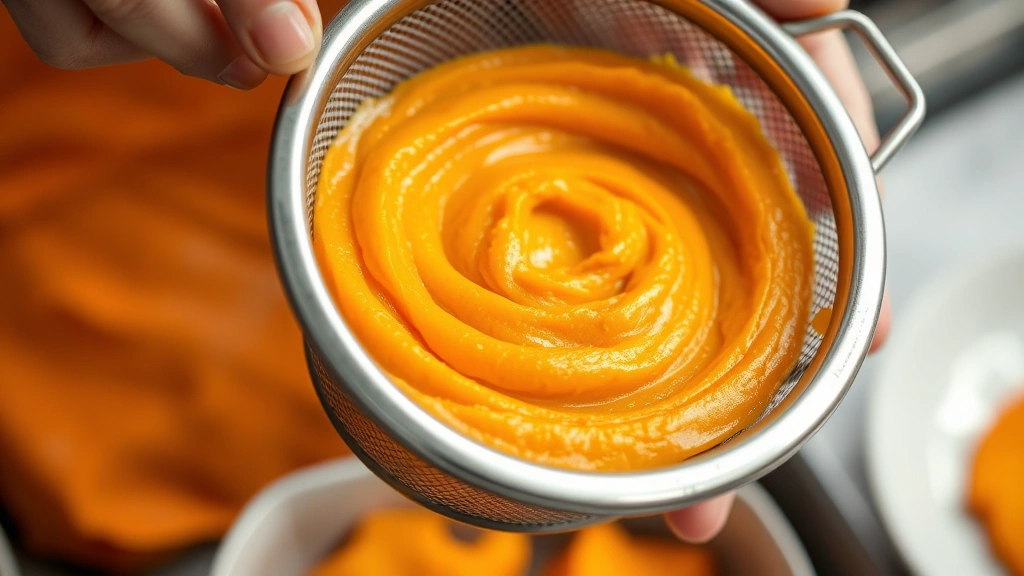
- Press through a fine-mesh sieve or food mill to create smooth puree. This removes any fibers and ensures silky texture.
- Measure out 1½ cups puree for your filling. If you have excess, refrigerate for another use.
Proper pureeing is crucial. A blender can overwork the mixture and create a gluey texture, while a fork leaves lumps. A food mill or sieve provides the ideal balance, creating smooth puree without overdeveloping starches.
Creating the Custard Filling: Technique and Timing
The filling is where sweet potato pie’s magic happens. The custard-like texture comes from the interaction of eggs, dairy, and heat. Getting this right requires understanding how these ingredients work together.
Filling preparation steps:
- Cream butter and sugars: In a large bowl, beat softened butter with granulated and brown sugar until light and fluffy, about 3-4 minutes. This incorporates air, which helps create a lighter texture. The mixture should be pale and noticeably increased in volume.
- Add eggs one at a time: Add eggs individually, beating well after each addition. This ensures even distribution and prevents the mixture from appearing curdled. Room-temperature eggs blend more smoothly than cold ones.
- Incorporate sweet potato puree: Add the cooled sweet potato puree and mix until just combined. Don’t overmix at this stage—overmixing can result in a dense pie. Mix just until no streaks of potato remain.
- Add dairy and flavorings: Combine milk and heavy cream, then add to the mixture along with vanilla extract. Stir gently until incorporated.
- Combine spices: In a small bowl, whisk together cinnamon, nutmeg, ginger, cloves, and salt. Add to filling and stir thoroughly, making sure spices distribute evenly. Uneven spice distribution creates inconsistent flavor throughout the pie.
- Strain the filling: This traditional step removes any lumps or undissolved ingredients. Pour filling through a fine-mesh sieve into another bowl, pressing gently with the back of a spoon. This creates incredibly smooth texture.
The spice combination is essential to authentic sweet potato pie. The warm spices—cinnamon, nutmeg, ginger, and cloves—have been used in African American cooking for generations. Don’t skip the ginger and cloves; they add subtle complexity that distinguishes authentic pie from ordinary versions. Food science resources show that the volatile compounds in these spices activate at different temperatures, creating evolving flavor profiles as the pie bakes and cools.
Baking and Achieving the Perfect Custard Texture
Baking is where technique becomes critical. Underbaked pie won’t set properly; overbaked pie becomes dry and cracks. The goal is a filling that’s set but still slightly jiggly in the very center—it will continue cooking as it cools.
Baking procedure:
- Preheat thoroughly: Your oven should reach 375°F at least 15 minutes before baking. An oven thermometer ensures accuracy—many ovens run hot or cold.
- Pour filling carefully: Place the pre-baked crust on a baking sheet (for easy handling and to catch any drips). Pour strained filling slowly into the crust, filling to about ½ inch below the rim.
- Bake initial phase: Bake at 375°F for 20 minutes. The pie should be starting to set around the edges but still very soft in the center.
- Reduce temperature: Lower heat to 325°F and bake for an additional 25-35 minutes. This slower, gentler heat prevents cracks and ensures even cooking.
- Test for doneness: The pie is done when the edges are set and the center jiggles just slightly when you gently shake the pan—about a 2-inch circle in the very middle should wobble. It should not be completely liquid. Insert a knife ½ inch from the edge; it should come out clean or with just a few moist crumbs.
- Cool gradually: Remove from oven and cool at room temperature for one hour, then refrigerate for at least 4 hours before serving. This gradual cooling prevents cracks and allows flavors to meld.
Many traditional recipes suggest baking at a constant 350°F for 50-60 minutes. The two-temperature method I’ve outlined prevents the edges from overbaking while the center remains underdone. However, if your oven runs cool, you may need to extend baking times by 5-10 minutes.
The filling will continue to set as it cools—this is normal. Don’t panic if it seems slightly loose when you remove it from the oven. Refrigeration is essential; the pie firms considerably when cold and develops its best texture after sitting overnight.
Serving, Storing, and Variations on Tradition
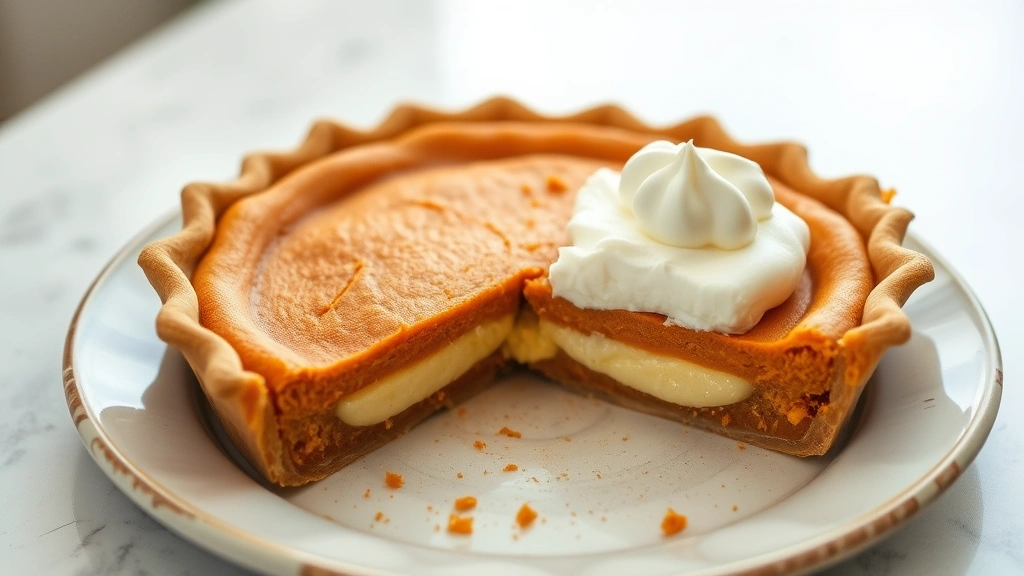
Authentic sweet potato pie is served at room temperature or chilled, never warm. This allows the flavors to fully develop and the texture to reach its ideal consistency. Traditional accompaniments include unsweetened whipped cream, vanilla ice cream, or simply on its own to appreciate the filling’s subtle spice notes.
Storage and make-ahead options:
- Refrigerator: Store covered for up to 5 days. The pie actually improves after a day as flavors meld.
- Freezer: Wrap tightly and freeze for up to 3 months. Thaw overnight in the refrigerator before serving.
- Make-ahead: Prepare the crust and filling separately up to two days in advance. Assemble and bake the day you plan to serve.
While honoring tradition, some contemporary cooks add variations. A tablespoon of bourbon or rum adds depth. Some add a tablespoon of molasses for deeper color and slightly more complex sweetness. Others incorporate a pinch of cayenne pepper for subtle heat. These additions should enhance rather than overpower the sweet potato’s natural character. If you’re preparing easy recipes for family gatherings, traditional preparation without additions ensures everyone appreciates the authentic flavor.
When making homemade components, you’re investing in quality. This same principle applies to pie—every element deserves attention and care. The result is a dessert that tastes distinctly better than versions made with shortcuts.
Frequently Asked Questions
Can I use canned sweet potato puree instead of fresh?
While canned puree offers convenience, it often contains added sugars and spices, and the texture differs from fresh. For authentic pie, fresh puree is worth the minimal extra effort. If you must use canned, select unsweetened puree and reduce added sugar by 2 tablespoons.
Why did my pie crack on top?
Cracks typically result from overbaking, too-high oven temperature, or rapid cooling. The two-temperature baking method and gradual cooling help prevent this. If cracks appear, they’re purely cosmetic and don’t affect flavor.
My filling is too liquidy. What went wrong?
Excess moisture often comes from sweet potato puree that wasn’t properly strained or from eggs that weren’t fully incorporated. Ensure puree is smooth and dry before adding to filling. When baking, the pie should jiggle only slightly in the very center.
Can I make a gluten-free crust?
Yes, though crust texture differs slightly. Use a gluten-free flour blend designed for baking (not all-purpose replacements). Add an extra tablespoon of ice water and handle more gently, as gluten-free doughs are more delicate. Many cooks find success with specialty baking resources that provide gluten-free recipes.
How far ahead can I prepare the pie?
Prepare the crust up to two days in advance, wrapped tightly. Make the filling up to one day ahead, stored in the refrigerator. Assemble and bake no more than a few hours before serving. The finished pie keeps refrigerated for five days, improving with time as flavors develop.
What’s the difference between sweet potato pie and pumpkin pie?
Sweet potato pie has a denser, more custardy texture and earthier flavor profile. Pumpkin pie is typically lighter and more spiced. Sweet potato pie’s distinct character comes from the vegetable’s natural sweetness and starch content, which creates different binding dynamics than pumpkin.
Should the pie be served warm or cold?
Authentic sweet potato pie is best served at room temperature or chilled. Serving warm can make the filling seem too soft and masks subtle flavor nuances. Refrigeration firms the texture and allows spices to fully express themselves.
Can I double this recipe for a larger gathering?
Yes, double all ingredients and use two 9-inch pans or one 13×9-inch pan. For a rectangular pan, bake at slightly lower temperature (350°F) for 40-50 minutes after the initial 20-minute phase, as the filling will be shallower and cook faster. Check doneness carefully as timing varies with pan shape.
Making authentic sweet potato pie connects you to a rich culinary tradition. This dessert represents generations of African American cooks who transformed humble ingredients into something extraordinary. By honoring traditional techniques—from making crust by hand to preparing fresh puree—you’re participating in cultural preservation and creating something that nourishes both body and spirit. Whether this is your first time making this pie or you’re revisiting a recipe from childhood, approach it with patience and care. The results will reward your effort with a dessert that tastes like home, history, and love.


