Brandy Alexander Recipe: Bartender’s Choice!
The Brandy Alexander stands as one of the most elegant and sophisticated cocktails in the classic mixology repertoire. This creamy, dessert-like libation has graced the finest bars and home entertaining spaces for over a century, captivating palates with its luxurious blend of brandy, crème de cacao, and fresh cream. Whether you’re preparing for an upscale dinner party or simply want to impress guests with your bartending prowess, mastering the brandy alexander recipe is an essential skill that transforms you from casual mixer to confident cocktail creator.
What makes this drink truly special is its remarkable versatility and timeless appeal. The Brandy Alexander transcends seasonal boundaries, though it particularly shines during cooler months when its warming spiced notes feel most welcoming. Unlike many cocktails that demand precision timing or elaborate techniques, this recipe rewards consistency, quality ingredients, and a touch of finesse. In this comprehensive guide, we’ll explore every dimension of crafting the perfect Brandy Alexander, from ingredient selection to presentation techniques that elevate your cocktail game.
Understanding the Brandy Alexander
The Brandy Alexander belongs to the distinguished family of crème cocktails, a category defined by the use of cream and liqueurs that create dessert-like drinking experiences. Its origins trace back to the early 1900s, though various bartenders claim to have invented the drink. What remains undisputed is its status as a timeless classic that has never fallen out of favor among discerning drinkers and professional bartenders alike.
This drink’s popularity stems from its perfect balance of three fundamental flavor components: the warming, complex notes of brandy; the sweet, chocolate-forward profile of crème de cacao; and the luxurious, smooth texture provided by heavy cream. The resulting cocktail offers sophistication without pretension, making it equally at home in a high-end cocktail lounge or a casual home bar.
The Brandy Alexander represents what bartenders call a “spirit-forward dessert cocktail”—it contains significant alcohol content while delivering flavors reminiscent of chocolate mousse or brandy-soaked truffles. This combination appeals to those seeking something sweeter than traditional spirit cocktails but more substantial and flavorful than casual mixed drinks. Understanding this positioning helps you appreciate why proper technique and quality ingredients matter so significantly.
Essential Ingredients Breakdown
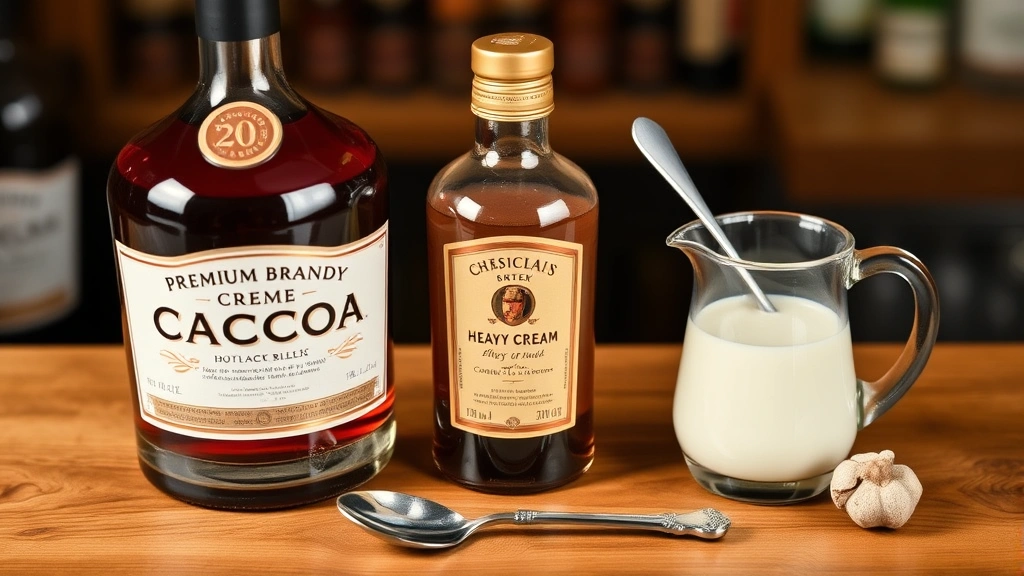
Creating an authentic Brandy Alexander requires understanding each ingredient’s role and selecting the highest quality options available. The classic recipe maintains a beautifully balanced 1:1:1 ratio, though skilled bartenders occasionally adjust proportions based on specific product selections.
Brandy Selection
Brandy forms the foundation of this cocktail, providing warmth, complexity, and the drink’s essential character. Cognac represents the premium choice, offering refined flavors developed through years of careful aging. Look for VS (Very Special) or VSOP (Very Superior Old Pale) grades—these provide excellent quality without the premium pricing of XO varieties. Cognac’s flavor profile includes notes of dried fruit, vanilla, oak, and subtle spice that complement the chocolate elements beautifully.
If Cognac isn’t accessible, quality American brandy serves as a respectable alternative. Avoid inexpensive brandy, as its harsh, unrefined character will undermine the entire cocktail. The brandy you select becomes the drink’s backbone, so this ingredient warrants careful consideration and investment.
Crème de Cacao
This chocolate-flavored liqueur brings sweetness and the signature chocolate notes that define the Brandy Alexander experience. Two varieties exist: white crème de cacao (clear, with subtle vanilla undertones) and dark crème de cacao (brown, with deeper chocolate character). Most bartenders prefer white crème de cacao for its clarity and lighter mouthfeel, which allows the brandy to shine while maintaining the chocolate flavor profile.
Quality matters considerably here. Premium brands like Marie Brizard or Luxardo deliver smooth, well-integrated chocolate flavors, while budget options often taste artificial or overly sweet. Since you’re using a full ounce in a three-ounce cocktail, the crème de cacao’s quality directly impacts the final result.
Heavy Cream
Fresh, high-quality heavy cream (also called heavy whipping cream) is non-negotiable. This ingredient contributes the drink’s signature luxurious texture and mouthfeel. Always use cream with a fat content of at least 36%—lower-fat alternatives produce thin, unsatisfying results. Fresh cream, kept properly refrigerated, provides superior flavor compared to ultra-pasteurized versions. Some bartenders recommend adding a small amount of simple syrup to the cream, though this remains optional and somewhat controversial among purists.
Optional Garnish Components
Freshly grated nutmeg represents the traditional garnish, adding aromatic warmth and visual appeal. A small amount of chocolate powder, cocoa powder, or even finely grated dark chocolate can substitute or complement the nutmeg. Some establishments dust the drink with both nutmeg and cocoa for enhanced presentation. Always use fresh spices—old nutmeg loses its potency and delivers flat, uninteresting flavors.
Step-by-Step Recipe Instructions
Mastering the technical execution of the Brandy Alexander requires attention to detail and understanding the reasoning behind each step. Follow this proven methodology for consistent, professional-quality results every time.
Classic Shaken Method
Ingredients per serving:
- 1 ounce premium brandy (preferably Cognac)
- 1 ounce white crème de cacao
- 1 ounce fresh heavy cream
- Ice (high-quality, preferably large cubes)
- Freshly grated nutmeg for garnish
Equipment needed:
- Cocktail shaker (Boston shaker preferred)
- Jigger for measuring
- Strainer
- Coupe glass or cocktail glass
- Bar spoon
- Microplane or nutmeg grater
Preparation steps:
- Chill your glass by filling it with ice water while you prepare the cocktail. Empty it just before straining the drink into it. A properly chilled glass maintains the cocktail’s optimal temperature and prevents dilution from ambient warmth.
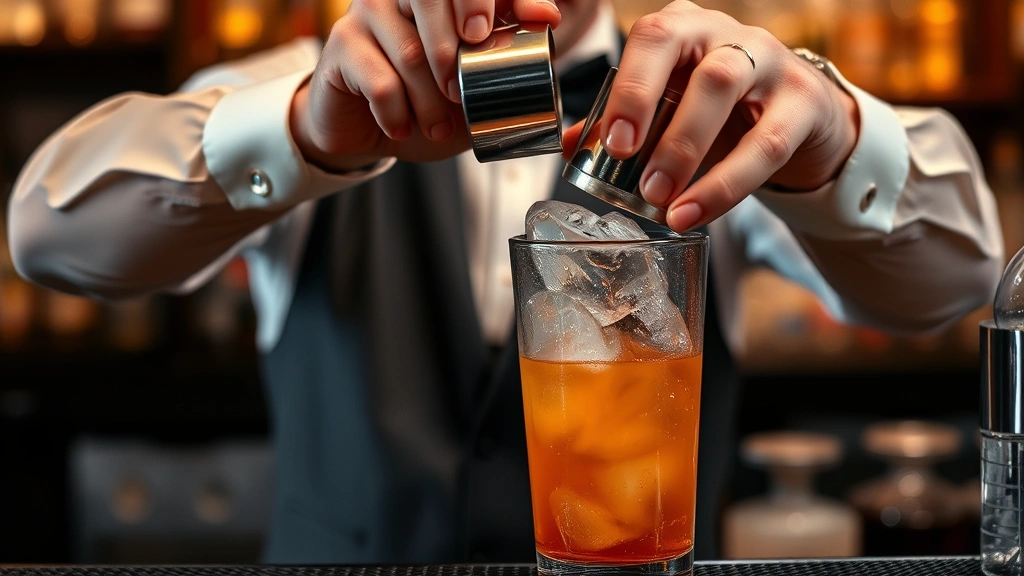
- Fill your shaker with fresh ice, preferably using large cubes or chunks that minimize surface area and slow melting. If using a Boston shaker, add ice to the mixing glass first.
- Measure your brandy carefully using a jigger, pouring exactly one ounce into the shaker. Precision matters—free-pouring introduces inconsistency that compounds across multiple drinks.
- Add the crème de cacao, measuring one ounce with the same precision. At this stage, you’re combining two spirits with complementary flavor profiles.
- Pour the heavy cream into the shaker last. This layering approach helps the cream incorporate smoothly without separating. Measure exactly one ounce—too little cream produces a thin result, while excess cream creates an overly rich, cloying drink.
- Cap your shaker secstrong and shake vigorously for approximately 12-15 seconds. The extended shaking time ensures thorough mixing, proper chilling, and slight dilution that improves the cocktail’s texture. You should hear the ice rattling vigorously throughout.
- Strain immediately into your prepared, chilled coupe glass using a Hawthorne strainer. Pour smoothly and continuously to maintain the proper temperature.
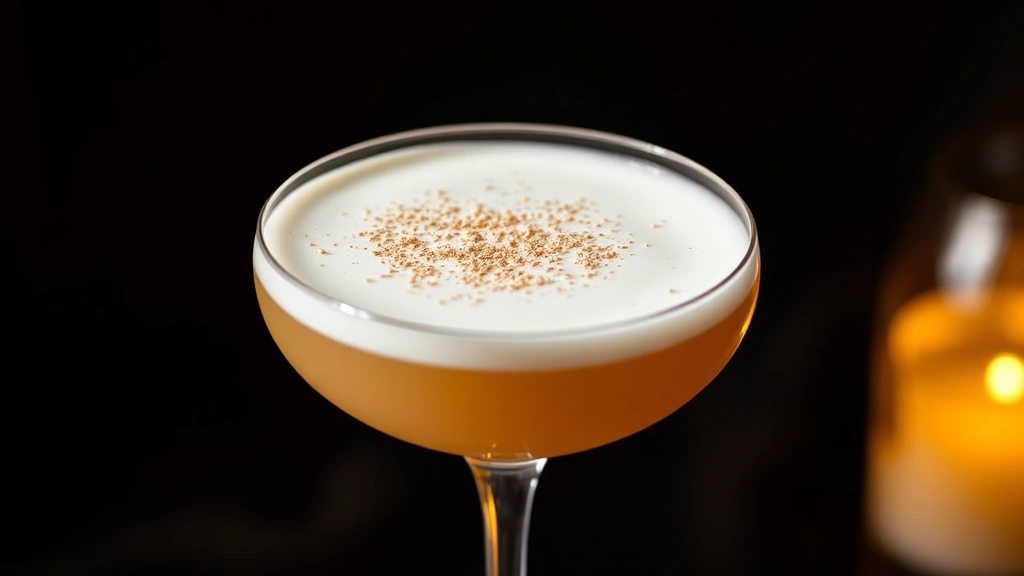
- Garnish with freshly grated nutmeg, creating a light dusting across the foam head. Use your microplane or nutmeg grater to ensure fine, aromatic particles rather than large chunks.
Timing and temperature considerations: Serve the Brandy Alexander immediately after straining. The drink begins losing its ideal temperature and textural qualities within minutes. A properly executed cocktail should be ice-cold, with a slight foam head created by the shaking action and cream’s incorporation.
Bartender Techniques and Tips
Professional bartenders employ several techniques that elevate the Brandy Alexander from acceptable to exceptional. These refinements separate competent mixology from true craft bartending.
Temperature Management
Temperature control profoundly impacts this drink’s final quality. Pre-chill your glassware in a freezer for at least 15 minutes before service. Some upscale establishments maintain dedicated glassware in frozen storage specifically for cream cocktails. Cold glassware prevents premature warming, maintaining the drink’s ideal texture and preventing the cream from becoming greasy or separating.
Additionally, ensure your cream is properly refrigerated and as cold as possible before shaking. Some bartenders store cream in the freezer (without freezing it solid) for 20-30 minutes before service, creating an extra-cold starting point that results in superior final temperature and texture.
Shaking Technique
The way you shake fundamentally affects the cocktail’s outcome. Use vigorous, controlled shaking motions with consistent pressure throughout the 12-15 second duration. Your shaker should feel cold to the touch, and you should hear continuous ice movement and rattling. This aggressive approach accomplishes several goals simultaneously: thorough mixing of ingredients with different densities, rapid chilling to optimal serving temperature, and slight dilution that balances the drink’s intensity.
Some bartenders prefer a specific shaking rhythm—imagine shaking to a steady beat or musical tempo. This consistency develops muscle memory and produces repeatable results across multiple drinks. The goal is vigorous but controlled motion that maximizes contact between ingredients and ice without aggressive splashing or loss of product.
Cream Incorporation
Quality bartenders understand that cream in cocktails requires special attention. When shaking, the cream should emulsify slightly, creating a subtle foam head and smooth texture throughout the drink. Insufficient shaking results in separated, greasy cream at the drink’s bottom. Excessive shaking can create an overly thick, milkshake-like consistency.
The ideal Brandy Alexander should have a silky mouthfeel with a delicate foam head—not an airy, whipped texture. This balance comes from proper shaking duration and technique rather than from adding additional ingredients or using whipped cream.
Ingredient Quality Impact
The difference between premium and budget ingredients becomes immediately apparent in cream cocktails. Use high-quality brandy from reputable producers, fresh cream with excellent flavor, and well-regarded crème de cacao. These investments directly translate to superior flavor, better texture, and a more professional drinking experience.
Variations and Creative Twists
While the classic Brandy Alexander remains timeless, bartenders and home enthusiasts have developed interesting variations that maintain the drink’s essential character while introducing new dimensions. When exploring fall recipes and seasonal entertaining, these variations prove particularly valuable.
The Alexander Variation
Some bartenders prepare an “Alexander” using gin instead of brandy, creating a lighter, more botanical character. The gin’s juniper and herbal notes provide interesting contrast to the chocolate and vanilla elements. This variation works particularly well for afternoon service or when seeking something less heavy than the classic brandy version.
Chocolate-Forward Variations
Bartenders occasionally substitute dark crème de cacao for white, creating a deeper chocolate flavor. Some establishments add a small barspoon of chocolate liqueur (like Godiva) alongside the crème de cacao, intensifying the chocolate character. These variations appeal to chocolate enthusiasts and pair beautifully with after-dinner service.
Spiced and Herbal Twists
Creative bartenders experiment with spiced rum or cognac-based spirits in place of standard brandy, introducing warming spice notes. Others add small amounts of herbal liqueurs like Benedictine or Chartreuse, adding complexity while maintaining the cream cocktail structure. These variations work particularly well during colder months when warming spice flavors feel especially welcome.
Lighter Cream Alternatives
For health-conscious guests, some bartenders prepare versions using half-and-half instead of heavy cream, creating a lighter mouthfeel while maintaining the drink’s essential character. Others experiment with oat cream or other plant-based alternatives, though these generally produce less satisfying results than traditional dairy cream.
Serving and Presentation
Professional presentation elevates the Brandy Alexander from a simple mixed drink to a refined cocktail experience. Several elements contribute to proper service and visual appeal.
Glassware Selection
The classic coupe glass (also called a cocktail glass) represents the traditional choice for Brandy Alexanders. This elegant stemware holds approximately 4-5 ounces and presents the drink beautifully while the stem keeps hands away from the bowl, preventing premature warming. The coupe’s wide bowl showcases the drink’s color and foam head appealingly. Some contemporary bartenders use Nick and Nora glasses or other vintage-inspired stemware, which also work beautifully.
Garnish Execution
Proper garnishing requires attention and technique. Use a microplane grater or fine nutmeg grater to create delicate, aromatic particles rather than large, visible chunks. Dust the nutmeg lightly across the foam head, creating visual appeal without overwhelming the drink with spice. Some bartenders create a light “cross-hatch” pattern or simple dusting—both approaches work well.
For enhanced presentation, some establishments add a small chocolate curl or thin chocolate wafer alongside the nutmeg garnish. These visual elements communicate quality and care without overwhelming the drink’s essential character.
Serving Temperature and Timing
Serve the Brandy Alexander immediately upon completion. The drink begins deteriorating within 2-3 minutes as temperature rises and the cream begins separating. Never allow a prepared cocktail to sit waiting for service. Instead, prepare cocktails only when ready to serve them immediately.
Educate guests about the drink’s ideal consumption method: small, savoring sips that allow the complex flavors to develop across the palate. This isn’t a drink for rapid consumption but rather a refined sipper meant for leisurely enjoyment, perhaps accompanying dessert or after-dinner conversation.
Pairing and Occasion Recommendations
The Brandy Alexander pairs beautifully with rich desserts, chocolate-based confections, or simply as a standalone digestif. Consider serving it after formal dinners, during upscale entertaining, or as a sophisticated nightcap. The drink’s dessert-like character makes it particularly appropriate for special occasions and celebrations. When planning entertaining with organic ingredients and quality products, the Brandy Alexander represents an excellent conclusion to the meal.
FAQ
Can I make a Brandy Alexander without alcohol?
Creating a truly alcohol-free version proves challenging, as brandy and crème de cacao provide essential flavor components. However, you could experiment with non-alcoholic brandy alternatives combined with chocolate syrup and cream, though the result differs significantly from the classic cocktail. Most enthusiasts prefer enjoying the traditional version in moderation rather than attempting substitutes.
How far in advance can I prepare Brandy Alexanders for a party?
Prepare cocktails only immediately before serving. The cream begins separating and the drink loses optimal temperature within minutes. For parties, consider preparing ingredients in advance (measuring spirits and having cream ready) but execute the actual shaking and straining just before guests receive their drinks. This approach maintains quality while managing timing efficiently.
What’s the difference between crème de cacao and chocolate liqueur?
Crème de cacao is a vanilla-chocolate liqueur with a lighter, more delicate chocolate character, while chocolate liqueur (like Godiva) provides deeper, more intense chocolate flavor. For traditional Brandy Alexanders, crème de cacao delivers the proper balance. Chocolate liqueur works better as a supplementary ingredient in variations rather than the primary chocolate component.
Can I use whipped cream instead of heavy cream?
Using pre-whipped cream produces an overly airy, milkshake-like drink that lacks the silky texture of a properly prepared Brandy Alexander. Always shake the cocktail with liquid heavy cream, which emulsifies slightly during shaking to create the ideal texture. Whipped cream changes the fundamental character of the drink undesirably.
What’s the best brandy for Brandy Alexanders?
Cognac VSOP represents the sweet spot for quality and value, offering excellent flavor without premium XO pricing. Brands like Hennessy, Courvoisier, and Rémy Martin all produce solid VSOP options. Avoid inexpensive brandy, as its harsh character undermines the cocktail. When learning how to craft quality homemade beverages and components, investing in proper spirits proves essential.
Should I add simple syrup to my cream before shaking?
This remains optional and somewhat controversial. Some bartenders add a small barspoon of simple syrup to balance the drink’s sweetness, particularly if using less sweet brandy. However, quality crème de cacao provides sufficient sweetness in a properly balanced cocktail. Experiment with and without to determine your preference.
How do I prevent the cream from separating?
Proper shaking technique prevents separation. Shake vigorously for 12-15 seconds with consistent pressure, ensuring thorough mixing and slight emulsification of the cream. Use fresh, cold cream and proper technique rather than adding stabilizers or other ingredients. The cream should emulsify slightly rather than separate, creating a silky texture.
Can I batch Brandy Alexanders in advance?
Batching cream cocktails is problematic, as the cream will separate during storage. Instead, prepare ingredients in advance and execute individual cocktails just before serving. This approach maintains quality while managing timing for entertaining purposes.


