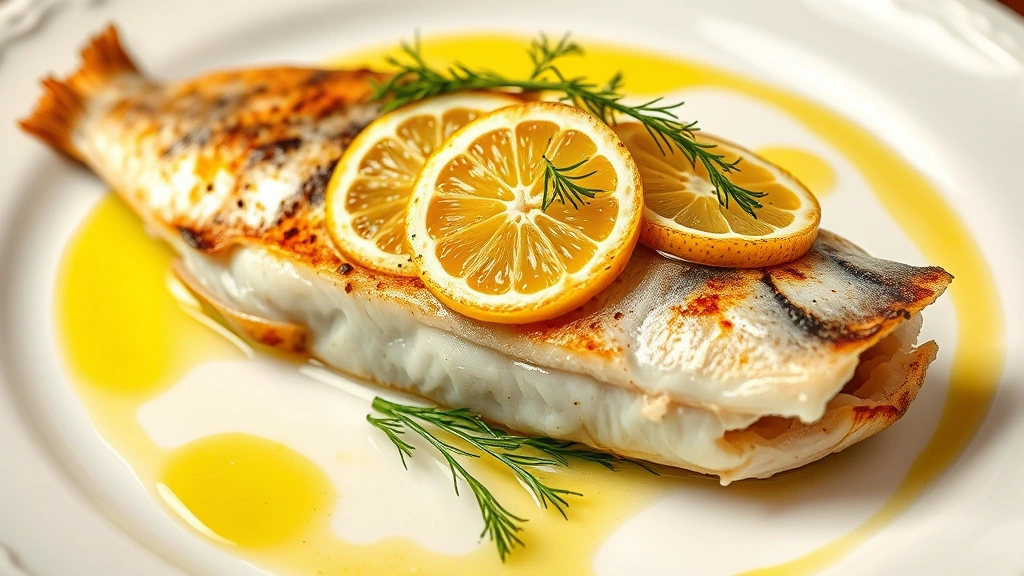
How to Cook Branzino? Chef-Approved Method
Branzino, also known as European sea bass, is a prized fish among professional chefs and home cooks alike. With its delicate, flaky white flesh and subtle briny flavor, this Mediterranean delicacy deserves a cooking method that honors its natural qualities. Whether you’re preparing dinner for guests or treating yourself to restaurant-quality cuisine at home, mastering the art of cooking branzino will elevate your seafood game significantly. This comprehensive guide walks you through proven techniques that professional chefs use to achieve perfectly cooked branzino every single time.
The beauty of branzino lies in its versatility. Unlike some delicate fish that require careful handling, branzino’s firm texture allows it to withstand various cooking methods from pan-searing to whole roasting. The key to exceptional results isn’t complicated—it’s about understanding the fish’s properties, timing your cooking precisely, and using quality ingredients. In this guide, we’ll explore multiple chef-approved approaches that work for different skill levels and kitchen setups, ensuring you’ll find a method that suits your needs perfectly.
Understanding Branzino
Branzino (Dicentrarchus labrax) originates from the Mediterranean and Atlantic coastal regions, where it has been a culinary staple for centuries. This fish belongs to the sea bass family and is prized for its tender, sweet meat that cooks beautifully without becoming dry or tough. The flesh contains natural oils that keep it moist during cooking, making it forgiving for both beginners and experienced cooks. Professional chefs favor branzino because it accepts various flavor profiles—from simple lemon and olive oil preparations to complex herb-infused dishes.
The fish typically weighs between one to three pounds when sold whole, though you can also purchase fillets. A whole branzino is ideal for impressive table presentation and develops superior flavor through bone-in cooking. The skin crisps beautifully when properly seared, creating a textural contrast with the tender flesh beneath. Understanding these characteristics helps you choose the right cooking method and set appropriate expectations for texture and appearance.
Selecting and Preparing Your Fish
Quality begins at the market. When selecting fresh branzino, look for clear, bright eyes and firm, springy flesh that bounces back when gently pressed. The gills should be bright red or pink, never brown or gray. Fresh fish has a clean ocean smell; avoid any with a strong fishy odor, which indicates age. Ask your fishmonger to scale and gut the fish if you’re uncomfortable doing it yourself—they’ll do it quickly and expertly.
Once home, pat your branzino dry with paper towels. Moisture on the skin prevents proper browning and crisping, so this step is crucial. If cooking within a few hours, keep the fish in the coldest part of your refrigerator. Remove it about fifteen minutes before cooking to allow it to come slightly closer to room temperature, which ensures even cooking throughout.
For filleting, use a sharp knife and cut from the head toward the tail, following the backbone. Work slowly and deliberately to minimize waste. If you’re uncertain about filleting, most fishmongers offer this service at minimal cost. Whether whole or filleted, ensure the fish is completely dry before cooking—this cannot be overstated as it directly impacts your final results.
Pan-Searing Method
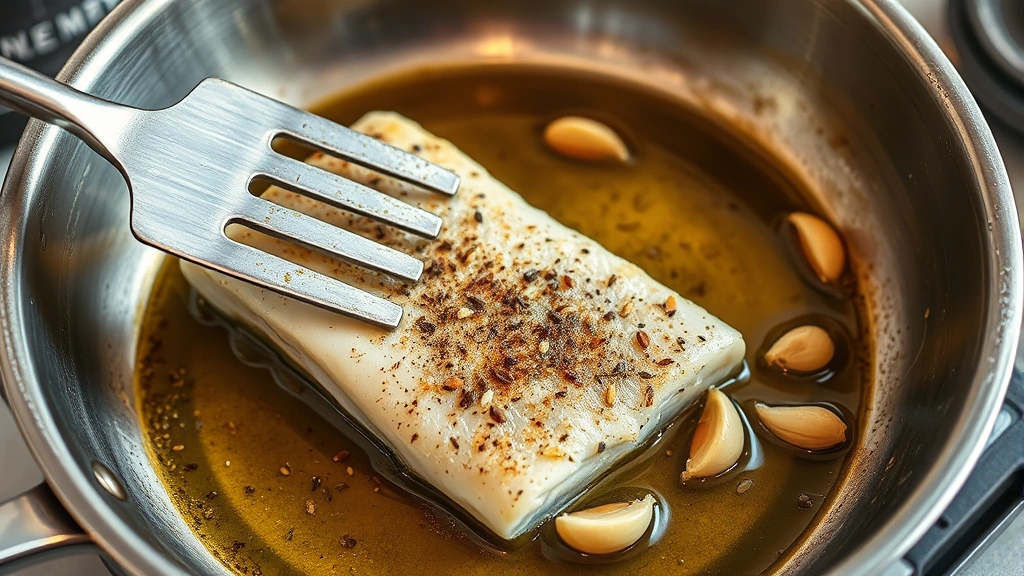
Pan-searing is the quickest and most popular method for cooking branzino fillets. This technique creates a gorgeous golden crust while keeping the interior tender and moist. Heat a stainless steel or cast-iron skillet over medium-high heat for about two minutes until it’s properly preheated. Add enough olive oil to coat the bottom—approximately two tablespoons for a twelve-inch pan.
Wait until the oil shimmers and just begins to smoke slightly before placing the fish skin-side down into the pan. You should hear an immediate sizzle; this indicates proper heat transfer. Resist the urge to move the fish—let it sit undisturbed for three to four minutes. This allows the skin to crisp and develop a flavorful golden-brown crust. The fish will naturally release from the pan when the skin is properly crisped; if you try to move it earlier, it will stick and tear.
After three to four minutes, gently flip the fillet using a thin, flexible spatula. Cook for an additional two to three minutes on the flesh side, depending on thickness. The fish is done when it flakes easily with a fork and the flesh is opaque throughout. For a one-inch-thick fillet, seven minutes total cooking time is ideal. Thinner fillets may need only five minutes total, while thicker pieces might require nine minutes.
This method works exceptionally well when you add aromatics to the pan during the final minutes. Try tossing in minced garlic, fresh thyme, or thinly sliced lemon rounds during the last minute of cooking. The residual heat will infuse the fish with these flavors without burning them. Finish with a squeeze of fresh lemon juice and a sprinkle of fleur de sel for restaurant-quality results.
Whole Roasted Branzino
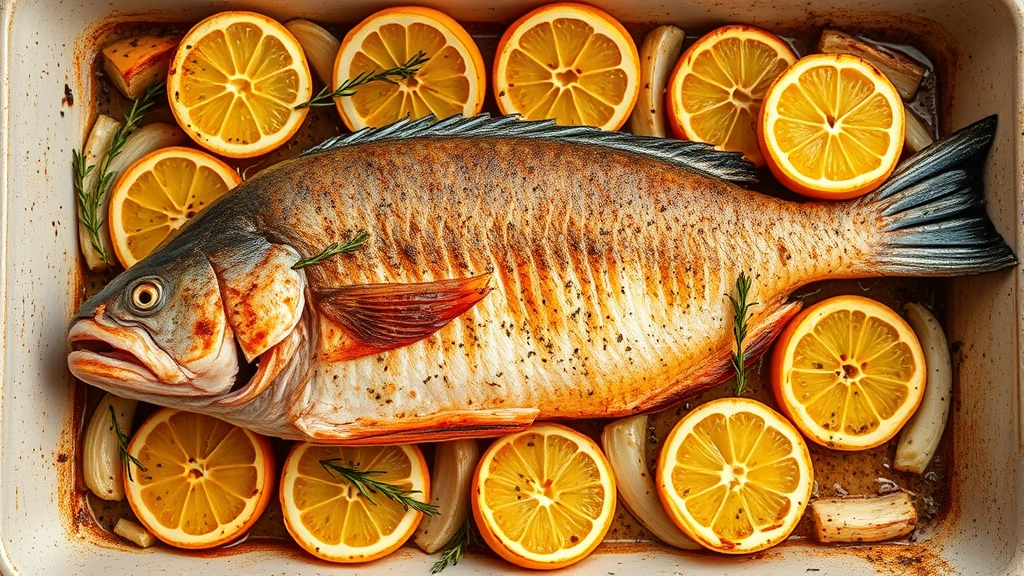
Roasting a whole branzino creates an impressive centerpiece that tastes as good as it looks. Preheat your oven to 425°F (220°C). Pat your cleaned whole fish dry inside and out—moisture trapped in the cavity prevents proper cooking. Season the interior generously with sea salt and black pepper, then stuff it with aromatics. Classic combinations include lemon slices with fresh dill, or fennel wedges with orange segments and tarragon. These ingredients perfume the flesh as it cooks.
Place the stuffed fish on a parchment-lined baking sheet or in a shallow baking dish. Rub the exterior with olive oil, then season all over with salt and pepper. Score the skin diagonally in two or three places—this prevents the skin from bursting and allows heat to penetrate evenly. Arrange additional lemon slices, herbs, or thin vegetable slices along the top for presentation.
Roast for fifteen to twenty minutes, depending on the fish’s size. A two-pound whole branzino typically needs eighteen minutes. The fish is done when the eye socket area feels soft and the flesh near the backbone is opaque. You can also test by inserting a thin skewer near the backbone—it should slide through with minimal resistance. The skin should be golden brown and slightly crispy.
Remove from the oven and let rest for three minutes before serving. This brief rest allows carryover cooking to complete gently. Serve the whole fish family-style, or fillet it tableside for dramatic presentation. The bones add incredible flavor to the cooking process, making this method superior to fillets in terms of taste.
Poaching Technique
Poaching produces incredibly tender, delicate branzino perfect for lighter meals or when you want to avoid oil. Create a court-bouillon by combining water with white wine, sliced onions, celery, carrot, bay leaves, and fresh thyme in a large shallow pan. Bring to a gentle simmer and let it infuse for ten minutes. The aromatics flavor the cooking liquid, which in turn flavors your fish.
Reduce heat until the liquid barely simmers—you should see only occasional bubbles breaking the surface. Gently place your branzino fillets or whole fish into the hot liquid. The temperature should be around 160-170°F (71-77°C). If the liquid boils vigorously, it will toughen the delicate flesh. Poach fillets for six to eight minutes and whole fish for twelve to fifteen minutes, depending on size.
The fish is ready when the flesh turns opaque and flakes easily. Remove it carefully with a wide slotted spatula or fish spatula. Serve immediately with the poaching liquid spooned around it, or reserve the liquid to make a light sauce by reducing it and finishing with a touch of cream or butter. This method is ideal when preparing branzino for foods rich in antioxidants focused meals, as the gentle cooking preserves nutritional integrity.
Grilling Your Branzino
Grilling imparts wonderful smoky flavor and creates beautiful char marks on the skin. Whether using a charcoal or gas grill, aim for medium-high heat—approximately 400°F (204°C). Oil your grill grates thoroughly to prevent sticking. Whole branzino works best for grilling because the skin protects the delicate flesh beneath from direct heat.
Pat your fish completely dry and brush both sides with olive oil. Season inside and out with salt and pepper. If using a whole fish, stuff it with lemon slices and fresh herbs as described in the roasting method. Place the fish directly on the oiled grates, perpendicular to them. Resist moving it for the first four minutes—this allows the skin to crisp and prevents sticking.
Gently flip using two thin spatulas or a fish spatula and specialized grill tool. Cook the other side for three to four minutes. Total cooking time for a two-pound whole branzino is typically seven to eight minutes. The skin should be slightly charred and crispy, while the flesh remains moist. If you’re grilling fillets, cook skin-side down for four minutes, then flip and cook for two to three minutes until just cooked through.
A useful tip: create a cool zone on your grill by turning off one burner (for gas) or pushing coals to the side (for charcoal). If the fish is browning too quickly, move it to this cooler area to finish cooking gently. This prevents the exterior from burning before the interior cooks through.
Essential Seasoning Guide
Branzino’s delicate flavor pairs beautifully with simple seasonings that don’t overpower the fish. Sea salt and freshly ground black pepper are the foundation—never use pre-ground pepper, which has lost its volatile oils. Bright acidity from lemon, lime, or white wine vinegar complements the fish’s natural sweetness perfectly.
Mediterranean herbs enhance branzino without overwhelming it. Fresh dill, fennel fronds, tarragon, and parsley are classic choices. Thyme and oregano work well, particularly in Greek or Italian preparations. Avoid heavy spices like cumin or chili powder unless you’re deliberately creating a fusion dish. Garlic and shallots add depth when used judiciously—mince them finely and add near the end of cooking to prevent burning.
Consider preparing a compound butter for finishing: mix softened butter with minced fresh herbs, lemon zest, and a pinch of salt. Place a spoonful on your hot cooked fish just before serving—it melts beautifully and creates a luxurious sauce. Alternatively, make a beurre blanc or hollandaise if you’re feeling ambitious. These classical sauces elevate branzino to restaurant-quality presentations.
Timing and Doneness
The most common mistake when cooking branzino is overcooking. Fish continues cooking after you remove it from heat due to carryover cooking. Remove branzino when the flesh is just barely opaque, with perhaps a slight hint of translucency in the thickest part. It will finish cooking as it rests.
Use the fork test: gently press the fish with a fork. Properly cooked branzino should flake easily into large, moist pieces. If you need to apply pressure or if the flakes are very small and dry, you’ve overcooked it. For fillets, the fish is perfectly done when the flesh on the underside (where the skin was) remains moist and slightly glossy rather than chalky and dry.
Temperature is another guide: insert an instant-read thermometer into the thickest part of the fish without touching bone. The target is 145°F (63°C) for perfectly cooked fish. Remove it at 140°F (60°C) if you prefer it slightly more delicate, as carryover cooking will bring it to 145°F. This precision ensures consistent results every time you cook branzino.
Timing varies by cooking method and fish size: pan-seared fillets need five to eight minutes total, whole roasted branzino needs fifteen to twenty minutes at 425°F, poached fish needs six to fifteen minutes depending on size, and grilled whole fish needs seven to eight minutes. Keep notes on your specific equipment and fish sizes to develop intuition over time.
Pairing your cooked branzino with complementary sides enhances the entire meal. Light vegetable dishes work beautifully—try roasted asparagus, sautéed spinach with garlic, or a fresh fennel salad with lemon vinaigrette. Starchy sides should be equally refined: creamed potatoes, risotto, or crusty bread for soaking up pan juices. Avoid heavy cream sauces that mask the fish’s delicate flavor. Instead, let the fish shine with a simple pan sauce made from the cooking liquid, white wine, and fresh herbs.
Wine pairing elevates the dining experience. Light, crisp white wines like Sauvignon Blanc, Pinot Grigio, or Chablis complement branzino’s subtle flavors without competing. If you prefer rosé, choose a dry Provençal style. Avoid heavily oaked or buttery wines—they overwhelm the fish. A squeeze of fresh lemon and a glass of chilled white wine is the classic pairing that professional restaurants serve for good reason.
Storage matters if you have leftovers, though fresh-cooked branzino is best enjoyed immediately. Keep any leftover cooked fish in an airtight container in the refrigerator for up to two days. Reheat gently in a low oven (275°F) with a little moisture to prevent drying. Alternatively, flake the cooled fish and incorporate it into salads or grain bowls for a different presentation.
Developing confidence with branzino opens doors to exploring other delicate fish varieties. Once you master these techniques, you can apply them to halibut, sea bream, or flounder with similar results. The principles remain constant: respect the fish’s delicate nature, ensure proper heat control, avoid overcooking, and use complementary seasonings. Your seafood repertoire will expand significantly, allowing you to create impressive meals that feel restaurant-quality yet achievable at home.
Remember that cooking is about experimentation and learning from experience. Your first attempt at whole roasted branzino might not be perfect, but each subsequent cook teaches you something valuable about your equipment, ingredients, and preferences. Keep notes, adjust seasonings to your taste, and don’t hesitate to try different methods. Professional chefs developed their skills through countless repetitions—yours will improve with each fish you cook.
FAQ
Can I cook branzino if it’s frozen?
Yes, but thaw it completely in the refrigerator first—allow twenty-four hours for a whole fish or eight hours for fillets. Cooking frozen fish results in uneven texture and incomplete seasoning penetration. Pat it thoroughly dry after thawing before cooking, as thawed fish releases more moisture than fresh.
What’s the difference between branzino and other sea bass varieties?
Branzino (European sea bass) has finer, more delicate flesh than striped bass or black sea bass. It’s smaller, typically one to three pounds, making it perfect for individual portions. The flavor is slightly sweeter and more refined, which is why chefs prefer it for elegant preparations.
How do I know if my branzino is truly fresh?
Fresh branzino has clear, bright eyes, firm flesh that springs back when pressed, bright red or pink gills, and a clean ocean smell. Avoid any fish with cloudy eyes, mushy flesh, brown gills, or a strong fishy odor. The best indicator is shopping at reputable fishmongers who turn over their inventory quickly.
Can I prepare branzino ahead of time?
You can prepare components ahead—make compound butter the day before, prepare vegetables, and organize your workspace. However, cook the fish itself just before serving. You can season it and stuff it up to two hours before cooking, keeping it refrigerated. The exception is poached branzino, which can be prepared a few hours ahead and served chilled.
What’s the best way to serve whole roasted branzino?
Serve it whole on a platter with lemon wedges and fresh herbs for impressive presentation. Alternatively, fillet it at the table for dramatic service. To fillet, cut down the backbone from head to tail, then use a fork to separate the top fillet from the bones. Flip and repeat on the other side.
Is branzino sustainable and environmentally friendly?
Farmed branzino from responsible sources is generally sustainable. Look for certification from organizations like the Aquaculture Stewardship Council. Wild-caught branzino is less sustainable due to overfishing concerns in the Mediterranean. Ask your fishmonger about the source and farming practices when possible.
How can I tell when branzino is overcooked?
Overcooked branzino becomes dry, chalky, and loses its delicate texture. The flesh becomes opaque throughout and flakes into small pieces rather than large, moist flakes. Prevention is key—remove the fish when it’s just barely opaque and let carryover cooking finish the job gently.
What should I do with the branzino bones and head?
Save them for making stock or fumet. Simmer the bones with water, white wine, onion, celery, and herbs for thirty minutes to create a flavorful fish stock. Strain and freeze it for future use in sauces, risotto, or soup. Professional chefs never waste these flavorful components.
Can I cook branzino with the skin on for fillets?
Absolutely—skin-on fillets are preferable because the skin crisps beautifully and protects the delicate flesh beneath. Pan-sear skin-side down first to achieve crispy, golden skin, then finish on the flesh side. Always pat the skin completely dry before cooking for best results.
What’s a good branzino recipe for beginners?
Start with simple pan-seared fillets. Season with salt and pepper, pan-sear skin-side down for four minutes, flip and cook for two to three minutes, finish with a squeeze of lemon and a drizzle of quality olive oil. This teaches you the fundamentals without complicated techniques or sauces. Once comfortable, explore whole roasting or poaching methods.


