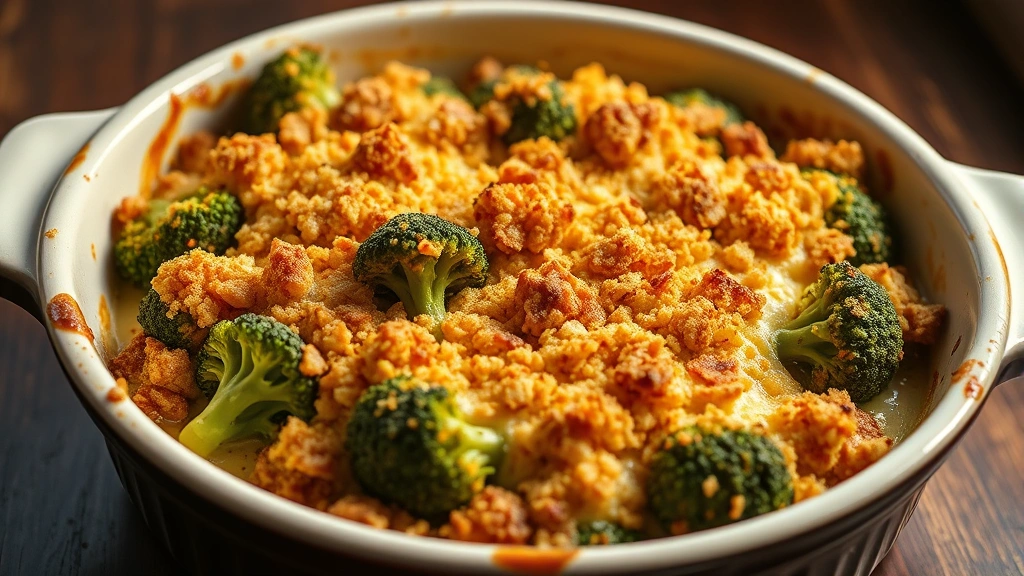
Broccoli casserole doesn’t need a can of cream soup to be delicious. This creamy, comforting dish proves that homemade sauces deliver superior flavor and texture while giving you complete control over ingredients. Whether you’re cooking for a weeknight dinner or preparing a side dish for a holiday gathering, this soup-free broccoli casserole is an elegant solution that feels restaurant-quality yet remains simple enough for any home cook.
Traditional broccoli casserole recipes rely heavily on canned cream soup as a binding agent, but that approach often results in a one-dimensional, overly salty dish. By creating your own creamy sauce from scratch, you unlock endless customization possibilities. Add sharp cheddar for depth, incorporate crispy bacon for smokiness, or layer in roasted garlic for sophistication. This recipe respects the natural sweetness of broccoli while building complexity through proper technique and quality ingredients.
Why Skip the Soup Mix
Canned cream soup contains additives, excessive sodium, and artificial flavoring that mask the natural goodness of fresh broccoli. When you make a homemade sauce, you’re investing just five extra minutes to dramatically improve the final dish. The difference is immediately apparent in both taste and texture.
A proper broccoli casserole sauce should coat the vegetables evenly, maintain its structure during baking, and develop a golden crust on top. This requires understanding the science behind cream sauces. Most importantly, you’ll appreciate how fresh cream, real butter, and quality cheese create a sauce that’s genuinely luxurious rather than merely thick.
The health benefits are substantial too. By controlling sodium levels and eliminating preservatives, you’re creating a dish that fits modern dietary preferences while still delivering comfort food satisfaction. Your family will taste the difference immediately, and guests will ask for the recipe.
Essential Ingredients
Gather these ingredients before you begin. Quality matters significantly when working with simple components like cream and cheese.
- Fresh broccoli crowns: Two pounds, cut into uniform florets for even cooking
- Unsalted butter: Four tablespoons, essential for building the sauce base
- All-purpose flour: Three tablespoons, creates the roux that thickens your sauce
- Whole milk: One and one-half cups, provides creamy body
- Heavy cream: One-half cup, adds richness and prevents curdling
- Sharp cheddar cheese: One and one-half cups, freshly grated for superior melting
- Gruyère cheese: One-half cup, adds nutty complexity
- Kosher salt: One teaspoon, adjusted to taste
- Black pepper: One-half teaspoon, freshly ground
- Nutmeg: One-quarter teaspoon, brightens cream sauces
- Panko breadcrumbs: One cup, for the topping
- Parmesan cheese: One-half cup, grated for topping
- Crispy bacon: Six strips, optional but highly recommended
The combination of cheddar and Gruyère creates depth that single-cheese sauces cannot achieve. Gruyère melts smoothly and adds a subtle sweetness, while cheddar provides sharpness and body. Together, they create a balanced, sophisticated flavor profile.
Step-by-Step Instructions
Prepare your broccoli: Wash fresh broccoli thoroughly and cut into uniform florets approximately two inches long. Bring a large pot of salted water to a rolling boil and blanch the broccoli for three to four minutes until it’s bright green and just barely tender. This pre-cooking step ensures the broccoli won’t release excess water during baking, which would make your casserole watery. Drain thoroughly and set aside in a large mixing bowl.
Create the roux foundation: Melt butter in a heavy-bottomed saucepan over medium heat. Once melted and foaming, sprinkle flour evenly over the butter while whisking constantly. Continue whisking for two to three minutes, allowing the flour to cook and absorb the butter. This step is crucial—the roux should smell slightly nutty but never brown or burnt. You’re building the thickening agent that will transform liquid cream into silky sauce.
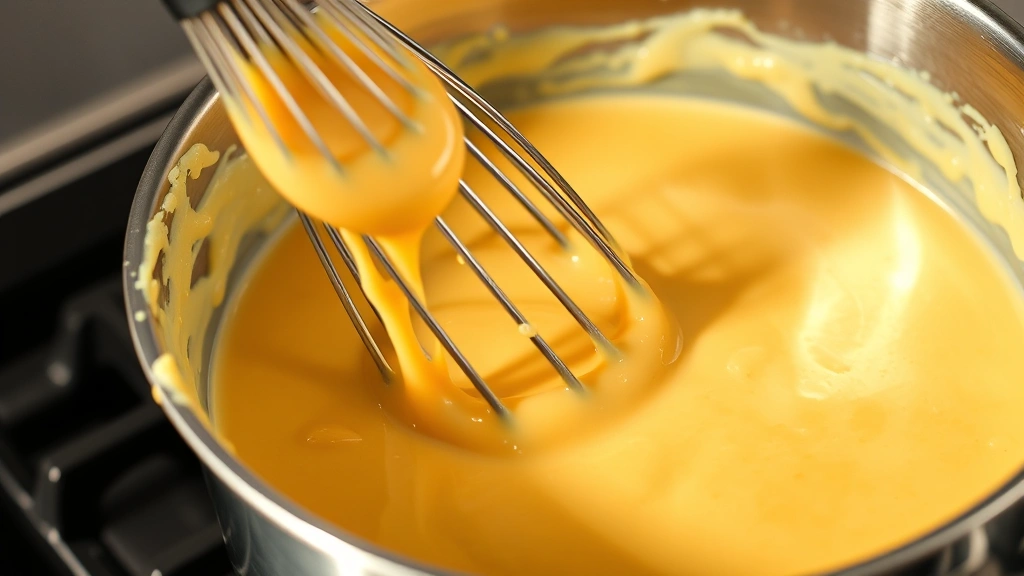
Build the sauce gradually: Reduce heat to medium-low and slowly pour milk into the roux while whisking continuously. Work in stages rather than dumping all the liquid at once. Add about one-third of the milk, whisk until completely smooth, then add another third, whisking again. Finally, add the remaining milk and the heavy cream, whisking until the mixture is completely lump-free. This gradual approach prevents lumps that can ruin your sauce.
Season and finish: Continue cooking over medium heat, stirring frequently, until the sauce thickens enough to coat the back of a spoon, approximately five to seven minutes. Remove from heat and add salt, pepper, and nutmeg. Stir in the grated cheddar and Gruyère cheeses, mixing until completely melted and smooth. Taste and adjust seasoning as needed. The sauce should taste slightly over-seasoned at this point since it will be diluted when combined with broccoli.
Combine components: Pour the warm cheese sauce over the blanched broccoli and fold gently to coat evenly. If using crispy bacon, crumble it and fold it in at this stage. Transfer the mixture to a buttered nine-by-thirteen-inch baking dish, spreading it evenly. You can prepare the casserole up to this point, cover it, and refrigerate for up to twenty-four hours before baking.
Sauce Techniques That Matter
Understanding proper sauce construction transforms your cooking. The foundation is a béchamel sauce, which is one of the five French mother sauces. Learning this technique opens doors to countless dishes from pasta dishes to gratins.
Temperature control is essential throughout sauce-making. If your heat is too high, the sauce may break or separate. If it’s too low, the flour won’t cook properly and you’ll taste raw flour. Medium heat is your sweet spot. Always whisk constantly to distribute heat evenly and prevent scorching on the bottom.
The ratio of butter to flour to liquid should be roughly equal by volume: one tablespoon each of butter and flour per one cup of liquid. This broccoli casserole uses slightly less flour because the cheese adds additional thickening power. Understanding this ratio lets you adjust recipes confidently.
Cheese selection dramatically affects your final result. Pre-shredded cheese contains anti-caking agents that prevent smooth melting. Always purchase a cheese block and grate it yourself using a box grater or food processor. The texture and melt quality will be noticeably superior. Avoid using processed cheese singles entirely—they contain emulsifiers that create a greasy, separated sauce.
Adding cheese to hot sauce requires gentle handling. Never add cold cheese to boiling sauce, as the temperature shock can cause separation. Always remove the pan from heat before adding cheese, then stir gently until melted. This preserves the emulsion and ensures a smooth, creamy texture.
Topping Variations
The topping provides textural contrast and visual appeal. While panko and Parmesan are classic choices, numerous variations work beautifully.
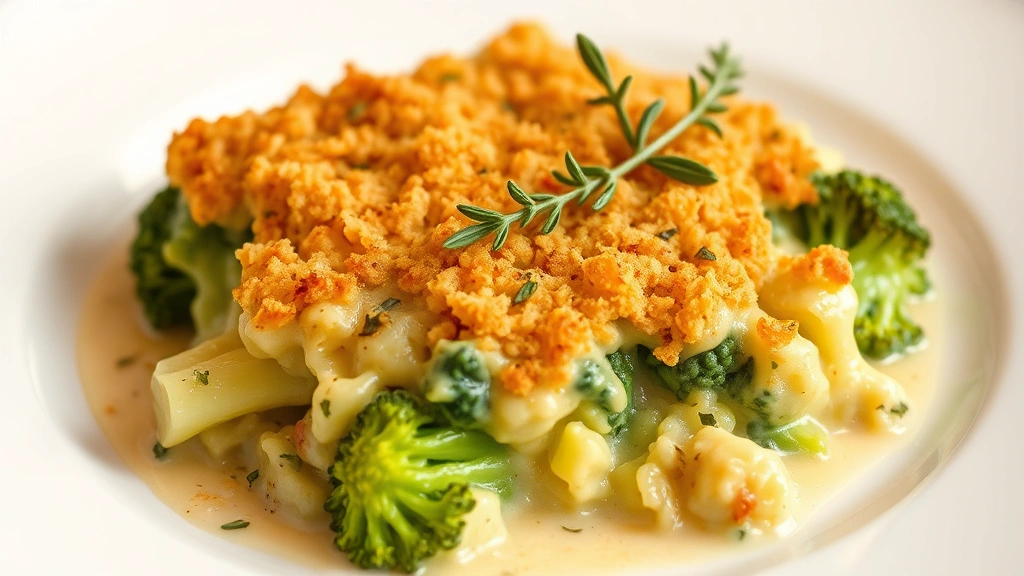
Classic Crispy Topping: Combine one cup panko breadcrumbs with one-half cup grated Parmesan cheese, four tablespoons melted butter, one teaspoon dried thyme, and one-half teaspoon garlic powder. Mix until the breadcrumbs are evenly coated with butter, then spread over the casserole.
Bacon-Cheddar Crunch: Mix panko with crumbled crispy bacon, sharp cheddar cheese, and fresh parsley. This variation adds smokiness and depth that complements the creamy sauce beautifully.
French Onion Style: Caramelize sliced onions separately until deeply golden, then combine with panko, Gruyère, and fresh thyme. This creates an sophisticated variation worthy of dinner parties.
Herb-Forward Topping: Combine panko with grated Parmesan, fresh breadcrumbs, minced fresh herbs (thyme, parsley, and chives), and lemon zest. This bright variation works especially well in spring and summer.
Nut-Based Topping: Mix crushed walnuts or pecans with panko, Parmesan, and melted butter. Nuts add richness and create interesting textural contrast.
Whichever topping you choose, the key is ensuring the breadcrumbs are coated with fat (butter or oil) so they brown evenly and crisp properly during baking.
Baking and Serving
Preheat your oven to 375°F. Spread your chosen topping evenly over the broccoli mixture in the prepared baking dish. Bake for twenty-five to thirty minutes until the topping is golden brown and the sauce bubbles slightly at the edges. The casserole is done when the topping achieves deep golden-brown color—this indicates proper crisping rather than just browning.
If your topping is browning too quickly before the center heats through, tent the casserole loosely with aluminum foil and reduce oven temperature to 350°F. Continue baking until the center is hot and the edges bubble gently.
Remove from the oven and let rest for five minutes before serving. This resting period allows the sauce to set slightly, making the casserole easier to portion. The residual heat will continue cooking the broccoli slightly, ensuring perfect tenderness.
Serve this casserole alongside grilled proteins like Chilean sea bass or roasted chicken. It also pairs beautifully with fresh summer salads for balanced meals. Leftovers reheat beautifully—cover and bake at 350°F for fifteen minutes, or reheat individual portions in the microwave.
This broccoli casserole serves eight to ten people as a side dish, or six as a vegetarian main course. The recipe doubles easily for larger gatherings. Simply use a nine-by-thirteen-inch baking dish and increase baking time by five to ten minutes.
For make-ahead convenience, prepare the casserole through the topping stage, cover tightly with plastic wrap, and refrigerate for up to twenty-four hours. When ready to bake, add five to ten extra minutes to the baking time since you’re starting from cold.
FAQ
Can I use frozen broccoli instead of fresh?
Fresh broccoli is preferable because frozen broccoli contains excess moisture. If you must use frozen, thaw it completely and squeeze out excess water using paper towels or a clean kitchen towel. Pat dry thoroughly before adding to the sauce. This extra step prevents your casserole from becoming watery.
What if my cheese sauce is lumpy?
Lumpy sauce usually results from adding cold cheese to hot liquid or whisking insufficiently during the milk addition. To salvage lumpy sauce, strain it through a fine-mesh sieve into a clean pot, pressing gently with the back of a spoon. Reheat gently over low heat, whisking constantly, then add cheese slowly. Alternatively, use an immersion blender to puree the sauce until smooth.
Can I make this casserole dairy-free?
Yes, though the result will differ slightly. Use dairy-free butter, unsweetened plant-based milk, and dairy-free cheese alternatives. Nutritional yeast adds cheesy flavor. The sauce may be slightly less rich, but the casserole remains delicious and satisfying.
How long does this casserole keep?
Properly stored in an airtight container, broccoli casserole keeps for three to four days in the refrigerator. It doesn’t freeze well due to the creamy sauce texture, which can become grainy after thawing. Plan to enjoy it fresh or within a few days.
What can I add for extra protein?
Crispy bacon is the classic choice. You can also add diced ham, cooked sausage, or crumbled ground beef. For vegetarian protein, stir in cooked lentils or chickpeas. These additions make the casserole heartier and more suitable as a main course.
Can I use a different cheese combination?
Absolutely. Try sharp cheddar and aged Gouda for smokiness, or fontina and Parmesan for Italian-inspired flavor. Swiss cheese creates a milder casserole. Experiment with your favorite cheese combinations, keeping roughly equal ratios of sharp and mild cheeses for balanced flavor.
Why is my casserole watery?
Excess water usually comes from insufficiently drained blanched broccoli or frozen broccoli that wasn’t properly thawed and dried. Always blanch fresh broccoli and drain thoroughly. If using frozen, thaw completely and squeeze out moisture. Additionally, ensure your sauce is thick enough—it should coat a spoon before adding cheese.
Can I prepare this the day before?
Yes, this is one of the casserole’s greatest strengths. Prepare through the topping stage, cover tightly, and refrigerate overnight. Bake directly from the refrigerator, adding five to ten extra minutes to the baking time. This makes it perfect for holiday gatherings and meal planning.
External Resources: ChefSteps Béchamel Technique Guide | Cook’s Illustrated Cheese Selection Guide | Serious Eats Vegetable Gratin Techniques | The Spruce Eats Blanching Guide | King Arthur Baking Cheese Grating Tips


