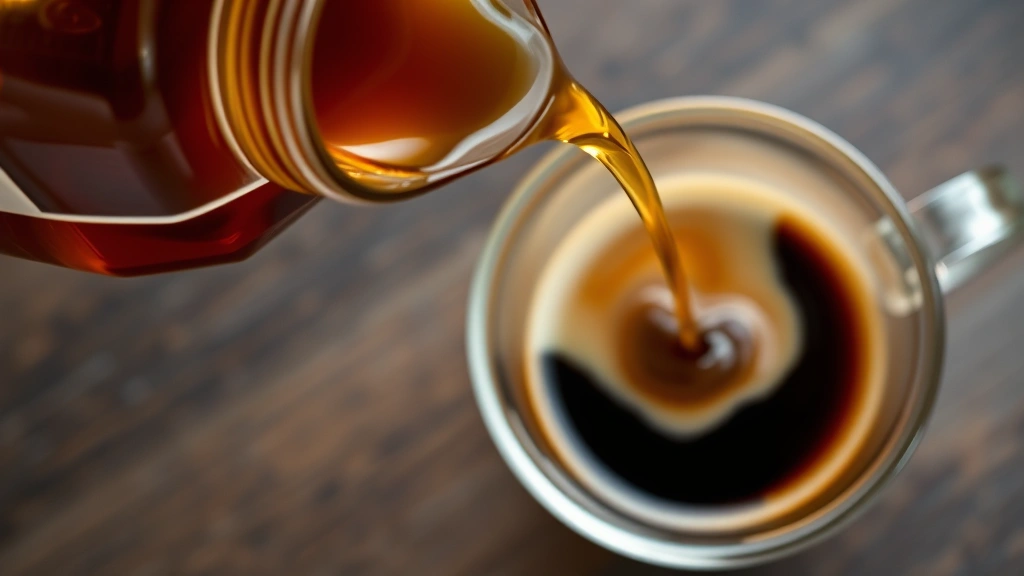
Sweet Brown Sugar Syrup? Barista-Approved Recipe
Brown sugar syrup has become a staple in modern coffee culture, transforming ordinary espresso drinks into Instagram-worthy creations that taste as good as they look. This versatile syrup delivers rich caramel notes and subtle molasses undertones that elevate everything from cold brew to lattes. Whether you’re a home barista perfecting your craft or a coffee enthusiast looking to recreate café-quality beverages, mastering the brown sugar syrup recipe is essential.
What makes brown sugar syrup different from regular simple syrup is its deeper flavor profile and slightly thicker consistency. The molasses content in brown sugar creates a more complex sweetness that complements coffee’s natural bitterness, rather than simply masking it. Professional baristas swear by homemade versions because store-bought alternatives often contain additives and lack the fresh, authentic taste that customers crave. This guide walks you through everything you need to know about creating café-quality brown sugar syrup in your own kitchen.
The best part? You probably already have the ingredients on hand. With just brown sugar, water, and optional vanilla extract, you can make a batch that lasts weeks and costs a fraction of what coffee shops charge. Let’s dive into the complete process, from ingredient selection to creative applications.
What Is Brown Sugar Syrup?
Brown sugar syrup is a liquid sweetener specifically formulated to dissolve instantly in hot and cold beverages without grittiness or separation. Unlike granulated sugar, which can take time to dissolve and sometimes settles at the bottom of drinks, properly made brown sugar syrup blends seamlessly into any coffee drink. The syrup maintains its sweetness while adding distinctive caramel and molasses flavors that enhance rather than overpower.
Professional baristas prefer this syrup over alternatives because it doesn’t require vigorous stirring, dissolves at any temperature, and creates a more balanced flavor profile. The consistency is thinner than honey but thicker than water, making it easy to measure and pour into espresso cups or tall glasses. When you taste the difference between coffee sweetened with brown sugar syrup versus plain sugar, you’ll immediately understand why this ingredient has become a barista favorite worldwide.
The popularity of brown sugar syrup exploded after major coffee chains introduced brown sugar milk tea drinks, but the syrup itself has been used in specialty coffee shops for years. Understanding its composition helps you appreciate why homemade versions outperform commercial alternatives in both flavor and texture.
Essential Ingredients Explained
Creating exceptional brown sugar syrup requires understanding each ingredient’s role in the final product. This isn’t complicated chemistry—it’s straightforward cooking that anyone can master with basic kitchen knowledge.
Brown Sugar: The foundation of your syrup, brown sugar contains molasses that regular white sugar lacks. Light brown sugar produces a milder flavor, while dark brown sugar delivers more pronounced molasses notes. Most baristas prefer light brown sugar for versatility, though dark brown works beautifully in bold espresso drinks or when paired with spices. The molasses content is what distinguishes this syrup from simple syrup and gives it character.
Water: Filtered water works best because tap water minerals can affect taste and clarity. The water-to-sugar ratio determines your syrup’s viscosity. A 1:1 ratio (equal parts sugar and water by weight) creates a thicker syrup ideal for layering drinks, while a 2:1 ratio (two parts water to one part sugar) produces a thinner consistency better for hot beverages.
Vanilla Extract (Optional): Pure vanilla extract adds subtle sweetness and complexity without changing the syrup’s brown color. Use only a small amount—half a teaspoon per cup of finished syrup—because vanilla’s flavor compounds are potent. Imitation vanilla works but lacks the sophistication of pure extract. Some baristas skip vanilla entirely to let brown sugar’s natural molasses shine.
Salt (Optional): A tiny pinch of sea salt enhances sweetness perception and balances the syrup’s flavor profile. Salt seems counterintuitive in a sweet syrup, but it’s a professional barista secret that elevates the entire drink. Use sparingly—just 1/8 teaspoon per cup of syrup.
Step-by-Step Recipe Instructions
This brown sugar syrup recipe produces approximately two cups of finished syrup, enough for roughly twenty coffee drinks depending on how much you use per beverage.
Ingredients:
- 2 cups packed light brown sugar
- 1 cup filtered water
- ½ teaspoon pure vanilla extract (optional)
- ⅛ teaspoon sea salt (optional)
Instructions:
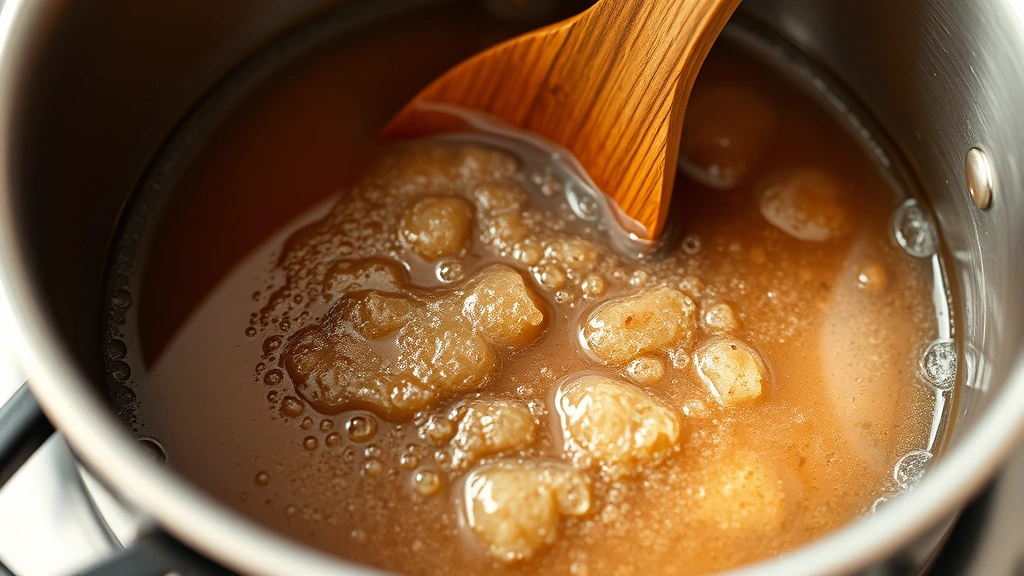
- Combine ingredients in a saucepan: Pour water into a medium saucepan over medium heat. Add brown sugar, breaking up any clumps with a wooden spoon. The sugar won’t dissolve immediately—this is normal. Stir occasionally to help the process along. You’re aiming for a smooth, lump-free mixture before heat becomes critical.
- Heat without boiling: Once the sugar dissolves completely, increase heat slightly to medium-high. Watch carefully as the mixture approaches a simmer. You want the syrup to reach approximately 220°F (104°C) on a candy thermometer, which happens when tiny bubbles form around the pan’s edges. Don’t let it reach a rolling boil, as this concentrates the syrup too much and can create a grainy texture when cooled.
- Simmer for two to three minutes: Maintain a gentle simmer for exactly two to three minutes. This brief heating process helps the syrup achieve the perfect viscosity and ensures any impurities dissolve. Stir occasionally but not constantly—you’re not making caramel, just gently heating the mixture to the right temperature.
- Remove from heat and cool slightly: Take the saucepan off the heat and let it cool for five minutes. This cooling period is important because adding vanilla extract to boiling syrup can cause the alcohol content to burn off, losing flavor. The syrup will still be hot enough to extract full vanilla flavor but won’t destroy the vanilla’s delicate compounds.
- Add optional ingredients: If using vanilla extract and salt, add them now and stir thoroughly. The warm syrup will incorporate these additions smoothly, distributing flavor evenly throughout. Stir for about thirty seconds to ensure complete mixing.
- Cool completely before bottling: Transfer the syrup to a clean glass jar and allow it to cool to room temperature—approximately one to two hours. You can speed this process by placing the jar in an ice bath for twenty minutes. The syrup will thicken slightly as it cools, reaching its final consistency at room temperature.
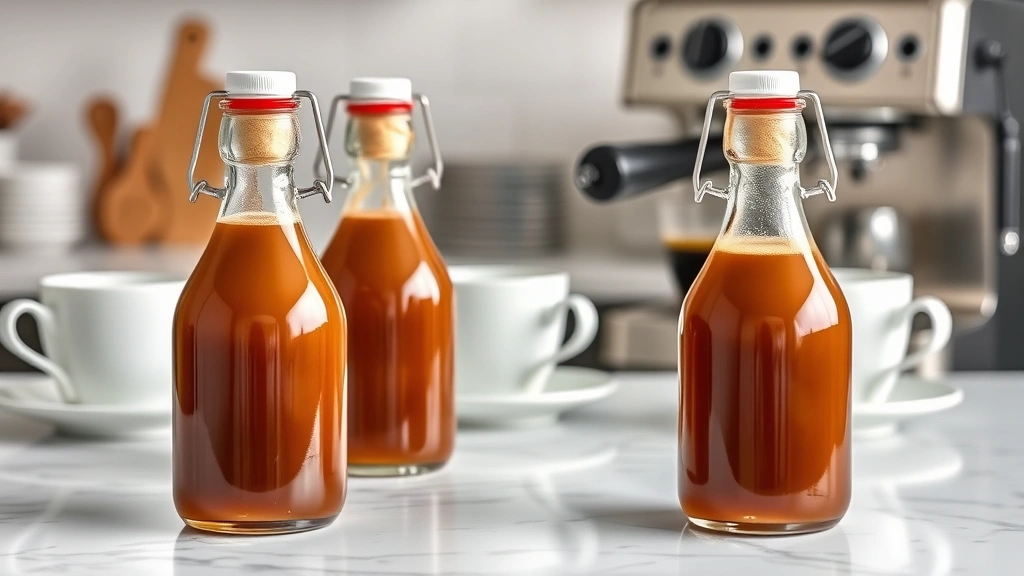
- Store in the refrigerator: Once cooled completely, seal the jar tightly and refrigerate. The syrup is now ready to use in any beverage. It will keep for up to three weeks when stored properly in a sealed container.
This straightforward process takes less than thirty minutes from start to finish, making homemade brown sugar syrup more convenient than many people realize. The minimal ingredients mean minimal cleanup, and the results taste noticeably better than commercial alternatives.
Barista Tips for Perfect Results
Professional baristas have developed techniques over years of syrup-making that ensure consistent, high-quality results every single time. These aren’t complicated tricks—they’re simple adjustments that make a measurable difference.
Use a candy thermometer for accuracy: The ideal syrup temperature is 220°F (104°C). This specific temperature creates the perfect viscosity—thick enough to coat the back of a spoon but thin enough to pour smoothly into drinks. Without a thermometer, you’re guessing, which leads to inconsistent results. Candy thermometers cost just a few dollars and transform your syrup-making from trial-and-error to reliable success.
Don’t skip the cooling step: Many home cooks rush to bottle hot syrup, but cooling it first matters. As syrup cools, it thickens naturally, reaching its intended consistency. Bottling hot syrup means it will thicken further as it cools in the refrigerator, potentially becoming too thick for easy pouring. Patience here pays dividends.
Invest in quality brown sugar: Not all brown sugar is created equal. Some brands contain anti-caking agents or have been stored improperly, affecting syrup quality. Buy fresh brown sugar from busy grocery stores with good turnover. If your brown sugar has hardened, place it in a container with a slice of bread for a few hours—the bread releases moisture that softens the sugar without affecting syrup results.
Use filtered or bottled water: Tap water contains minerals that can cloud your syrup or affect its taste. Filtered water costs pennies and produces noticeably clearer, better-tasting syrup. This might seem like an unnecessary detail, but professional baristas understand that every component matters when creating café-quality beverages at home.
Keep a measuring spoon dedicated to syrup: Brown sugar syrup sticks to measuring spoons, making cleanup difficult. Keep one old spoon specifically for syrup measuring and you’ll avoid the frustration of sticky residue on your good utensils. Alternatively, weigh your syrup using a kitchen scale—much more accurate than measuring spoons anyway.
Storage and Shelf Life
Proper storage determines how long your brown sugar syrup remains fresh and flavorful. The good news is that brown sugar syrup stores remarkably well when handled correctly.
Refrigerator storage: In a sealed glass jar in the refrigerator, brown sugar syrup lasts three to four weeks. Glass is preferable to plastic because it doesn’t absorb odors or stains and doesn’t leach chemicals into the syrup. Ensure your jar has an airtight seal—a loose lid allows the syrup to absorb refrigerator odors and can cause mold growth.
Room temperature storage: You can leave brown sugar syrup at room temperature for up to one week in a sealed container, though refrigeration extends its life significantly. If you use your syrup daily, room temperature storage works fine and eliminates the wait for cold syrup to warm up slightly before pouring into hot drinks.
Signs of spoilage: Discard syrup if you notice mold (even a tiny spot), an off smell, or crystallization that won’t dissolve when heated. These signs indicate contamination or improper storage. Properly stored syrup should smell sweet with caramel notes and look clear or slightly amber-colored.
Refreshing crystallized syrup: If your syrup crystallizes slightly—which can happen if it sits in the refrigerator for several weeks—simply warm it gently in a water bath or microwave for fifteen to thirty seconds. The crystals will dissolve and the syrup returns to its original consistency. This isn’t spoilage; it’s just a natural change that’s easily reversed.
Creative Flavor Variations
Once you master the basic brown sugar syrup recipe, experimenting with variations opens endless possibilities. These modifications are inspired by successful flavor combinations used in specialty cooking and professional barista techniques.
Cinnamon Brown Sugar Syrup: Add one-quarter teaspoon ground cinnamon to the finished syrup for warm, spiced notes that complement espresso beautifully. Cinnamon works especially well in milk-based drinks or paired with vanilla. The spice enhances without overwhelming, making it perfect for autumn-inspired beverages.
Honey Brown Sugar Syrup: Replace one-quarter cup of water with honey in the basic recipe. Honey adds floral sweetness and creates a thicker, more luxurious consistency. This variation works beautifully in cold brew or iced lattes where the honey’s flavor shines through clearly.
Cardamom Brown Sugar Syrup: Steep three to four crushed cardamom pods in the warm syrup for ten minutes, then strain. Cardamom adds exotic, slightly citrusy notes that appeal to adventurous coffee drinkers. This variation pairs exceptionally well with darker roast espressos.
Sea Salt Caramel Brown Sugar Syrup: Increase the salt to one-quarter teaspoon and add one tablespoon of unsalted butter to the warm syrup, stirring until fully incorporated. This creates a salted caramel variation that’s indulgent and complex. The butter adds richness that makes drinks taste more expensive than they actually are.
Maple Brown Sugar Syrup: Add one-quarter cup pure maple syrup to the finished brown sugar syrup. Maple adds earthy sweetness that transforms ordinary coffee into something special. This variation is particularly popular in fall and winter months.
Coffee Drink Applications
Brown sugar syrup’s versatility extends across virtually every coffee drink category. Understanding where it works best helps you maximize this ingredient’s potential in your daily coffee routine.
Iced Lattes: Brown sugar iced lattes have become signature drinks at specialty coffee shops worldwide. Add one to two tablespoons of syrup to a glass with ice, pour in one shot of espresso, then add steamed milk and a splash of vanilla. The brown sugar’s molasses notes complement cold milk beautifully, creating a balanced, naturally sweet drink without cloyingness.
Iced Coffee: For simple iced coffee, brown sugar syrup is superior to granulated sugar because it dissolves instantly in cold liquid. Add syrup to cold brew concentrate before adding milk and ice. The result is smoother and better-balanced than coffee sweetened with regular sugar.
Lattes and Cappuccinos: In hot drinks, brown sugar syrup dissolves seamlessly into steamed milk, creating a cohesive flavor experience. One tablespoon per twelve ounces of milk is a good starting point, though personal preference varies. The syrup adds richness that complements both single-origin and blended espressos.
Flat Whites: This Australian-style drink benefits from brown sugar syrup’s subtle molasses notes. The thicker milk microfoam in flat whites pairs beautifully with brown sugar’s caramel undertones, creating drinks that taste like liquid dessert without being overly sweet.
Cold Brew Concentrate: Many baristas add brown sugar syrup directly to cold brew concentrate, creating a ready-to-drink base. Mix equal parts cold brew concentrate and brown sugar syrup, then add milk and ice. This method ensures consistent flavor and speeds up drink preparation during busy periods.
Affogatos: Pour a shot of hot espresso over vanilla ice cream and add one-half tablespoon of brown sugar syrup. The syrup adds caramel notes that enhance the espresso-ice cream combination, making this simple dessert more sophisticated and craveable.
Specialty Beverages: Brown sugar syrup works in countless creative drinks beyond traditional coffee. Try it in hot chocolate, tea lattes, or even smoothies. Its molasses flavor adds depth to beverages that might otherwise taste one-dimensional.
FAQ
Can I use dark brown sugar instead of light brown sugar?
Yes, absolutely. Dark brown sugar contains more molasses, producing a syrup with deeper, more intense caramel and molasses flavors. This works beautifully in bold espresso drinks or when paired with spices. Light brown sugar is more versatile because its milder flavor works in any drink, so if you only make one batch, light brown is the safer choice. However, if you enjoy rich, complex flavors, dark brown sugar is worth trying.
How much brown sugar syrup should I use per drink?
Most baristas use one to two tablespoons per twelve-ounce drink, but this varies based on personal sweetness preference and drink type. Start with one tablespoon and adjust upward if you prefer sweeter beverages. Iced drinks may require slightly more syrup than hot drinks because cold temperature mutes sweetness perception. Keep notes on what works best for your taste preferences.
Can I make brown sugar syrup in bulk?
Definitely. Double or triple the recipe as needed. The process remains identical—just use larger cookware and extend heating time slightly. Store bulk batches in multiple sealed jars in the refrigerator. Making larger batches is more efficient if you use brown sugar syrup regularly, though the basic recipe already makes enough for several weeks of daily coffee drinks.
What’s the difference between brown sugar syrup and simple syrup?
Simple syrup is made from white sugar and water, creating a neutral-flavored sweetener. Brown sugar syrup contains molasses, which adds caramel and molasses flavors that enhance coffee’s complexity. Simple syrup tastes purely sweet, while brown sugar syrup adds character and depth. For coffee drinks, brown sugar syrup is superior because it complements rather than masks the espresso’s natural flavors.
Can I use brown sugar syrup in tea or other beverages?
Yes, brown sugar syrup works beautifully in tea, hot chocolate, smoothies, and countless other drinks. Its molasses flavor complements black tea especially well and adds richness to hot chocolate. Some people use it in cocktails for added complexity. The syrup’s versatility makes it a valuable addition to any home bar or kitchen pantry.
Why is my brown sugar syrup grainy?
Graininess usually results from the syrup cooling too quickly or crystallizing during storage. Prevent this by cooling the syrup slowly at room temperature rather than in the freezer. If graininess occurs, gently warm the syrup in a water bath until the crystals dissolve. Ensure your jar has an airtight seal to prevent moisture loss that can cause crystallization.
Can I substitute honey or agave for brown sugar?
While honey and agave create sweet syrups, they lack brown sugar’s distinctive molasses flavor that makes this syrup special. Honey produces a floral sweetness that changes the drink’s flavor profile entirely. If you want a syrup without brown sugar, that’s fine, but it won’t be the same product. For the authentic barista-approved brown sugar syrup experience, stick with actual brown sugar.
Mastering the brown sugar syrup recipe transforms your home coffee experience from ordinary to café-quality. With just brown sugar, water, and optional vanilla, you create a versatile sweetener that elevates every coffee drink. The process takes minutes, the syrup lasts weeks, and the taste improvement over store-bought alternatives is dramatic. Whether you’re a casual coffee drinker or serious barista enthusiast, this recipe deserves a permanent place in your kitchen rotation. Start with the basic version, experiment with variations once you’re comfortable, and enjoy barista-approved coffee drinks whenever you want them.


