Ultimate Brunswick Stew Recipe: A Southern Classic Done Right
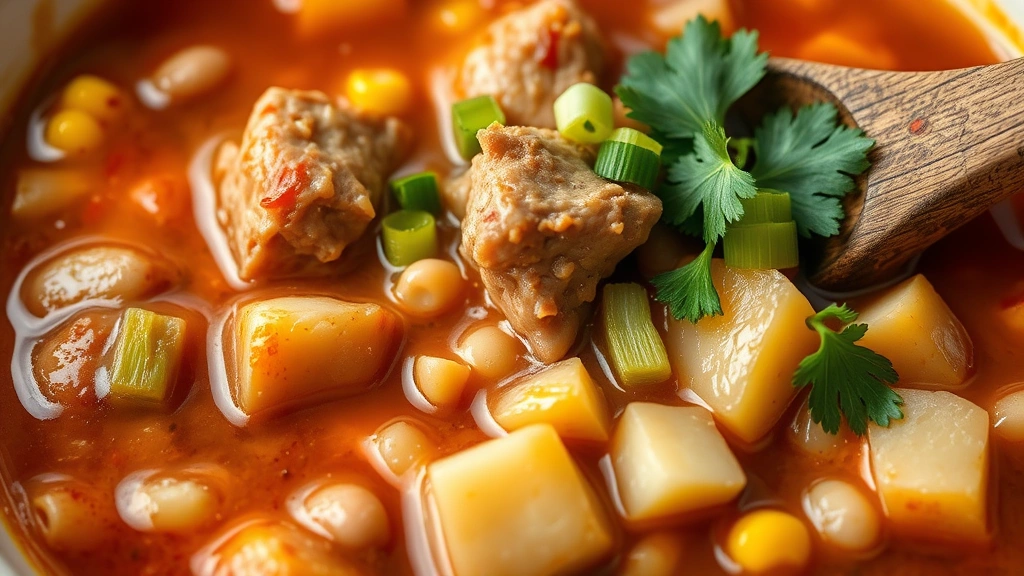
Brunswick stew is one of the most iconic comfort dishes in Southern cuisine, with a rich history dating back centuries. This hearty, slow-cooked masterpiece combines tender meat, vegetables, and a savory broth into a dish that warms both body and soul. Whether you’re preparing it for a family gathering, a church potluck, or simply craving authentic Southern comfort food, this ultimate Brunswick stew recipe delivers authentic flavors with straightforward techniques that even novice cooks can master.
What makes Brunswick stew truly special is its versatility and depth of flavor. The combination of smoked meats, lima beans, corn, and tomatoes creates a complex taste profile that improves with time. Many families guard their recipes jealously, passing them down through generations with slight variations that make each version uniquely personal. This guide walks you through creating a restaurant-quality Brunswick stew in your own kitchen, complete with professional tips and ingredient insights.
What is Brunswick Stew?
Brunswick stew originated in the American South, with both North Carolina and Georgia claiming its invention. The dish dates back to the 1800s and was traditionally made with game meat like squirrel or rabbit, though modern versions typically use chicken, pork, or beef. The stew’s defining characteristic is its thick, rich consistency achieved through slow cooking and the natural starches from potatoes and lima beans.
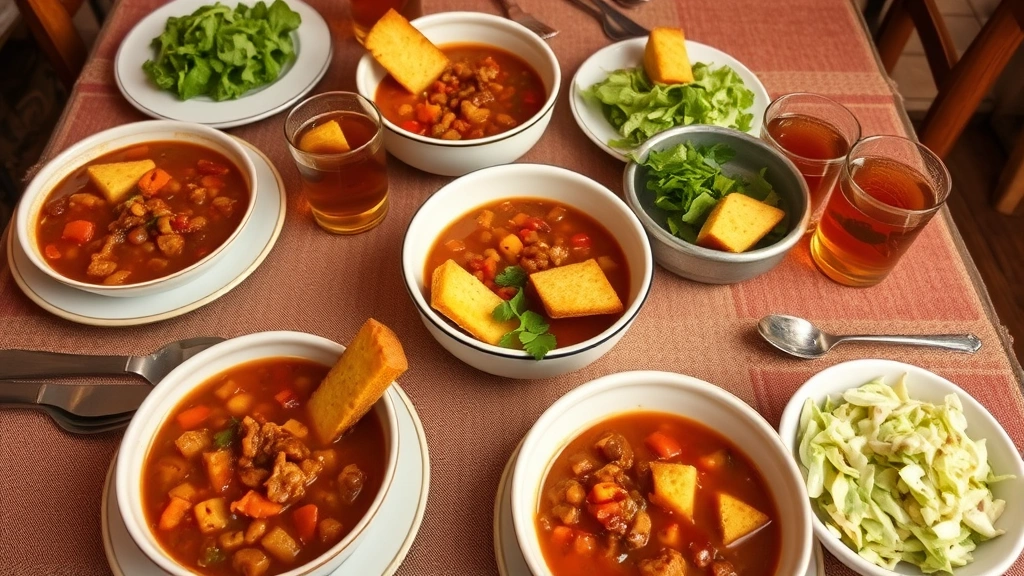
This beloved dish represents Southern hospitality and comfort cooking at its finest. Unlike lighter soups, Brunswick stew is substantial enough to serve as a complete meal, requiring nothing more than cornbread or a simple salad on the side. The cooking process allows flavors to meld and develop, creating layers of taste that improve as the stew sits. Many cooks prefer making Brunswick stew a day ahead, letting the flavors mature overnight before reheating and serving.
The stew’s appeal lies in its humble ingredients transformed into something extraordinary through patience and proper technique. Smoked meats contribute depth, vegetables provide nutrition and texture, and the broth ties everything together into a cohesive, satisfying dish. Understanding the role of each ingredient helps you appreciate why this recipe has endured for generations.
Essential Ingredients
Proteins: The foundation of Brunswick stew depends on quality protein sources. Traditional recipes call for smoked pork shoulder or ham hock, which imparts authentic smoky flavor. Chicken (either whole pieces or shredded) adds tenderness, while beef can provide earthiness. Many cooks use a combination of meats for complexity. Aim for 2-3 pounds of total protein, cut into bite-sized pieces or shredded after cooking.
Vegetables: The vegetable component creates texture and nutritional balance. Essential vegetables include:
- Lima beans (fresh or frozen, about 2 cups)
- Corn kernels (2-3 cups, fresh or frozen)
- Potatoes (3-4 medium russets, diced)
- Onions (2 large, diced)
- Celery (3-4 stalks, chopped)
- Bell peppers (1-2, diced)
Pantry Staples: Canned diced tomatoes (28-ounce can) provide acidity and body. Tomato paste (2-3 tablespoons) deepens the tomato flavor without adding excess liquid. Beef or chicken broth (6-8 cups) forms the cooking liquid. Worcestershire sauce, hot sauce, and vinegar add complexity and balance. When making homemade sauces, understanding these flavor components helps you adjust your stew to personal preference.
Seasonings: Salt, black pepper, garlic powder, and paprika form the flavor base. Bay leaves, thyme, and oregano add herbal notes. Many cooks include a pinch of cayenne pepper for subtle heat. Liquid smoke (1-2 teaspoons) enhances smoky depth when using non-smoked meats.
Step-by-Step Instructions
Preparation Phase (15 minutes): Begin by preparing all ingredients before cooking starts. Dice potatoes and immediately place them in cold water to prevent browning. Chop onions, celery, and bell peppers into uniform sizes for even cooking. If using fresh lima beans, shell them; frozen varieties work excellently and require no preparation. Measure all seasonings and broth to streamline the cooking process.
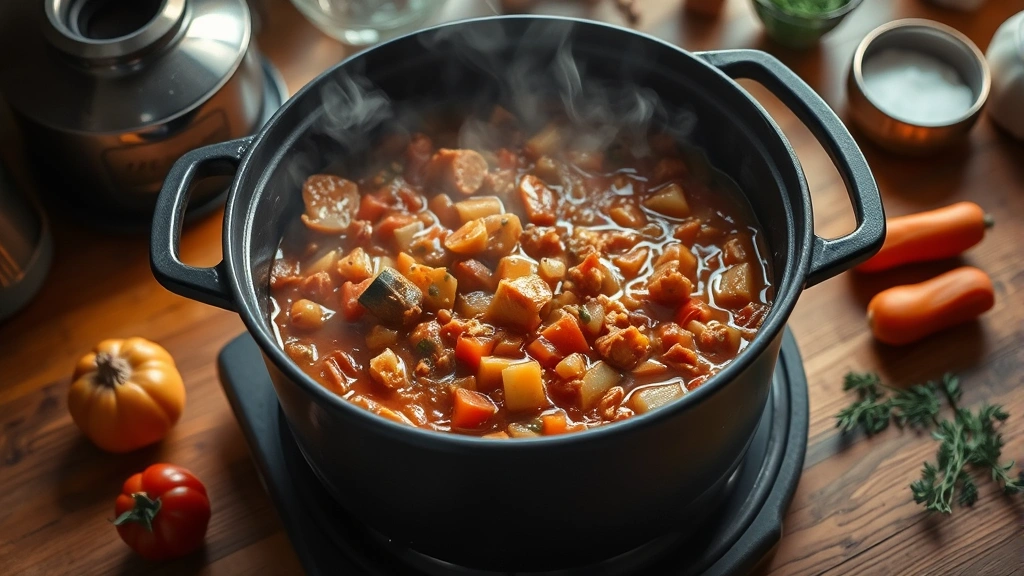
Initial Cooking (10 minutes): Heat 2 tablespoons of oil in a large, heavy-bottomed pot or Dutch oven over medium-high heat. Add diced onions and celery, sautéing for 3-4 minutes until softened and fragrant. Add minced garlic (4-5 cloves) and cook for another minute. Stir in tomato paste and cook for 2 minutes, allowing it to caramelize slightly and develop deeper flavor.
Building Flavor (5 minutes): Add your prepared meat to the pot, stirring well to combine with the aromatic base. If using raw meat, brown it slightly for 3-4 minutes. Add bell peppers and cook for another minute. Pour in the canned diced tomatoes with their juice, scraping the bottom of the pot to release any browned bits (fond) that contain concentrated flavor.
Liquid Addition (2 minutes): Pour in 6-8 cups of broth, depending on how thick you prefer your stew. Add bay leaves (2-3), dried thyme (1 teaspoon), and oregano (1 teaspoon). Season with salt (1-2 teaspoons), black pepper (½ teaspoon), and garlic powder (1 teaspoon). Stir Worcestershire sauce (2 tablespoons), hot sauce (1-2 teaspoons), and vinegar (1 tablespoon) into the mixture.
Main Cooking Phase (90-120 minutes): Bring the stew to a boil, then immediately reduce heat to low. Partially cover the pot and simmer gently. After 30 minutes, add diced potatoes, lima beans, and corn. Stir occasionally, ensuring nothing sticks to the bottom. The stew is ready when potatoes are tender, meat is fully cooked and easily shredded, and flavors have melded into a cohesive whole.
Final Adjustments (5 minutes): Taste the stew and adjust seasonings as needed. If too thick, add more broth. If too thin, continue simmering uncovered to reduce liquid. If flavors seem flat, add more Worcestershire sauce or vinegar. Remove bay leaves before serving.
Cooking Techniques and Tips
Slow Cooker Method: For hands-off cooking, prepare ingredients as described and transfer everything to a slow cooker. Cook on low for 8-10 hours or high for 4-5 hours. Add potatoes, corn, and lima beans during the final 2 hours of cooking to prevent them from becoming mushy.
Pressure Cooker Method: Using an Instant Pot or pressure cooker dramatically reduces cooking time. Sauté aromatics and brown meat using the sauté function. Add all ingredients and cook on high pressure for 20 minutes. Allow natural pressure release for 10 minutes before opening. This method is perfect when time is limited.
Meat Selection Strategy: Smoked pork shoulder provides authentic flavor but requires longer cooking. Rotisserie chicken offers convenience and consistent quality. Ground beef creates a different texture but cooks faster. Mixing two protein types—perhaps smoked ham with chicken—creates complex flavor that pure single-protein versions can’t match.
Vegetable Texture Control: Cut vegetables uniformly so they cook at the same rate. Harder vegetables like potatoes should be slightly smaller than softer vegetables. If you prefer chunky stew, add vegetables later in cooking. For creamy, almost soup-like consistency, cook longer and let vegetables break down naturally.
Depth and Complexity: Brown meat thoroughly before adding liquid—this develops flavor through the Maillard reaction. Caramelize tomato paste in the fat before adding broth. Toast spices briefly in the hot oil before adding wet ingredients. These techniques, borrowed from professional kitchens, elevate homemade stew significantly.
Liquid Management: Start with less broth than you think you need; you can always add more, but reducing excess liquid requires extra cooking time. The natural moisture released by vegetables during cooking increases liquid volume. If your stew becomes too thin, dissolve 1 tablespoon of cornstarch in 2 tablespoons of cold water and stir it in during the final minutes of cooking.
Variations and Customizations
Vegetarian Version: Replace meat with hearty mushrooms (cremini, portobello, oyster varieties) and extra beans (kidney beans, black beans, chickpeas). Increase vegetable quantity and use vegetable broth. Add miso paste for umami depth that replaces savory meat flavors. Include smoked paprika and liquid smoke to maintain that characteristic smokiness.
Low-Carb Adaptation: Reduce or eliminate potatoes, replacing them with cauliflower florets or radishes that mimic potato texture when cooked. Use additional non-starchy vegetables like zucchini, green beans, or cabbage. Consider serving over cauliflower rice instead of with cornbread. For more low carb dinner recipes, explore alternatives that maintain Southern flavor profiles.
Spicy Version: Increase hot sauce to 2-3 teaspoons, add diced jalapeños during the vegetable cooking phase, and incorporate cayenne pepper (½-1 teaspoon). A pinch of habanero powder or chipotle powder adds complexity alongside heat. Serve with extra hot sauce on the side for those wanting additional spice.
Creamy Brunswick Stew: During the final 10 minutes of cooking, stir in heavy cream (½ cup) or sour cream (¾ cup mixed with a little broth first to prevent curdling). This creates a luxurious, restaurant-style version that’s especially comforting during cold months.
Seafood Twist: While unconventional, some coastal Southern cooks add shrimp or crab during the final 5 minutes of cooking. This creates a unique Brunswick stew that bridges land and sea traditions. Use fish or seafood broth instead of beef broth for complementary flavors.
Storage and Serving
Refrigeration: Store cooled Brunswick stew in airtight containers for up to 4 days. The flavors actually improve as the stew sits, making it excellent for meal prep. Reheat gently on the stovetop over medium-low heat, adding a splash of broth if it’s thickened too much during storage.
Freezing: Freeze in portion-sized containers or freezer bags for up to 3 months. Cool completely before freezing to prevent condensation and ice crystal formation. Thaw overnight in the refrigerator before reheating. Avoid freezing stew with added cream, as dairy can separate during freezing.
Serving Suggestions: Serve Brunswick stew with cornbread for an authentic Southern meal. Making homemade bread elevates the experience, though store-bought cornbread works perfectly well. A simple green salad with vinaigrette provides freshness and brightness. Coleslaw offers crispy contrast to the stew’s richness.
Presentation: Ladle stew into bowls and garnish with fresh parsley, sliced green onions, or crispy bacon bits. A dollop of sour cream or a sprinkle of shredded cheddar cheese appeals to some diners. Serve in bread bowls for special occasions—this creates an edible container that soaks up delicious broth.
Scaling Recipes: This recipe yields 8-10 servings. Double it for large gatherings or freeze half for later use. When scaling, maintain ingredient proportions rather than multiplying everything equally, as seasonings intensify during long cooking times. Always taste and adjust before serving.
Make-Ahead Strategy: Prepare Brunswick stew 1-2 days before serving. This allows flavors to develop and mature, creating a more complex, refined taste. Reheat gently on the stovetop, adjusting consistency with additional broth if needed. This approach also reduces day-of cooking stress when hosting guests.
FAQ
Can I use chicken broth instead of beef broth?
Yes, chicken broth creates a lighter, more delicate stew while beef broth produces deeper, earthier flavors. Many cooks prefer a combination—half chicken, half beef—for balanced complexity. Vegetable broth works for vegetarian versions. The choice depends on your protein selection and flavor preferences.
What’s the difference between Brunswick stew and other Southern stews?
Brunswick stew specifically combines smoked meat, lima beans, corn, and tomatoes in a thick broth. Burgoo, another Southern classic, typically includes more vegetables and game meats. The key identifier of Brunswick stew is the lima bean and corn combination, which distinguishes it from other regional variations.
How can I make Brunswick stew less thick?
Add more broth in ½-cup increments until reaching desired consistency. Alternatively, cook uncovered for the final 20-30 minutes to allow excess liquid to evaporate if the stew becomes too thin. Remember that stew thickens as it cools, so adjust accordingly.
Is Brunswick stew supposed to be spicy?
Traditional versions aren’t particularly spicy, though they include hot sauce for depth. Add heat gradually, tasting between additions. Some regional variations include more spice than others, so adjust to your preference rather than following a single “correct” approach.
Can I use fresh tomatoes instead of canned?
Yes, use 3-4 pounds of fresh tomatoes, peeled and chopped. Fresh tomatoes contain more water, so reduce broth by 1-2 cups. Canned tomatoes offer consistency and convenience, making them ideal for most home cooks, but fresh tomatoes create brighter, more delicate flavors during peak season.
What external resources help me perfect Brunswick stew?
The Culinary Adventures Institute offers detailed articles on Southern cooking traditions. Serious Eats provides scientific explanations of cooking techniques that enhance stew preparation. Southern Food & Drink specializes in regional recipes with historical context. ChefSteps offers video demonstrations of proper cooking methods. The Spruce Eats provides tested recipes and troubleshooting guides for common issues.
How long does Brunswick stew take to cook?
Traditional stovetop method requires approximately 2-2.5 hours from start to finish, with most time spent simmering. Slow cooker method takes 8-10 hours on low. Pressure cooker dramatically reduces time to about 45 minutes including preparation. The longer cooking time allows flavors to develop and meat to become tender.
Should I remove the skin from chicken before cooking?
Leaving skin on chicken pieces adds flavor to the broth and keeps meat moist during cooking. However, removing skin before serving creates a lighter texture. Many cooks leave skin during cooking for flavor development, then remove it when shredding meat before serving.
What pairs well with Brunswick stew for a complete meal?
Cornbread is the classic pairing, providing contrasting texture and slight sweetness. A simple salad with homemade salad dressings offers freshness. For breakfast variations, serve leftover stew with eggs and toast for a hearty morning meal. Coleslaw, collard greens, or simple steamed vegetables round out the meal nutritionally.


