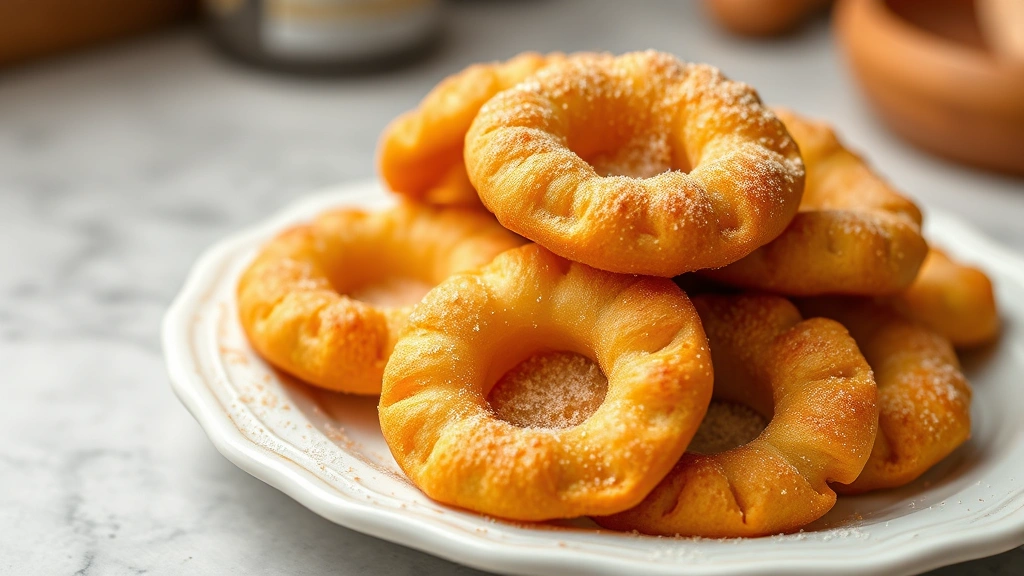
Crispy Buñuelos Recipe: A Family Tradition Worth Preserving
Buñuelos are more than just a dessert—they’re a celebration of heritage, family gatherings, and the magic that happens when simple ingredients transform into golden, crispy pillows of deliciousness. This traditional Latin American treat has graced family tables for generations, passed down through recipes scribbled on worn recipe cards and, more importantly, through the hands-on guidance of abuela in the kitchen. Whether you’re making these for the first time or recreating a cherished childhood memory, this comprehensive guide will help you master the art of creating perfectly crispy buñuelos that rival anything from a professional bakery.
The beauty of buñuelos lies in their versatility and simplicity. With just a handful of pantry staples and a deep fryer or heavy-bottomed pot, you can create a dessert that impresses guests and brings families closer together. The outside crackles when you bite into it, while the inside remains tender and slightly chewy. When drizzled with cinnamon sugar or warm honey syrup, buñuelos become an unforgettable treat that transports you straight to a warm kitchen filled with love and laughter.
What Are Buñuelos?
Buñuelos are a beloved fried pastry dessert with roots stretching across Latin America, Spain, and the Caribbean. The name itself comes from the Spanish word “buñuelo,” which translates to a small, round fritter or doughnut. However, traditional buñuelos differ significantly from American-style doughnuts in both texture and preparation method.
These delightful treats are typically made from a simple dough that’s dropped into hot oil and fried until golden and puffy. The magic happens in the frying process—the exterior becomes impossibly crispy and shatters delicately under your teeth, while the interior remains soft and slightly hollow. This textural contrast is what makes buñuelos so irresistibly addictive.
The versatility of buñuelos is remarkable. Some families prepare them savory as appetizers, while others create sweet versions perfect for dessert. They can be enjoyed plain, dusted with cinnamon sugar, drizzled with honey syrup, or even topped with chocolate sauce. During holidays and special celebrations, buñuelos appear on tables from Mexico to Colombia, from Puerto Rico to Spain, each region adding its own cultural twist to the recipe.
Essential Ingredients for Success
Creating authentic buñuelos begins with understanding each ingredient’s role. Unlike complex desserts requiring specialized items, buñuelos rely on pantry staples that most home cooks already have on hand. Here’s what you’ll need:
- All-purpose flour (2 cups) – The foundation of your dough, providing structure and creating that signature crispy texture
- Granulated sugar (2 tablespoons) – Adds subtle sweetness to the dough itself
- Baking powder (2 teaspoons) – Creates lift and helps produce the characteristic puffy texture
- Salt (½ teaspoon) – Enhances flavor and balances sweetness
- Eggs (2 large) – Binds ingredients and adds richness
- Milk (¾ cup) – Creates a workable dough consistency
- Vanilla extract (1 teaspoon) – Adds depth and aromatic complexity
- Oil for frying (vegetable or canola) – Neutral oils work best for even cooking
For coating and finishing, you’ll want cinnamon sugar made from equal parts ground cinnamon and granulated sugar, or prepare a honey syrup by warming honey with a splash of water. Some families prefer a simple chocolate drizzle, while others use traditional syrups served alongside beverages for dipping.
The quality of your ingredients matters significantly. Fresh eggs produce lighter, fluffier buñuelos, while good-quality vanilla extract provides authentic flavor. When selecting oil for frying, choose brands with high smoke points—vegetable, canola, and peanut oils all work beautifully for this application.
Step-by-Step Preparation Guide
Mixing Your Dough
Begin by gathering all your ingredients and organizing your workspace. In a large mixing bowl, combine flour, sugar, baking powder, and salt. Whisk these dry ingredients together thoroughly, ensuring the baking powder is evenly distributed throughout the flour. This step prevents lumpy pockets in your finished buñuelos.
In a separate bowl, whisk together eggs, milk, and vanilla extract. Create a well in the center of your dry ingredients and pour in the wet mixture. Using a wooden spoon or stand mixer on low speed, combine ingredients until a soft dough forms. The dough should be slightly sticky but manageable—similar in texture to thick cake batter or soft cookie dough.
Mix until just combined; overmixing develops excessive gluten, resulting in tough, chewy buñuelos rather than light, crispy ones. Stop as soon as you no longer see streaks of flour. If your dough seems too sticky to handle, add a tablespoon of flour at a time until you reach the desired consistency.
Resting the Dough
Let your dough rest for 15-20 minutes at room temperature. This crucial step allows the flour to fully hydrate and the baking powder to activate slightly, resulting in better texture during frying. Cover your bowl with a clean kitchen towel to prevent drying.
Preparing Your Workspace
While dough rests, set up your frying station. Line a large plate or baking sheet with paper towels—this will catch your finished buñuelos and absorb excess oil. Prepare your coating: mix cinnamon and sugar in a shallow bowl, or prepare honey syrup by gently warming honey with a tablespoon of water in a small saucepan.
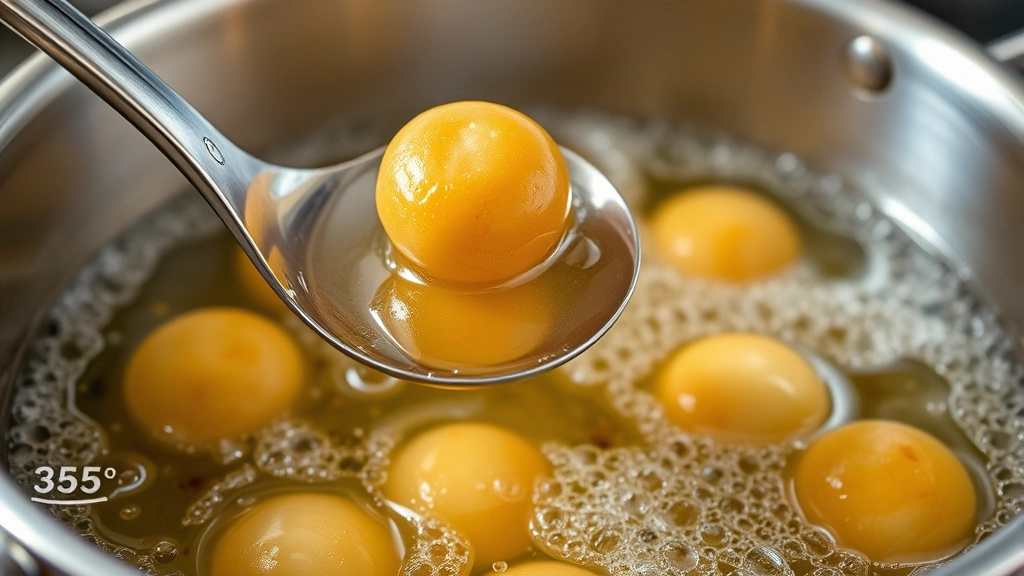
Fill a heavy-bottomed pot or Dutch oven with 2-3 inches of oil. A thermometer is essential here—you need oil heated to 350-375°F for optimal results. If you don’t have a thermometer, use the bread test: drop a small cube of bread into the oil; it should brown in about 60 seconds.
Deep Frying Techniques
Mastering the frying process is crucial for achieving restaurant-quality buñuelos. Temperature control is absolutely paramount—too cool, and your buñuelos absorb excess oil and become greasy; too hot, and the exterior browns before the interior cooks through.
The Frying Process
Using a small ice cream scoop or two spoons, carefully drop golf ball-sized portions of dough into the hot oil. Never overcrowd the pan—fry only 3-4 buñuelos at a time to maintain proper oil temperature. Crowding lowers oil temperature, resulting in greasy, dense treats rather than crispy delights.
Buñuelos will initially sink, then float to the surface. Once floating, fry for approximately 1-2 minutes on the first side until golden brown, then gently flip using a slotted spoon or spider strainer. Continue frying for another 1-2 minutes on the second side until evenly golden and crispy throughout.
Remove finished buñuelos with a slotted spoon and transfer immediately to your paper towel-lined plate. The residual heat continues cooking slightly, so remove them while still slightly underdone for ultimate crispiness. Allow them to cool for 1-2 minutes before coating.
Maintaining Oil Temperature
Keep your thermometer in the oil throughout the frying process. If temperature drops below 350°F, wait before adding more buñuelos. If it exceeds 375°F, remove the pot from heat briefly and let it cool. Consistent temperature ensures consistent results—a lesson every aspiring fryer must learn.
Never reuse oil more than 3-4 times for frying. As oil deteriorates, it develops off-flavors and doesn’t fry as crisply. Quality oil produces superior buñuelos, so this investment pays dividends in taste and texture.
Coating and Finishing Options
The coating transforms your buñuelos from simple fried dough into a memorable dessert. Different families and regions have their signature approaches—explore these options to find your family’s tradition.
Classic Cinnamon Sugar
This is the most traditional and beloved coating. While buñuelos are still warm, toss them in a mixture of equal parts cinnamon and granulated sugar. The warmth helps the mixture adhere, creating a delicious crust. Some families prefer more cinnamon, others more sugar—adjust to your preference. This simple coating lets the buñuelo’s texture shine while adding warmth and spice.
Honey Syrup Drizzle
Warm honey gently with a splash of water and a cinnamon stick if desired. Drizzle generously over warm buñuelos, allowing the syrup to soak into the crispy exterior while the interior remains tender. This creates a more indulgent dessert, perfect for special occasions. Some families add a touch of orange zest to the honey for brightness and complexity.
Chocolate Variation
Melt quality chocolate and drizzle or dip buñuelos for a decadent twist. Dark, milk, or white chocolate all work beautifully. You might combine chocolate with cinnamon sugar for a more elaborate presentation that would impress at any gathering.
Dulce de Leche Dipping Sauce
Warm dulce de leche slightly and serve as a dipping sauce alongside buñuelos. The caramel-like sweetness pairs wonderfully with the crispy texture, creating an elegant dessert perfect for entertaining.
Storage and Make-Ahead Tips
Buñuelos taste best served fresh and warm, but proper storage extends their enjoyment. Here’s how to maximize freshness:
- Room temperature storage: Keep uncoated buñuelos in an airtight container at room temperature for up to 2 days. They’ll gradually lose crispiness, but remain delicious
- Refrigeration: Store coated buñuelos in an airtight container in the refrigerator for up to 3 days. Reheat in a 300°F oven for 5-10 minutes to restore crispiness
- Freezing dough: Prepare your dough and freeze in an airtight container for up to 1 month. Thaw overnight in the refrigerator before frying
- Freezing cooked buñuelos: Cool completely, freeze in a single layer, then transfer to freezer bags. Reheat in a 325°F oven for 10-15 minutes
For best results, prepare your dough earlier in the day and fry buñuelos shortly before serving. This ensures maximum crispiness and allows you to enjoy them at their absolute peak. If preparing for a gathering, fry them 2-3 hours ahead and reheat briefly before coating and serving.
Troubleshooting Common Issues
Greasy, Dense Buñuelos
The primary culprit is oil temperature too low. Buñuelos need 350-375°F to fry properly. Invest in a reliable thermometer and maintain consistent heat. Additionally, avoid overcrowding the pan—this lowers oil temperature and traps steam, creating greasiness instead of crispiness.
Burnt Exterior, Raw Interior
Oil temperature is too high. Lower to 350°F and fry longer—approximately 2-3 minutes per side. Larger buñuelos need more time; smaller ones fry faster. Adjust your scooping size for more consistent cooking times.
Flat, Dense Dough
Your baking powder may be expired or improperly mixed. Check expiration dates and ensure even distribution through the flour. Additionally, overmixing develops gluten and deflates the dough. Mix until just combined and no more.
Buñuelos Not Puffing
Several factors contribute to this issue. First, ensure your baking powder is fresh—it loses potency over time. Second, don’t skip the resting period; this allows baking powder to activate. Third, maintain proper oil temperature; insufficient heat prevents puffing. Finally, avoid pressing or agitating buñuelos while frying; let them cook undisturbed.
Uneven Browning
This typically results from inconsistent oil temperature or buñuelos touching each other while frying. Use a thermometer to monitor temperature, and maintain space between each piece. Additionally, ensure you flip each buñuelo only once for even browning.
Serving Suggestions and Pairings
Buñuelos shine brightest when served warm and fresh from the fryer. Consider these serving ideas to elevate your presentation:
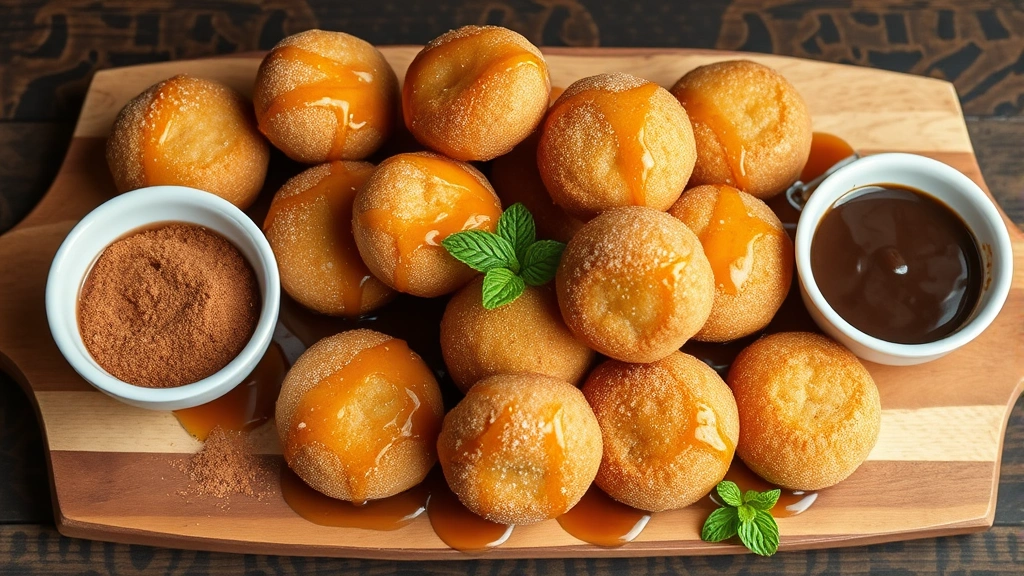
Serve buñuelos alongside complementary desserts like coconut cake for a dessert spread that celebrates your culinary heritage. Create a dessert flight featuring different coatings—cinnamon sugar, honey drizzle, and chocolate—allowing guests to experience the versatility of this classic treat.
For beverages, pair warm buñuelos with hot chocolate, coffee, or champagne for special occasions. The contrast between warm, crispy buñuelos and cold milk creates a delightful sensory experience. Some families serve buñuelos with festive punch recipes during celebrations, creating an elegant presentation that honors tradition.
Consider creating a buñuelo bar at gatherings, offering multiple coating options and allowing guests to customize their experience. This interactive approach adds fun and engagement to your dessert presentation while showcasing your culinary skills.
Variations and Modern Twists
While honoring traditional recipes is important, experimenting with variations keeps this beloved treat fresh and exciting. Consider these creative adaptations:
Filled Buñuelos
Inject warm buñuelos with dulce de leche, chocolate sauce, or pastry cream using a piping bag. This creates a surprise center that elevates the treat from simple to sophisticated. Be careful with filling temperatures—too hot and it burns your mouth; too cool and it doesn’t adhere properly.
Flavored Dough Variations
Add orange zest, almond extract, or rum to your dough for subtle flavor variations. These additions honor traditional recipes while adding your personal signature. A tablespoon of orange zest creates a bright, sophisticated flavor profile that pairs beautifully with honey drizzle.
Savory Buñuelos
Reduce sugar, skip vanilla, and add herbs like cilantro or parsley. Serve with savory dipping sauces—a spicy aioli, mole sauce, or cheese-based sauce. These work wonderfully as appetizers or alongside main courses, proving buñuelos’ remarkable versatility.
Gluten-Free Version
Substitute all-purpose flour with a 1:1 gluten-free flour blend. You may need to adjust liquid slightly, as gluten-free flours absorb moisture differently. The results won’t be identical to traditional buñuelos, but they’ll be delicious and accessible to those with dietary restrictions.
The Cultural Significance of Buñuelos
Beyond their delicious flavor and crispy texture, buñuelos hold deep cultural meaning for families across Latin America and Spain. These treats appear at celebrations, holidays, and family gatherings, carrying memories and traditions across generations.
Many families have their own unique recipes passed down through generations, each version reflecting slight variations in technique or coating preference. Making buñuelos becomes a way to connect with ancestry, to honor those who came before, and to create new memories with loved ones.
In kitchens across Spanish-speaking communities, the sound of buñuelos frying in hot oil signals celebration and togetherness. The aroma that fills the house draws family members together, creating moments of anticipation and joy. This sensory experience is irreplaceable and irreplaceable—it’s the essence of food as a connector of people and cultures.
FAQ
Can I make buñuelos without a deep fryer?
Absolutely. A heavy-bottomed pot or Dutch oven works perfectly for frying buñuelos. The key is maintaining proper oil temperature, which a reliable thermometer helps ensure. Cast iron skillets work too, though they require more oil.
What’s the difference between buñuelos and churros?
While both are fried pastries, they differ significantly. Churros use a choux dough piped into long strips, while buñuelos use a simpler batter dropped by spoon. Buñuelos are puffier and crispier, while churros are denser with ridged sides. Both are delicious, but buñuelos are quicker and easier for home cooks to master.
How long do buñuelos stay crispy?
Freshly fried buñuelos remain crispy for 2-3 hours at room temperature. After that, they gradually soften. For best texture, serve them within an hour of frying. If you need to prepare ahead, reheat in a 325°F oven for 5-10 minutes to restore crispiness.
Can I use self-rising flour instead of all-purpose flour?
Self-rising flour contains salt and leavening agents, so you’d need to adjust your recipe. Reduce baking powder to ½ teaspoon and omit salt. However, all-purpose flour with measured baking powder gives you more control and better results.
What oil temperature is ideal for frying buñuelos?
The sweet spot is 350-375°F. At 350°F, buñuelos fry more slowly, becoming crispier throughout. At 375°F, they brown faster but require careful attention to prevent burning. Most home cooks find 360-365°F provides the best balance of crispiness and golden color.
Why are my buñuelos not puffing up?
Several factors cause this. First, check that your baking powder is fresh—expired baking powder won’t lift properly. Second, ensure you’re not overmixing the dough, which develops gluten and prevents puffing. Third, maintain proper oil temperature; insufficient heat prevents the dough from puffing. Finally, allow your dough to rest before frying.
Can buñuelos be made ahead?
Yes, you can prepare dough up to 24 hours ahead, storing it in an airtight container in the refrigerator. You can also fry buñuelos several hours ahead and reheat them before serving. However, they taste best when fried shortly before eating.
What’s the best way to reheat buñuelos?
Preheat your oven to 300-325°F. Place buñuelos on a baking sheet and heat for 5-10 minutes until warm and slightly crispy. Avoid microwaving, which makes them soggy. The oven method restores the crispy exterior while warming the interior.
Can I add fillings to the dough before frying?
You can, but it’s trickier than post-frying filling. Place a small amount of filling in the center of your dough portion, seal carefully, then fry. Be cautious—overfilled buñuelos may burst during frying, releasing filling into the oil. Injecting filling into finished buñuelos is easier and safer.
How much oil do I need for frying?
For a standard pot, you need 2-3 inches of oil—typically 2-3 quarts, depending on pot size. Ensure buñuelos have enough space to float freely without crowding. Too little oil causes temperature fluctuations; too much creates safety concerns and waste.


