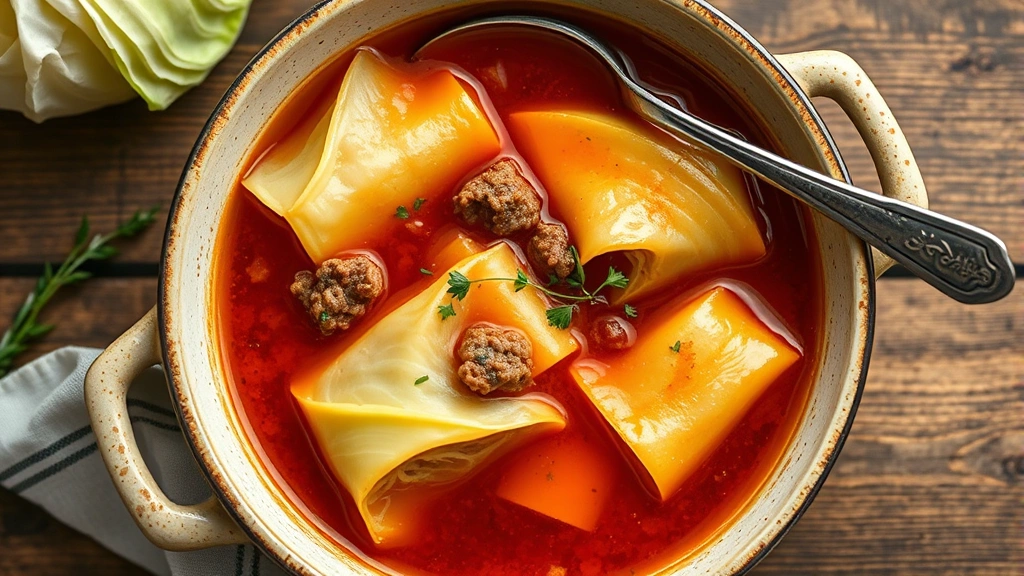
Cabbage Roll Soup Recipe: Grandma’s Favorite Comfort Food
There’s something magical about a steaming bowl of cabbage roll soup that instantly transports you back to grandmother’s kitchen. This beloved classic combines all the savory flavors of traditional cabbage rolls—tender cabbage, seasoned ground meat, and a rich tomato broth—but in an easier, more forgiving soup format. No rolling required, no wrestling with delicate cabbage leaves, just pure comfort in a bowl.
What makes this cabbage roll soup recipe so special is its versatility and simplicity. Whether you’re cooking for a family dinner, meal prepping for the week, or seeking a warming dish on a chilly evening, this soup delivers restaurant-quality results from your home kitchen. The beauty of this dish lies in how the flavors meld together during simmering, creating a deeply satisfying meal that tastes even better the next day.
This recipe has been passed down through generations for good reason—it’s affordable, nutritious, and absolutely delicious. Let’s explore how to make this timeless comfort soup that will have everyone asking for seconds.
Ingredients You’ll Need
Creating an authentic cabbage roll soup starts with gathering quality ingredients. Here’s what you’ll need to serve 6-8 people:
- 1 large head of green cabbage (about 2-3 pounds), chopped into bite-sized pieces
- 1 pound ground beef (or ground turkey for a leaner option—check out our healthy ground turkey recipes)
- 1 medium yellow onion, diced
- 4 cloves garlic, minced
- 1 can (28 ounces) crushed tomatoes
- 4 cups beef broth or chicken broth
- 1 can (8 ounces) tomato sauce
- 1 cup long-grain white rice (uncooked)
- 2 tablespoons tomato paste
- 2 teaspoons salt
- 1 teaspoon black pepper
- 1 teaspoon paprika
- ½ teaspoon cayenne pepper (optional, for heat)
- 2 tablespoons olive oil
- 1 teaspoon dried oregano
- ½ teaspoon garlic powder
These ingredients are pantry staples you likely already have on hand, making this recipe budget-friendly and accessible. The combination of fresh vegetables, aromatic spices, and quality broth creates the foundation for an unforgettable soup.
Preparation Steps
Proper preparation ensures your cabbage roll soup comes together smoothly and cooks evenly. Take time with these foundational steps:
Preparing the Cabbage
Start by selecting a firm, heavy head of cabbage with no brown spots or wilted outer leaves. Remove the tough outer leaves and discard them. Rinse the cabbage thoroughly under cold water. Cut the cabbage in half, then into quarters. Remove the dense core from each quarter and discard. Chop the remaining cabbage into roughly 1-inch pieces—they’ll soften significantly during cooking, so don’t cut them too small. You should have approximately 12-14 cups of chopped cabbage.
Preparing the Meat Mixture
Brown the ground meat before adding it to the soup. This step develops deeper flavors and prevents the meat from clumping. Heat olive oil in a large Dutch oven or heavy-bottomed pot over medium-high heat. Add the ground beef, breaking it apart with a wooden spoon as it cooks. Continue cooking for 5-7 minutes until the meat is no longer pink and has begun to brown. Drain excess fat if necessary, leaving about 2 tablespoons in the pot.
Sautéing Aromatics
Add the diced onion to the browned meat and cook for 3-4 minutes until softened and fragrant. Stir in the minced garlic and cook for another minute. Add the tomato paste and stir constantly for 1-2 minutes to incorporate it fully into the meat mixture. This technique, called blooming the tomato paste, intensifies its umami flavor and prevents it from tasting raw.
Cooking Instructions
Now that your ingredients are prepped, it’s time to build this magnificent soup:
- Add the liquids: Pour the beef broth and tomato sauce into the pot with the meat mixture. Stir well to combine. Scrape the bottom of the pot to loosen any browned bits—this fond contains concentrated flavor.
- Incorporate tomatoes and seasonings: Add the crushed tomatoes with their juices. Sprinkle in the salt, black pepper, paprika, oregano, garlic powder, and cayenne pepper if using. Stir thoroughly to distribute the seasonings evenly throughout the liquid.
- Add the rice: Pour in the uncooked rice and stir well. The rice will absorb liquid and expand as the soup cooks, thickening it naturally while adding substance and texture.
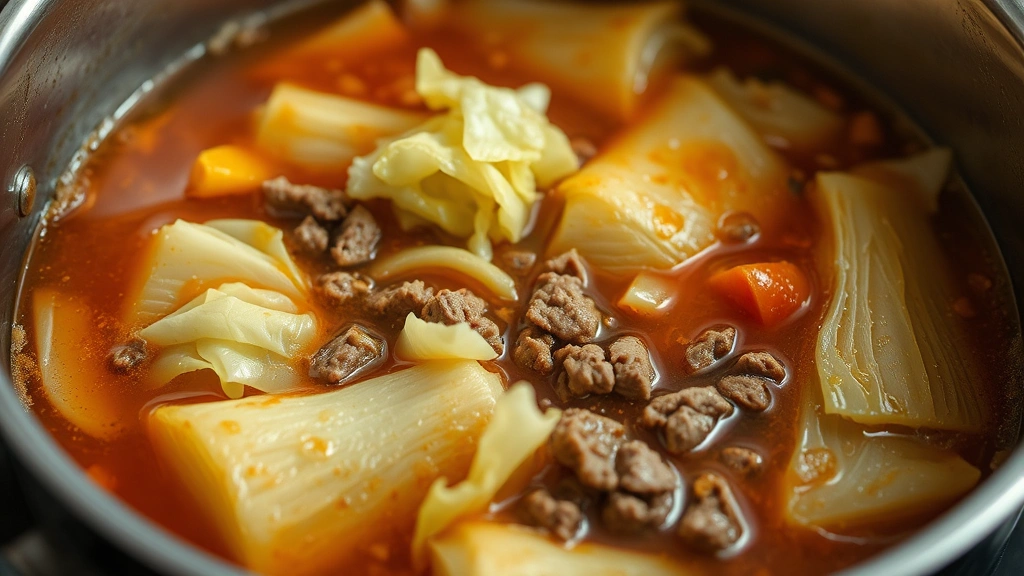
- Add the cabbage: Finally, add all the chopped cabbage. The pot will appear very full initially, but the cabbage will reduce significantly as it cooks down. Stir everything together until well combined.
- Bring to a boil: Increase the heat to high and bring the soup to a rolling boil, stirring occasionally. This usually takes 5-8 minutes.
- Reduce heat and simmer: Once boiling, reduce the heat to medium-low and cover the pot partially with a lid. Allow the soup to simmer for 25-30 minutes, stirring occasionally. The cabbage should become very tender, the rice should be fully cooked, and the flavors should meld together beautifully.
- Taste and adjust: After 30 minutes, taste the soup carefully. Add additional salt, pepper, or paprika as needed. Some people prefer a tangier soup and add a splash of vinegar; others like it richer and stir in a dollop of sour cream.
The entire cooking process takes approximately 45-50 minutes from start to finish, making this an ideal weeknight dinner that doesn’t require hours of preparation.
Tips and Variations
Master the basics, then make this recipe your own:
Protein Variations
While ground beef is traditional, you can substitute ground turkey for a leaner option, or combine beef with ground pork for enhanced flavor. Ground lamb adds an interesting Mediterranean twist. For a vegetarian version, substitute the meat with cooked lentils or crumbled tofu.
Vegetable Additions
Consider this your canvas for vegetable creativity. Diced carrots and celery add classic mirepoix flavor. Diced bell peppers contribute sweetness and color. Sliced mushrooms add earthiness and umami depth. Green beans or zucchini lighten the dish. Remember that different vegetables have different cooking times, so add slower-cooking vegetables earlier and quick-cooking ones later.
Broth Selection
Beef broth offers the most authentic, richest flavor, but chicken broth works beautifully and creates a lighter soup. Vegetable broth suits meatless versions perfectly. For deeper complexity, use keto soup recipes featuring bone broth for additional nutritional benefits.
Creamier Version
For a richer finish, stir in ½ cup of sour cream or heavy cream just before serving. This transforms the soup into a luxurious treat reminiscent of Eastern European cabbage roll preparations. Never boil the soup after adding cream to prevent curdling.
Spice Level
Increase the cayenne pepper to 1 teaspoon for a noticeably spicy soup, or omit it entirely for those with heat sensitivity. Red pepper flakes sprinkled on individual servings allow guests to customize their spice level.
Rice Alternatives
Substitute the white rice with brown rice for nuttier flavor and more fiber, though it requires an additional 10-15 minutes of cooking time. Barley creates a heartier texture. For low-carb options, use cauliflower rice added during the last 5 minutes of cooking.
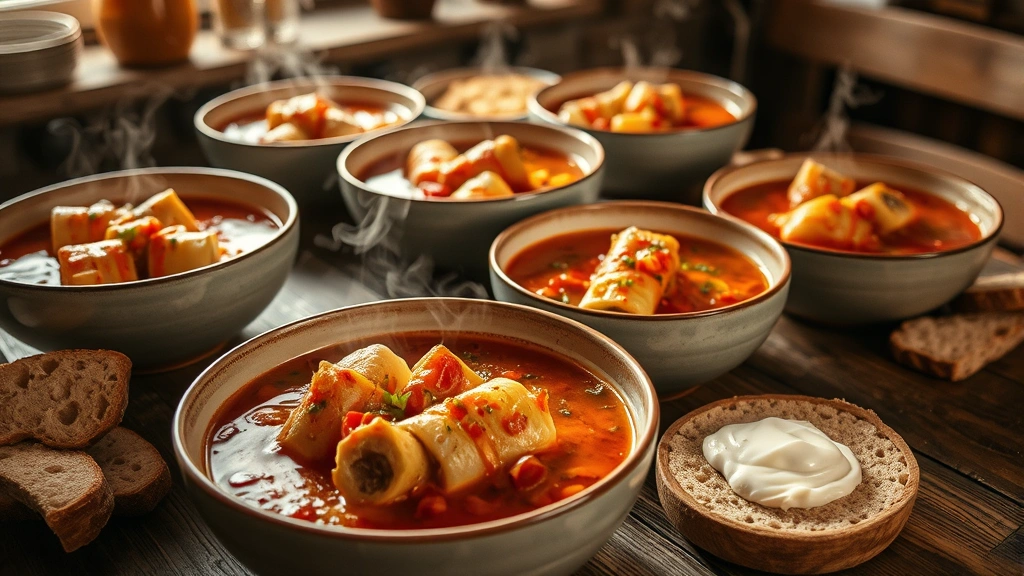
This recipe also pairs wonderfully with summer salad recipes for a complete meal experience, or serve alongside crusty bread for soaking up the delicious broth.
Storage and Make-Ahead
One of the greatest advantages of cabbage roll soup is its excellent keeping qualities:
Refrigerator Storage
Store cooled soup in airtight containers for up to 4 days in the refrigerator. The flavors actually improve as the soup sits, making day-two servings even more delicious. Reheat gently on the stovetop over medium heat, stirring occasionally and adding broth if the soup has thickened too much.
Freezer Storage
This soup freezes exceptionally well for up to 3 months. Cool completely before transferring to freezer-safe containers, leaving about 1 inch of headspace for expansion. Thaw overnight in the refrigerator and reheat on the stovetop. Alternatively, reheat from frozen using the stovetop method, adding an extra 15-20 minutes to cooking time and stirring frequently.
Make-Ahead Strategy
Prepare the soup completely and refrigerate up to 2 days ahead. You can also brown the meat and sauté the aromatics the day before, storing them separately and adding remaining ingredients when ready to cook. This modular approach works perfectly for busy schedules.
Freezing Individual Portions
Portion cooled soup into individual freezer bags or containers for grab-and-go lunches. This strategy works especially well for meal prep enthusiasts who want quick, homemade lunch options throughout the week.
This recipe connects beautifully with vintage grandma recipes that prioritize both flavor and practicality.
FAQ
Can I make cabbage roll soup in a slow cooker?
Absolutely! Brown the meat and sauté aromatics on the stovetop as directed. Transfer to a slow cooker with all remaining ingredients. Cook on low for 6-8 hours or high for 3-4 hours. Add the cabbage during the last 2 hours of cooking on low or last hour on high to prevent it from becoming mushy.
Why is my soup too thin?
The rice should thicken the soup naturally as it cooks. If it remains thin, you can add more uncooked rice (it will cook in the simmering broth) or blend a portion of the cooked vegetables and return it to the pot. Alternatively, simmer uncovered for an additional 10-15 minutes to reduce liquid.
Can I use pre-cooked rice?
While uncooked rice is preferred as it absorbs broth and adds body to the soup, you can substitute pre-cooked rice. Add it during the last 5 minutes of cooking to prevent mushiness. Use about ¾ cup pre-cooked rice for every 1 cup uncooked rice called for in the recipe.
Is this soup suitable for a keto diet?
Traditional cabbage roll soup contains rice, which isn’t keto-friendly. However, you can easily modify it by omitting the rice entirely. The soup will be brothier but still delicious and satisfying. Some recipes use keto soup recipes approaches with cauliflower rice as a substitute.
What’s the best way to reheat this soup?
Reheat gently on the stovetop over medium heat, stirring occasionally. This prevents scorching and allows even heat distribution. Microwave reheating works for individual portions but may create hot spots. Add a splash of broth if the soup has thickened significantly during storage.
Can I add dairy to this recipe?
Yes! Stir in sour cream, heavy cream, or cottage cheese recipes inspired additions like a dollop of cottage cheese for creaminess. Add dairy just before serving and avoid boiling to prevent curdling.
How do I prevent the cabbage from becoming mushy?
Cook the soup for the recommended 25-30 minutes only. Longer cooking times result in very soft cabbage. If you prefer firmer cabbage, reduce cooking time to 20-25 minutes, though the rice may not be fully tender.
What should I serve with cabbage roll soup?
Serve with crusty bread, dinner rolls, or cornbread for soaking up the broth. A crisp summer salad recipes provides a fresh contrast. Sour cream on the side lets guests customize creaminess. A simple chicken burrito recipe or other light protein can follow as a second course for heartier appetites.
How many servings does this recipe make?
This recipe yields 6-8 servings depending on portion size. A standard serving is about 1.5-2 cups. The soup is hearty and filling, so most people are satisfied with one bowl, though it’s easy to go back for seconds.


