Ultimate Cadillac Margarita: Mixologist’s Choice Recipe
The Cadillac Margarita represents the pinnacle of margarita craftsmanship, elevating the classic cocktail into a premium drinking experience. Unlike its simpler cousins, this sophisticated version features top-shelf tequila, premium triple sec, and fresh lime juice combined with finesse and precision. Whether you’re a home bartender seeking to impress guests or a cocktail enthusiast wanting to understand what separates an exceptional margarita from an ordinary one, mastering this recipe opens doors to mixology excellence.
This comprehensive guide walks you through every aspect of crafting the ultimate Cadillac Margarita, from ingredient selection and proper techniques to serving suggestions and professional tips. You’ll discover why premium spirits matter, how to achieve the perfect balance of flavors, and the small details that transform a good drink into an unforgettable one. By the end, you’ll have the knowledge to create bar-quality margaritas that rival those served in upscale restaurants and craft cocktail bars.
What Makes a Cadillac Margarita Different
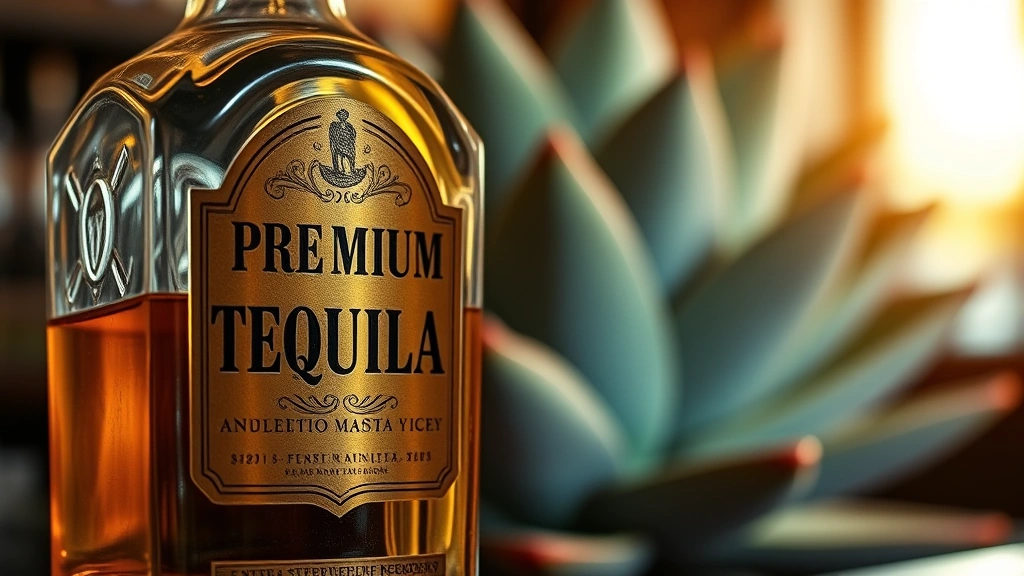
The Cadillac Margarita earned its luxurious name by representing the premium version of the classic margarita cocktail. The key distinction lies in the spirits selected and the quality of preparation. A standard margarita uses mid-range tequila and commercial triple sec, while a Cadillac version demands 100% agave tequila (typically añejo or reposado) and premium triple sec like Cointreau or Grand Marnier.
The philosophy behind the Cadillac Margarita centers on allowing superior ingredients to shine without unnecessary complications. Fresh lime juice, quality agave nectar, and proper technique create a harmonious balance where each component enhances the others. Professional mixologists consider this drink a benchmark for evaluating a bartender’s fundamental skills because it requires precision, understanding of flavor balance, and respect for quality ingredients.
Temperature control, proper dilution, and presentation all contribute to the Cadillac experience. This isn’t merely about using expensive bottles; it’s about understanding why premium spirits matter and how to treat them with the respect they deserve. When you invest in quality ingredients like those used in energy balls recipe development, the results speak for themselves.
Premium Ingredients Selection Guide
Tequila Selection
The foundation of any exceptional Cadillac Margarita begins with tequila selection. Look for 100% agave tequila, which means the spirit contains only agave sugars without additives or mixed sugars. Avoid mixto tequilas that contain up to 49% non-agave sugars, as these produce inferior results in cocktails.
For Cadillac Margaritas, consider these categories:
- Blanco (Silver) Tequila: Unaged or briefly aged, offering bright agave flavors and citrus notes. Perfect for classic Cadillac preparations.
- Reposado Tequila: Aged 2-12 months in oak, providing vanilla and caramel undertones with smoother character. Excellent for sophisticated palates.
- Añejo Tequila: Aged 1-3 years, delivering complex oak, spice, and dried fruit notes. Reserve for premium versions.
Premium brands worth exploring include Patrón, Casa Noble, Don Julio Real, and Espolòn. Each offers distinct flavor profiles that influence your final drink. Spend time tasting different options to understand your preferences and how they translate into cocktails.
Triple Sec and Orange Liqueurs
Triple sec quality dramatically impacts your margarita’s character. Cointreau stands as the gold standard, offering authentic orange essence without artificial sweetness. Grand Marnier provides a cognac base with richer complexity. Both represent significant upgrades from standard triple sec brands.
These premium options cost more but deliver superior results because they’re crafted with genuine orange peels and proper distillation techniques. A single ounce of quality triple sec in a cocktail justifies the investment through noticeably improved flavor.
Fresh Lime Juice
Never use bottled lime juice for a Cadillac Margarita. Fresh-squeezed lime juice provides brightness and complexity that bottled versions cannot replicate. Persian limes, commonly available in supermarkets, offer ideal balance between acidity and flavor. Key limes provide more intense flavor but higher acidity, requiring slight recipe adjustments.
Juice limes immediately before use to preserve volatile aromatics. Room-temperature limes yield more juice than cold ones. Roll limes firmly on the counter before cutting to break down internal membranes. A quality citrus juicer or hand press ensures maximum extraction without bitter pith compounds.
Agave Nectar
Agave nectar serves as the sweetening agent in premium margaritas, offering smoother integration than simple syrup. Light agave nectar provides neutral sweetness, while dark agave nectar contributes subtle caramel notes. Choose raw, organic options when possible, as these preserve beneficial enzymes and complex flavor compounds.
The ratio of agave to other ingredients requires precision. Too much creates cloyingly sweet drinks; too little results in harsh citrus dominance. Professional bartenders often adjust agave quantities based on lime juice acidity and personal preference.
Essential Equipment and Tools
Proper equipment distinguishes professional-quality margaritas from amateur attempts. While you don’t need expensive bar tools, quality implements make significant differences in consistency and final results.
- Cocktail Shaker: Boston shakers (two-piece metal design) offer superior performance and durability. The larger volume accommodates proper ice and allows adequate space for vigorous shaking.
- Jigger: Precision measuring ensures consistent drinks. Double-sided jiggers with 1-ounce and 1.5-ounce measurements work well for margarita preparation.
- Citrus Juicer: Lever-action juicers extract more juice with less effort than handheld squeezers. Stainless steel models resist corrosion from acidic lime juice.
- Strainer: Hawthorne strainers fit Boston shakers perfectly, allowing controlled pouring while leaving ice behind.
- Bar Spoon: Long-handled spoons facilitate proper stirring and ingredient integration. Twisted handles improve grip and control.
- Margarita Glasses: Traditional coupe or rocks glasses work equally well, though proper chilling matters more than glass style.
Invest in quality basics rather than accumulating numerous specialized tools. A Boston shaker, jigger, citrus juicer, and strainer comprise the essential starting kit for home mixology.
Step-by-Step Recipe Instructions
Ultimate Cadillac Margarita Recipe
Ingredients:
- 2 ounces premium 100% agave tequila (blanco or reposado)
- 1 ounce Cointreau or premium triple sec
- 0.75 ounces fresh-squeezed lime juice
- 0.5 ounces agave nectar
- Pinch of sea salt (optional, for rim)
- Ice (preferably large cubes)
- Lime wheel for garnish
Preparation Steps
Step 1: Chill Your Glass Begin by placing your margarita glass in the freezer at least 15 minutes before preparation. A properly chilled glass maintains drink temperature and enhances the drinking experience. Some bartenders fill glasses with ice and cold water while preparing the cocktail, then empty them just before pouring.
Step 2: Prepare Your Ingredients Measure all ingredients precisely using your jigger. Juice fresh limes immediately before mixing. Use room-temperature tequila and triple sec for optimal flavor expression. Cold spirits mix less effectively and don’t integrate properly with other ingredients.
Step 3: Fill the Shaker Add ice to your Boston shaker until three-quarters full. Use large ice cubes or cracked ice rather than small cubes, as larger ice melts more slowly, reducing unwanted dilution. Pour measured tequila, triple sec, and lime juice into the shaker. Add agave nectar last, as it settles to the bottom otherwise.
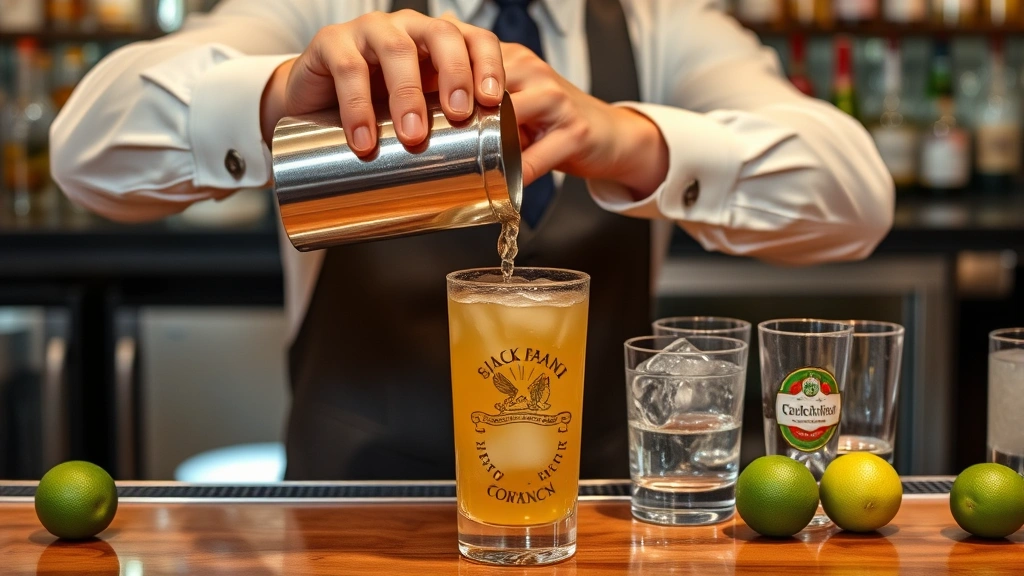
Step 4: Shake with Precision Seal the shaker firmly and shake vigorously for 10-12 seconds. Your goal is thorough mixing and proper chilling without excessive dilution. The shake should be forceful and confident; hesitant shaking produces inferior results. You’ll hear ice clinking sharply when shaking correctly.
Step 5: Strain into Glass Using your Hawthorne strainer, pour the mixture into your chilled glass over fresh ice. Strain smoothly without splashing. The drink should be well-chilled but not overly diluted.
Step 6: Garnish and Serve Express lime oil over the drink by twisting a fresh lime wheel over the surface. Drop the lime wheel into the drink as garnish. Serve immediately with a cocktail napkin and stirrer.
Professional Mixing Techniques
Understanding the science behind margarita preparation elevates your results significantly. Professional mixologists follow principles that home bartenders can easily adopt.
Temperature Control
Temperature management separates excellent margaritas from mediocre ones. Cold drinks mask flavor flaws but also suppress complex notes from premium spirits. The ideal serving temperature hovers around 28-32°F, cold enough to be refreshing but not so cold that it numbs your palate.
Pre-chilling glassware matters more than adding extra ice to your shaker. Ice in the glass waters down your drink as it melts; ice in the shaker cools the cocktail without permanent dilution. This distinction explains why professional bartenders chill glasses separately.
Proper Dilution
Dilution from melting ice serves essential functions in cocktail preparation. It slightly reduces spirit intensity, allowing subtle flavors to emerge. It also slightly reduces alcohol burn, improving drinkability. The key is controlling dilution rather than eliminating it.
A 10-12 second shake produces ideal dilution in margaritas. Shorter shakes leave the drink too strong and warm; longer shakes over-dilute and water down flavors. Vigorous shaking matters more than duration; a powerful 8-second shake beats a weak 15-second one.
Ingredient Ratios
The classic margarita ratio of 2:1:1 (tequila to triple sec to lime juice) provides a foundation, but premium margaritas often adjust ratios based on ingredient quality and personal preference. The agave nectar addition creates what some call a “perfect margarita” versus the sour version using lime juice alone.
Consider lime juice acidity when adjusting ratios. Highly acidic limes might require slightly more agave nectar. Less acidic limes might need reduced agave. Tasting and adjusting based on your specific ingredients produces better results than rigidly following recipes.
Shaking Versus Stirring
Margaritas are always shaken, never stirred, due to their citrus juice content. Shaking thoroughly integrates citrus juice with other ingredients while achieving proper temperature and dilution. Stirring cannot adequately combine these components, resulting in layered, unbalanced drinks.
Creative Variations and Twists
Once you’ve mastered the classic Cadillac Margarita, exploring variations expands your mixology repertoire. Professional bartenders develop signature drinks by thoughtfully modifying established recipes.
Jalapeño Cadillac Margarita
Infuse your tequila with fresh jalapeño slices for 4-6 hours, then strain before use. This variation adds subtle heat and herbal complexity. The spice complements premium tequila beautifully, creating drinks that evolve as you sip them. Adjust lime juice slightly downward when adding jalapeño, as the peppers contribute slight acidity.
Smoky Cadillac with Mezcal
Replace half your tequila with premium mezcal for smoky character. This variation appeals to those enjoying wood smoke and complexity. Mezcal’s bold flavor pairs exceptionally well with Cointreau’s bright orange notes. The result feels more sophisticated and contemplative than standard margaritas.
Fruit-Forward Versions
Incorporate fresh fruit juices or fruit-infused syrups for creative twists. Mango, passion fruit, or pineapple juice (in modest quantities) adds dimension without overwhelming the tequila. Keep additions to 0.5 ounces or less to maintain margarita character. These variations work particularly well during summer entertaining.
Herbal Infusions
Fresh herbs like cilantro, basil, or mint can be muddled gently in your shaker before adding other ingredients. Avoid aggressive muddling, which bruises herbs and releases bitter compounds. Gentle pressing releases aromatic oils without damaging plant material. Similar precision applies when preserving herbs for later use in cocktails.
Proper Serving and Presentation
Presentation and serving technique complete the Cadillac Margarita experience. These details might seem minor but significantly influence how guests perceive and enjoy your drinks.
Glassware Selection
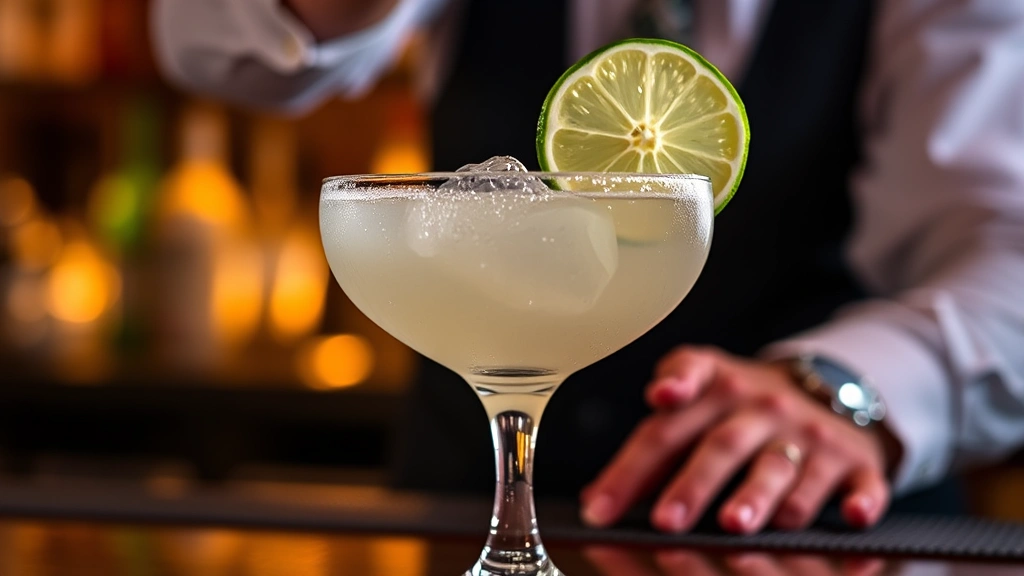
Traditional margarita glasses feature a wide bowl and pedestal base, offering elegance and practical advantages. The wide bowl allows adequate lime wheel garnish and ice without cramping. Alternatively, rocks glasses (on the rocks style) work equally well for casual settings.
Proper chilling of glassware deserves emphasis. Place glasses in the freezer 15-30 minutes before service. If you lack freezer space, fill glasses with ice and cold water while preparing drinks, then empty just before pouring. This simple step dramatically improves the drinking experience.
Garnish Techniques
Fresh lime wheels represent the classic garnish, offering both visual appeal and practical function. Express lime oil by twisting the wheel over the drink surface, releasing aromatic oils that enhance aroma. Drop the wheel into the drink or rest it on the rim based on preference.
Some bartenders prefer salt rims, though premium margaritas often skip this addition to avoid masking delicate flavors. If using salt, apply it to only half the rim, allowing guests to choose salted or unsalted sips. Sea salt offers superior flavor to table salt.
Serving Timing
Serve margaritas immediately after preparation. Unlike some cocktails that improve with a few minutes of rest, margaritas are best consumed within moments of shaking. The fresh lime juice aromatics fade quickly; temperature drops as ice melts.
When making multiple drinks, prepare them simultaneously rather than sequentially. Make all your shakers, strain all your drinks, then present them together. This ensures consistent temperature and flavor across all glasses.
Pairing with Food
Cadillac Margaritas pair beautifully with Mexican cuisine, seafood, and spicy dishes. The citrus brightness cuts through rich flavors while the tequila provides grounding. Consider serving alongside chips and guacamole, ceviche, or grilled fish for optimal enjoyment. The balance of lime, agave, and spirits makes these drinks versatile aperitifs suitable for various occasions.
FAQ
What’s the difference between a Cadillac Margarita and a regular margarita?
The primary difference involves ingredient quality. Cadillac Margaritas use 100% agave premium tequila and premium triple sec like Cointreau, while regular margaritas often use mid-range spirits. The preparation technique and attention to detail also distinguish these versions. Premium ingredients cost more but deliver noticeably superior flavor and drinking experience.
Can I use bottled lime juice for a Cadillac Margarita?
No, fresh-squeezed lime juice is essential for proper Cadillac Margaritas. Bottled juice lacks the aromatic compounds and brightness that fresh juice provides. The difference is immediately noticeable in the final drink. Always juice limes immediately before mixing for optimal results.
How do I properly chill my margarita glass?
Place glasses in the freezer for at least 15 minutes before use. Alternatively, fill glasses with ice and cold water while preparing your drink, then empty them just before pouring. The goal is achieving a glass temperature around 20-25°F to maintain drink temperature without additional ice dilution.
Should I use a salt rim on a Cadillac Margarita?
Salt rims are optional and somewhat controversial among premium mixologists. Some argue that salt masks the delicate flavors of quality spirits, while others enjoy the flavor contrast. If using salt, apply it to only half the rim and use sea salt rather than table salt. Taste your drink both ways to determine your preference.
What’s the ideal tequila type for Cadillac Margaritas?
Blanco (silver) tequila works beautifully for classic Cadillac preparations, offering bright agave flavors. Reposado tequila provides smoother character with subtle oak notes. Avoid aged tequilas like extra añejo, as their complexity gets lost in cocktail preparation. Stick with blanco or reposado for optimal results.
How long should I shake a margarita?
Shake vigorously for 10-12 seconds. This duration provides adequate mixing and chilling without excessive dilution. The shake should be forceful and confident; the ice should clink sharply against the shaker. Duration matters less than intensity; a powerful 8-second shake beats a weak 15-second one.
Can I batch Cadillac Margaritas in advance?
You can prepare the liquid ingredients in advance and refrigerate them, but don’t shake with ice until serving time. Shake each batch fresh to order, as pre-shaken drinks lose carbonation and temperature quickly. Some bartenders batch-chill ingredients in the refrigerator, then shake to order for efficiency during entertaining.
What’s the alcohol content of a Cadillac Margarita?
A standard Cadillac Margarita contains approximately 28-32% ABV (alcohol by volume), making it a moderately strong cocktail. The exact percentage depends on your specific spirit brands and exact measurements. Tequila typically ranges from 38-40% ABV, while triple sec is usually 35-40% ABV.
How do I know if my lime juice is too acidic?
Taste a small amount directly. Highly acidic limes create harsh, pucker-inducing sensations. If your lime juice tastes extremely tart, increase agave nectar by 0.25 ounces to balance acidity. Conversely, less acidic limes might require reduced agave. Adjusting based on actual taste produces better results than rigidly following recipes.
What’s the best way to express lime oil for garnish?
Hold a fresh lime wheel about 6 inches above the drink. Bend the wheel slightly to break the peel and release oils, then twist it over the drink surface. You’ll see a fine mist of oil spray into the drink. This aromatic oil enhances the drinking experience significantly. Drop the wheel into the drink or rest it on the rim afterward.


