
Quick Canned Chicken Salad? Easy Method
When you’re short on time but need a satisfying meal, canned chicken salad is your secret weapon. This pantry staple transforms into a delicious, protein-packed dish in just minutes—no cooking required. Whether you’re packing lunch, hosting a quick gathering, or simply need dinner on the table fast, mastering the art of canned chicken salad opens up endless possibilities for creative, nutritious meals.
The beauty of using canned chicken lies in its convenience and shelf stability. Unlike fresh poultry that demands immediate preparation, canned chicken waits patiently in your pantry, ready to become everything from classic salads to creative wraps and casseroles. This guide walks you through the easiest methods to elevate your canned chicken into restaurant-quality salads that your family will actually crave.
Why Canned Chicken Is Perfect for Quick Meals
Canned chicken offers unmatched convenience for busy cooks. It’s already cooked, safely preserved, and requires zero preparation time. Simply drain, flake, and combine with your chosen ingredients—you’ll have a complete meal in under ten minutes. This makes it ideal for weeknight dinners when you’re exhausted, meal prep sessions when you’re planning ahead, or emergency meals when unexpected guests arrive.
The texture of canned chicken works beautifully in salad applications. The meat is already tender and breaks apart naturally, creating the ideal consistency for mixing with creamy dressings and crisp vegetables. Unlike some canned proteins that can feel mushy or unappetizing, quality canned chicken maintains its integrity and absorbs flavors wonderfully.
Beyond salads, canned chicken serves as the foundation for numerous other dishes. You can create chicken noodle casserole recipes for comforting family dinners, or explore baked chicken tenders recipes for different texture profiles. It’s also perfect for discard recipes if you’re managing sourdough starters and need creative ways to use your discards alongside proteins.
Cost-effectiveness is another major advantage. Canned chicken typically costs significantly less than fresh or rotisserie chicken, making it budget-friendly for families or individuals watching their spending. One or two cans often provides enough protein for multiple servings, stretching your grocery dollars further.
Essential Ingredients You’ll Need
Creating an exceptional canned chicken salad requires more than just the protein—it’s about building layers of flavor and texture. Here are the foundational ingredients you should stock:
The Protein Base: Start with quality canned chicken packed in water or broth. Check the label for minimal additives and avoid products with excessive sodium if possible. Two 5-ounce cans typically yield enough for three to four generous servings.
Creamy Binders: Mayo serves as the traditional base, but you have flexibility here. Mix mayo with Greek yogurt for a lighter version that reduces calories while maintaining creaminess. Sour cream adds tanginess, while avocado provides healthy fats and a luxurious texture.
Flavor Enhancers: Dijon mustard adds sophistication, while whole grain mustard contributes texture and depth. Fresh lemon or lime juice brightens the entire dish and prevents oxidation of delicate vegetables. A quality salt and freshly ground pepper are non-negotiable.
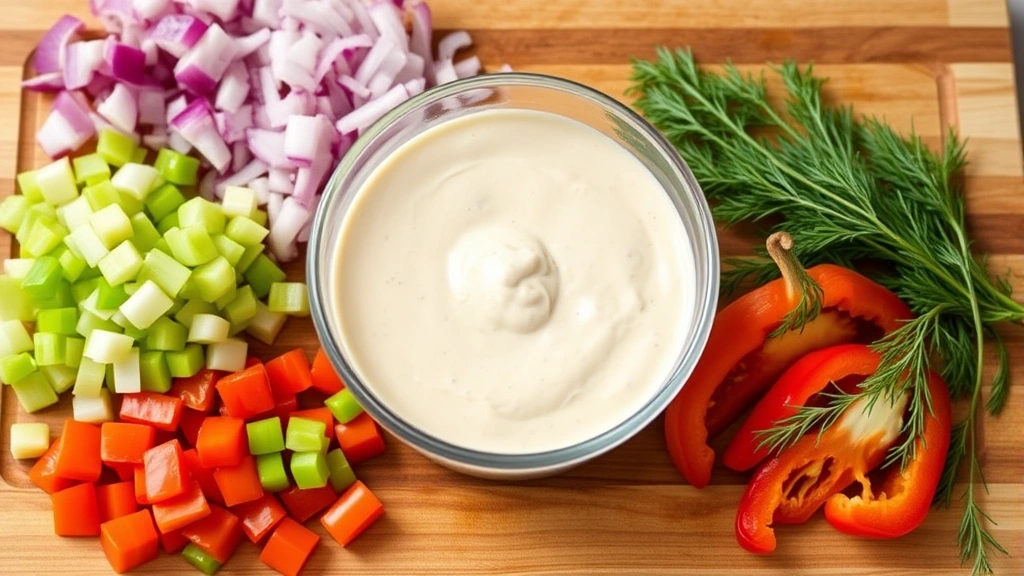
Vegetable Components: Crisp celery provides essential crunch and mild flavor. Red onion adds sharpness and beautiful color contrast. Diced bell peppers (red, yellow, or orange) contribute sweetness and visual appeal. Fresh herbs like dill, parsley, or tarragon elevate the dish from simple to sophisticated.
Optional Additions: Diced apples or dried cranberries introduce sweetness. Toasted nuts (pecans, walnuts, or almonds) add crunch and nutritional value. Pickled relish or capers provide briny complexity. Consider organic versus non-organic produce based on your preferences and budget.
Step-by-Step Preparation Method
The beauty of canned chicken salad lies in its simplicity. Follow these straightforward steps for consistent, delicious results every time:
Step 1: Drain Your Chicken Properly
Open your canned chicken and pour it into a fine-mesh strainer. Let it sit for a moment, allowing excess liquid to drain completely. This step is crucial—excess moisture will dilute your dressing and make the salad watery. Gently press the chicken against the strainer with the back of a spoon, but avoid crushing it into paste.
Step 2: Prepare Your Vegetables
While the chicken drains, prep your vegetables. Dice celery into quarter-inch pieces for optimal texture. Mince red onion finely so it distributes evenly throughout. Dice bell peppers into small, uniform pieces. Chop fresh herbs just before mixing to preserve their vibrant flavor and color.
Step 3: Create Your Dressing Base
In a large mixing bowl, combine your creamy base. Start with three-quarters cup mayo and two tablespoons Greek yogurt for a balanced texture. Add one tablespoon fresh lemon juice, one teaspoon Dijon mustard, and salt and pepper to taste. Whisk these together until smooth and well-combined.
Step 4: Combine All Components
Add your drained chicken to the dressing bowl. Using a fork, gently break up any large pieces while mixing—you want some texture variation, not a uniform paste. Add your prepared vegetables and fold everything together gently. This folding method, rather than vigorous stirring, helps maintain the chicken’s texture and prevents vegetables from bruising.
Step 5: Taste and Adjust
This is where your personal preference takes over. Taste the mixture and adjust seasonings as needed. Need more tang? Add additional lemon juice or a splash of vinegar. Want more depth? Increase the mustard slightly. Prefer it creamier? Fold in a bit more mayo. This customization step transforms a good salad into your perfect salad.
Step 6: Chill Before Serving
Refrigerate for at least thirty minutes before serving. This allows flavors to meld and makes the salad more refreshing. If preparing ahead, keep it covered and consume within three to four days for optimal freshness and food safety.
Flavor Variations and Combinations
Once you master the basic method, experimentation becomes fun. Here are proven flavor combinations that consistently impress:
Classic Deli Style
Stick closely to traditional ingredients: mayo, celery, red onion, and a touch of sweet pickle relish. This timeless combination appeals to nearly everyone and works beautifully in sandwiches, on crackers, or over mixed greens.
Mediterranean Inspired
Mix mayo with Greek yogurt, add fresh dill and parsley, incorporate diced cucumber and sun-dried tomatoes, and finish with crumbled feta cheese. A squeeze of lemon juice and a pinch of oregano complete this fresh, herbaceous version. This variation pairs wonderfully with pita bread or over a bed of romaine lettuce.
Asian-Fusion Approach
Replace mayo with a combination of Greek yogurt and sesame oil. Add rice vinegar, a touch of soy sauce, and fresh ginger. Include shredded carrots, sliced green onions, and crispy chow mein noodles for texture. Fresh cilantro and a sprinkle of sesame seeds finish this vibrant option.
Curry-Spiced Version
Mix mayo with a quality curry powder (adjust amount to your spice preference), add diced mango or pineapple for sweetness, include diced red onion and cilantro, and finish with toasted cashews for crunch. This warm-spiced variation works beautifully in lettuce wraps or over jasmine rice.
Apple Walnut Combination
This slightly sweet option combines mayo with a touch of honey, adds diced Granny Smith apple (toss with lemon juice to prevent browning), includes chopped toasted walnuts, and incorporates dried cranberries. Fresh tarragon adds sophistication. Serve this on croissants or over mixed greens for an elegant lunch.
Serving Ideas and Storage Tips
The versatility of canned chicken salad extends far beyond the bowl. Consider these creative serving options:
Classic Sandwich Preparation
Spread generous portions between two slices of your favorite bread. Add crisp lettuce leaves and tomato slices for additional texture and freshness. Toasted bread provides structural support for heavier, mayo-based versions.
Lettuce Wrap Alternative
For a lower-carb option, scoop chicken salad into crisp lettuce leaves—butter lettuce, romaine, or iceberg all work beautifully. This presentation reduces calories while maintaining satisfaction and adds an elegant touch suitable for entertaining.
Salad Topping
Serve canned chicken salad over mixed greens, alongside roasted vegetables, or with fresh fruit. This approach stretches your protein further while adding nutrients and visual appeal. The greens provide contrast to the creamy salad.
Cracker and Appetizer Vehicle
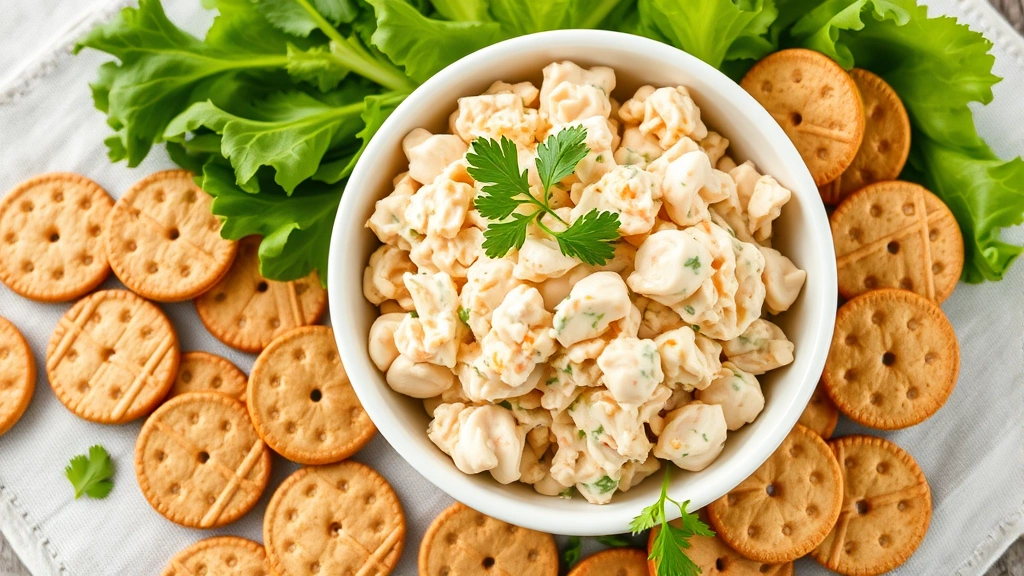
Serve small spoonfuls on whole grain crackers, cucumber rounds, or endive leaves for elegant appetizers. This presentation works particularly well for entertaining and allows guests to control portion sizes.
Storage and Food Safety
Proper storage ensures your canned chicken salad remains safe and delicious. Keep prepared salad in an airtight container in the refrigerator at 40°F or below. It will maintain quality for three to four days. Don’t leave prepared salad at room temperature for longer than two hours—one hour if your kitchen is particularly warm.
For meal prep efficiency, store the dressing separately from raw vegetables if preparing several days ahead. This prevents sogginess and maintains optimal texture. Combine just before eating for the freshest result.
Nutrition and Ingredient Quality
Understanding the nutritional profile of your canned chicken salad helps you make informed choices aligned with your dietary goals. A typical serving (approximately one cup) provides around fifteen to twenty grams of protein, making it an excellent choice for muscle maintenance and satiety.
The fat content varies significantly based on your dressing choices. Mayo-based versions contain more fat than Greek yogurt variations, but remember that fat contributes to flavor and satisfaction. Choose quality ingredients that make you feel good about your meal.
Sodium levels deserve attention, particularly if you’re monitoring intake. Canned chicken packed in water typically contains less sodium than broth-packed versions. Rinsing and draining thoroughly reduces sodium further. Control additional salt in your dressing to manage total intake.
When selecting canned chicken, look for products with minimal ingredient lists. Ideal options contain only chicken, salt, and perhaps water or broth. Avoid products with fillers, excessive additives, or unclear ingredient sourcing. Reading labels carefully ensures you’re getting quality protein.
Fresh vegetable components significantly boost the nutritional value of your salad. Vegetables provide fiber, vitamins, minerals, and phytonutrients that canned chicken alone cannot supply. The combination creates a nutritionally complete meal when served with whole grains or over greens.
Consider Greek recipes that emphasize whole foods and minimal processing—these principles apply beautifully to canned chicken salad preparation. Prioritize whole grain breads, fresh produce, and quality proteins for optimal nutrition.
FAQ
How long does homemade canned chicken salad keep in the refrigerator?
Properly stored in an airtight container at 40°F or below, canned chicken salad maintains quality for three to four days. The shelf life depends partly on ingredient freshness—if you’re using fresh herbs or vegetables, consume sooner rather than later for best flavor and safety. Discard immediately if you notice any off odors or discoloration.
Can I use canned chicken salad in recipes besides sandwiches?
Absolutely! Canned chicken salad works beautifully in numerous applications. Use it as a topping for baked potatoes, mix it into pasta salads, serve it over mixed greens as a main course salad, stuff it into avocado halves, or incorporate it into chicken noodle casseroles for added flavor complexity. The creamy base also works well in lettuce wraps, on crostini, or as a filling for hollowed-out tomatoes.
What’s the best way to prevent my canned chicken salad from becoming watery?
Thorough draining of canned chicken is absolutely essential. Pour it into a fine-mesh strainer and let it sit for several minutes, occasionally pressing gently with a spoon to remove excess liquid. Additionally, if using watery vegetables like tomatoes or cucumbers, dice them and let them drain on paper towels before adding to your salad. Consider adding vegetables just before serving rather than hours ahead if you’re concerned about excess moisture.
Is canned chicken salad suitable for meal prep?
Yes, with strategic planning. Prepare the dressing and protein base, storing them separately from fresh vegetables. Keep raw vegetables in a separate container and combine everything just before eating or serving. This approach maintains optimal texture and prevents the salad from becoming soggy. Most components keep well for three to four days when stored properly in airtight containers.
Can I make canned chicken salad dairy-free or vegan?
You can modify it for dairy-free needs by replacing mayo with dairy-free alternatives and using dairy-free yogurt if desired. However, making it truly vegan is challenging since the primary protein is chicken. Consider exploring plant-based alternatives like chickpea salad or other legume-based options instead.
What’s the difference between water-packed and broth-packed canned chicken?
Water-packed canned chicken contains less sodium and fewer added flavors, making it more versatile for various recipes. Broth-packed versions offer slightly more flavor but contain additional sodium. For canned chicken salad, either works—choose based on your sodium preferences and the specific flavor profile you’re targeting.


