Canned Green Bean Delight: Family Favorite Recipe
Canned green beans often get overlooked in modern kitchens, yet they remain one of the most versatile and convenient pantry staples for busy families. Whether you’re looking for a quick weeknight side dish or a comforting casserole that brings back nostalgic memories, canned green bean recipes deliver consistent results without the prep work of fresh produce. The beauty of working with canned green beans lies in their accessibility, affordability, and year-round availability—making them perfect for anyone seeking to create delicious meals without breaking the bank or spending hours in the kitchen.
This comprehensive guide explores creative ways to transform humble canned green beans into memorable dishes your entire family will request again and again. From classic casseroles to Asian-inspired stir-fries, we’ll reveal techniques that elevate this humble ingredient into something truly special. You’ll discover how proper seasoning, complementary ingredients, and thoughtful preparation methods can turn canned green beans from a boring side dish into the star of your dinner table.
Why Canned Green Beans Deserve Your Attention
Canned green beans have earned their place in kitchens worldwide for compelling reasons beyond mere convenience. Unlike fresh green beans that require washing, trimming, and careful storage, canned versions arrive ready to use. They’re already cooked to a safe temperature, eliminating food safety concerns and reducing overall cooking time. This makes them invaluable for parents juggling multiple responsibilities, individuals managing dietary restrictions, and anyone seeking to minimize food waste.
The nutritional profile of canned green beans often surprises skeptics. Modern canning processes preserve essential vitamins and minerals, particularly fiber and folate. When packed without added sodium, they offer comparable nutritional benefits to fresh varieties. Additionally, canned green beans cost significantly less than fresh options, especially during winter months when fresh produce prices spike. This affordability means families can create nutritious meals without straining their grocery budgets.
From a culinary perspective, canned green beans absorb flavors beautifully. Their tender texture allows seasonings, sauces, and complementary ingredients to penetrate thoroughly, creating dishes with cohesive, integrated flavors. This characteristic makes them ideal for casseroles, stir-fries, and sautéed preparations where you want every component to taste intentional and well-developed.
Essential Preparation Techniques
Transforming canned green beans from ordinary to extraordinary begins with proper preparation. The first critical step involves draining your canned green beans thoroughly. Place them in a fine-mesh strainer and rinse under cool running water for 30-45 seconds. This removes excess sodium from the canning liquid and eliminates the metallic aftertaste some people associate with canned vegetables. Pat them dry with paper towels—this step prevents excess moisture from diluting sauces or making your final dish watery.
Once drained and dried, consider your cooking method. For casseroles and baked dishes, slightly undercook your green beans if using the canned product directly, as additional oven time will soften them further. For stir-fries and sautéed preparations, add canned green beans near the end of cooking to maintain some textural integrity. This timing prevents them from becoming mushy while allowing them to warm through and absorb surrounding flavors.
Seasoning is where preparation truly matters. Rather than relying solely on salt, layer flavors using aromatics like garlic, onion, and fresh herbs. Acid from lemon juice or vinegar brightens the dish and counteracts any tinny flavors. Fat—whether from butter, olive oil, or bacon—carries flavor molecules and creates satisfaction. This multi-dimensional approach to seasoning transforms basic canned green beans into something restaurant-quality.
Classic Green Bean Casserole Supreme
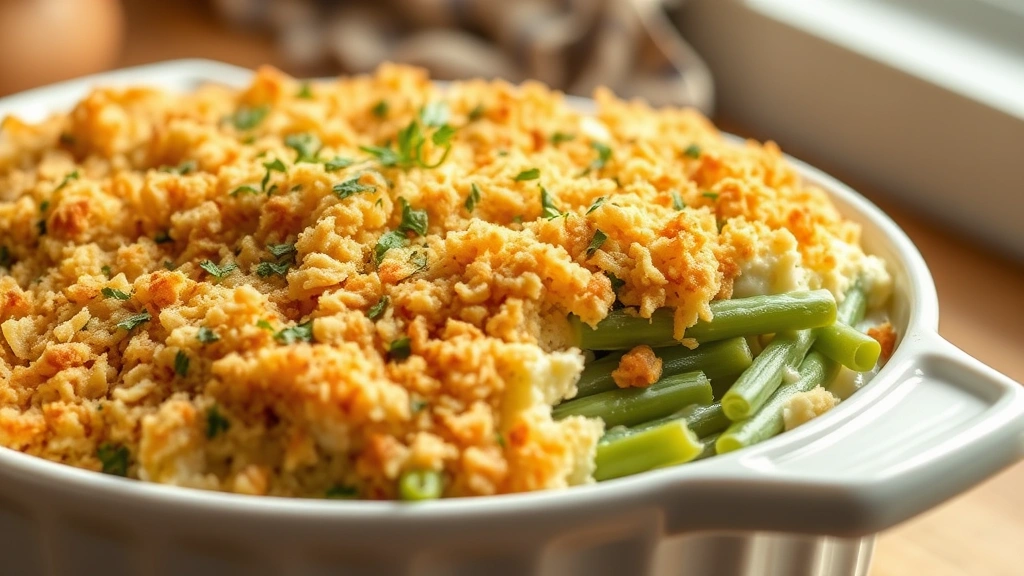
The green bean casserole represents American comfort food at its finest, and for good reason. This make-ahead dish feeds crowds effortlessly while delivering creamy, savory satisfaction. Begin with four cans of green beans, drained and rinsed thoroughly. In a large mixing bowl, combine one can of cream of mushroom soup with half a cup of whole milk, stirring until smooth. Add one teaspoon of garlic powder, half a teaspoon of black pepper, and one teaspoon of kosher salt.
Fold the drained green beans into the creamy mixture, ensuring even distribution. Transfer to a buttered 9×13-inch baking dish. Rather than using fried onions exclusively, create a superior topping by combining two cups of panko breadcrumbs with six tablespoons of melted butter, one cup of crispy fried onions, and one-third cup of grated Parmesan cheese. Sprinkle this mixture evenly across the casserole surface.
Bake at 350°F for 35-40 minutes until the topping turns golden brown and the filling bubbles around the edges. The casserole serves 8-10 people and reheats beautifully, making it perfect for potlucks and holiday gatherings. For variations, stir in cooked bacon, sautéed mushrooms, or crispy chicken pieces before baking. You can also explore best healthy food recipes to adapt this classic with lighter ingredients.
Asian-Inspired Canned Green Bean Stir-Fry
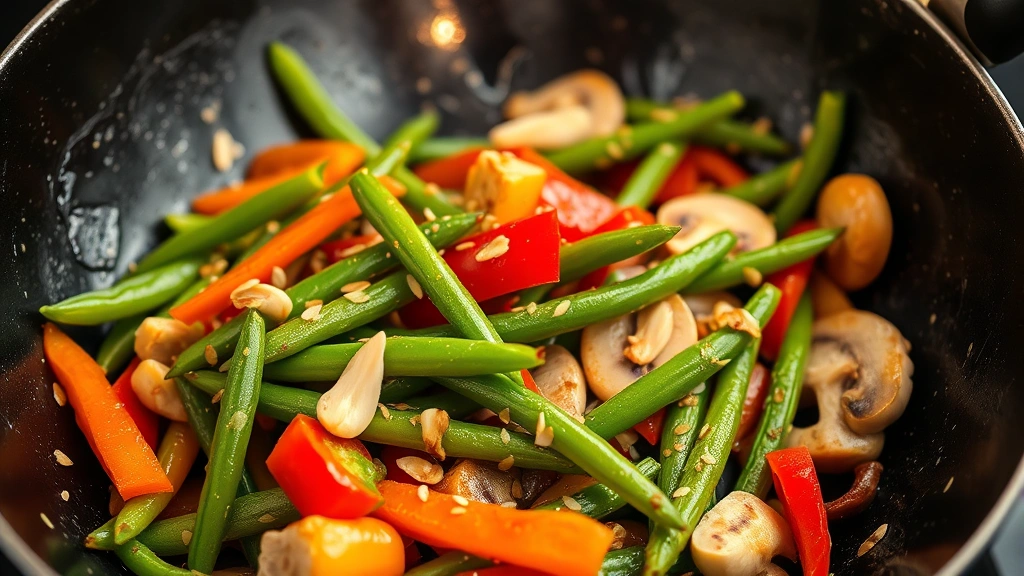
Transform canned green beans into an exciting stir-fry that rivals takeout restaurants. This quick-cooking method works beautifully with canned vegetables and introduces your family to diverse flavor profiles. Heat two tablespoons of sesame oil in a large wok or skillet over medium-high heat. Add three cloves of minced garlic and one tablespoon of grated fresh ginger, stirring constantly for 30 seconds until fragrant.
Pour in four drained cans of green beans along with one cup of sliced mushrooms and two cups of diced bell peppers. Stir-fry for 3-4 minutes until vegetables are heated through and peppers soften slightly. Create a sauce by whisking together three tablespoons of soy sauce, one tablespoon of rice vinegar, one teaspoon of sesame oil, and one-half teaspoon of red pepper flakes. Pour the sauce over vegetables and toss for one minute until everything is coated.
Finish with two tablespoons of chopped fresh cilantro and two tablespoons of toasted sesame seeds. Serve immediately over steamed rice or as a side to shrimp recipes with rice. This preparation method takes approximately 15 minutes from start to finish, making it ideal for weeknight meals. The combination of umami-rich soy sauce, bright vinegar, and aromatic ginger and garlic creates complexity that belies the dish’s simplicity.
Flavor Combinations That Work
Understanding flavor pairing principles elevates your canned green bean cooking significantly. Green beans pair exceptionally well with savory elements like bacon, anchovies, and aged cheeses. The vegetable’s subtle earthiness complements rich, fatty components beautifully. Try wrapping drained canned green beans in prosciutto, drizzling with olive oil, and roasting at 400°F for 12-15 minutes for an elegant side dish suitable for dinner parties.
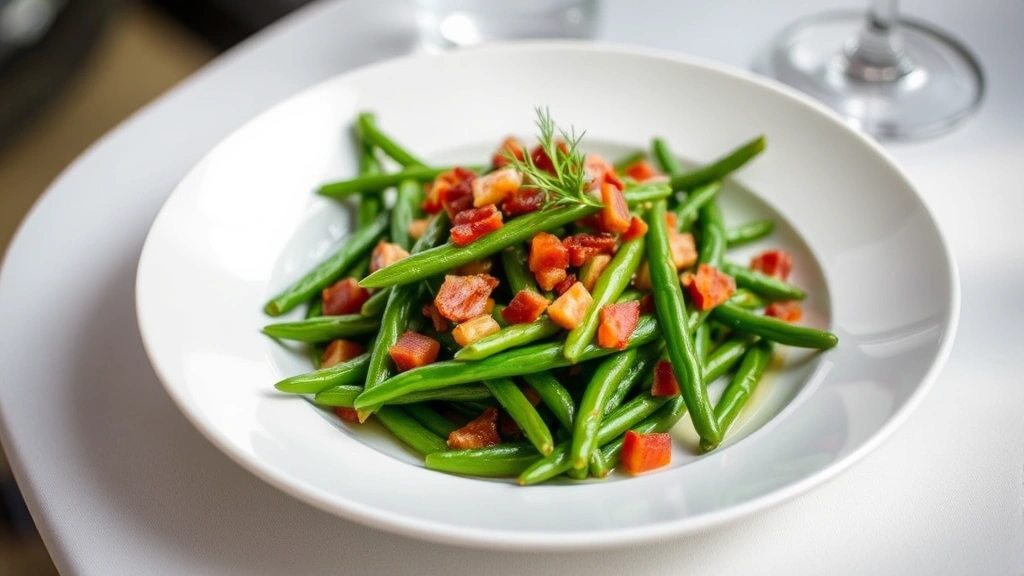
Aromatics including garlic, onion, and shallots form the foundation for sophisticated canned green bean preparations. Caramelize sliced onions in butter until deep golden brown, then toss with drained green beans and crispy bacon for a side dish that tastes like it required hours of preparation. Fresh herbs like dill, tarragon, and thyme brighten canned green beans, particularly when combined with lemon juice and good quality butter.
Nutmeg, though seemingly unusual, creates an elegant flavor profile when used sparingly in creamy green bean preparations. A quarter teaspoon in a cream sauce adds subtle warmth without announcing itself. Similarly, smoked paprika introduces complexity and depth, while cumin and coriander work beautifully in spiced preparations inspired by Indian or Middle Eastern cuisines.
Acid is perhaps the most transformative flavor component. A squeeze of fresh lemon juice, splash of apple cider vinegar, or drizzle of balsamic vinegar cuts through richness and brightens the entire dish. This simple addition often makes the difference between forgettable and memorable, so never skip this crucial step.
Quick Side Dishes for Weeknight Dinners
When time is limited, canned green beans deliver restaurant-quality sides in minimal time. The garlic butter green beans method requires just three ingredients: four tablespoons of butter, four minced garlic cloves, and drained canned green beans. Melt butter in a skillet, add garlic, and cook for 30 seconds until fragrant. Toss in green beans and heat through, finishing with salt, pepper, and fresh lemon juice. This takes five minutes total.
For creamy herb green beans, combine drained canned green beans with sour cream, fresh dill, minced garlic, and a squeeze of lemon juice. Heat gently in a saucepan without boiling, creating a simple sauce that complements roasted chicken or fish perfectly. This preparation works wonderfully alongside chicken pad thai recipe for contrast between spicy and cool elements.
The tomato and olive green beans preparation brings Mediterranean flavors to your table. Sauté drained canned green beans with canned diced tomatoes, sliced Kalamata olives, minced garlic, and dried oregano. Finish with quality olive oil and fresh parsley. This vibrant side pairs beautifully with Greek-inspired main courses or simple grilled proteins.
For cheesy green beans, toss drained green beans with melted butter, minced garlic, grated Parmesan cheese, and panko breadcrumbs. Spread in a baking dish and bake at 375°F for 12-15 minutes until the topping turns golden. This satisfying side combines creamy, crispy, and savory elements that appeal to both children and adults.
Storage and Make-Ahead Tips
One of canned green beans’ greatest advantages is their compatibility with make-ahead cooking. Green bean casseroles can be assembled completely, covered with plastic wrap, and refrigerated for up to 24 hours before baking. Simply add five minutes to the baking time if cooking from refrigerated temperature. This flexibility makes holiday meal planning significantly less stressful.
Cooked green bean preparations store beautifully in airtight containers for three to four days. Stir-fried green beans reheat gently in a skillet over medium heat with a splash of water if needed. Creamy preparations may separate slightly upon reheating—simply stir in a tablespoon of milk or cream to restore their silky texture. Freezing cooked green bean dishes is generally not recommended, as the texture becomes mushy and sauces may break.
Keep unopened cans of green beans in your pantry for up to five years, providing reliable backup ingredients for unexpected meal planning needs. Once opened, transfer unused portions to airtight containers and refrigerate for up to three days. This storage approach prevents metallic flavors from developing and maintains better texture than leaving food in opened cans.
When meal prepping, consider cooking seasoned green beans at the beginning of the week. Portion them into individual containers alongside proteins and grains for balanced lunch options. The vegetable’s neutral flavor allows it to complement diverse cuisines, so you can pair the same batch with Asian, Mediterranean, or classic American preparations throughout the week.
FAQ
Can I use fresh green beans instead of canned?
Absolutely. Fresh green beans work beautifully in any recipe calling for canned versions. Simply trim the ends, blanch in boiling salted water for 4-5 minutes until tender-crisp, then proceed with the recipe. Fresh green beans will require slightly longer cooking times in casseroles compared to pre-cooked canned versions. You might also explore quick breakfast recipes that incorporate vegetables creatively.
Why do my canned green beans taste metallic?
This flavor typically comes from the canning liquid and the can itself. Always drain and rinse your canned green beans thoroughly under cool running water. Additionally, choose brands that offer low-sodium options, as the canning liquid in regular varieties contains more salt and can intensify metallic notes. Cooking canned green beans with acidic ingredients like lemon juice or vinegar also masks any metallic aftertaste effectively.
Are canned green beans as nutritious as fresh?
Modern canning processes preserve most nutrients, particularly fiber and folate. However, fresh green beans may retain slightly more vitamin C. The difference is minimal, and canned green beans remain a nutritious choice. Look for varieties packed without added sodium to reduce salt intake. The convenience factor often makes canned versions more practical for busy households, leading to more consistent vegetable consumption overall.
How much canned green beans equals fresh?
One 15-ounce can of green beans equals approximately one pound of fresh green beans. Most recipes using canned green beans call for three to four cans, equivalent to three to four pounds of fresh produce. When substituting fresh for canned in recipes, account for longer cooking times and the need for pre-cooking fresh green beans before adding to casseroles or other dishes.
Can I make canned green bean recipes ahead for freezing?
Most canned green bean dishes freeze adequately for up to two months, though texture may become slightly softer. Casseroles freeze better than stir-fries or creamy preparations. Freeze in airtight containers or covered baking dishes. Thaw overnight in the refrigerator and reheat gently in the oven at 350°F until warmed through. Avoid microwaving, which can result in uneven heating and texture degradation.
What proteins pair best with canned green bean dishes?
Canned green beans complement virtually any protein beautifully. Chicken, whether roasted or grilled, pairs perfectly with both classic and Asian-inspired preparations. Pork, particularly ham and bacon, creates comforting combinations. Beef works well in heartier casseroles, while fish and shrimp shine alongside Asian-inspired stir-fries. For vegetarian options, consider pairing with eggs in frittatas or with tofu in stir-fries. Explore pad thai sauce recipe for creative plant-based applications.
How do I prevent canned green beans from becoming mushy?
Since canned green beans are already cooked, minimize additional cooking time. In stir-fries, add them near the end and cook for just 2-3 minutes. In casseroles, combine them with other ingredients and bake only until the dish heats through and the topping browns. Avoid boiling canned green beans, as this accelerates breakdown of their structure. Proper drainage before cooking also prevents excess moisture, which contributes to mushiness.