Carnivore Diet Recipes? Nutritionist Approved
The carnivore diet has gained significant attention in recent years as people explore alternative approaches to nutrition and wellness. This meat-focused eating plan emphasizes animal products while eliminating plant-based foods entirely. Whether you’re curious about this dietary approach or ready to commit to it, understanding how to prepare delicious, nutritionally balanced carnivore meals is essential for long-term success.
Nutritionists and dietary experts have increasingly studied the carnivore diet, and many recognize its potential benefits when executed properly. From improved energy levels to simplified meal planning, carnivore diet recipes offer a straightforward path to nourishment. This comprehensive guide explores everything you need to know about preparing restaurant-quality carnivore meals at home, backed by nutritional science and practical cooking techniques.
What Is the Carnivore Diet?
The carnivore diet represents a radical departure from conventional nutrition guidelines. It consists exclusively of animal products—meat, fish, eggs, and animal fats—while excluding all plant-based foods including vegetables, fruits, grains, legumes, and dairy (in most strict versions). This elimination diet appeals to individuals seeking simplicity, those with specific food sensitivities, and people interested in optimizing their metabolic health.
Unlike other restrictive diets that focus on calorie counting or macronutrient ratios, the carnivore approach emphasizes food quality and nutrient density. Practitioners report experiencing enhanced mental clarity, sustained energy, improved digestion, and reduced inflammation. The diet’s simplicity makes meal planning straightforward—you’re essentially combining high-quality proteins and fats in various preparations.
Understanding the foundational principles of carnivore eating helps you approach these carnivore diet recipes with confidence. The focus shifts from what you cannot eat to celebrating the incredible variety possible within animal products. From grass-fed beef to wild-caught fish, from poultry to game meats, the carnivore kitchen offers surprising diversity.
Nutritional Foundation of Carnivore Eating
Nutritional science increasingly validates the bioavailability of nutrients in animal products. Meat provides complete proteins containing all nine essential amino acids, along with bioavailable vitamins and minerals your body readily absorbs. Beef offers iron, zinc, B vitamins, and selenium; fish delivers omega-3 fatty acids and vitamin D; eggs contain choline and lutein; and organ meats concentrate micronutrients at levels unmatched by any plant source.
According to Nutrition Stripped, a resource for evidence-based nutrition information, understanding nutrient density helps optimize your carnivore meal selections. The diet naturally eliminates antinutrients—compounds in plants that inhibit mineral absorption—potentially improving your nutritional status. This is particularly relevant for individuals with compromised digestive systems or absorption issues.
When preparing nutritionist approved carnivore meals, focus on variety within animal products. Rotating between different protein sources, including organ meats, and selecting grass-fed and wild-caught options when possible ensures comprehensive micronutrient intake. Fat becomes a crucial macronutrient, not something to minimize, as it supports hormone production, nutrient absorption, and satiety.
Essential Cuts and Protein Selection
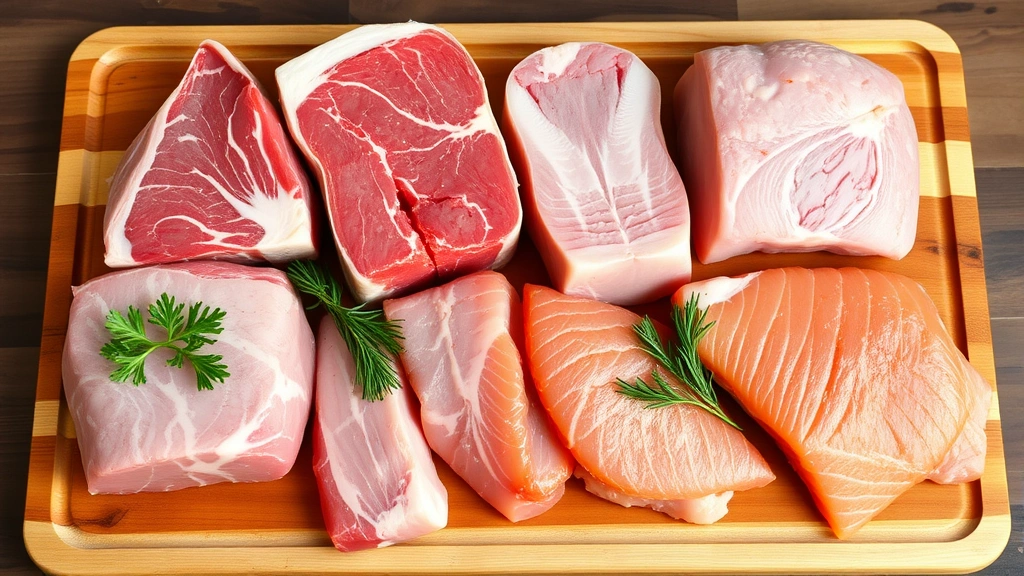
Selecting appropriate meat cuts determines both flavor profiles and nutritional composition of your meals. Understanding beef grades, pork variations, and poultry options empowers you to make informed purchasing decisions that align with your budget and nutritional goals.
Beef selections range from premium ribeyes and ny strips to economical chuck roasts and ground beef. Grass-fed beef contains higher levels of conjugated linoleic acid (CLA) and omega-3 fatty acids compared to grain-fed alternatives. For carnivore cooking, prioritize fattier cuts—ribeye, brisket, short ribs—which provide satiety and flavor without additional fats.
Pork offers versatility with cuts including pork belly, pork chops, tenderloin, and ground pork. Pork belly provides excellent fat-to-protein ratios and works beautifully in slow-cooked preparations. Heritage breed pork, when available, offers superior flavor and potentially better nutritional profiles than conventionally raised alternatives.
Poultry, particularly chicken thighs and duck, supplies lean protein with adequate fat content. While chicken breast is lower in fat, thighs provide more satisfying meals due to higher fat concentration. Duck and other game birds offer richer flavors and unique nutritional profiles worth exploring.
Beef Recipes for Every Occasion
Beef forms the foundation of most carnivore diet recipes due to its versatility, nutrient density, and flavor complexity. These preparations demonstrate how simple ingredients create restaurant-quality dishes.
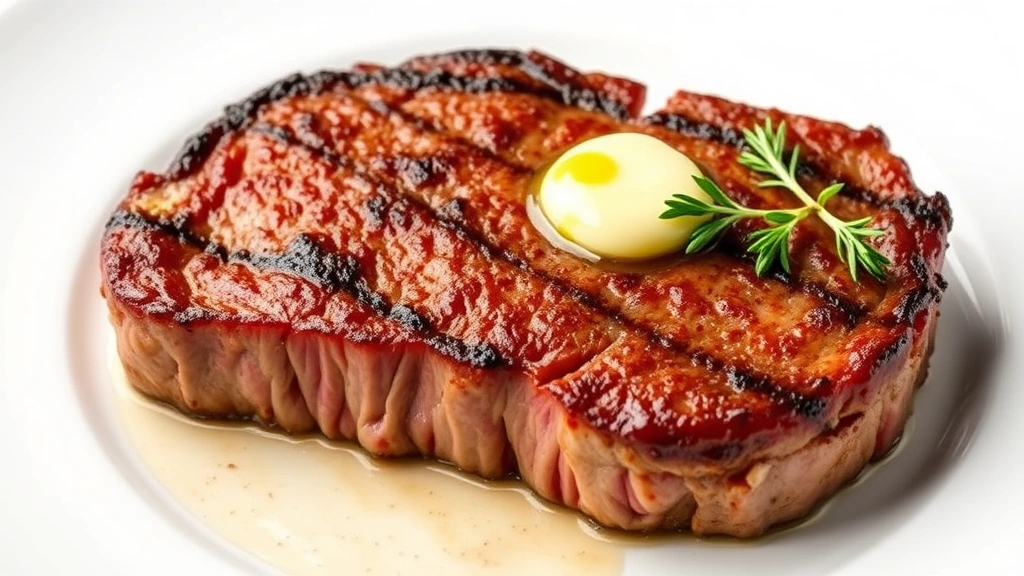
Pan-Seared Ribeye with Compound Butter: Pat a 1.5-inch ribeye dry with paper towels—moisture prevents proper browning. Season generously with sea salt and ground black pepper. Heat a cast-iron skillet over high heat until smoking. Sear the steak 4-5 minutes per side for medium-rare, basting with grass-fed butter in the final minute. Rest 5 minutes before serving. This technique develops a flavorful crust while maintaining a tender, juicy interior.
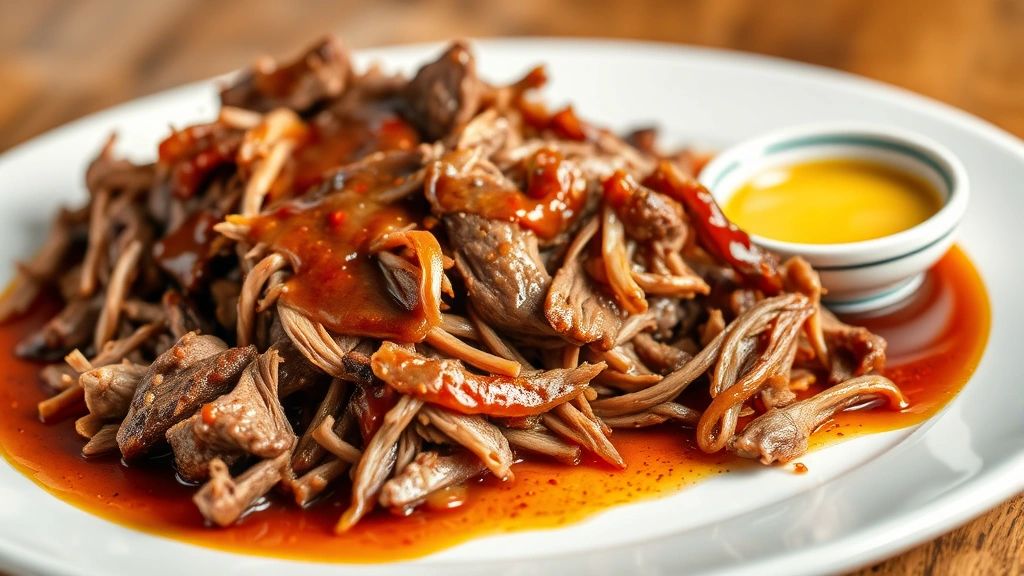
Slow-Cooked Beef Brisket: Season a 3-4 pound brisket with salt and pepper. Sear all sides in a hot Dutch oven for 2 minutes per side. Add beef bone broth (enough to reach halfway up the meat), cover, and cook at 275°F for 6-8 hours until fork-tender. The low, slow heat breaks down collagen into gelatin, creating incredibly tender results. Shred or slice and serve with the cooking liquid.
Ground Beef Patties with Egg Yolk: Combine 80/20 ground beef with sea salt and freshly cracked pepper. Form into patties and create a small indent in the center. Pan-fry until nearly cooked through, then crack a raw egg yolk into the indent. Cover and cook until the yolk reaches your preferred consistency. This preparation adds richness and creates a luxurious sauce.
Beef Liver with Bacon: Slice beef liver into 1/4-inch pieces. Cook bacon until crispy, set aside, then sauté liver in bacon fat for 2-3 minutes per side—overcooking toughens liver. Serve topped with bacon and a knob of butter. Liver provides exceptional micronutrient density, making this a nutritionally dense option despite the small portion size typically needed.
Pork, Lamb, and Poultry Preparations
Expanding beyond beef introduces new flavors and nutritional profiles to your carnivore rotation. These proteins offer distinct characteristics that keep meals interesting and palates engaged.
Pork Belly Burnt Ends: Cut pork belly into 2-inch cubes and arrange on a baking sheet. Season with salt and pepper, then roast at 325°F for 2 hours. Increase heat to 400°F and roast another 30-45 minutes until the exterior caramelizes. The low initial temperature renders fat thoroughly; the high-heat finish creates crispy, flavorful exteriors. Serve as-is or with a simple pan sauce made from drippings.
Lamb Chops with Herb Infusion: Season lamb chops with salt, pepper, and dried rosemary. Sear in a hot skillet 3-4 minutes per side for medium-rare. Finish with a knob of grass-fed butter and fresh thyme. Lamb’s distinctive flavor pairs beautifully with these aromatic compounds, and the meat’s fat content ensures juiciness and satiety.
Chicken Thigh Sheet Pan: Arrange chicken thighs skin-side up on a baking sheet. Season with salt and pepper, then roast at 425°F for 25-30 minutes until skin crisps and internal temperature reaches 165°F. The skin provides satisfying texture and fat, making thighs more appropriate for carnivore eating than breast meat. Serve with pan drippings.
Duck Breast with Rendered Fat: Score duck skin in a crosshatch pattern. Place skin-side down in a cold skillet and heat gradually, allowing fat to render over 8-10 minutes. Once skin crisps, flip and cook flesh side 3-4 minutes for medium-rare. The rendered fat becomes a prized cooking medium for future meals, adding distinct flavor to other preparations.
Fish and Seafood Selections
Fish and seafood provide essential fatty acids, selenium, and unique micronutrients supporting cardiovascular and neurological health. These proteins deserve regular rotation within carnivore meal planning.
Salmon Fillet with Skin Crisping: Pat salmon skin dry and season flesh and skin with salt and pepper. Place skin-side down in a cold skillet over medium heat. As the pan warms, fat renders and skin crisps—approximately 8 minutes. Flip briefly to finish flesh side, cooking just 1-2 minutes to maintain moisture. The skin provides satisfying texture and contains collagen supporting joint health.
Whole Roasted Branzino: Clean whole branzino and season inside and out with sea salt and pepper. Roast at 400°F for 12-15 minutes until flesh flakes easily. Serve whole, allowing diners to flake meat from bones. Eating whole fish, including the head and bones (which provide minerals and collagen), maximizes nutritional benefit. Discard only the digestive tract.
Scallops Pan-Seared: Pat scallops thoroughly dry—excess moisture prevents browning. Season with salt and pepper. Sear in a hot skillet with clarified butter or tallow for 2-3 minutes per side until opaque throughout. Scallops cook quickly and become rubbery if overdone, so timing is crucial. Their sweet, delicate flavor requires minimal additional seasoning.
Shrimp with Ghee and Salt: Devein shrimp and leave tails attached for presentation. Sauté in hot ghee (clarified butter) for 2-3 minutes until they turn pink and curl. Season with sea salt and cracked pepper. The quick cooking preserves tender texture while ghee adds richness. Serve immediately while still warm.
Organ Meats and Nutrient Density
Organ meats represent the most nutrient-dense foods available, concentrating vitamins and minerals in small portions. While unfamiliar to modern palates, these preparations demonstrate how to incorporate offal into regular meals.
Beef Liver Pâté: Pan-fry sliced beef liver until just cooked through, then blend with softened grass-fed butter, salt, and pepper until smooth. Chill until firm. This preparation masks liver’s strong flavor while delivering exceptional nutrition. Serve at room temperature as a spread or in small portions as a nutrient-dense appetizer. A small serving provides an entire day’s worth of certain micronutrients.
Beef Kidney with Mustard: Slice beef kidney and remove the white core. Sauté in butter until just cooked through, approximately 3-4 minutes per side. Season with salt, pepper, and a touch of Dijon mustard if your version allows condiments. Kidneys contain CoQ10 and selenium, supporting heart health. Their mild flavor improves significantly with proper cooking technique.
Chicken Liver Scramble: Chop chicken livers into small pieces. Sauté in butter until no pink remains inside, then scramble in beaten eggs. The livers add richness and nutrition while the eggs provide binding. This preparation works well for breakfast or any meal, offering complete amino acid profiles and micronutrient density.
Beef Heart Steak: Slice beef heart into 1-inch thick steaks. Sear in a hot skillet 2-3 minutes per side for medium-rare—overcooking toughens this lean muscle. Beef heart contains CoQ10, carnitine, and taurine, supporting cardiovascular function. Its flavor resembles premium beef steak, making it an accessible entry point to organ meat consumption.
Cooking Techniques and Temperature Control
Mastering cooking techniques ensures consistent, delicious results across all carnivore diet recipes. Understanding how heat affects different proteins optimizes flavor development and texture.
Searing and Maillard Reaction: High-heat searing creates the Maillard reaction—a chemical transformation producing complex flavors and appealing browning. Pat proteins dry, season generously, and use high heat with fat. Don’t move proteins constantly; allow contact with the pan to develop crust. This technique works for steaks, chops, and ground meat preparations.
Low and Slow Cooking: Tougher cuts with significant connective tissue benefit from low-temperature, extended cooking. Braising in bone broth or slow-roasting breaks down collagen into gelatin, creating tender results impossible through high-heat cooking. Brisket, chuck roast, and short ribs transform through this method.
Temperature Monitoring: Use an instant-read thermometer for consistency. Beef reaches medium-rare at 130-135°F, medium at 135-145°F. Pork reaches food safety at 145°F but develops better texture at 160°F. Poultry requires 165°F for food safety. Allowing meat to rest post-cooking redistributes juices, improving moisture retention.
Fat Rendering: Properly rendered fats become prized cooking mediums. Render pork fat, beef tallow, and duck fat slowly over low heat, straining solids. These fats develop unique flavors and smoke points suitable for various cooking applications. Rendered fats store indefinitely when kept cool and dry.
Meal Planning and Preparation Strategies
Successful carnivore eating requires strategic planning that ensures variety, maintains interest, and supports adherence to the dietary approach. These strategies simplify daily cooking while maintaining nutritional optimization.
Weekly Protein Rotation: Plan meals rotating through beef, pork, poultry, fish, and organ meats. This ensures micronutrient variety and prevents flavor fatigue. A sample week might include ribeye steaks, pork belly, chicken thighs, salmon, and beef liver—each providing distinct nutritional profiles and taste experiences.
Batch Cooking and Storage: Prepare large quantities of ground beef, roasted chicken, or braised brisket for multiple meals. Cooked meat stores safely refrigerated for 3-4 days, allowing quick meal assembly throughout the week. Ground beef particularly benefits from batch cooking, as it reheats well and works in various preparations.
Bone Broth Preparation: Simmer beef or chicken bones with water for 12-24 hours to extract minerals, collagen, and gelatin. This nutrient-dense liquid enhances braising recipes, provides standalone nutrition, and supports gut health. Freeze broth in ice cube trays for convenient portioning. According to The Bone Trade, quality bone broth production requires proper sourcing and extended simmering.
Rendered Fat Storage: Maintain a selection of rendered fats—beef tallow, pork lard, duck fat, and ghee—for different cooking applications. Each imparts distinct flavors and possesses different smoke points. Organized fat storage ensures you always have appropriate cooking mediums available, reducing reliance on store-bought options.
Seasoning Simplicity: While many carnivore practitioners use only salt and pepper, others incorporate dried herbs, spices, and specific condiments. Develop a personal seasoning strategy that maintains dietary adherence while providing flavor complexity. Simple combinations like rosemary with lamb or thyme with chicken work beautifully without compromising dietary principles.
When considering food preservation, you might explore complementary techniques. While carnivore eating focuses on fresh proteins, understanding preservation methods like how to make homemade pickles could help preserve any bone broth or rendered fats in jars. Additionally, learning food waste reduction tips ensures you maximize every part of the animal, from organ meats to bones for broth.
Shopping Strategy: Establish relationships with quality butchers, farmers markets, and online suppliers providing grass-fed beef, pasture-raised pork, and wild-caught fish. Quality protein sources justify premium pricing through superior nutrition and flavor. Many local farmers offer bulk purchasing options, reducing per-unit costs while supporting sustainable agriculture.
FAQ
Are carnivore diet recipes nutritionally complete?
When properly planned with protein variety and organ meat inclusion, carnivore diets provide complete nutrition. Animal products contain all essential amino acids, vitamins, and minerals necessary for health. However, consulting a nutritionist experienced with carnivore eating helps ensure your specific meal plan meets individual micronutrient requirements, particularly for vitamin C and certain minerals.
How do I know if carnivore eating suits my health?
Individual responses to carnivore diets vary significantly. Some people experience dramatic health improvements, while others find it unsustainable. Work with a healthcare provider familiar with alternative diets to monitor your health markers—blood work, energy levels, digestion, and overall wellbeing. A trial period of 4-12 weeks helps determine if this approach aligns with your body’s needs.
Can I eat processed meat on a carnivore diet?
While technically animal products, processed meats contain additives, preservatives, and often lower-quality ingredients than whole cuts. Most nutritionists recommend prioritizing whole, unprocessed proteins. If including processed options, select high-quality varieties with minimal additives, recognizing they represent less optimal nutrition than fresh alternatives.
What about cholesterol concerns with carnivore eating?
Dietary cholesterol research increasingly demonstrates that food cholesterol minimally impacts blood cholesterol in most people. Harvard School of Public Health’s Nutrition Source provides evidence-based information on cholesterol and dietary fat. Individual responses vary, making blood work monitoring essential. Many carnivore practitioners show improved cholesterol markers despite high saturated fat intake.
How do I season carnivore meals without plant-based ingredients?
Salt and pepper provide satisfying flavor foundations. Sea salt, Himalayan salt, and mineral-rich salts offer trace minerals. Freshly ground black pepper adds complexity. Beyond these basics, some practitioners use spices like garlic powder, onion powder (though technically plant-derived), or dried herbs. Your personal interpretation of strict carnivore eating determines acceptable seasonings—clarify your approach with your healthcare provider.
Are there budget-friendly carnivore diet recipes?
Absolutely. Ground beef, chicken thighs, pork shoulder, and organ meats cost significantly less than premium steaks. Buying in bulk, shopping sales, and establishing relationships with butchers who offer discounts on offal reduces costs substantially. Eggs provide affordable, nutrient-dense protein. Prioritizing budget cuts while occasionally including premium options creates sustainable, economical eating.
How do I transition into a carnivore diet safely?
Rather than eliminating all plant foods immediately, many practitioners gradually reduce plant foods over 2-4 weeks while increasing animal product variety. This approach allows your digestive system to adapt and helps identify any food sensitivities. Monitor your body’s responses—energy levels, digestion, cravings—and adjust pace accordingly. Working with a nutritionist experienced in carnivore transitions ensures safety and success.


