Delicious Chayote Recipes: Chef-Approved Dishes You’ll Love
Chayote, also known as christophine or mirliton, is a versatile vegetable that deserves a prominent place in your kitchen. With its mild, slightly sweet flavor and tender flesh, chayote adapts beautifully to both savory and subtle preparations. Whether you’re a home cook exploring new ingredients or a seasoned chef looking to expand your vegetable repertoire, chayote offers incredible culinary possibilities that go far beyond simple side dishes.
This tropical squash has been cultivated for centuries in Central America and is now enjoyed worldwide. Its pale green color, pear-like shape, and delicate texture make it an appealing ingredient that cooks quickly and pairs well with numerous flavors. From Asian stir-fries to Latin American comfort food, chayote recipes showcase the ingredient’s remarkable flexibility. In this comprehensive guide, we’ll explore chef-approved techniques and recipes that will help you master cooking with chayote.
Selecting and Preparing Chayote
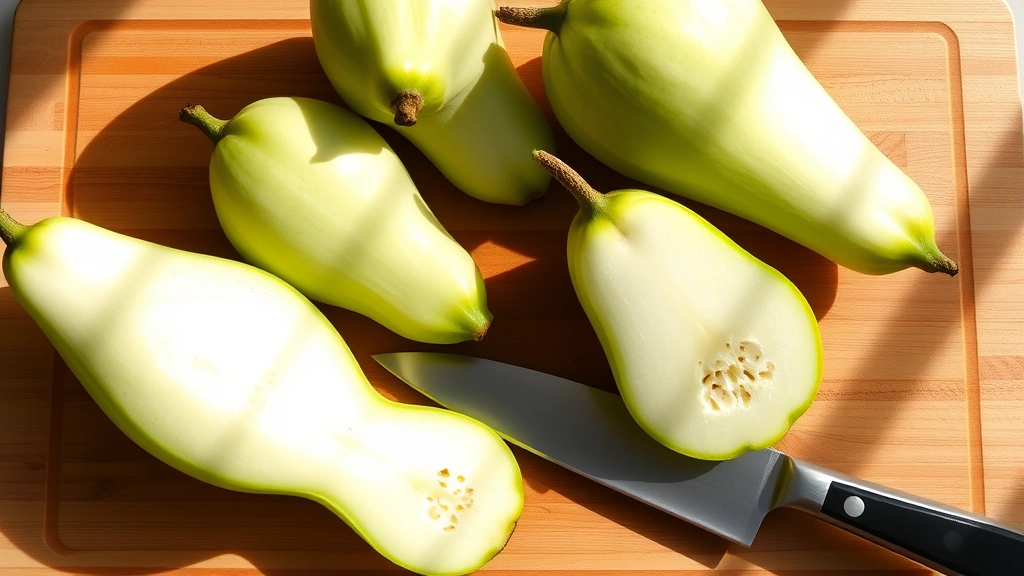
Before diving into quick and easy pasta recipes featuring chayote or any other preparation, understanding proper selection and preparation is essential. When shopping for chayote, look for firm specimens with smooth skin and no soft spots or blemishes. The vegetable should feel heavy for its size, indicating good moisture content. Avoid any that feel mushy or show signs of sprouting, as these indicate age and declining quality.
Preparation is straightforward and requires minimal effort. Rinse the chayote under cool running water and pat dry. Unlike some squashes, chayote skin is tender and edible when cooked, though some chefs prefer to peel it beforehand. If peeling raw chayote, you may notice a slightly sticky substance on your hands—this is normal and harmless. Use a vegetable peeler or sharp knife to remove the thin outer layer. To prevent the vegetable from rolling, cut it lengthwise first, then work with flat surfaces.
The central pit is edible and tender when cooked, though some recipes call for its removal. If removing the pit, use a small spoon or melon baller after cooking the chayote. Slice or cube the flesh depending on your recipe requirements. Raw chayote has a crisp, slightly sweet flavor that becomes creamier and more delicate when cooked. For even cooking, try to cut pieces to uniform thickness—this ensures consistent results across your entire dish.
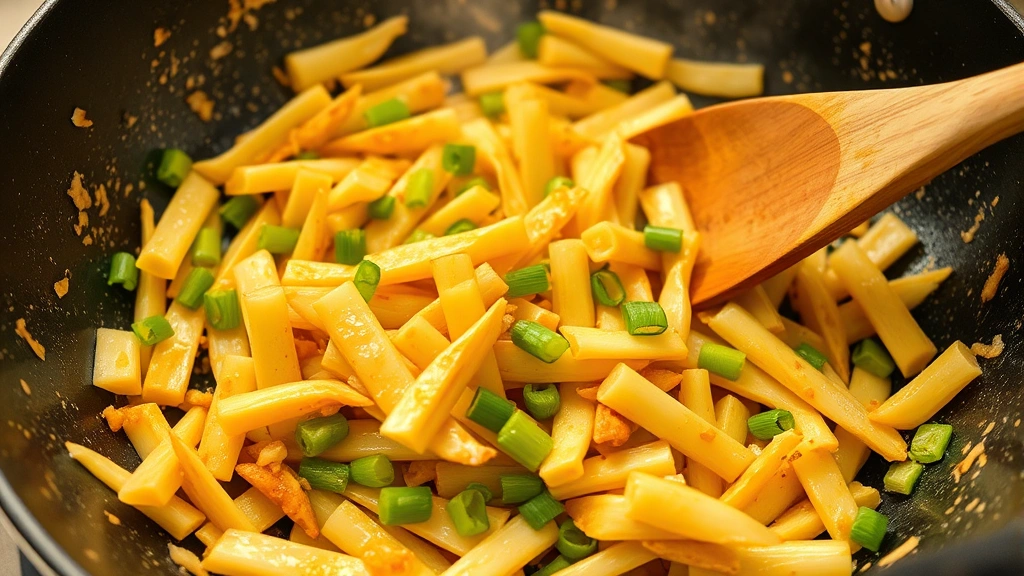
Chayote Stir-Fry with Garlic and Ginger
A classic preparation that highlights chayote’s delicate nature, this garlic and ginger stir-fry is ready in under twenty minutes. This recipe serves four as a side dish or pairs beautifully alongside rice or noodles. The technique demonstrates how high heat and quick cooking preserve chayote’s tender texture while developing subtle flavors.
Ingredients:
- 3 medium chayotes, peeled and sliced into thin matchsticks
- 3 tablespoons vegetable oil
- 4 cloves garlic, minced
- 1 tablespoon fresh ginger, grated
- 2 green onions, sliced
- 2 tablespoons soy sauce
- 1 tablespoon sesame oil
- 1 teaspoon white pepper
- Sesame seeds for garnish
Instructions:
- Prepare all ingredients before heating your wok or large skillet. This mise en place approach ensures smooth cooking without scrambling for ingredients mid-stir-fry.
- Heat vegetable oil over high heat until it shimmers. The wok or pan should be very hot before adding ingredients—this creates the characteristic stir-fry flavor and texture.
- Add minced garlic and grated ginger immediately. Stir constantly for 30 seconds until fragrant. Be careful not to burn the aromatics, as this creates bitter flavors.
- Add chayote matchsticks and toss continuously for 3-4 minutes. The vegetable should remain slightly crisp with some color beginning to develop on the edges.
- Pour in soy sauce and sesame oil. Toss to combine evenly. Add white pepper and stir well.
- Add green onions in the final 30 seconds of cooking. This preserves their fresh flavor and color.
- Transfer to a serving plate and garnish generously with sesame seeds.
The key to perfect stir-fry chayote is maintaining high heat and constant motion. This technique, fundamental to wok cooking across Asian recipes, prevents overcooking while developing complex flavors through the Maillard reaction. Serve immediately for best texture and temperature.
Creamy Chayote Pasta Dish
For a more indulgent preparation, creamy chayote pasta combines the vegetable with rich, comforting flavors. This dish demonstrates chayote’s ability to absorb and complement creamy sauces while adding nutritional value. If you enjoy chicken carbonara recipe preparations, this chayote-based pasta offers a lighter vegetable-forward alternative with similar richness.
Ingredients:
- 1 pound pasta (fettuccine or pappardelle works beautifully)
- 4 medium chayotes, peeled and cut into thin strips
- 4 cloves garlic, sliced
- 1 cup heavy cream
- ½ cup vegetable or chicken broth
- 3 tablespoons butter
- ½ cup grated Parmesan cheese
- 2 tablespoons fresh lemon juice
- Salt and white pepper to taste
- Fresh parsley and chives for garnish
- Red pepper flakes optional
Instructions:
- Cook pasta according to package directions until al dente. Reserve 1 cup of pasta water before draining. This starchy liquid helps emulsify the sauce and adjust consistency.
- In a large skillet, melt butter over medium heat. Add sliced garlic and cook for 1 minute until fragrant but not browned.
- Add chayote strips and sauté for 4-5 minutes, stirring occasionally. The vegetable should begin softening but retain some firmness.
- Pour in cream and broth. Bring to a gentle simmer and cook for 5-7 minutes until chayote becomes very tender and the sauce reduces slightly.
- Remove from heat and stir in Parmesan cheese until fully melted and incorporated. Add lemon juice for brightness.
- Season with salt and white pepper to taste. If sauce seems too thick, add reserved pasta water one tablespoon at a time.
- Add cooked pasta to the skillet and toss gently to combine. Ensure all pasta is coated with the creamy sauce.
- Divide among serving plates. Garnish with fresh parsley, chives, and red pepper flakes if desired.
This preparation exemplifies how homemade pasta sauce techniques elevate simple vegetables into restaurant-quality dishes. The combination of acid from lemon juice, richness from cream, and umami from Parmesan creates a balanced, memorable sauce.
Stuffed Chayote Boats
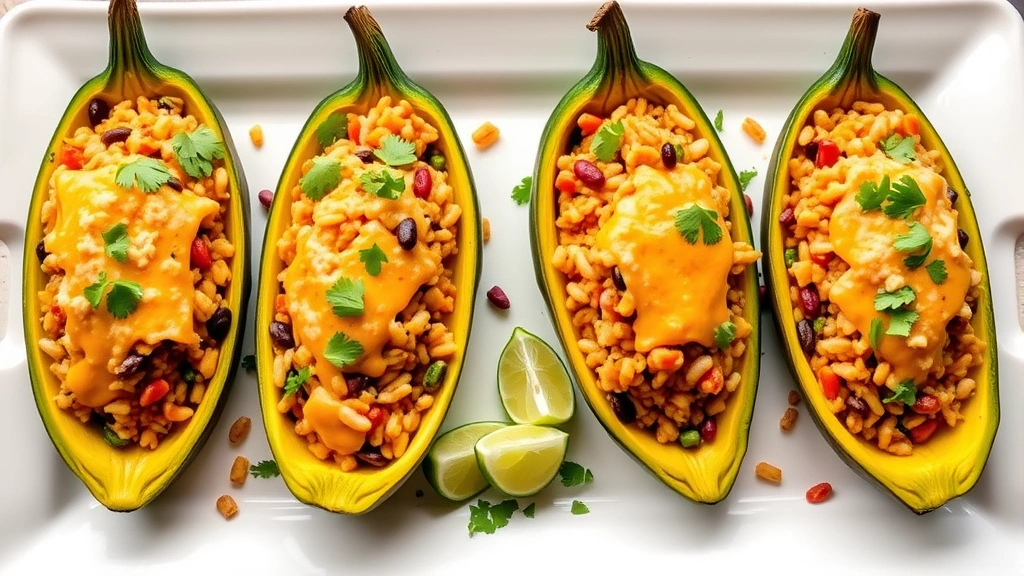
Stuffed chayote boats make an impressive presentation while showcasing the vegetable’s structural integrity. When halved lengthwise, chayote creates natural vessels perfect for holding flavorful fillings. This recipe serves four as a main course and demonstrates chayote’s versatility in composed dishes.
Ingredients for the boats:
- 4 medium chayotes, halved lengthwise
- 2 tablespoons olive oil
- Salt and pepper to taste
Ingredients for the filling:
- 2 cups cooked rice or quinoa
- 1 cup cooked black beans, drained
- 1 red bell pepper, finely diced
- 1 cup corn kernels (fresh or frozen)
- ½ cup diced onion
- 2 cloves garlic, minced
- 1 teaspoon cumin
- ½ teaspoon chili powder
- ¼ cup fresh cilantro, chopped
- Juice of one lime
- 1 cup shredded cheese (cheddar or Oaxaca)
Instructions:
- Preheat oven to 375°F. Line a baking sheet with parchment paper.
- Scoop out the center of each chayote half using a melon baller or small spoon, creating a boat-like cavity. Reserve the scooped flesh and chop finely—you’ll use this in the filling.
- Place chayote boats on the prepared baking sheet. Brush with olive oil and season with salt and pepper. Roast for 15 minutes until beginning to soften.
- While chayotes roast, prepare the filling. Heat olive oil in a large skillet over medium heat. Sauté diced onion and minced garlic until softened, about 3 minutes.
- Add the reserved chopped chayote flesh and diced bell pepper. Cook for 5 minutes, stirring occasionally.
- Stir in cooked rice or quinoa, black beans, corn, cumin, and chili powder. Cook for 3-4 minutes to warm through and combine flavors.
- Remove from heat and stir in fresh cilantro and lime juice. Season with salt and pepper to taste.
- Divide the filling evenly among the roasted chayote boats, mounding generously. Top each with shredded cheese.
- Return to oven and bake for 15-20 minutes until cheese is melted and golden and chayote is completely tender.
- Serve hot, garnished with additional cilantro and lime wedges.
This dish showcases chayote’s ability to hold up to extended cooking while maintaining structural integrity. The mild vegetable provides a perfect canvas for bold, complementary flavors, making it ideal for meal prep and entertaining.
Chayote in Asian Cuisine
Chayote holds a special place in Asian cooking traditions, particularly in Southeast Asian and Filipino cuisines. In these regions, chayote (called sayote in the Philippines) appears in everything from simple vegetable dishes to complex curries. Understanding these traditional preparations helps unlock the vegetable’s full potential.
In Thai cuisine, chayote frequently appears in curries, especially green and red varieties. The vegetable’s mild flavor allows it to absorb the complex spice profiles without overwhelming other ingredients. To prepare chayote for Thai curries, peel and cut into bite-sized pieces. Add during the final stages of cooking to preserve texture—typically 5-8 minutes before serving. The vegetable pairs particularly well with coconut milk, lemongrass, and Thai basil.
Filipino cooking uses chayote in a dish called pinakbet, a mixed vegetable stew combining chayote with bitter melon, eggplant, okra, and tomatoes. This traditional preparation represents comfort food in Filipino households and demonstrates how chayote works harmoniously with other vegetables in one-pot dishes. The cooking liquid becomes infused with the vegetable’s delicate flavor, creating a cohesive, satisfying dish.
Chinese stir-fry preparations treat chayote similarly to other tender squashes, cooking it quickly over high heat with minimal seasoning to preserve natural flavors. In Vietnamese cuisine, chayote appears in soups and braises, where its subtle sweetness balances savory broths and proteins.
Soups and Comfort Food
Chayote’s mild flavor and creamy texture when cooked make it ideal for soups and braises. These preparations transform the vegetable into warming, nourishing dishes perfect for any season. The vegetable contributes body and subtle sweetness without overwhelming delicate broths.
Chayote and Potato Soup combines two mild vegetables into a silky, comforting soup. Peel and cube 3 medium chayotes and 2 medium potatoes. Sauté diced onion and minced garlic in butter, then add the cubed vegetables along with 4 cups vegetable or chicken broth. Simmer for 20 minutes until vegetables are completely tender. Partially blend the soup using an immersion blender, leaving some texture. Stir in ½ cup heavy cream or coconut milk. Season with salt, white pepper, and fresh thyme. Serve hot with crusty bread.
This preparation demonstrates how chayote functions in best breakfast food recipes and light lunch options. The soup can be made ahead and reheated gently, making it perfect for meal planning. Chayote’s neutral flavor means it pairs with virtually any seasoning profile—try adding curry powder, smoked paprika, or herbs de Provence for variations.
Braised chayote dishes, common in Latin American cuisine, involve slow cooking the vegetable in tomato-based sauces. This technique fully tenderizes chayote while allowing it to absorb surrounding flavors. To braise chayote, peel and quarter the vegetable. Arrange in a baking dish with tomato sauce, garlic, onions, and herbs. Cover and braise in a 350°F oven for 45 minutes until completely tender. This preparation pairs beautifully with grilled meats or as a vegetarian main course served over rice.
Storage and Make-Ahead Tips
Proper storage extends chayote’s shelf life and ensures quality when you’re ready to cook. Fresh chayotes keep in the refrigerator’s crisper drawer for up to three weeks when stored in a plastic bag. The cool, humid environment of the crisper prevents moisture loss while maintaining the vegetable’s firmness. Do not wash chayotes before storage, as excess moisture promotes decay.
For longer storage, some cooks keep chayotes in a cool, dark pantry where they remain fresh for several weeks. This works particularly well if you have limited refrigerator space. Check occasionally for sprouting or soft spots, which indicate the vegetable is past its prime.
Cooked chayote dishes store well in airtight containers in the refrigerator for 3-4 days. Stir-fries, soups, and braised preparations reheat gently over low heat or in the microwave. Creamy pasta dishes may require a splash of broth or cream when reheating to restore sauce consistency. Stuffed chayote boats freeze beautifully before baking—simply wrap individually and freeze for up to two months. Bake from frozen, adding 10-15 minutes to the cooking time.
For make-ahead cooking, prepare chayote components in advance. Peel and cut chayotes up to two days ahead, storing in airtight containers in the refrigerator. Prepare fillings and sauces the day before, then assemble and cook when ready to serve. This approach works particularly well for entertaining, allowing you to focus on final cooking and presentation rather than extensive prep work.
FAQ
What does chayote taste like?
Chayote has a mild, slightly sweet flavor often compared to zucchini or cucumber. When raw, it’s crisp with a delicate taste. Cooking brings out subtle sweetness and creates a tender, creamy texture. The flavor is neutral enough to pair with virtually any seasoning profile, making it incredibly versatile.
Can you eat chayote skin?
Yes, chayote skin is completely edible and tender when cooked. Many recipes leave the skin intact, especially in stir-fries and braises. If you prefer peeling, use a vegetable peeler to remove the thin outer layer. Raw chayote skin is also edible but can be slightly tough, so many people prefer removing it before eating raw preparations.
Is chayote nutritious?
Absolutely. Chayote is low in calories (about 19 calories per 100 grams) and rich in fiber, supporting digestive health. It contains vitamin C for immune function, B vitamins for energy metabolism, and various minerals including copper and manganese. The vegetable is also hydrating, containing over 90 percent water, making it an excellent choice for health-conscious cooking.
How do you know when chayote is ripe?
Unlike many fruits, chayote doesn’t ripen after picking. Choose firm specimens at the market, as they remain in the same state throughout storage. If you encounter a sprouting chayote—with a small shoot emerging from the pit—it’s still perfectly edible and may be slightly sweeter than non-sprouting varieties.
Can you substitute chayote for other vegetables in recipes?
Yes, chayote substitutes well for zucchini, summer squash, or cucumber in most recipes. Use it in ratios appropriate for the dish—in stir-fries and sautés, substitute equally; in soups and braises, chayote works beautifully alongside or instead of other tender vegetables. The mild flavor means it won’t overpower delicate dishes.
What’s the best way to cook chayote quickly?
Stir-frying and sautéing are the fastest methods, requiring only 4-5 minutes of cooking. Cut chayote into thin strips or small pieces to maximize surface area and speed cooking. For faster results in soups, cube the vegetable into small, uniform pieces. Steaming is another quick option—steam whole or halved chayotes for 12-15 minutes.


