
How to Make Chewy Brownies: Baker Approved!
There’s nothing quite like biting into a brownie with the perfect texture—fudgy on the inside, slightly crispy on the edges, and undeniably chewy throughout. If you’ve ever wondered why some brownies turn out cake-like and disappointing while others achieve that coveted chewy perfection, you’re about to discover the baker-approved secrets that make all the difference.
The key to achieving chewy brownies lies in understanding the science behind brownie chemistry. It’s not just about following a recipe; it’s about knowing which ingredients to emphasize, how long to bake, and what techniques professional bakers use to create that signature texture. Whether you’re a seasoned home baker or just starting your dessert journey, this comprehensive guide will walk you through every step to guarantee chewy brownie success.
In this article, we’ll explore the fundamental ingredients that contribute to chewiness, the precise baking techniques that professional bakers swear by, and troubleshooting tips for common brownie mishaps. By the end, you’ll understand exactly how to make chewy brownies that rival those from your favorite bakery.
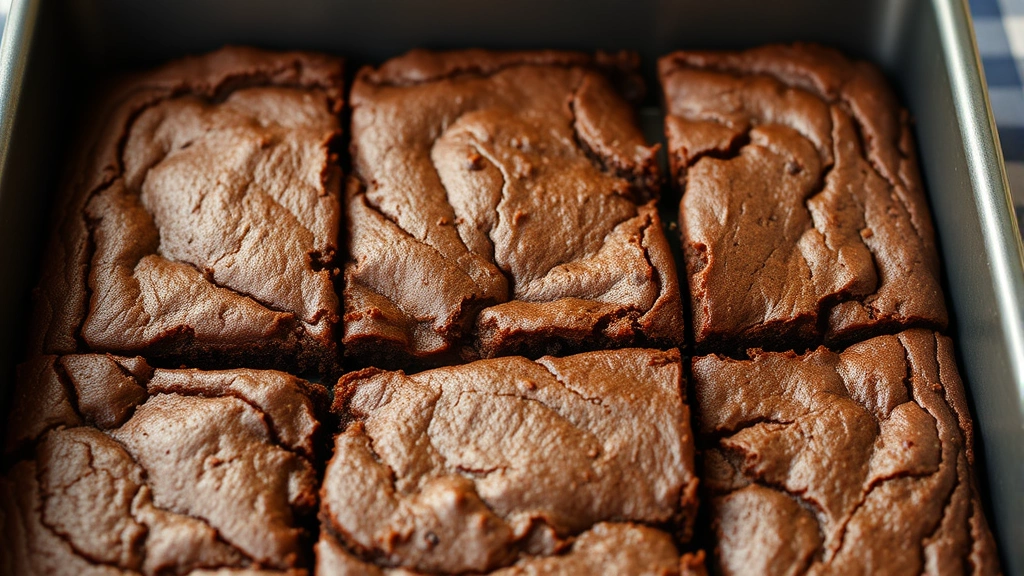
Why Ingredients Matter for Chewy Brownies
The texture of a brownie is determined by the ratio of fat to flour, the type of sweetener used, and how much the batter is developed. Unlike cakes that rely on air incorporation for a light crumb, chewy brownies require a denser structure that maintains moisture. This is why ingredient selection is absolutely critical to your success.
Professional bakers understand that butter content is crucial for achieving that luxurious chewiness. The fat coats flour particles, preventing gluten from developing too much, which would make your brownies tough and cake-like. Additionally, the choice between using melted chocolate versus cocoa powder significantly impacts the final texture and flavor intensity.
Brown sugar deserves special attention when making chewy brownies. Unlike white sugar, brown sugar contains molasses, which adds moisture and creates a naturally chewier texture. This single ingredient swap can transform your brownies from mediocre to magnificent. For extra chewiness, some bakers use a combination of brown and white sugar, while others go entirely with brown sugar for maximum moisture.
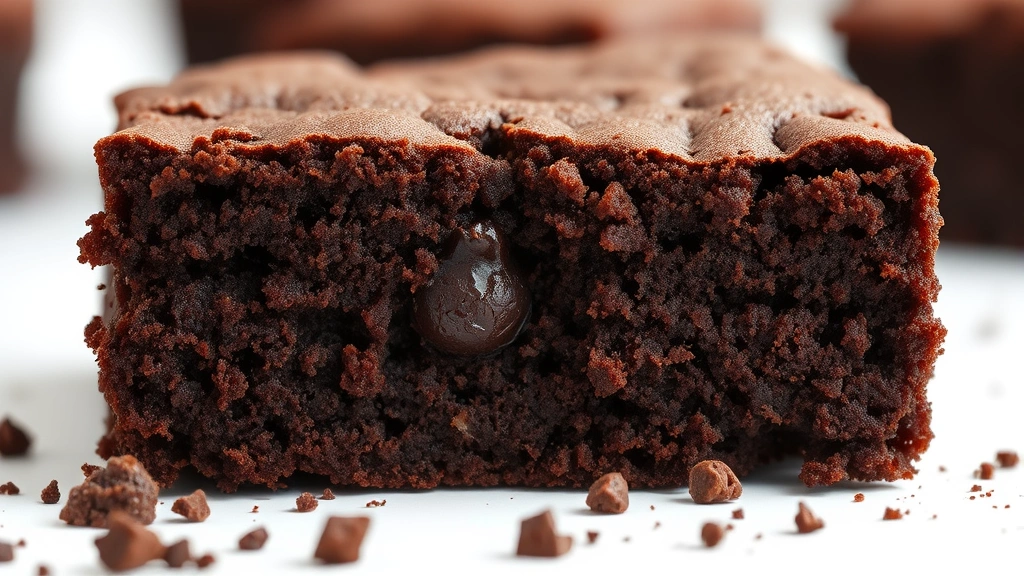
Essential Ingredients and Their Roles
Chocolate: Use high-quality dark chocolate (60-70% cacao) for the deepest flavor. Melting chocolate directly into the butter creates a silky, cohesive batter that contributes to chewiness. The cocoa solids in chocolate also add richness without drying out the brownies.
Butter: This is non-negotiable for chewy brownies. Butter provides fat that keeps the brownies moist and prevents them from becoming cakey. Use unsalted butter so you can control the salt content precisely. The melting point of butter also helps create those slightly crispy edges while keeping the interior tender.
Brown Sugar: The molasses in brown sugar contributes moisture and chewiness. Use packed brown sugar to ensure you’re getting the maximum molasses content. Some recipes use equal parts brown and white sugar, but for maximum chewiness, lean toward more brown sugar in your recipe.
Eggs: Eggs provide structure and moisture. Large eggs are standard, and they should be at room temperature for proper emulsification with the fat. Eggs also help bind all ingredients together, creating that dense, chewy crumb.
Vanilla Extract: Pure vanilla extract enhances chocolate flavor and adds complexity. Don’t skip this ingredient or substitute with imitation vanilla, as it significantly impacts the final taste.
Flour: All-purpose flour is ideal for chewy brownies. The protein content (about 10-12%) provides just enough structure without making brownies tough. Avoid over-mixing the batter once flour is added, as this develops gluten and creates a cake-like texture.
Salt and Baking Powder: A pinch of salt enhances chocolate flavor, while a small amount of baking powder helps brownies rise slightly, creating that coveted fudgy-yet-structured interior. Some bakers skip baking powder entirely for denser brownies.
The Perfect Chewy Brownie Recipe
Ingredients:
- 8 ounces dark chocolate (chopped)
- 1 cup (2 sticks) unsalted butter
- 1 cup packed brown sugar
- 3/4 cup white sugar
- 3 large eggs
- 2 teaspoons vanilla extract
- 3/4 cup all-purpose flour
- 1/4 cup unsweetened cocoa powder
- 1/2 teaspoon salt
- 1/4 teaspoon baking powder
This recipe yields approximately 16 brownies and serves as the foundation for countless delicious variations. The ratio of fat to flour is deliberately high, creating that signature chewy texture that brownie enthusiasts crave.
Step-by-Step Instructions
Preparation: Preheat your oven to 350°F (175°C). Line an 8×8-inch or 9×9-inch baking pan with parchment paper, allowing some overhang for easy removal. If you prefer a thinner, chewier brownie, use a 9×13-inch pan. Greasing the parchment paper lightly helps it stay in place.
Step 1 – Melt Chocolate and Butter: Combine chopped dark chocolate and butter in a microwave-safe bowl. Microwave in 30-second intervals, stirring between each interval, until completely melted and smooth. Alternatively, use a double boiler for more precise temperature control. The mixture should be warm but not scorching hot, as excessive heat can damage the chocolate’s flavor.
Step 2 – Combine Sugars and Eggs: In a separate bowl, whisk together packed brown sugar and white sugar. Add eggs one at a time, whisking thoroughly after each addition. This step is crucial for incorporating air and creating the right texture. Continue whisking until the mixture becomes slightly lighter in color and slightly fluffy, about 2-3 minutes. Add vanilla extract and mix well.
Step 3 – Combine Wet and Dry Ingredients: Pour the melted chocolate mixture into the egg mixture, stirring gently until fully combined. The batter should be smooth and glossy. In a separate small bowl, whisk together flour, cocoa powder, salt, and baking powder. This prevents lumps and ensures even distribution of leavening agents.
Step 4 – Final Mixing: Gently fold the dry ingredients into the wet ingredients using a spatula. Mix until just combined—do not overmix. Overmixing develops gluten, which creates a cake-like texture rather than the chewy texture you’re aiming for. The batter should be thick and glossy with no visible flour streaks.
Step 5 – Bake: Pour the batter into your prepared pan, spreading it evenly. Tap the pan gently on the counter a few times to release air bubbles. Bake for 25-30 minutes for an 8×8-inch pan, or 20-25 minutes for a 9×13-inch pan. The brownies are done when a toothpick inserted in the center comes out with just a few moist crumbs—not completely clean.
Step 6 – Cool: Remove brownies from the oven and let them cool in the pan for at least 30 minutes. This cooling period is essential; cutting too early will result in crumbly brownies. For maximum chewiness, allow them to cool completely at room temperature, then refrigerate for at least 2 hours before cutting.
The Baking Science Behind Chewiness
Understanding the chemistry of chewy brownies helps you troubleshoot problems and create consistent results. King Arthur Baking Company’s scientific approach to brownie chemistry reveals that brownie texture depends on moisture retention and gluten development.
When you melt chocolate and butter together, you’re creating an emulsion that distributes fat evenly throughout the batter. This fat coats flour particles, preventing water from being absorbed and gluten from developing excessively. The result is a tender, chewy crumb rather than a tough, bread-like structure.
Brown sugar contains molasses, which is hygroscopic—meaning it absorbs and retains moisture from the air. This is why bakers who understand ingredient chemistry always reach for brown sugar when chewiness is the goal. The molasses also adds subtle caramel notes that enhance chocolate flavor.
The baking temperature and time are critical for achieving the perfect chewiness. Baking at 350°F creates a gentler heat environment than higher temperatures, allowing the center to cook through while the edges remain slightly underbaked. This is why overbaking is the number one cause of cake-like brownies. When you see that toothpick with moist crumbs, trust it—your brownies will continue cooking slightly as they cool.
Eggs provide structure through protein coagulation, but they also add moisture. Using room-temperature eggs ensures proper emulsification with the fat, creating a more uniform, chewy crumb. Cold eggs won’t incorporate as smoothly and can result in a less cohesive texture.
Troubleshooting Common Issues
Brownies Are Too Cakey: This is usually caused by overmixing the batter or overbaking. When you add flour, mix gently and only until combined. Also, reduce baking time by 2-3 minutes—remember, a slightly underbaked brownie will firm up as it cools. You can also increase the ratio of fat to flour in your next batch by adding an extra tablespoon of butter.
Brownies Are Too Dense or Fudgy: While fudgy is good, overly dense brownies often result from too much cocoa powder or not enough leavening. Try adding an additional 1/4 teaspoon of baking powder, or reduce cocoa powder slightly. Also ensure you’re not packing flour when measuring—spoon flour into measuring cups and level with a knife.
Brownies Are Dry or Crumbly: Overbaking is the culprit here. Your oven temperature might be running hot—consider using an oven thermometer to verify accuracy. Additionally, ensure you’re not using too much flour. Each time you make the recipe, try reducing baking time by 1-2 minutes and checking earlier with a toothpick.
Brownies Sink in the Middle: This usually means your oven temperature is too high or the batter wasn’t mixed properly. High heat causes the edges to set while the center remains liquid, creating that sunken appearance. Use an oven thermometer and bake at a consistent 350°F. Also, ensure your eggs are properly incorporated by whisking them thoroughly with sugar.
Brownies Spread Too Much: If your batter seems too thin, you may have added too much oil or melted the chocolate at too high a temperature, causing separation. Ensure your chocolate and butter mixture is not scorching hot when combined with eggs. Also, chill the batter for 15-20 minutes before baking if it seems overly thin.
Delicious Variations to Try
Walnut or Pecan Brownies: Add 1 cup of chopped nuts to the batter before baking. Toast nuts first for enhanced flavor. Nuts add textural contrast while maintaining the chewy center.
Espresso-Enhanced Brownies: Add 2 tablespoons of instant espresso powder dissolved in 1 tablespoon of hot water to the melted chocolate. This deepens chocolate flavor without adding additional sweetness.
Mint Chocolate Brownies: Add 1/2 teaspoon of peppermint extract to the batter. For extra flair, drizzle melted white chocolate mixed with peppermint over cooled brownies.
Salted Caramel Brownies: After pouring batter into the pan, drizzle dulce de leche or homemade caramel sauce over the top, then swirl with a knife. The caramel adds moisture and complexity.
Vegan Chewy Brownies: Our vegan dessert recipes include excellent plant-based brownie options. Substitute eggs with flax eggs (1 tablespoon ground flaxseed mixed with 3 tablespoons water per egg) and use vegan butter for equally chewy results.
Double Chocolate Brownies: Use both melted chocolate and cocoa powder for intense chocolate flavor. Add an extra ounce of dark chocolate to the melted mixture for maximum richness.
Proper Storage and Shelf Life
Proper storage is essential for maintaining brownie chewiness. Store cooled brownies in an airtight container at room temperature for up to 5 days. The container helps retain moisture, keeping brownies chewy rather than allowing them to dry out. For best results, store brownies in a single layer with parchment paper between layers to prevent sticking.
For longer storage, refrigerate brownies in an airtight container for up to 2 weeks. Cold temperatures actually help maintain chewiness by slowing moisture evaporation. Brownies can also be frozen for up to 3 months—wrap them individually in plastic wrap, then place in a freezer-safe container. Thaw at room temperature for about 2 hours before serving.
Some bakers place a slice of bread in the container with brownies to help maintain moisture. As the bread dries out, it releases moisture that keeps brownies chewy. Replace the bread slice every 2-3 days for optimal results.
Frequently Asked Questions
What’s the difference between chewy and fudgy brownies?
Chewy brownies have a texture similar to a chewy cookie—they bend slightly when you bite them but still have structure. Fudgy brownies are denser and more cake-like in their crumb structure, with a texture closer to fudge. Chewy brownies use slightly more flour and leavening than fudgy brownies, giving them more structure while maintaining moisture.
Can I make chewy brownies without eggs?
Yes, though eggs provide important structure. Substitute each egg with one flax egg (1 tablespoon ground flaxseed mixed with 3 tablespoons water, allowed to sit for 5 minutes). Alternatively, use applesauce or mashed banana, though these will slightly alter the flavor. The texture may be slightly less chewy but still quite good.
Why are my brownies not chewy after cooling?
Undercooking the brownies during the baking process can paradoxically result in less chewiness after cooling, as the structure hasn’t set properly. Ensure you bake until a toothpick inserted in the center comes out with moist crumbs, not completely raw batter. Also, store brownies in an airtight container immediately after cooling to prevent moisture loss.
Can I use cocoa powder instead of melted chocolate?
While you can make brownies with only cocoa powder, the texture will be less chewy and the flavor less rich. Melted chocolate adds fat and creates a silkier crumb. If you must use only cocoa powder, increase the butter by 2 tablespoons and reduce flour by 2 tablespoons to maintain proper fat-to-flour ratio.
What’s the best pan size for chewy brownies?
An 8×8-inch pan creates thicker, chewier brownies, while a 9×13-inch pan creates thinner brownies. Both can be chewy—it depends on your preference. Thicker brownies require an additional 5-10 minutes of baking time. Use an oven thermometer to ensure accurate temperature regardless of pan size.
How do I know when brownies are done baking?
The toothpick test is your best guide. Insert a toothpick in the center of the brownies—it should come out with a few moist crumbs clinging to it, not completely clean and not with raw batter. Brownies continue cooking as they cool, so slightly underbaking is better than overbaking for achieving chewiness.
Can I double this chewy brownie recipe?
Yes, doubling the recipe works well. Use a 9×13-inch pan and increase baking time by 5-10 minutes. Monitor carefully with the toothpick test, as thicker batches may take slightly longer. Ensure all ingredients are properly incorporated by mixing in batches if your mixing bowl isn’t large enough.
What’s the best chocolate to use for chewy brownies?
High-quality dark chocolate (60-70% cacao) provides the best flavor and texture. Look for chocolate with cocoa butter rather than vegetable oil. Quality chocolate brands like Ghirardelli or Lindt produce excellent results. Avoid chocolate chips, which contain stabilizers that can affect brownie texture—use chopped chocolate bars instead.
Are there any ingredients that specifically enhance chewiness?
Brown sugar is the primary ingredient that enhances chewiness due to its molasses content. Additionally, using full-fat butter, quality chocolate, and room-temperature eggs all contribute to optimal chewiness. Some bakers add a teaspoon of honey or corn syrup to boost moisture retention, though this is optional.
Can I make chewy brownies without a mixer?
Absolutely. All mixing can be done by hand with a whisk and spatula. Whisk eggs and sugar thoroughly by hand for 2-3 minutes to incorporate air, then gently fold in remaining ingredients. Hand-mixing actually reduces the risk of overmixing, which can create a cake-like texture.


