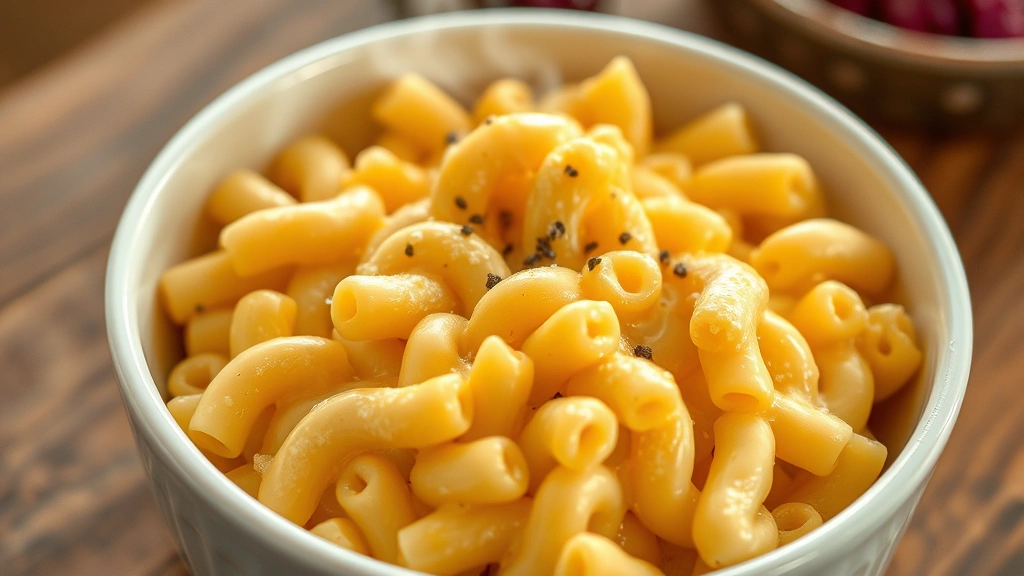
Chick-fil-A Mac & Cheese Copycat Recipe: Creamy, Delicious & Restaurant-Quality
If you’ve ever enjoyed Chick-fil-A’s mac and cheese side dish, you know it’s a creamy, comforting masterpiece that keeps customers coming back. The velvety sauce, perfectly cooked pasta, and that signature smooth texture make it hard to resist. The good news? You can recreate this beloved dish right in your own kitchen with simple ingredients and straightforward techniques. This copycat recipe captures the essence of what makes Chick-fil-A’s version so special: a rich cheese sauce made from real cheese, not a powdered mix, combined with tender elbow macaroni and a touch of buttery indulgence.
Making restaurant-quality mac and cheese at home doesn’t require fancy culinary skills or obscure ingredients. With the right approach to building a proper cheese sauce—starting with a roux, incorporating quality cheeses, and finishing with a bit of cream—you’ll achieve that creamy texture that Chick-fil-A is famous for. This recipe yields a dish that’s perfect as a side for grilled chicken, pulled pork, or even enjoyed on its own. Whether you’re meal prepping for the week or preparing a family dinner, this copycat version will satisfy those cravings without the drive-through.
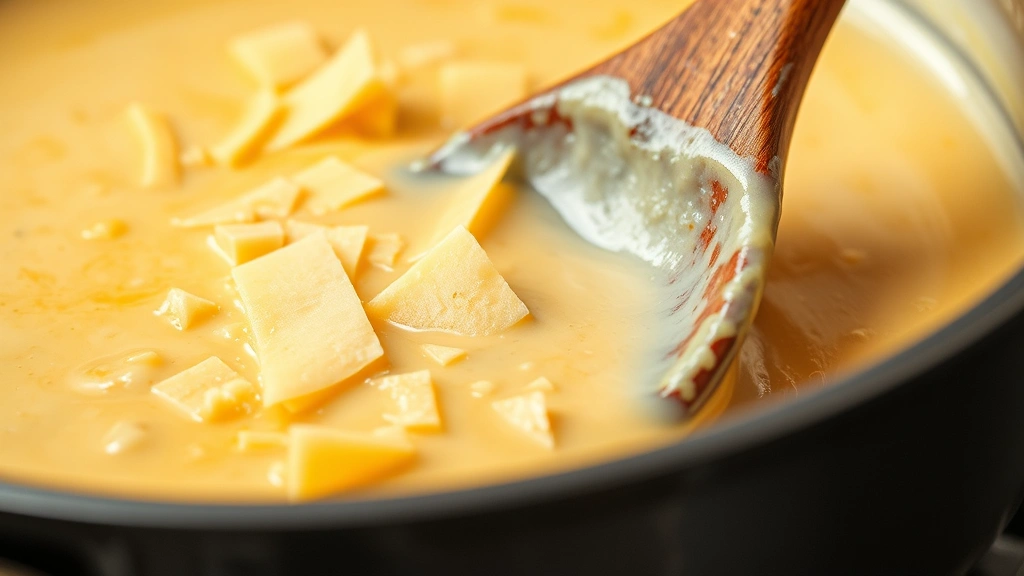
Why This Copycat Recipe Works
Creating an accurate copycat of restaurant dishes requires understanding the fundamentals of what makes them special. Chick-fil-A’s mac and cheese succeeds because it combines several key elements: high-quality cheddar cheese, a creamy béchamel base, and careful attention to pasta texture. Unlike boxed versions that rely on artificial cheese powder, this recipe uses real cheese that melts smoothly into a luxurious sauce.
The secret lies in the technique. By creating a proper roux—a combination of butter and flour cooked together—you establish a foundation that can hold the cheese and cream without becoming grainy or separating. This is the same method used in professional kitchens and culinary schools around the world. When you add cheese to a properly made roux, the proteins in the cheese distribute evenly, creating that silky texture we’re after.
This copycat version also focuses on using whole milk and a touch of heavy cream, mirroring what restaurants typically use. The ratio of cheese to sauce is crucial; too much cheese and the sauce becomes thick and pasty, too little and it’s watery. This recipe balances those proportions perfectly to achieve Chick-fil-A’s signature consistency.
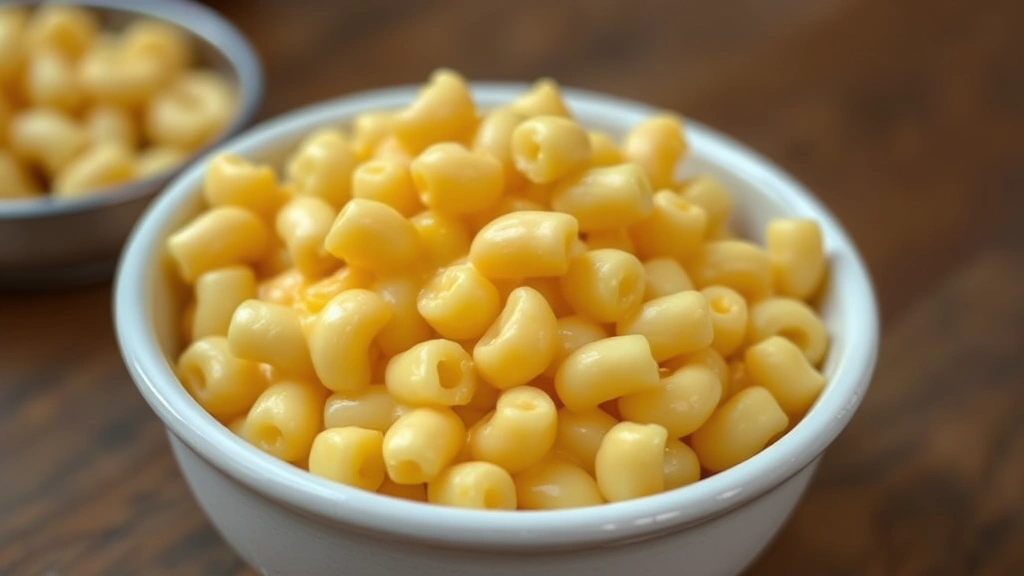
Ingredients You’ll Need
Before you begin, gather these simple, readily available ingredients:
- Elbow macaroni: 1 pound (16 ounces) – the foundation of your dish
- Butter: 4 tablespoons (½ cup) – for richness and the roux base
- All-purpose flour: 4 tablespoons – to create the roux thickener
- Whole milk: 3 cups – the primary liquid component
- Heavy cream: ½ cup – adds that restaurant-quality creaminess
- Sharp cheddar cheese: 3 cups (12 ounces), shredded – the star ingredient
- Mild cheddar cheese: 1 cup (4 ounces), shredded – balances the sharp flavor
- Salt: 1 teaspoon – to taste
- Black pepper: ½ teaspoon – freshly ground recommended
- Paprika: ¼ teaspoon (optional) – adds subtle depth
- Nutmeg: Pinch – enhances the cheese flavor
Quality matters when selecting your cheeses. Look for sharp cheddar that’s been aged; it has more complex flavor than pre-shredded varieties. If possible, purchase a block and shred it yourself—pre-shredded cheese contains anti-caking agents that can make your sauce less smooth. The combination of sharp and mild cheddar creates the balanced flavor profile that Chick-fil-A uses.
Step-by-Step Instructions
Step 1: Cook the Pasta
Start by bringing a large pot of salted water to a rolling boil. The water should taste like the sea—this seasons the pasta from the inside out. Add your elbow macaroni and cook according to package directions, but reduce the cooking time by one minute. You want the pasta al dente (slightly firm to the bite) because it will continue cooking slightly when mixed with the hot cheese sauce. Drain the pasta in a colander but do not rinse it; the starch on the pasta helps the sauce adhere better. Set aside.
Step 2: Create the Roux
In a large saucepan or Dutch oven, melt the butter over medium heat. Once melted and foaming, add the flour all at once, stirring constantly with a wooden spoon or whisk. This mixture is your roux. Cook it for approximately 2-3 minutes, stirring frequently. You should notice it becoming slightly darker and smelling nutty—this is exactly what you want. This cooking time removes the raw flour taste while creating a paste that will thicken your sauce. Do not let it brown significantly; medium heat and constant stirring prevent burning.
Step 3: Add the Milk Gradually
Reduce heat to medium-low. Slowly pour in the whole milk while whisking constantly. This gradual addition prevents lumps from forming. Start with about ½ cup of milk, whisking until smooth, then continue adding the remaining milk in steady streams. The key is maintaining constant motion with your whisk; this incorporates the milk evenly and prevents lumps. This process should take about 3-4 minutes total. You’ll see the mixture transform from a thick paste into a smooth, pourable sauce.
Step 4: Build the Sauce
Once all the milk is incorporated, increase heat to medium and continue stirring. The sauce will gradually thicken as it heats. This is the béchamel base—a classic French mother sauce used in countless dishes. Continue cooking and stirring for about 5-7 minutes until the sauce coats the back of a spoon and reaches a gentle simmer. You should see small bubbles breaking the surface; do not let it boil vigorously, as this can cause the sauce to break or become grainy.
Step 5: Incorporate the Cheese
Remove the saucepan from heat. Add the heavy cream and stir to combine. Now comes the crucial step: adding the cheese. Add the shredded cheeses in two batches, stirring well after each addition. Start with half the cheese, stirring until completely melted and smooth before adding the remaining cheese. Remove the pan from direct heat before adding cheese; residual heat is sufficient to melt it properly. This prevents the cheese proteins from becoming tough or separating.
Step 6: Season to Perfection
Add salt, black pepper, paprika, and a pinch of nutmeg. Stir thoroughly. Taste your sauce—it should be creamy, rich, and have a balanced cheesy flavor. The nutmeg enhances the cheese without being noticeable; it adds a subtle warmth that makes people wonder what the secret ingredient is. If you prefer more seasoning, add it gradually and taste after each addition.
Step 7: Combine and Serve
Pour the cheese sauce over the drained pasta and fold gently but thoroughly using a rubber spatula or wooden spoon. Ensure every piece of pasta is coated with sauce. Transfer to a serving dish immediately. The mac and cheese is best served hot, straight from the pan. If it seems too thick, you can add a splash of warm milk and stir until you reach your desired consistency.
The Secret to Perfect Cheese Sauce
The difference between homemade mac and cheese and restaurant-quality mac and cheese comes down to understanding cheese sauce chemistry. Professional chefs know that cheese doesn’t simply melt into milk—it requires a proper base to emulsify correctly.
The roux is your foundation. This combination of equal parts fat (butter) and flour creates what’s called a liaison in culinary terms. The flour absorbs the fat and becomes a vehicle for thickening. When you add milk to this mixture, the starch in the flour swells and traps the liquid, creating a smooth, thick sauce. This is the same technique used in professional culinary training.
Temperature control is equally important. Cheese contains proteins and fats that can separate if exposed to too much heat. By adding cheese to a sauce that’s been removed from direct heat, you allow the residual warmth to melt the cheese gently. The cream in this recipe also helps stabilize the cheese, preventing it from becoming stringy or separating into grease and solids. This is why restaurant mac and cheese tastes smoother than homemade versions that skip the cream.
The ratio of cheese to sauce matters significantly. Too much cheese (more than 4 cups for this amount of sauce) creates a thick, pasty texture that cools unevenly. Too little cheese and the dish tastes watered down. The 4 cups of cheese in this recipe (3 cups sharp, 1 cup mild) provides the creamy texture and robust flavor that Chick-fil-A customers know and love.
Finally, using real cheese instead of processed cheese product makes a dramatic difference. Real cheddar cheese has a complex flavor profile that develops during aging. Sharp cheddar, in particular, has been aged longer and contains more flavorful compounds than mild varieties. The combination of sharp and mild creates depth while remaining approachable and not overly pungent.
Storage and Reheating Tips
Homemade mac and cheese can be prepared ahead, making it perfect for meal prep or family gatherings. Store leftover mac and cheese in an airtight container in the refrigerator for up to 4 days. The sauce will thicken as it cools; this is completely normal and expected.
When reheating, place the mac and cheese in a saucepan over medium-low heat, stirring frequently. Add a splash of milk (about 2-3 tablespoons per cup of mac and cheese) to restore the creamy consistency. Stir gently but consistently until heated through, about 5-7 minutes. Avoid high heat, which can cause the sauce to break or become grainy.
Alternatively, you can reheat in a microwave-safe container. Add a splash of milk, cover loosely with a microwave-safe lid or paper towel, and heat in 1-minute intervals, stirring between each interval. This method is faster but requires attention to prevent overheating.
For freezing, transfer cooled mac and cheese to a freezer-safe container and freeze for up to 3 months. Thaw overnight in the refrigerator before reheating using the stovetop method described above. Frozen mac and cheese may require an extra splash of milk when reheating, as the freezing process can affect the sauce consistency.
This copycat recipe pairs wonderfully with recipes with ground chicken for a complete meal, or alongside easy homemade bread recipes for a comforting dinner.
Variations and Customizations
Baked Mac and Cheese: Transfer the combined pasta and cheese sauce to a buttered baking dish. Mix 1 cup panko breadcrumbs with 3 tablespoons melted butter and ¼ cup grated Parmesan cheese. Sprinkle over the top and bake at 350°F for 20-25 minutes until golden brown and bubbling at the edges. This creates a textural contrast between the creamy interior and crispy topping.
Three-Cheese Version: Replace 1 cup of the sharp cheddar with Gruyère cheese for added complexity. Gruyère has a nuttier, more sophisticated flavor that elevates the dish. Use the same cooking method; the results will be slightly different but equally delicious.
Smoky Mac and Cheese: Add 1 teaspoon smoked paprika and ½ teaspoon cayenne pepper to the seasoning mix. This creates a Southwestern-inspired variation that pairs well with barbecued meats. The smokiness adds depth without overwhelming the cheese flavor.
Creamy Jalapeño Version: Add 1 cup diced roasted jalapeños to the cheese sauce before combining with pasta. This variation provides heat and brightness, perfect for those who enjoy a little kick. The roasting process mellows the jalapeños while maintaining their flavor.
Protein-Packed Option: Stir in 1½ cups diced cooked ham, bacon, or rotisserie chicken when combining the sauce with pasta. This transforms the dish into a more substantial main course. Ensure your protein is warm before adding to maintain the dish’s temperature.
Gluten-Free Version: Replace the all-purpose flour with a gluten-free flour blend that contains xanthan gum, or use cornstarch at a 1:1 ratio. The roux technique remains the same; the result will be equally creamy. Use gluten-free pasta as well, cooking according to package directions.
For additional side dish inspiration, explore healthy crock pot recipes that pair beautifully with homemade mac and cheese, or check out Mediterranean salad recipes for a fresh counterpoint to this rich dish.
FAQ
Can I use pre-shredded cheese for this recipe?
While pre-shredded cheese is convenient, it contains anti-caking agents that can prevent smooth melting. For the best results, purchase a block of sharp cheddar and mild cheddar, then shred them yourself using a box grater or food processor. If you must use pre-shredded cheese, toss it lightly in a small amount of cornstarch before adding to the sauce to help it melt more smoothly.
Why is my cheese sauce grainy?
Grainy sauce typically results from one of three issues: the sauce was too hot when you added the cheese (causing the proteins to seize), the cheese was added too quickly without proper stirring, or the cheese was low quality. Always remove the sauce from heat before adding cheese, stir constantly, and use real cheddar cheese rather than processed alternatives. If your sauce does become grainy, strain it through a fine-mesh sieve and whisk in a small amount of cream to smooth it out.
Can I make this in a slow cooker?
Yes, but with modifications. Cook the pasta separately according to package directions, then combine in a slow cooker with the cooked pasta, milk, and cream. Cook on low for 1-2 hours, stirring occasionally. Add the cheese in the final 30 minutes of cooking, stirring frequently until fully melted. This method is convenient for parties or potlucks where you need to keep the dish warm.
What pasta shape works best?
Elbow macaroni is traditional and what Chick-fil-A uses, but other shapes work beautifully. Small shells, cavatappi, or ditalini pasta all hold sauce well. Avoid long pasta like spaghetti or fettuccine, which don’t trap the sauce effectively. Larger shapes like rigatoni or penne can also work but may feel less authentic to the Chick-fil-A version.
How can I make this recipe lighter?
Reduce the butter to 3 tablespoons and replace heavy cream with half-and-half or whole milk. You can also substitute some of the cheddar with lower-fat versions, though the texture and flavor will be slightly affected. Using 2% milk instead of whole milk also reduces fat content. Note that reducing fat may require you to add an extra tablespoon of flour to the roux to maintain proper sauce consistency.
Can I prepare this ahead of time?
Absolutely. You can prepare the cheese sauce up to 24 hours ahead and store it in the refrigerator. Cook the pasta separately, then combine them just before serving or reheating. This is excellent for meal prep or when entertaining. Reheat the sauce gently over medium-low heat, adding a splash of milk to restore the creamy consistency.
Why does my mac and cheese taste different from the restaurant version?
The most common reason is using different cheeses. Chick-fil-A uses specific cheddar blends that may differ from what’s available retail. Additionally, restaurants often add ingredients like sodium phosphate (an emulsifier) to prevent sauce separation. This recipe achieves similar results through proper technique and cream rather than additives. If you want to match the flavor more closely, try adding ¼ teaspoon of cream of tartar to the cheese sauce, which can enhance the cheese flavor slightly.
How do I keep the sauce from separating?
Separation occurs when cheese proteins denature from excessive heat or when the sauce lacks proper emulsifiers. Prevent this by: never allowing the sauce to boil, removing it from heat before adding cheese, stirring constantly when adding cheese, and including cream in your recipe. If separation does occur, whisk in a small amount of cold milk to help re-emulsify the sauce.
Is this recipe suitable for meal prep?
Yes, this recipe is ideal for meal prep. Prepare the entire dish, cool it, then divide into airtight containers. Refrigerate for up to 4 days. When ready to eat, reheat gently on the stovetop with a splash of milk, stirring frequently. You can also freeze portions for up to 3 months, thawing overnight in the refrigerator before reheating.
Explore more comforting side dishes by visiting the Fresh Plate Daily Blog for additional recipes and cooking inspiration. You might also enjoy learning how to make homemade pasta for a completely from-scratch approach to noodle dishes.
For more information on cheese selection and cheese sauce techniques, visit Serious Eats, a trusted resource for food science and cooking techniques, or explore King Arthur Baking for baking and cooking expertise. You can also reference Bon Appétit for additional recipe inspiration and culinary techniques.


