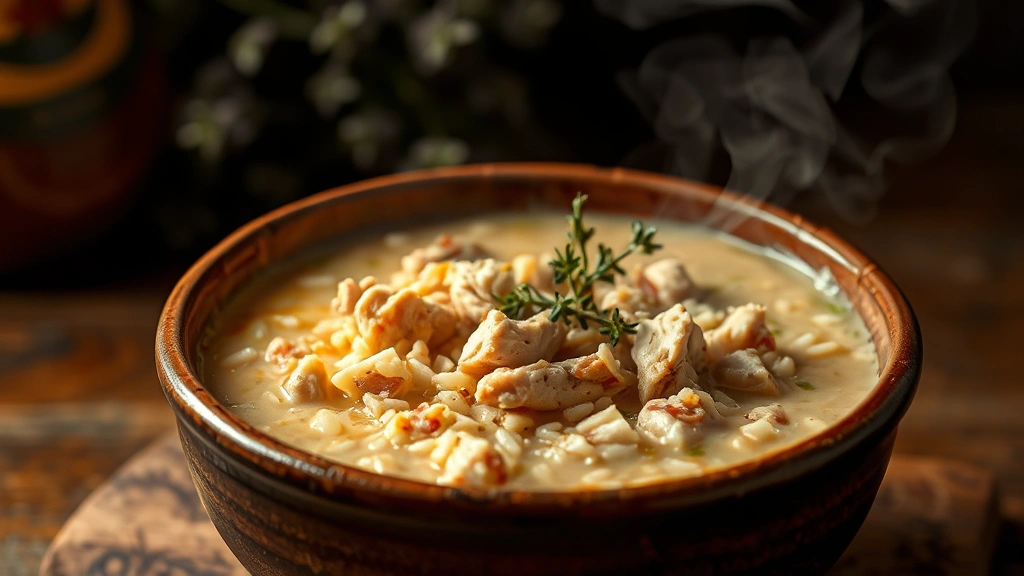
Cozy Chicken & Wild Rice Soup: Grandma’s Favorite Recipe
There’s something deeply comforting about a steaming bowl of chicken and wild rice soup on a chilly evening. This beloved classic has graced dinner tables for generations, and for good reason. The combination of tender chicken, nutty wild rice, and aromatic vegetables creates a soup that’s both hearty and soul-satisfying. Whether you’re seeking warmth on a cold day or a meal that feels like a warm hug from grandma herself, this recipe delivers exactly that.
What makes this soup truly special is its simplicity paired with sophisticated flavors. Unlike cream-heavy versions that can leave you feeling sluggish, this grandmother’s rendition strikes the perfect balance between richness and lightness. The wild rice provides a wonderful textural element and earthy undertone, while fresh herbs and quality broth ensure every spoonful tastes homemade and authentic. This is the kind of dish that brings families together and creates lasting memories around the dinner table.
Why Wild Rice Matters in This Soup
Wild rice is far more than just a filler ingredient—it’s the foundation that sets this soup apart from ordinary chicken soups. Unlike white rice, which becomes mushy and bland, wild rice maintains its firm texture even after extended cooking times. Each grain absorbs the surrounding broth while retaining an enjoyable chew, creating a more interesting mouthfeel that keeps you engaged with every spoonful.
The nutritional profile of wild rice is equally impressive. It contains significantly more protein than white rice, making this soup more substantial and satisfying. Wild rice is also rich in fiber, B vitamins, and minerals like manganese and phosphorus. These nutrients make the soup not just delicious but genuinely nourishing—exactly what grandma would want to serve her family. The slightly nutty, earthy flavor of wild rice complements chicken beautifully, creating a flavor combination that’s both classic and refined.
When selecting wild rice, look for grains that are uniform in size and dark in color. Avoid any that appear dusty or contain debris. Quality wild rice will cook more evenly and deliver superior flavor. Many cooks prefer to rinse their wild rice before cooking, which removes any remaining chaff and ensures a cleaner final product. This small step takes just moments but makes a noticeable difference in the finished soup.
Essential Ingredients You’ll Need
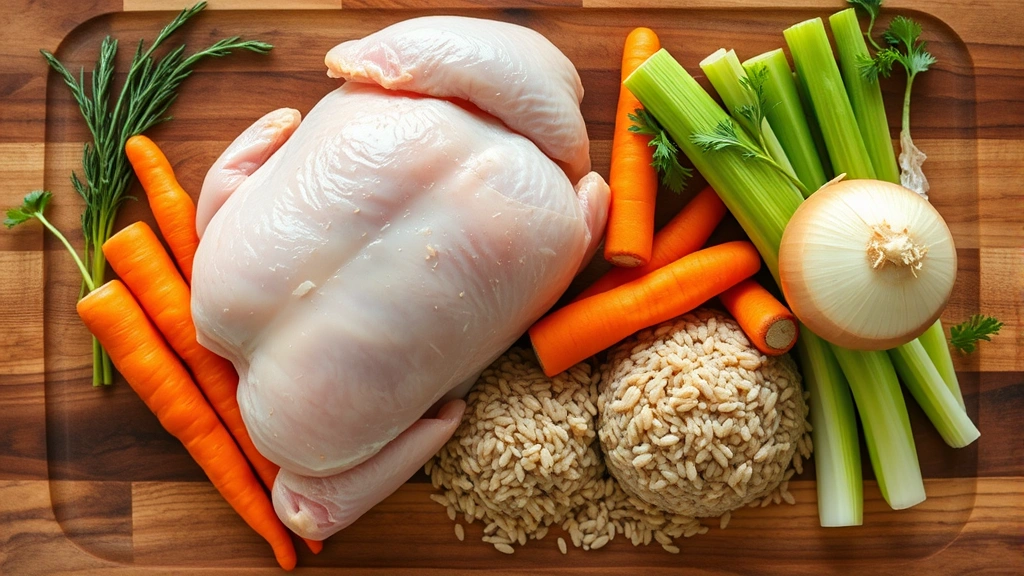
Building this classic soup starts with quality ingredients. Begin with a whole chicken or chicken pieces—dark meat adds richer flavor than white meat alone, though you can use a combination. You’ll need approximately two pounds of chicken to yield the right amount of shredded meat for the finished soup.
The aromatic vegetables form the flavor base. Carrots, celery, and onions are non-negotiable; they create the classic mirepoix that has been the foundation of French and American cooking for centuries. Use fresh vegetables whenever possible, as they provide superior flavor compared to frozen alternatives. For this recipe, you’ll want two medium carrots, three celery stalks, and one large onion.
Wild rice is the star ingredient, requiring about one cup of uncooked rice. This expands significantly during cooking, creating the perfect proportion of rice to broth in the finished soup. Fresh herbs elevate the dish considerably—thyme and bay leaves are traditional choices that add complexity without overpowering the delicate chicken flavor. A quality chicken broth serves as your liquid foundation; homemade broth is ideal, but quality store-bought varieties work well too. You’ll need approximately eight cups of broth.
Additional seasonings include kosher salt, freshly ground black pepper, and optionally, a small amount of fresh parsley for garnish. Some cooks like to add a splash of dry white wine or sherry for added depth. A tablespoon of butter helps round out flavors at the end of cooking, creating a silkier mouthfeel.
Step-by-Step Cooking Instructions
Step One: Prepare Your Ingredients Begin by rinsing your wild rice under cold water in a fine-mesh strainer, stirring gently with your fingers to remove any debris. Set aside. Peel and chop your carrots into half-inch rounds. Slice celery into quarter-inch pieces. Dice your onion into roughly quarter-inch pieces. This uniform sizing ensures even cooking throughout the soup. If using a whole chicken, pat it dry with paper towels—this helps it brown more effectively.
Step Two: Brown the Chicken Heat a large Dutch oven or heavy-bottomed soup pot over medium-high heat. Add a tablespoon of olive oil. Once shimmering, carefully place your chicken in the pot. If using pieces, arrange them skin-side down. Allow the chicken to brown undisturbed for four to five minutes. This browning step develops flavor through the Maillard reaction, creating deeper, more complex taste notes. Turn chicken pieces and brown the other side for another three to four minutes. If using a whole chicken, brown it for several minutes on each side. Remove chicken to a plate and set aside.
Step Three: Build the Flavor Base In the same pot with the rendered chicken fat, add your diced onion, carrots, and celery. Sauté over medium heat for six to eight minutes, stirring occasionally, until the vegetables begin to soften and the onion becomes translucent. This process releases the vegetables’ natural sugars and develops their flavors. You should notice a pleasant aroma developing—this indicates proper caramelization beginning.
Step Four: Add Rice and Broth Add your rinsed wild rice directly to the pot with the vegetables. Stir for one minute, allowing the rice to toast slightly in the fat. Pour in your eight cups of chicken broth, scraping the bottom of the pot with a wooden spoon to release any browned bits. These flavorful bits, called fond, contain concentrated chicken flavor and are too valuable to waste. Return the browned chicken to the pot, nestling it among the vegetables and rice.
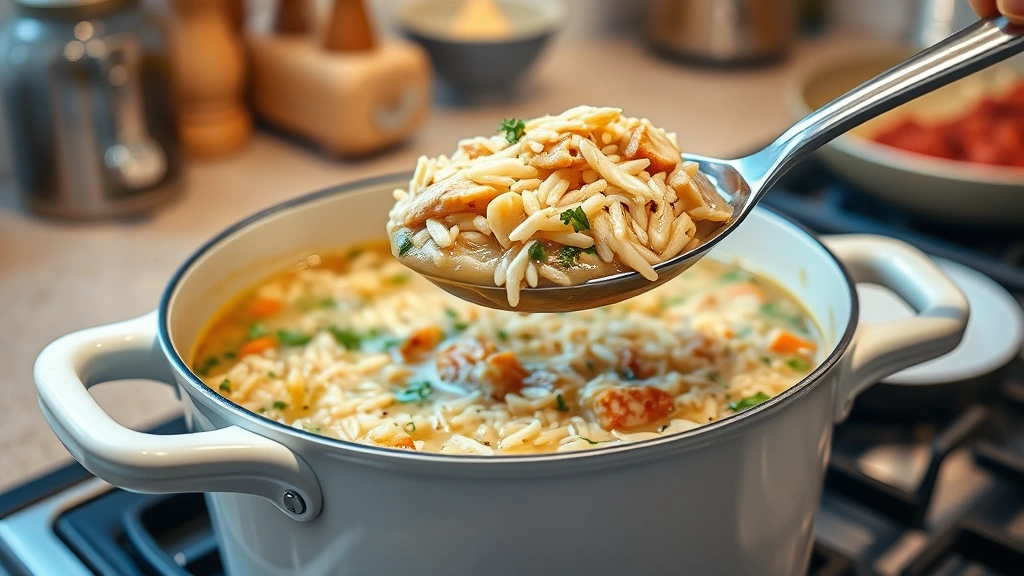
Step Five: Simmer and Cook Add three bay leaves and two teaspoons of fresh thyme (or one teaspoon dried). Bring the mixture to a boil, then reduce heat to low. Partially cover the pot and simmer gently for one hour to one hour and fifteen minutes. The wild rice should become tender but still maintain a slight chew. The chicken should be fully cooked and easily shredded with a fork. If using a whole chicken, the internal temperature should reach 165°F.
Step Six: Finish the Soup Remove the chicken from the pot and allow it to cool slightly. Once cool enough to handle, shred the meat into bite-sized pieces, discarding skin and bones. Return the shredded chicken to the pot. Remove and discard the bay leaves. Stir in one tablespoon of butter and season to taste with kosher salt and freshly ground black pepper. Many cooks find they need less salt than expected, as the broth and chicken already contribute significant saltiness. Taste before adding salt, adjusting gradually.
Pro Tips for Perfect Results
Achieving soup perfection requires attention to several details. First, invest in quality ingredients—this is especially true for chicken broth, which comprises the majority of your finished soup. A rich, flavorful broth makes all the difference. If possible, make your own broth using chicken bones, vegetables, and aromatics simmered for several hours. This culinary technique creates incomparable depth.
Second, don’t skip the browning step. While it seems like an extra task, browning the chicken develops flavors that simply cannot be achieved through simmering alone. The Maillard reaction creates hundreds of new flavor compounds, transforming simple ingredients into something extraordinary. This is why restaurant soups taste different from home versions—they understand the importance of proper technique.
Third, monitor your cooking time carefully. Wild rice varies considerably in cooking time depending on its age and quality. Older rice takes longer to cook than recently harvested rice. Start checking for doneness at the 50-minute mark by tasting a grain. It should be tender but not mushy, with a slight firmness in the center. Overcooked wild rice becomes soft and loses its pleasant textural quality.
Fourth, taste and adjust seasonings throughout cooking rather than only at the end. This allows flavors to develop harmoniously. Remember that salt enhances other flavors, so even a small amount can make a significant difference in how the soup tastes overall. Season conservatively, tasting between additions.
Finally, don’t rush the simmering process by using high heat. Gentle simmering allows flavors to meld beautifully while preventing the broth from becoming cloudy. The difference between a rolling boil and a gentle simmer is significant—gentle heat produces a clearer, more refined final product.
Variations and Substitutions
While this recipe honors tradition, it also welcomes creative modifications. If you’re seeking grandma approved dinner recipes, this soup adapts beautifully to personal preferences and ingredient availability.
Vegetable Variations: Add mushrooms for an earthy depth that complements wild rice beautifully. Slice them thinly and sauté with the onion mixture. Leeks provide a more refined onion flavor compared to regular yellow onions. Some cooks add fresh or frozen peas near the end of cooking for color and sweetness. Diced potatoes create additional heartiness, though they require extended cooking time.
Protein Options: Turkey works wonderfully as a substitute for chicken, creating a slightly different but equally satisfying soup. Duck provides richer flavor for those seeking something more luxurious. For vegetarians, hearty mushrooms and extra vegetables can replace chicken entirely while maintaining the soup’s satisfying nature.
Broth Variations: While chicken broth is traditional, vegetable broth works for vegetarian versions. Some cooks prefer vegetable broth even with chicken, as it allows the chicken flavor to shine without competing with broth complexity. Bone broth, increasingly popular for its collagen content, creates a richer, silkier mouthfeel.
Cream Options: Though not traditional to this grandmother’s recipe, some prefer adding heavy cream or half-and-half near the end of cooking. Start with a quarter cup and add more to taste. This creates a more indulgent version while maintaining the soup’s essential character.
Seasoning Variations: Fresh sage adds an herbaceous note that some find preferable to thyme. A small amount of white wine or dry vermouth adds subtle complexity. A pinch of nutmeg creates unexpected warmth without announcing itself.
Storage and Make-Ahead Guide
This soup is ideal for make-ahead cooking, improving in flavor as ingredients meld together. Store cooled soup in airtight containers in the refrigerator for up to four days. The flavors actually deepen after the first day, making this an excellent choice for meal planning.
For freezing, allow the soup to cool completely before transferring to freezer-safe containers. Leave about an inch of headspace, as the soup expands slightly when frozen. This soup freezes beautifully for up to three months. When reheating from frozen, thaw overnight in the refrigerator, then gently reheat on the stovetop over medium heat, stirring occasionally. Avoid boiling, which can make the wild rice tough.
If you’ve prepared this as part of your grandma approved dinner recipes collection, you’ll appreciate how well it reheats. The flavors actually improve as the soup sits, making it perfect for batch cooking on a weekend. Portion into individual containers for quick weeknight meals.
For best results, add fresh herbs like parsley just before serving rather than before freezing. Frozen herbs lose their brightness, so this final touch ensures maximum freshness and visual appeal. A dollop of sour cream or a sprinkle of fresh thyme makes an elegant finishing touch.
Frequently Asked Questions
Can I use white rice or brown rice instead of wild rice?
While technically possible, the result differs significantly. White rice becomes mushy and loses its texture, while brown rice’s earthiness doesn’t complement chicken as beautifully. Wild rice’s firm texture and nutty flavor are central to this soup’s character. If wild rice is unavailable, consider a blend of wild and brown rice as a compromise.
How do I know when the wild rice is done cooking?
Taste a grain—it should be tender but with a slight firmness in the center. The grain may split slightly at the ends when fully cooked. If you prefer softer rice, continue cooking for another five to ten minutes. Remember that rice continues cooking slightly after heat is removed, so err on the side of slightly underdone rather than overdone.
Can I use rotisserie chicken from the grocery store?
Absolutely. This is a convenient shortcut that works well. Use about two cups of shredded rotisserie chicken. Skip the browning step and add the chicken when you add the broth. The soup will be slightly less flavorful than with browned chicken, but still delicious and ready in about 45 minutes rather than 90 minutes.
What’s the difference between wild rice soup and chicken noodle soup?
Beyond the obvious rice versus noodle distinction, wild rice soup has a heartier, earthier character. The wild rice provides more nutrition and texture than pasta, and the soup itself tends to be less brothy and more substantial. Wild rice also requires longer cooking, allowing flavors to develop more fully.
Is this soup suitable for freezing and reheating multiple times?
While technically possible, freeze and reheat only once for best results. Each freeze-thaw cycle slightly diminishes quality, particularly the texture of vegetables. If making large batches, portion into individual servings before freezing—this prevents multiple reheating cycles of the entire batch.
Can I make this soup in a slow cooker?
Yes, though results differ slightly. Brown the chicken and vegetables first in a pot, then transfer to a slow cooker with broth and wild rice. Cook on low for six to eight hours. The extended cooking can make wild rice slightly softer than stovetop versions, but it’s convenient for busy days.
What should I serve alongside this soup?
Crusty bread is the classic pairing. A simple green salad provides textural contrast. Grilled cheese sandwiches make this a complete, satisfying meal. For something lighter, consider thumbprint cookie recipe variations for dessert after a lighter soup serving.
How can I reduce the sodium content?
Use low-sodium or homemade broth as your base. Taste before adding any salt, as the chicken and broth already contribute significant sodium. This approach gives you control over the final salt level while maintaining flavor development.
Does this soup work for special diets?
This soup is naturally gluten-free when made with quality broth. It’s also paleo-friendly and fits most whole-food-focused diets. For keto modifications, reduce wild rice and increase vegetables and chicken. Always verify ingredient labels for hidden additives or gluten.


