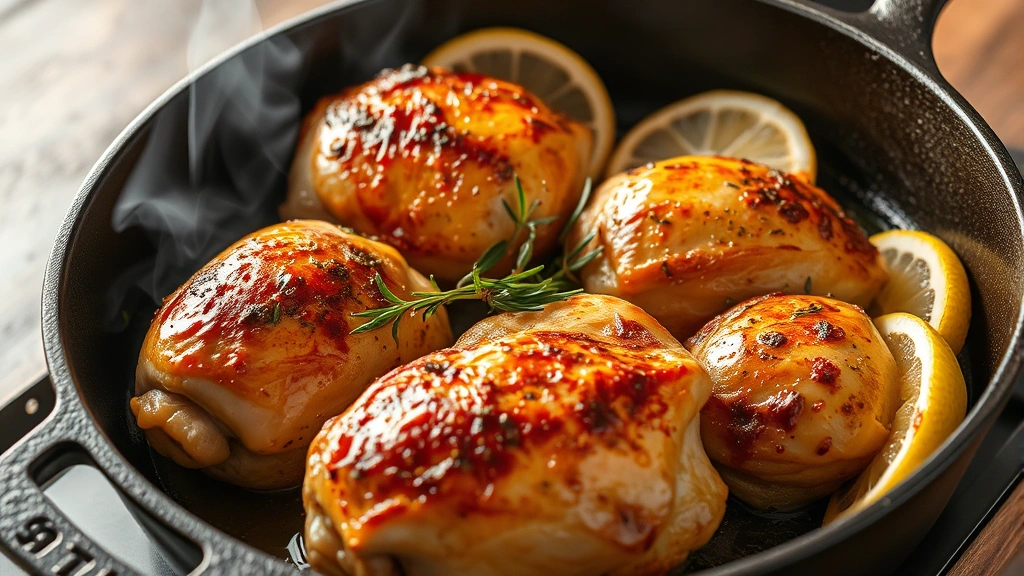
Juicy Chicken Leg Quarters: Chef’s Secret Recipe & Techniques
Chicken leg quarters are one of the most forgiving and flavorful cuts of poultry available, yet many home cooks overlook them in favor of chicken breasts. This dark meat is inherently juicier, more forgiving during cooking, and packed with collagen that breaks down into gelatin, creating an incredibly tender and succulent final dish. Professional chefs have known this secret for decades: when you master chicken leg quarters, you unlock a world of simple yet sophisticated meals that taste restaurant-quality every single time.
The key to achieving perfectly juicy chicken leg quarters lies in understanding the science behind the meat, applying proper seasoning techniques, and using cooking methods that preserve moisture while developing flavor. Whether you’re roasting, braising, grilling, or pan-searing, this comprehensive guide will walk you through everything you need to know to create restaurant-worthy chicken leg quarter dishes in your own kitchen.
Why Chicken Leg Quarters Are Superior
A chicken leg quarter consists of the thigh and drumstick still connected by the joint, making it a generous single-serving portion that’s perfect for family dinners or meal prep. Unlike boneless, skinless chicken breasts that dry out quickly, leg quarters contain significantly more fat distributed throughout the dark meat. This fat is crucial for flavor and moisture retention during cooking.
The dark meat in chicken legs contains nearly double the fat content of white meat, along with higher concentrations of myoglobin—the protein responsible for both the darker color and the rich, chicken-y flavor you crave. When you’re cooking easy dinner recipes for beginners, chicken leg quarters are forgiving enough that slight variations in technique won’t result in dry, ruined meat.
Professional chefs prefer leg quarters because they’re economical, versatile, and nearly impossible to overcook compared to white meat. The bone structure also adds incredible depth to any pan sauce or braising liquid, contributing gelatin and collagen that create silky, luxurious gravies without additional thickeners.
The Science of Juicy Chicken
Understanding how moisture works in chicken meat is fundamental to mastering this cut. Muscle fibers in poultry contain water, which is held within the protein structure. When heat is applied, proteins denature and tighten, squeezing out moisture. The difference between juicy and dry chicken comes down to how much water remains in the meat after cooking.
The optimal internal temperature for chicken is 165°F (74°C) for food safety, but dark meat can actually reach 175°F (79°C) before becoming noticeably dry thanks to its higher fat content. This gives you a wider window for cooking chicken leg quarters than you’d have with white meat. Many professional cooks actually prefer to cook dark meat to 170-175°F for maximum tenderness and flavor development.
Brining and marinating are two techniques that dramatically improve juiciness. A simple salt brine works by disrupting the protein structure slightly, allowing it to retain more water during cooking. Even a 30-minute salt cure (using about 1 tablespoon of salt per pound of chicken) can make a noticeable difference. This is why cast iron cooking combined with dry brining creates such exceptional results—the salt cure plus the even heat distribution produces perfectly juicy results every time.
Master Recipe: Pan-Roasted Chicken Leg Quarters
This foundational recipe demonstrates the chef’s secret to juicy chicken leg quarters. It uses a combination of dry brining, high-heat searing, and moderate-temperature finishing to develop a golden skin while keeping the meat incredibly moist inside.
Ingredients:
- 4 chicken leg quarters (about 2 pounds total)
- 1 tablespoon kosher salt
- 1 teaspoon black pepper
- 1 teaspoon garlic powder
- ½ teaspoon paprika
- 2 tablespoons olive oil
- ½ cup chicken stock
- 2 tablespoons butter
- 2 cloves garlic, smashed
- 3 sprigs fresh thyme
Instructions:
- Dry Brine: Pat chicken leg quarters completely dry with paper towels. This is crucial for crispy skin. Sprinkle salt evenly over both sides of each quarter and place on a plate, uncovered, in the refrigerator for at least 30 minutes, ideally 4-8 hours. The salt dissolves slightly and penetrates the meat, seasoning it throughout while helping it retain moisture during cooking.
- Prepare for Cooking: Remove chicken from refrigerator 15 minutes before cooking to bring it closer to room temperature. This ensures more even cooking throughout. Mix black pepper, garlic powder, and paprika in a small bowl and set aside.
- Sear the Chicken: Heat olive oil in a large cast iron skillet or heavy-bottomed pan over medium-high heat until it shimmers. Carefully place chicken quarters skin-side down in the hot oil. Do not move them for 4-5 minutes—this initial sear is developing the Maillard reaction, creating those delicious golden-brown flavors. You should hear an aggressive sizzle; if not, your pan isn’t hot enough.
- First Side Complete: Once the skin is deeply golden brown, flip the chicken quarters to the other side. Sprinkle the pepper-garlic mixture over the meat side. Sear for another 3-4 minutes until the flesh side develops some color.
- Transfer to Oven: Preheat your oven to 400°F (200°C). Add smashed garlic cloves and thyme sprigs to the pan around the chicken. Transfer the entire skillet to the preheated oven.
- Roast: Roast for 15-20 minutes, until the internal temperature reaches 170°F (76°C) when measured with an instant-read thermometer inserted into the thickest part of the thigh without touching bone. Start checking at 15 minutes to avoid overcooking.
- Rest the Meat: Remove the pan from the oven and transfer chicken quarters to a warm plate, tenting loosely with foil. Let rest for 5 minutes—this is crucial. During resting, the muscle fibers relax and reabsorb some of the expelled moisture, resulting in significantly juicier meat.
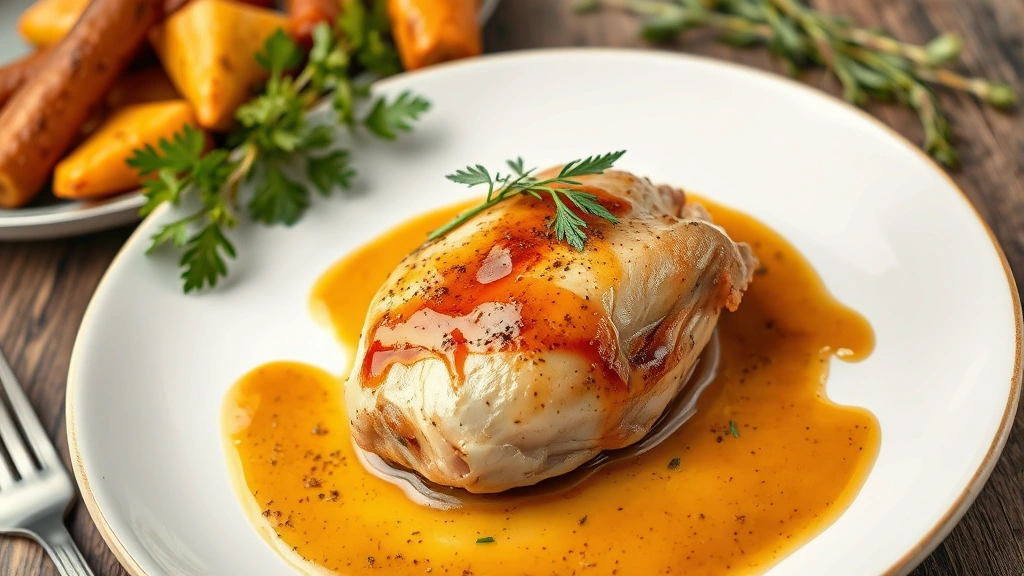
- Make Pan Sauce: Place the skillet over medium heat on the stovetop. Pour in chicken stock, scraping up all the browned bits stuck to the bottom (this is called deglazing and contains intense flavor). Let simmer for 2-3 minutes until slightly reduced. Remove from heat and whisk in butter until it melts and creates a glossy sauce. Taste and adjust seasoning with salt and pepper.
- Serve: Plate the chicken quarters and drizzle generously with the pan sauce. The combination of the rendered chicken fat, caramelized meat drippings, and butter creates a sauce that’s restaurant-quality in its richness and depth.
Serves: 4 | Total Time: 45 minutes (plus dry brining time)
Advanced Seasoning Techniques
Beyond simple salt and pepper, professional chefs use specific techniques to maximize flavor in chicken leg quarters. Understanding these methods will elevate your shredded chicken recipes and everyday cooking.
Compound Butter Method
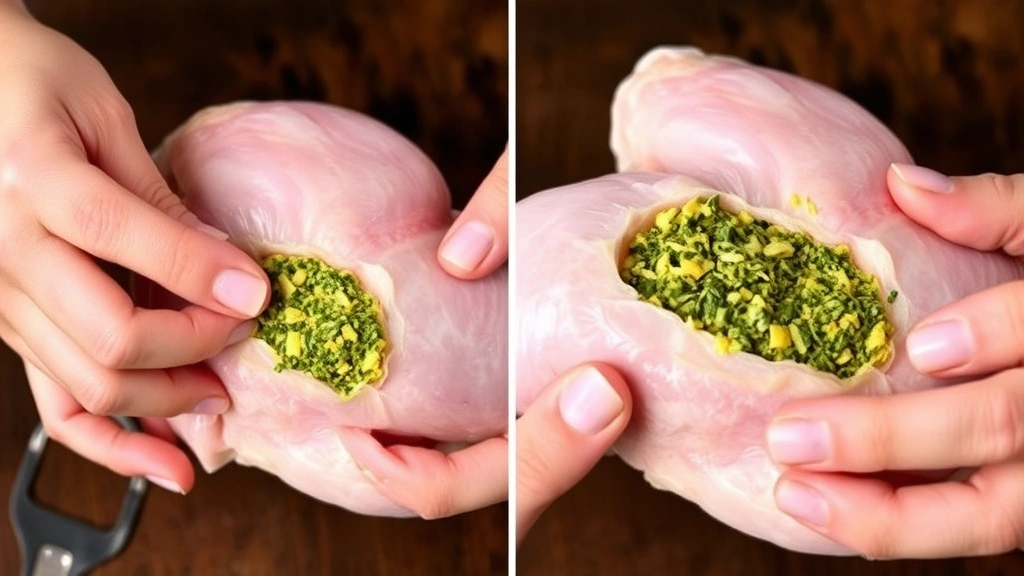
Create a compound butter by mixing softened butter with fresh herbs, lemon zest, minced garlic, and salt. Carefully separate the skin from the meat of each chicken leg quarter and slide the compound butter underneath. This technique, called “under-skin seasoning,” keeps the seasoning in direct contact with the meat while the butter bastes it from within during cooking. The result is incredibly flavorful, juicy chicken with perfectly seasoned meat in every bite.
Spice Rubs
A well-constructed spice rub does more than add surface flavor—it creates a flavorful crust while the spices’ volatile oils penetrate the meat. Combine equal parts paprika, garlic powder, and onion powder with smaller amounts of cayenne, black pepper, and brown sugar. The sugar caramelizes during cooking, creating complex flavors. Apply the rub after your dry brine but before cooking.
Marinades vs. Brines
While a brine uses salt to retain moisture, a marinade adds flavor through acidic and aromatic components. For chicken leg quarters, the ideal marinade combines acid (vinegar, citrus, yogurt), oil, and aromatics. Use a ratio of 3 parts oil to 1 part acid, plus herbs and spices. Marinate for 4-12 hours in the refrigerator. The acid won’t over-tenderize dark meat the way it can with white meat, so you have flexibility with timing.
Pro tip: Combine dry brining with marinating by salting the chicken 8 hours ahead, then marinating it 4 hours before cooking. This two-stage approach delivers maximum moisture retention plus deep flavor penetration.
Five Flavor Variations Worth Trying
Once you’ve mastered the basic pan-roasted technique, these variations showcase how versatile chicken leg quarters truly are. Each can be incorporated into rice bowl recipes or served with roasted vegetables for complete meals.
Mediterranean Style
Season with oregano, thyme, and rosemary. Roast with lemon slices, kalamata olives, sun-dried tomatoes, and artichoke hearts in the pan. The acidity of the tomatoes and brightness of the lemon complement the rich dark meat beautifully. Finish with fresh parsley and a drizzle of good olive oil.
Asian-Inspired
Marinate in a mixture of soy sauce, rice vinegar, ginger, garlic, and sesame oil for 6-8 hours. Roast and finish with a glaze made from the marinade reduced with honey and cornstarch. Serve over jasmine rice with steamed bok choy for an authentic experience.
Indian Tandoori
Marinate in yogurt mixed with tandoori spice powder, ginger-garlic paste, and lime juice for 8-12 hours. Roast in a hot oven or on a grill. The yogurt’s lactic acid tenderizes while the spices create an incredible crust. Serve with cucumber raita and basmati rice.
French Dijon
Apply a paste of Dijon mustard, whole grain mustard, thyme, and minced shallots under the skin. Roast and finish with a pan sauce made from the drippings, white wine, and a touch of crème fraîche. Serve with crusty bread and wilted greens.
Cajun Spiced
Use a spice rub combining paprika, cayenne, garlic powder, onion powder, thyme, and oregano. Roast in a cast iron skillet with bell peppers, onions, and celery to create a one-pan Cajun-inspired dish. The vegetables pick up the spiced drippings and create a complete meal.
Common Mistakes to Avoid
Even with quality ingredients and proper technique, certain mistakes can undermine your results. Learning to avoid these pitfalls separates good cooks from great ones.
Skipping the Dry Brine
Many cooks jump straight to cooking without salting first. This is a missed opportunity. Even 30 minutes of dry brining makes a measurable difference in juiciness and seasoning penetration. There’s no downside—only better results.
Insufficient Searing
A weak sear means missing out on Maillard reaction flavors. Your pan must be hot enough that the chicken sizzles aggressively when it hits the oil. If it sizzles timidly, remove the chicken, let the pan heat more, and try again. The initial sear should take 4-5 minutes and create deep golden-brown color.
Overcooking
While chicken leg quarters are forgiving, they can still dry out if pushed past 175°F (79°C). Use an instant-read thermometer and check temperature at the thickest part of the thigh. Remove from heat at 170°F and let carryover cooking finish the job.
Skipping the Rest Period
Cutting into chicken immediately after cooking releases all the juices onto the plate instead of keeping them in the meat. Even 5 minutes of resting makes a dramatic difference. This is non-negotiable for maximum juiciness.
Using Wet Chicken
Moisture on the surface prevents proper browning and steams the skin instead of crisping it. Always pat chicken completely dry before cooking, whether you’re dry brining or not.
Crowding the Pan
If you’re cooking more than 4 leg quarters, use two pans or cook in batches. Crowding the pan lowers the temperature, preventing proper searing and causing the chicken to steam rather than brown.
Storage and Make-Ahead Tips
Chicken leg quarters are excellent for meal preparation and storage. Understanding proper handling extends their shelf life while maintaining quality.
Refrigerator Storage
Cooked chicken leg quarters keep for 3-4 days in an airtight container in the refrigerator. Store them with any pan sauce in the same container for maximum moisture retention. You can shred the meat for shredded chicken recipes or serve cold in salads.
Freezer Storage
Cooked chicken leg quarters freeze beautifully for up to 3 months. Freeze them in their pan sauce for best results, using freezer bags or airtight containers. Thaw overnight in the refrigerator and reheat gently in a 350°F oven until warmed through, about 15-20 minutes, to preserve moisture.
Raw Chicken Storage
Raw chicken leg quarters keep for 1-2 days in the refrigerator on the coldest shelf. For longer storage, freeze for up to 9 months. You can dry brine chicken and freeze it—the salt will have already penetrated, so you’re not losing anything. Simply thaw and cook as normal.
Make-Ahead Dry Brining
Salt your chicken leg quarters 8-12 hours before cooking. This extended dry brine creates incredibly juicy results. After salting, cover loosely with plastic wrap and refrigerate. You can even salt them the night before and marinate them the next day, combining both techniques for maximum flavor and moisture.
Batch Cooking Strategy
Cook a double batch on Sunday and use throughout the week. Shred the extra meat for rice bowl recipes, salads, or grain bowls. The meat becomes more tender as it cools and absorbs the pan sauce flavors, making day 3-4 leftovers just as delicious as the fresh version.
FAQ
How long does it take to cook chicken leg quarters?
Using the pan-roasting method described above, expect about 25-30 minutes of active cooking time (5-10 minutes searing on stovetop plus 15-20 minutes roasting in the oven). Add 30 minutes to 8 hours if you’re dry brining first. Total time from start to eating is typically 45 minutes to 8.5 hours, depending on your prep method.
Can I cook chicken leg quarters on a grill?
Absolutely. Use indirect heat (one side of the grill is hot, the other is cool) and place chicken skin-side up on the cool side. Cover and grill for 25-30 minutes until internal temperature reaches 170°F. Start with a sear over direct heat for 2-3 minutes per side to develop color, then move to indirect heat to finish. This prevents burning the skin while cooking the meat through.
What’s the difference between a chicken leg quarter and a whole leg?
A leg quarter includes both the thigh and drumstick still connected. A “whole leg” is the same thing—it’s one serving-sized piece. The thigh is the upper portion (meatier, fattier, more flavorful) while the drumstick is the lower portion (leaner, with a single bone). They cook together as one piece and are perfect for individual servings.
Should I remove the skin before cooking?
No. The skin protects the meat from drying out and renders to create incredible flavor. Leave the skin on for maximum juiciness and taste. If you don’t like eating skin, simply remove it after cooking.
Can I use the cooking liquid for soup?
Yes. The pan sauce and any drippings are liquid gold for soups and stocks. Save them in the refrigerator or freezer and use as a base for chicken soup, risotto, or gravy. The collagen from the bones creates a rich, silky mouthfeel that’s impossible to achieve with just stock.
What sides pair best with chicken leg quarters?
Roasted vegetables (Brussels sprouts, carrots, potatoes), rice bowls, crusty bread for dipping in pan sauce, and salads with homemade salad dressings all work beautifully. The rich pan sauce begs for something to soak it up.
How can I tell when chicken leg quarters are done?
Use an instant-read thermometer inserted into the thickest part of the thigh without touching bone. Target 170°F (76°C) for juicy dark meat. The juices should run clear (not pink) when you cut between the thigh and drumstick. At 170°F, the meat will be tender and moist while remaining completely safe to eat.
Why is my chicken skin not crispy?
Crispy skin requires three things: dry chicken (pat it completely dry before cooking), hot oil for searing, and proper searing time (4-5 minutes without moving). If your skin isn’t crisping, ensure your pan is hot enough (you should hear an aggressive sizzle) and don’t move the chicken during the initial sear. Also, make sure the oven temperature is 400°F or higher during roasting.
Can I cook chicken leg quarters in a slow cooker?
Yes, but you’ll sacrifice crispy skin. A slow cooker produces incredibly tender, juicy meat since it braises rather than roasts. Cook on low for 6-8 hours or high for 3-4 hours. If you want crispy skin, sear the chicken first in a hot skillet, then transfer to the slow cooker. This hybrid method gives you the best of both worlds.
Mastering chicken leg quarters opens up a world of simple, delicious, easy dinner recipes for beginners and experienced cooks alike. With the techniques and recipes in this guide, you’ll consistently produce restaurant-quality results that keep your family asking for seconds. The secret isn’t complicated—it’s understanding the meat, respecting proper technique, and taking the time to do each step right. Your next chicken dinner is going to be extraordinary.
Additional Resources
For deeper dives into cooking techniques, check out Cuisine at Interiors for professional culinary insights. The International Association of Culinary Professionals offers resources on cooking science and technique. For ingredient information and sourcing, Epicurious provides excellent guidance. Learn more about poultry cooking from Serious Eats, which covers the science behind perfect chicken. Finally, for professional chef techniques, ChefSteps offers video-based cooking instruction from culinary experts.


