Healthy Chicken Recipes: Nutritionist Approved Options for Every Meal
Chicken stands as one of the most versatile and nutritious proteins available in modern cooking. Whether you’re aiming to build lean muscle, maintain a balanced diet, or simply enjoy delicious meals without guilt, healthy chicken recipes offer endless possibilities. The key to creating truly nutritious chicken dishes lies in understanding proper cooking methods, ingredient selection, and portion control—all factors that transform ordinary poultry into exceptional, health-conscious meals.
Many home cooks struggle with the perception that healthy eating means sacrificing flavor and satisfaction. This couldn’t be further from the truth. By combining smart preparation techniques with thoughtful ingredient choices, you can create restaurant-quality chicken dishes that align perfectly with nutritionist recommendations. This comprehensive guide explores proven cooking methods, flavor-building strategies, and complete recipes that will revolutionize how you approach healthy eating at home.
Why Chicken Is Your Healthy Protein Foundation
Chicken breast contains approximately 31 grams of protein per 100-gram serving while remaining remarkably low in fat and calories. This nutritional profile makes it an ideal choice for anyone serious about health optimization. Unlike red meats, chicken provides essential amino acids necessary for muscle recovery and maintenance without excessive saturated fat content. Nutritionists consistently recommend chicken as a cornerstone protein source due to its nutrient density and adaptability across various cuisines and cooking styles.
The nutritional benefits extend beyond simple protein content. Chicken provides B vitamins including niacin and B6, which support energy metabolism and nervous system function. It contains selenium, an important mineral for thyroid health and antioxidant protection. Dark meat varieties offer additional iron and zinc compared to white meat, though they contain slightly more fat. Understanding these nutritional profiles helps you make informed decisions about which chicken cuts best serve your specific health goals.
When selecting chicken for healthy recipes, opt for skinless options or remove the skin before cooking, as this eliminates approximately 50% of the fat content. Free-range or pasture-raised chicken often provides superior nutrient profiles and better fatty acid ratios compared to conventionally raised poultry. Investing in higher-quality protein sources amplifies the health benefits of your home-cooked meals.
Essential Cooking Methods for Nutritious Results
The cooking method you choose dramatically impacts both nutritional value and flavor development in chicken dishes. Certain techniques preserve more nutrients while creating exceptional taste without relying on excessive oils, butter, or sodium. Mastering these foundational cooking methods empowers you to create countless variations of chicken and noodles recipes or other beloved dishes while maintaining nutritional integrity.
Poaching represents one of the gentlest cooking methods available. By simmering chicken in seasoned broth, you preserve moisture while infusing subtle flavors directly into the protein. This method works exceptionally well for meal prep, as poached chicken remains tender when refrigerated and reheated. The resulting broth becomes a nutrient-rich base for soups or sauces, minimizing waste while maximizing nutritional benefit.
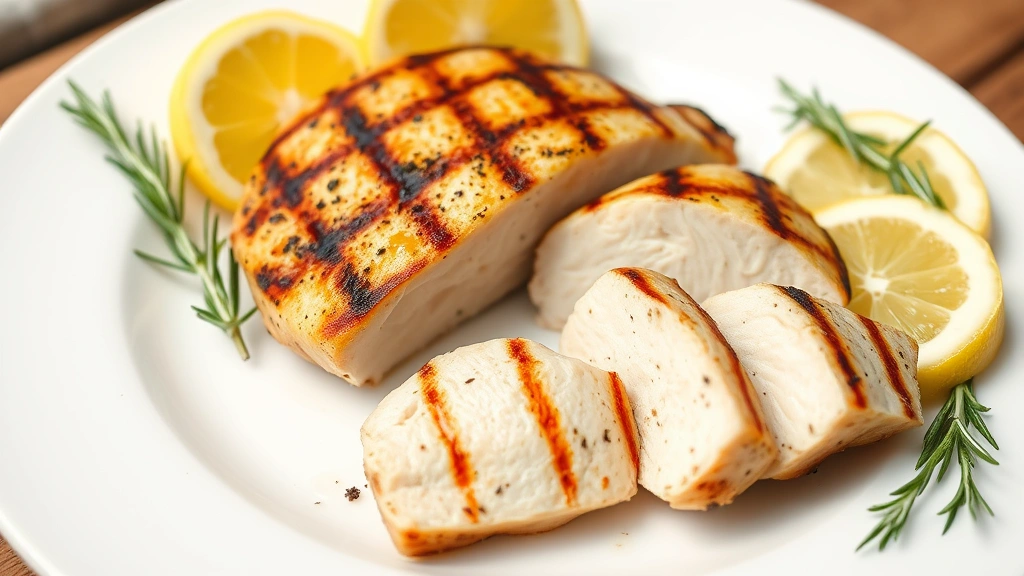
Grilling delivers exceptional flavor through direct heat application without requiring added fats. The high heat creates a flavorful crust through the Maillard reaction while keeping the interior juicy and tender. Grilling also allows excess fat to drip away from the protein, naturally reducing calorie content. For best results, marinate chicken in acid-based mixtures featuring citrus, vinegar, or yogurt to enhance tenderness and add complexity without calories.
Baking and roasting offer convenient methods for cooking larger quantities while maintaining nutritional value. Using parchment paper or silicone mats eliminates the need for cooking spray, and dry-heat cooking concentrates flavors naturally. Try preparing a simple Instant Pot rice recipe alongside roasted chicken for a complete, balanced meal that stores beautifully for the week ahead.
Air frying has revolutionized healthy cooking by delivering crispy textures using minimal oil. This method creates satisfying results with a fraction of the fat content compared to traditional frying, making it ideal for recreating comfort food favorites in healthier formats. The rapid air circulation ensures even cooking and beautiful browning without the oil bath.
Avoid pan-frying with excessive oil, deep frying, or cooking methods involving cream-based sauces if your primary goal is health optimization. These techniques add unnecessary calories while reducing the nutritional density of your meals. Instead, focus on dry-heat methods that rely on proper seasoning and technique rather than fat for flavor development.
Flavorful Seasoning Without Added Calories
Many people mistakenly believe that healthy eating requires bland, unsatisfying food. The reality is that proper seasoning technique creates extraordinary flavor without adding significant calories, fat, or sodium. Fresh herbs, spices, citrus, and acidic components build complex taste profiles that rival heavily sauced restaurant dishes.
Fresh herbs transform simple chicken into memorable meals. Basil, cilantro, parsley, and dill add brightness and sophistication with zero calories. Incorporate herbs at different cooking stages—some during preparation for deeper infusion, others finishing raw for maximum freshness. A simple balsamic vinaigrette recipe combined with fresh herbs creates a versatile dressing for grilled chicken salads.
Spice blends deliver heat and complexity without sodium. Cumin, paprika, garlic powder, and black pepper create layered flavors that satisfy the palate completely. Toasting whole spices before grinding releases essential oils and intensifies their character. Building your own spice collection allows complete control over sodium content while customizing flavor profiles to personal preferences.
Citrus and vinegar add brightness and acidity that tricks the palate into perceiving richness and depth. Lemon, lime, and orange juices marinate chicken while tenderizing the protein through acid application. Balsamic, rice wine, and apple cider vinegars add complexity and help reduce reliance on salt for flavor perception. These components cost pennies while delivering extraordinary sensory results.
Aromatics like garlic, ginger, and onions build foundational flavor layers. Caramelizing onions develops natural sweetness without added sugar. Minced garlic and ginger paste create aromatic bases for marinades and sauces. These humble ingredients deserve prominent roles in your healthy cooking repertoire.
Complete Healthy Chicken Recipes
Mediterranean Herb Grilled Chicken Breast with Quinoa
This nutritionist-approved recipe combines lean protein with complete carbohydrates and healthy fats from olive oil. Marinate boneless, skinless chicken breasts in a mixture of lemon juice, minced garlic, dried oregano, thyme, and a small amount of extra virgin olive oil for at least two hours. The acid in lemon juice tenderizes the protein while the herbs infuse subtle Mediterranean flavors. Grill over medium-high heat for six to seven minutes per side until internal temperature reaches 165°F. Serve alongside fluffy quinoa (a complete protein containing all nine essential amino acids) and roasted vegetables. This combination delivers approximately 35 grams of protein, 45 grams of carbohydrates, and healthy fats—a perfectly balanced meal supporting both muscle maintenance and sustained energy.
Asian-Inspired Stir-Fried Chicken with Vegetables
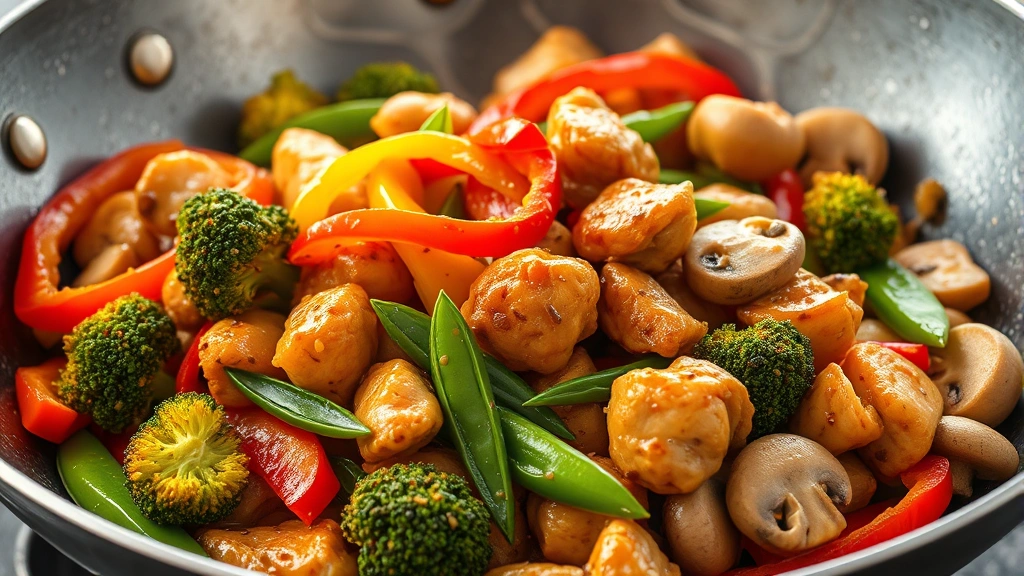
Slice chicken breast into thin strips and cook quickly over high heat in a minimal amount of sesame oil. The rapid cooking method preserves nutrients while creating tender, flavorful protein. Combine low-sodium soy sauce, rice vinegar, minced ginger, and garlic to create a sauce that delivers bold flavor without excess sodium. Add plenty of colorful vegetables—bell peppers, broccoli, snap peas, and mushrooms—which contribute fiber, vitamins, and minerals. Serve over brown rice or cauliflower rice depending on carbohydrate preferences. This dish showcases how proper technique and strategic seasoning create restaurant-quality results that support your health goals.
If you enjoy comforting casserole-style meals, an easy chicken casserole recipe with Ritz can be modified for health-conscious eating by using whole grain breadcrumbs, reducing cream components, and incorporating more vegetables than traditional versions.
Spiced Yogurt-Marinated Chicken with Roasted Root Vegetables
Greek yogurt serves as an excellent marinade base, tenderizing chicken while adding protein and probiotics. Combine plain Greek yogurt with garam masala, cumin, paprika, minced garlic, and lemon juice to create an Indian-inspired marinade. Allow chicken to sit in this mixture overnight, allowing flavors to penetrate deeply. Roast in the oven at 425°F until cooked through, approximately 25 minutes. The yogurt creates a protective coating that keeps meat incredibly moist while adding subtle tang. Serve with roasted sweet potatoes, carrots, and parsnips to create a meal rich in beta-carotene, fiber, and sustained energy.
White Chicken Chili for Cold Weather Comfort
Transform white chicken chili recipes with corn into a nutritious one-pot meal by using low-sodium broth, adding plenty of vegetables, and using Greek yogurt instead of heavy cream for richness. Combine diced chicken breast, white beans, corn, diced tomatoes, onions, and celery in a large pot. Season with cumin, oregano, and chili powder. Simmer for 20 minutes, then finish with a dollop of Greek yogurt for creaminess without excessive fat. This hearty dish provides fiber from beans, protein from chicken and legumes, and satisfying warmth perfect for meal prep.
Simple Herb-Roasted Chicken Thighs with Roasted Vegetables
While chicken breast dominates healthy eating conversations, thighs offer excellent flavor and slightly more fat-soluble vitamins. Remove skin before cooking to reduce fat content while maintaining succulence. Toss with fresh rosemary, thyme, minced garlic, and a small amount of olive oil. Roast at 400°F alongside broccoli, Brussels sprouts, and cauliflower until the chicken reaches 165°F internally, approximately 30 minutes. The rendered fat from the chicken seasons vegetables naturally while creating complex flavors without added sauces.
Meal Prep Strategies for Success
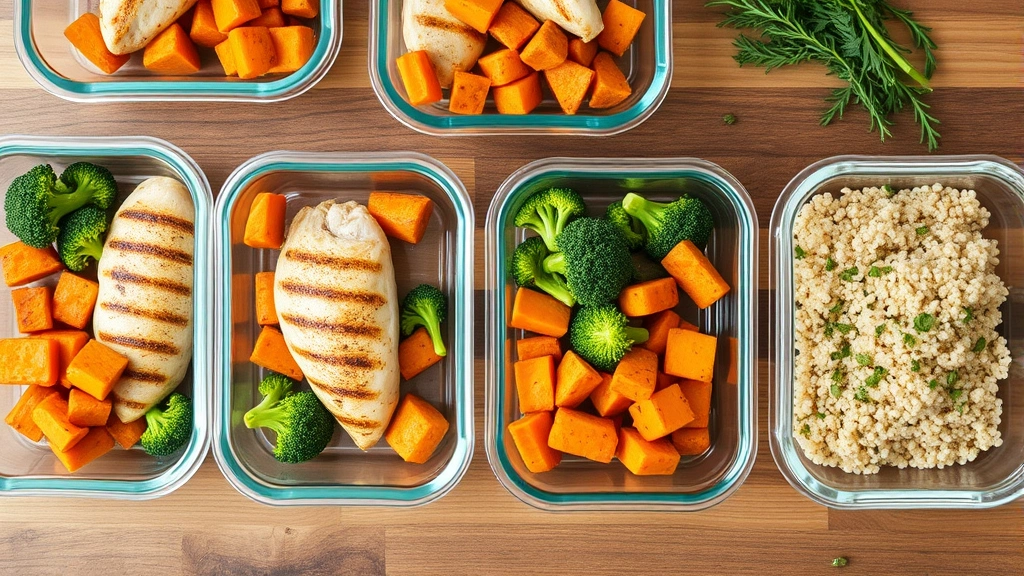
Consistency matters more than perfection when pursuing health goals. Dedicating two to three hours weekly to meal preparation removes barriers to healthy eating when life gets hectic. Cook a large batch of chicken using your preferred method—poaching creates versatile protein for multiple applications, while grilling delivers ready-to-eat portions. Store in airtight containers for up to four days, using as a foundation for various meals throughout the week.
Combine prepared chicken with different vegetables, grains, and sauces to prevent boredom. Monday might feature Mediterranean flavors with quinoa and roasted vegetables. Wednesday transforms the same chicken into an Asian stir-fry with brown rice. Friday features chicken mixed into a salad with balsamic vinaigrette and fresh greens. This rotation strategy maintains nutritional consistency while delivering variety and sustained interest.
Batch-cook complementary components simultaneously. While chicken roasts, prepare grains in a separate pot and roast multiple vegetable varieties on different sheet pans. This efficient approach yields enough components for numerous meals using minimal active cooking time. Visit the Fresh Plated Daily Blog for additional meal prep inspiration and time-saving strategies.
Freeze portioned meals for longer storage. Properly frozen chicken remains safe for up to three months while maintaining nutritional value and quality. Use freezer-safe containers, leaving slight headspace for expansion. Thaw overnight in the refrigerator before reheating gently to preserve texture and moisture.
FAQ
What cooking method preserves the most nutrients in chicken?
Poaching and steaming preserve maximum nutrients since they use lower temperatures and shorter cooking times. Grilling and baking at moderate temperatures also maintain excellent nutritional value while delivering superior flavor compared to boiling. Avoid prolonged high-heat cooking that may degrade heat-sensitive vitamins.
How much protein should I consume daily from chicken?
Individual protein needs vary based on activity level, age, and health goals. Most adults require 0.8 grams per kilogram of body weight daily, though active individuals may benefit from 1.2 to 2.0 grams per kilogram. A single chicken breast provides substantial protein, so one serving daily typically meets or exceeds daily requirements. Consult with healthcare providers or registered dietitians for personalized recommendations.
Can I eat chicken skin and remain healthy?
Chicken skin contains saturated fat and additional calories, so removing it reduces fat content significantly. However, occasional consumption of skin doesn’t negate a healthy diet. If you enjoy skin, include it occasionally while monitoring overall fat intake from other sources. Prioritize skinless options for regular consumption.
What are the best sides for healthy chicken meals?
Pair chicken with non-starchy vegetables like broccoli, asparagus, bell peppers, and leafy greens for maximum nutrient density and minimal calories. Add whole grains like quinoa, brown rice, or farro for fiber and sustained energy. Include healthy fats from avocado, nuts, or seeds to support nutrient absorption and satiety.
How do I prevent chicken from drying out during cooking?
Use a meat thermometer to avoid overcooking—remove chicken at 165°F internally. Pound breasts to uniform thickness for even cooking. Marinate in acidic mixtures beforehand, which tenderizes while adding flavor. Consider using thighs instead of breasts, as they remain juicier due to higher fat content. Allow cooked chicken to rest for five minutes before slicing to redistribute juices.
Are there any chicken parts more nutritious than others?
Chicken breast offers the leanest option with highest protein-to-calorie ratio. Thighs provide more iron, zinc, and B vitamins but contain more fat. Both options offer excellent nutrition—choose based on personal preferences and dietary goals. Remove skin from either cut to significantly reduce fat content.


