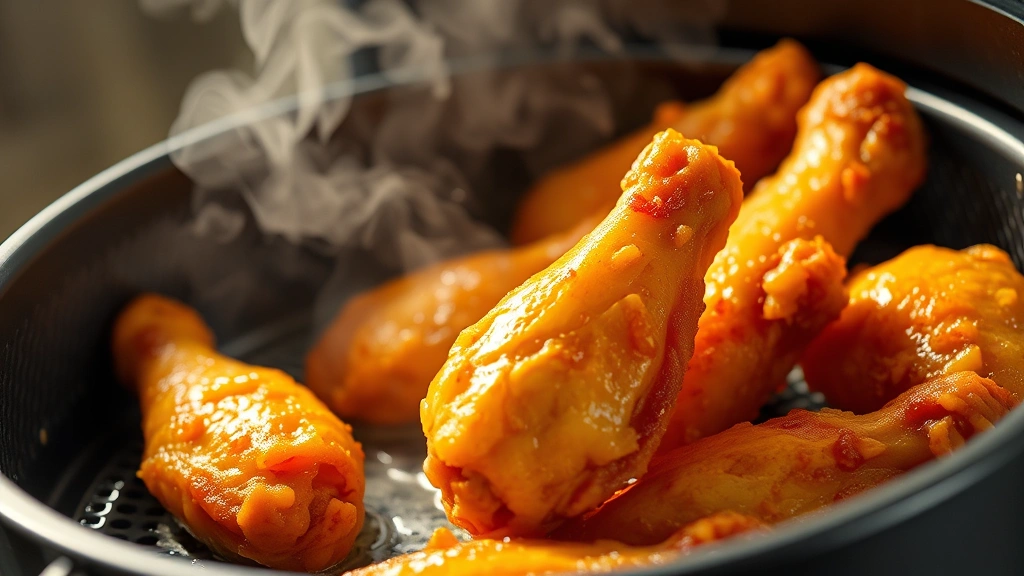
Crispy Chicken Wings? Air Fryer Tested Recipe
Air fryers have revolutionized how home cooks approach crispy chicken wings, delivering restaurant-quality results without deep-frying oil splattering across your kitchen. After extensive testing, we’ve perfected a chicken wing air fryer recipe that produces impossibly golden, crunchy exteriors while keeping the meat tender and juicy inside. This method requires minimal effort, uses just a handful of pantry staples, and cooks wings in roughly 20 minutes—making it perfect for weeknight dinners, game day gatherings, or meal prep sessions.
The secret lies in understanding how air fryers circulate heat at high velocity, creating a convection effect that mimics deep frying without the oil. By properly patting your wings dry, seasoning strategically, and using the right temperature and timing, you’ll achieve wings that rival any wing joint in town. Whether you prefer buffalo sauce, BBQ, garlic parmesan, or plain salted wings, this foundational recipe serves as your launching pad for infinite flavor combinations.
Why Air Fryers Excel at Cooking Wings
Traditional deep frying requires heating large quantities of oil to precise temperatures and managing oil disposal afterward. Air fryers eliminate these hassles while actually producing superior results in many cases. The rapid circulating hot air creates a Maillard reaction—the chemical process that browns food and develops complex flavors—without requiring submersion in oil.
Air fryer technology operates by heating air to temperatures between 350-400°F and circulating it at high speed around food. Chicken wings, with their high surface area relative to mass, respond exceptionally well to this cooking method. The moisture on the wing surface evaporates quickly, creating the crispy exterior everyone craves. Meanwhile, the gentle heat circulation prevents burning while the interior reaches safe temperatures (165°F according to USDA guidelines).
Additionally, air frying produces significantly less mess than traditional frying. No oil splatters on your stovetop, no lingering fried food smell permeating your home for days, and no complicated cleanup. You can serve crispy chicken wings on a Tuesday evening without the production normally associated with fried foods. This accessibility has made air fryer wing recipes increasingly popular among home cooks seeking convenience without sacrificing quality.
The health benefits also merit consideration. While air-fried wings aren’t technically “healthy,” they contain substantially less oil than deep-fried alternatives. A typical air fryer wing recipe uses just 1-2 tablespoons of oil for an entire batch, compared to cups required for traditional frying. This reduction in fat content makes air fryer wings a more reasonable indulgence for those monitoring their intake.
Ingredients You’ll Need
This recipe yields approximately 2 pounds of wings (about 16-20 pieces, depending on size):
- 2 pounds chicken wings (drumettes and flats separated)
- 1 tablespoon olive oil or avocado oil
- 1 teaspoon kosher salt
- ½ teaspoon black pepper
- ½ teaspoon garlic powder
- ½ teaspoon paprika (sweet or smoked)
- ¼ teaspoon cayenne pepper (optional, for mild heat)
- Fresh herbs (parsley or chives for garnish)
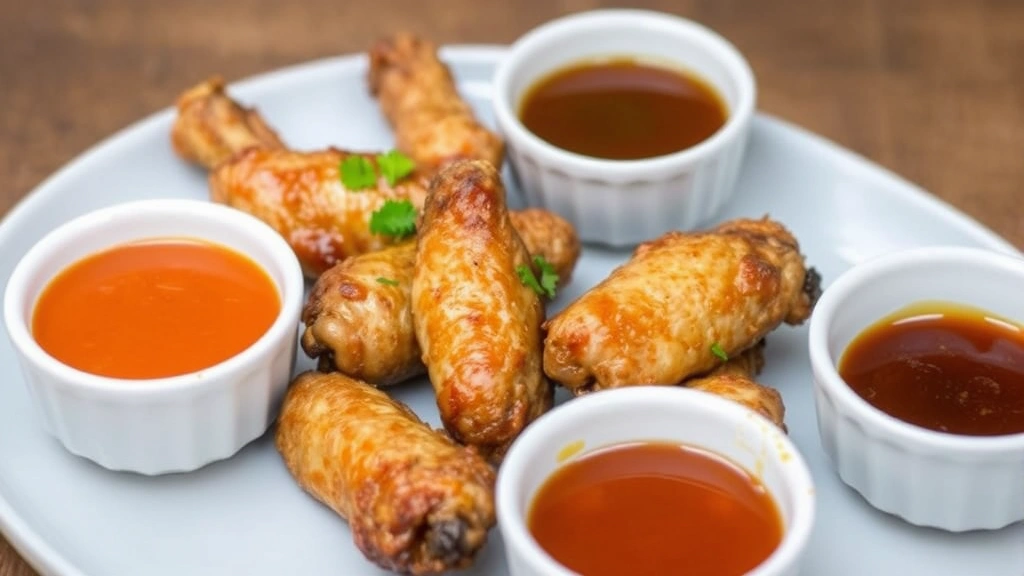
For sauce applications, you’ll want to have your chosen condiments ready. Popular options include buffalo sauce, barbecue sauce, soy-ginger glaze, or honey mustard. If making sauce from scratch, keep basic ingredients like hot sauce, butter, honey, and vinegar on hand. The beauty of this base recipe is its versatility—the seasoned wings serve as a blank canvas for any flavor profile you desire.
Quality matters with chicken wings. Look for wings that are relatively uniform in size, with minimal excess skin or feathers. Fresh wings are preferable to frozen, though frozen wings work perfectly well if thawed completely before cooking. Avoid wings that appear discolored or have an off odor, as these indicate spoilage.
Preparation Process
Proper preparation separates mediocre air fryer wings from exceptional ones. Begin by patting your chicken wings completely dry with paper towels. This step is non-negotiable for achieving crispiness. Moisture on the wing surface creates steam, which prevents the Maillard reaction and results in soggy, disappointing wings. Spend 2-3 minutes thoroughly drying each wing, removing visible moisture from all surfaces and crevices.
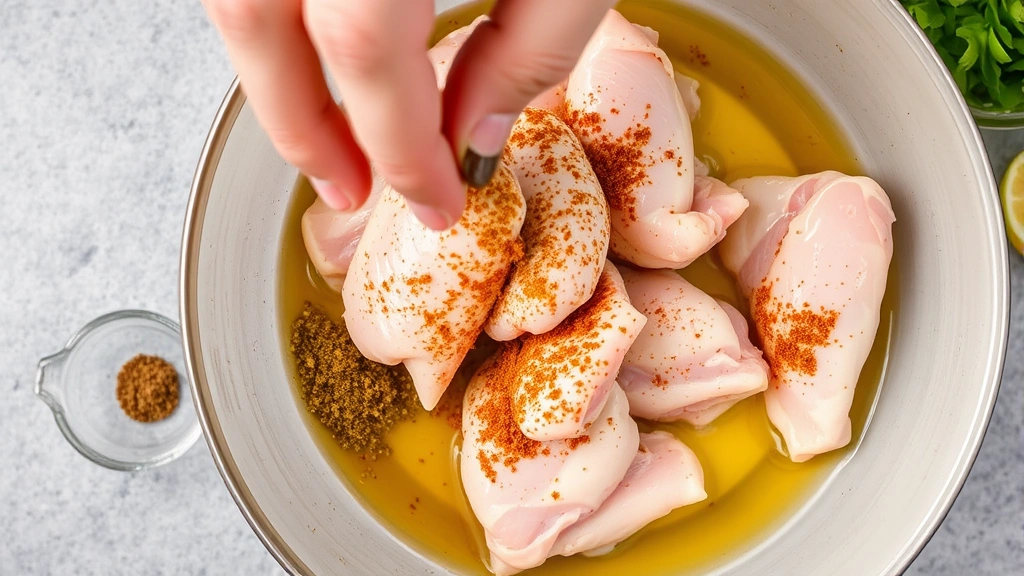
Next, transfer your dried wings to a large mixing bowl. Drizzle with olive oil—this small amount provides just enough fat for browning without making wings greasy. Toss gently to coat all pieces evenly. The oil acts as a vehicle for seasonings and facilitates the crisping process.
In a small bowl, combine your dry seasonings: kosher salt, black pepper, garlic powder, paprika, and cayenne (if using). Pour this mixture over the oiled wings and toss thoroughly until every piece is coated with seasoning. If you prefer more aggressive seasoning, you can increase quantities slightly, but remember that seasonings concentrate during cooking, so restraint is wise.
Allow seasoned wings to sit at room temperature for 10-15 minutes before cooking. This resting period allows seasonings to adhere better and helps wings cook more evenly. If you’re preparing wings ahead of time, you can refrigerate them for up to 4 hours before cooking—just remove them from the refrigerator 15 minutes before air frying to ensure even cooking.
If you’re planning to toss wings in sauce after cooking (rather than seasoning before), you can skip the dry seasoning step and simply coat wings lightly with oil and salt. This approach works well when you want sauce and seasoning options to be the primary flavor drivers.
Cooking Method Step-by-Step
Step 1: Preheat Your Air Fryer
Preheat your air fryer to 400°F for 3-5 minutes. Most air fryers reach temperature quickly, but this preheating ensures consistent cooking. Check your specific air fryer’s manual, as some models heat faster than others. A properly preheated unit is essential for achieving that signature crispy exterior.
Step 2: Arrange Wings in the Basket
Arrange seasoned wings in a single layer in your air fryer basket. This is crucial—crowding the basket prevents proper air circulation and results in unevenly cooked wings. If your batch is large, cook wings in two separate batches rather than overcrowding. Wings should be positioned with space between each piece, ideally not touching. If your air fryer basket is small, you may need to stand some wings upright against the sides.
Step 3: Initial Cooking Phase
Cook wings at 400°F for 12 minutes without opening the air fryer basket. Resist the temptation to check on them—opening the basket releases heat and interrupts the cooking process. After 12 minutes, carefully remove the basket and shake it vigorously for 10-15 seconds. This agitation helps wings cook evenly and encourages crisping on all sides.
Step 4: Final Cooking Phase
Return the basket to the air fryer and cook for an additional 8 minutes at 400°F. At this point, wings should be golden brown and crispy. If you prefer extra-crispy wings, add another 2-3 minutes, watching carefully to prevent burning. The total cooking time typically ranges from 18-23 minutes depending on wing size and your specific air fryer model.
Step 5: Check for Doneness
Remove a wing and check that the internal temperature reaches 165°F using an instant-read meat thermometer inserted into the thickest part without touching bone. The skin should be deeply golden brown and crispy to the touch. If wings aren’t quite there yet, return them for another 2-3 minutes and recheck.
Step 6: Rest and Serve
Transfer cooked wings to a serving platter and allow them to rest for 2-3 minutes. This brief resting period allows residual heat to distribute evenly and gives the exterior a final crisping opportunity. Serve immediately while wings are still hot and crispy. If tossing in sauce, do so immediately after this resting period for best results.
Sauce and Seasoning Options
Once you’ve mastered the basic air fryer chicken wing recipe, endless flavor variations await. Here are proven sauce options that pair beautifully with air-fried wings:
Buffalo Sauce Wings
Combine ¾ cup hot sauce (Frank’s RedHot is classic), 4 tablespoons melted butter, and 1 tablespoon Worcestershire sauce. Toss hot wings in this mixture until fully coated. The tangy, spicy profile has remained popular for decades. Serve with blue cheese dressing and celery for the traditional accompaniment.
Honey Garlic Glaze
Mix ¼ cup honey, 3 tablespoons soy sauce, 2 minced garlic cloves, 1 tablespoon rice vinegar, and ½ teaspoon sesame oil. Heat this mixture in a saucepan until warm and slightly thickened, then toss with wings. This sweet-savory combination pairs wonderfully with summer salad recipes for balanced meals.
Lemon Pepper Wings
Combine 3 tablespoons melted butter, zest and juice of 2 lemons, 1 tablespoon cracked black pepper, and 1 teaspoon garlic powder. Toss wings immediately after cooking while they’re still hot. This bright, zesty option works excellently for lighter meals and pairs well with fresh vegetables.
Asian-Inspired Ginger Soy
Whisk together ⅓ cup soy sauce, 3 tablespoons honey, 2 tablespoons rice vinegar, 1 tablespoon grated fresh ginger, and 2 minced garlic cloves. Simmer until slightly thickened, then coat wings. The umami depth here makes wings feel more sophisticated and restaurant-quality.
BBQ Bourbon Glaze
Heat 1 cup BBQ sauce with 2 tablespoons bourbon or whiskey (optional—omit if preferred), 1 tablespoon Dijon mustard, and ½ teaspoon smoked paprika. This rich, smoky option reminds many of traditional barbecue preparation methods. Consider pairing with brisket recipe oven for a complete barbecue spread.
Parmesan Garlic Herb
Toss hot wings with 4 tablespoons melted butter infused with 4 minced garlic cloves, ½ cup grated Parmesan cheese, 2 tablespoons fresh parsley, and 1 tablespoon fresh basil. This Italian-inspired approach delivers umami richness and aromatic complexity.
Troubleshooting Common Issues
Problem: Wings Turn Out Soggy Rather Than Crispy
The most common culprit is insufficient drying before cooking. Commit to thoroughly patting wings dry—this single step makes an enormous difference. Additionally, ensure your air fryer basket isn’t crowded. Overcrowding traps steam, preventing crisping. Finally, verify your air fryer temperature is accurate using an oven thermometer, as some units run cooler than displayed.
Problem: Wings Cook Unevenly, Some Burnt While Others Underdone
This typically results from crowding or wings being dramatically different sizes. Sort wings by size before cooking, cooking smaller and larger wings in separate batches if necessary. Also ensure wings are arranged in a single layer with adequate space between pieces. Some air fryer models have hot spots—if this occurs consistently, rotate the basket 180 degrees halfway through cooking.
Problem: Wings Stick to the Basket
Invest in an air fryer liner or parchment paper designed for air fryers. These prevent sticking while allowing adequate air circulation. Alternatively, lightly oil your basket before cooking. Ensure wings have adequate oil coating before entering the air fryer, as this reduces sticking significantly.
Problem: Seasonings Fall Off Wings
This occurs when wings aren’t properly coated with oil before seasoning. The oil acts as an adhesive, helping seasonings cling during cooking. If you’ve already cooked wings, you can toss them in melted butter mixed with seasonings immediately after cooking for better adhesion.
Problem: Wings Taste Dry
Overcooking is the primary culprit. Use an instant-read thermometer to verify wings reach 165°F—don’t cook longer than necessary. Additionally, ensure you’re not cooking at excessively high temperatures. Some home cooks prefer 375°F instead of 400°F for slightly more tender results, though this extends cooking time by a few minutes. Consider tossing finished wings in a butter-based sauce, which adds moisture and richness.
For comparison, you might explore how peruvian chicken recipe techniques handle moisture retention—similar poultry cooking principles apply across cuisines.
FAQ
Can I cook frozen chicken wings in an air fryer?
Yes, though thawed wings yield better results. If cooking frozen wings, add 5-7 minutes to the total cooking time and ensure they reach 165°F internally. Frozen wings often retain excess moisture, so pat them dry as thoroughly as possible before cooking. For best outcomes, thaw wings overnight in the refrigerator before air frying.
What’s the difference between drumettes and flats?
Drumettes are the meatier, single-bone portion resembling tiny chicken legs. Flats (or wingettes) are the two-bone section. Both cook at the same rate, but some people prefer one over the other based on meat-to-bone ratio. Drumettes offer more meat, while flats are easier to eat and have more surface area for crisping.
How do I reheat air fryer wings?
The best method is reheating in the air fryer itself. Preheat to 350°F and cook wings for 3-4 minutes until heated through and re-crisped. Microwaving will make wings soggy, while oven reheating works but takes longer. If you have leftover wings, store them in an airtight container in the refrigerator for up to 3 days.
Can I make these wings ahead for a party?
Absolutely. Cook wings up to 4 hours ahead and store at room temperature. Reheat in a 350°F air fryer for 3-4 minutes before serving. Alternatively, prepare and season wings the night before, refrigerating them until 15 minutes before cooking. This approach saves time during party preparation.
What air fryer size do I need for this recipe?
A 4-6 quart air fryer comfortably handles 2 pounds of wings in 1-2 batches. Smaller 2-3 quart models can cook wings but may require splitting the recipe into more batches. Larger 8+ quart models offer more flexibility. Check your specific model’s capacity recommendations for optimal results.
Are air fryer wings healthier than deep-fried wings?
Air fryer wings contain significantly less oil—typically 1-2 tablespoons versus cups for deep frying. This reduction translates to fewer calories and less fat per serving. However, wings remain a relatively indulgent food regardless of cooking method. For healthier protein options, consider exploring tacos al pastor recipe variations or lighter preparations.
Can I cook wing tips in the air fryer?
Yes, though they contain minimal meat and are primarily bone. Wing tips work excellently for making stock or broth. If cooking wing tips for eating, they’ll require the same 18-20 minutes at 400°F. Many restaurants discard wing tips, but thrifty cooks can create flavorful stock from them.
What’s the best oil for air frying wings?
Oils with high smoke points work best: avocado oil (520°F), vegetable oil (450°F), canola oil (450°F), or peanut oil (450°F). Olive oil has a lower smoke point (375°F) and isn’t ideal for high-heat air frying, though light olive oil works better than extra-virgin. Avoid coconut oil, which has a distinct flavor that doesn’t pair well with most wing seasonings.
How do I prevent my air fryer from smelling like fried food?
Air fryers produce significantly less odor than traditional frying, but some smell is inevitable. Improve ventilation by opening windows or running exhaust fans during cooking. Some people place a small bowl of water in the air fryer basket below the wings to capture grease particles and reduce odor. After cooking, wipe the basket clean promptly and wash it thoroughly.
Can I cook multiple batches without waiting between them?
Yes, your air fryer remains hot after the first batch. Simply load the second batch immediately and cook for the same time. The only caveat is ensuring the basket is clean and dry before loading new wings. Many cooks find cooking 2-3 batches consecutively quite efficient for feeding larger groups.


